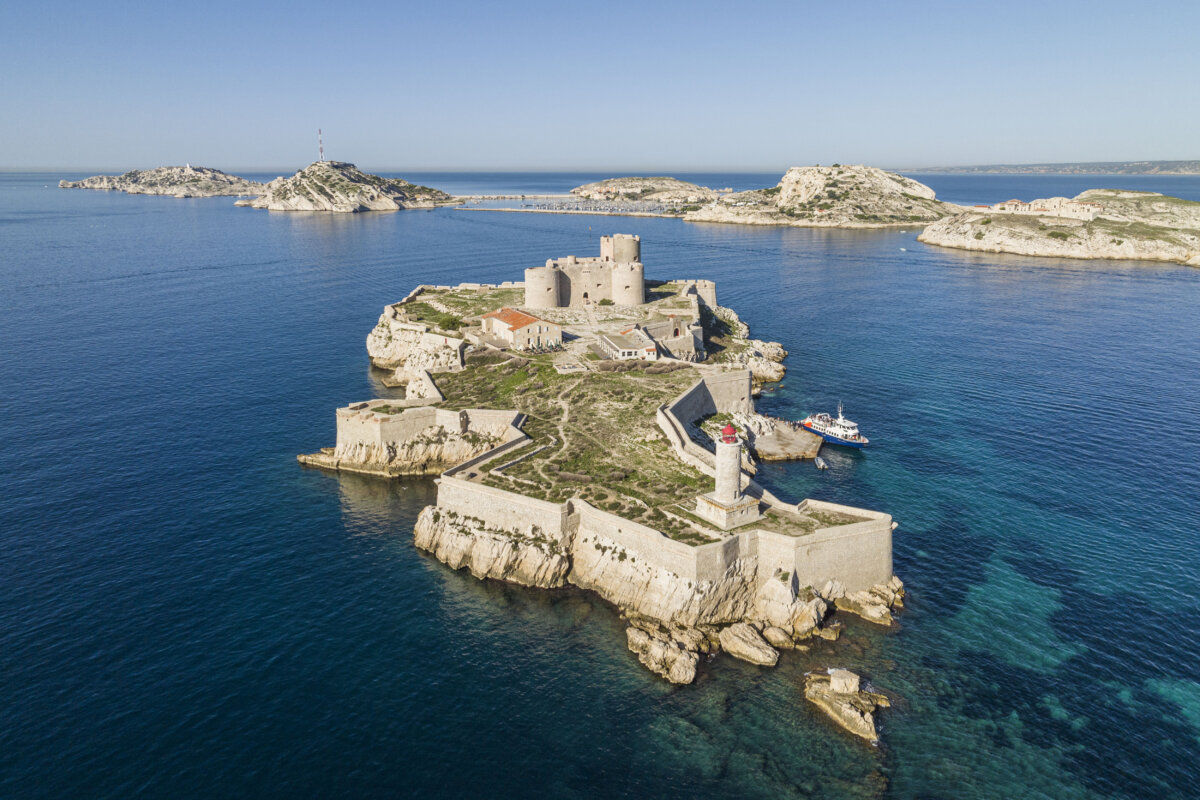
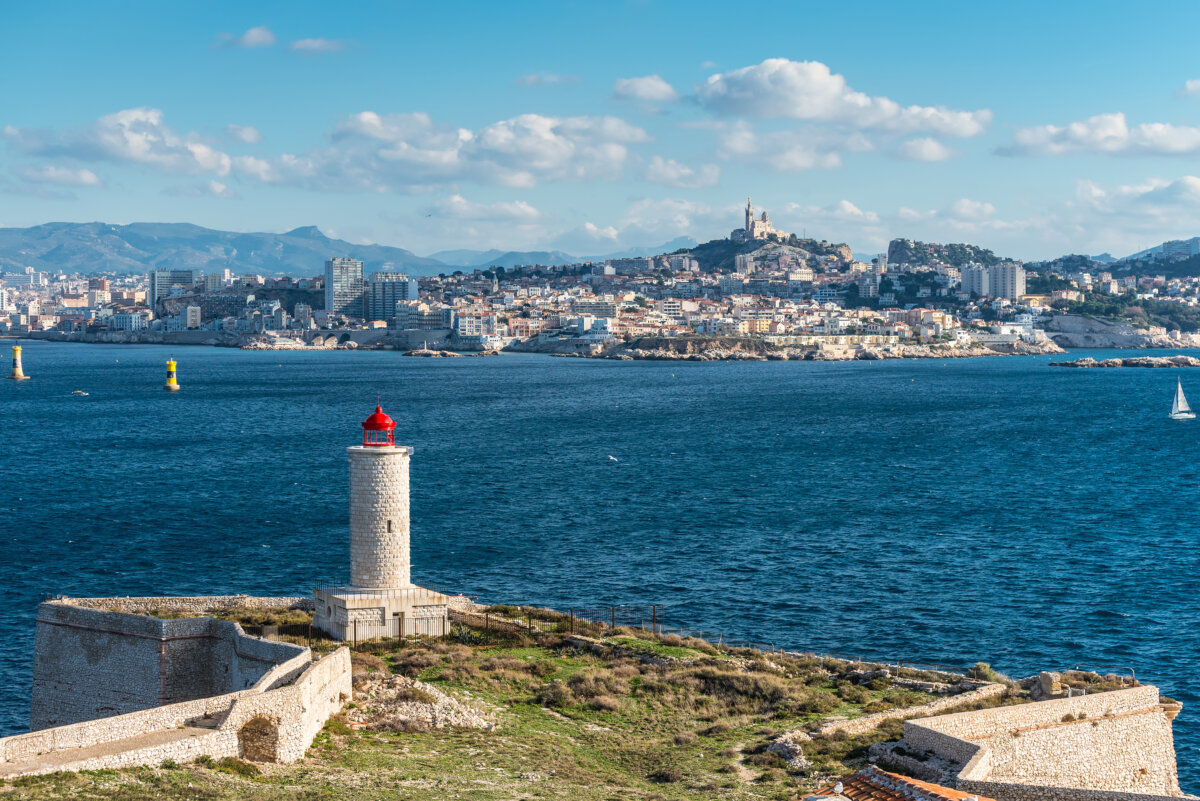
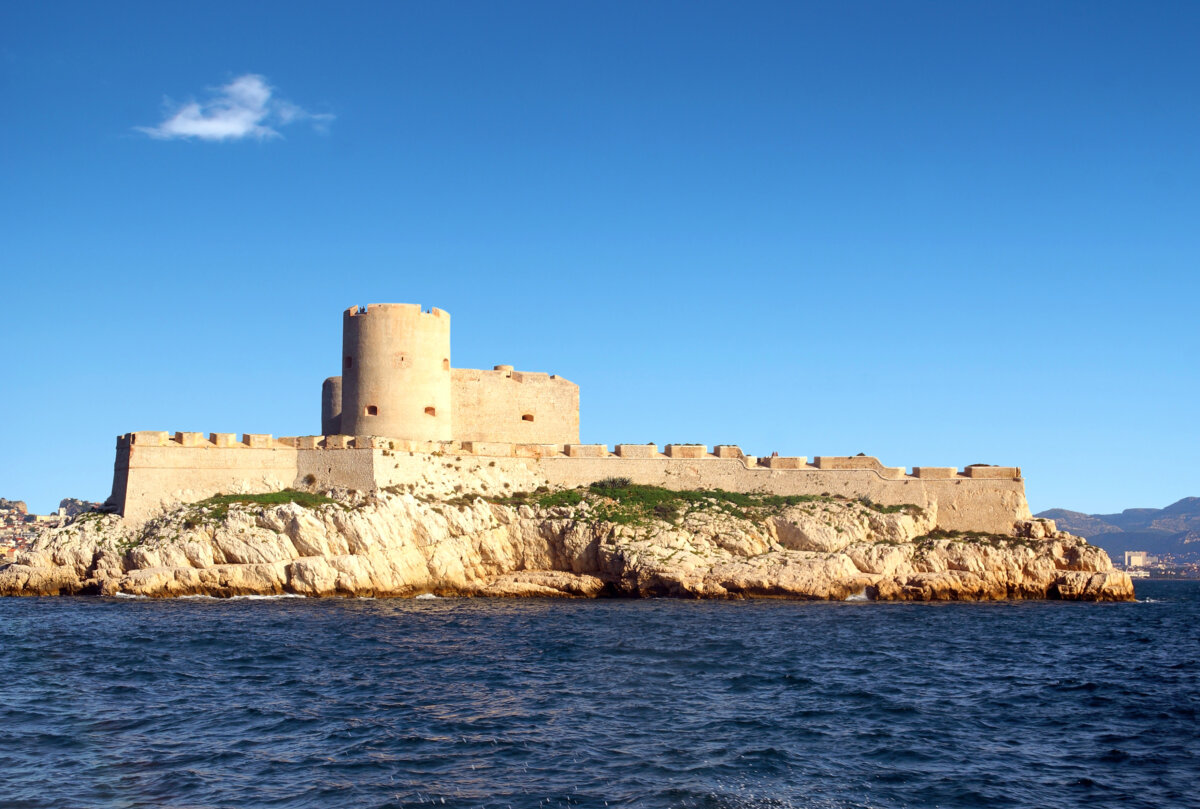
Rising sharply from the Mediterranean Sea, just off the southeastern coast of Marseille, France, the Château d’If pulls the eye like a steady tide and carries the imagination out to sea. For many, it is inseparable from “The Count of Monte Cristo,” a compelling 19th-century classic in which the wrongfully imprisoned Edmond Dantès endures years of isolation before emerging transformed. Described in the book as a “gloomy fortress,” the structure’s real-life presence is no less dramatic. Its isolation, surrounded by restless currents and jagged rock, creates a natural sense of confinement that has fascinated visitors for centuries.
Yet long before it became a literary icon, the Château d’If was conceived as a symbol of royal authority. Commissioned by King Francis I in the early 16th century, it was intended to guard Marseille’s harbor, monitor naval activity, and deter invasion. Its placement on the small island of If, part of the Frioul archipelago, ensured a defensive advantage. Over time, however, its purpose shifted from outward protection to inward containment, and the fortress took on a darker role that would define its legacy.
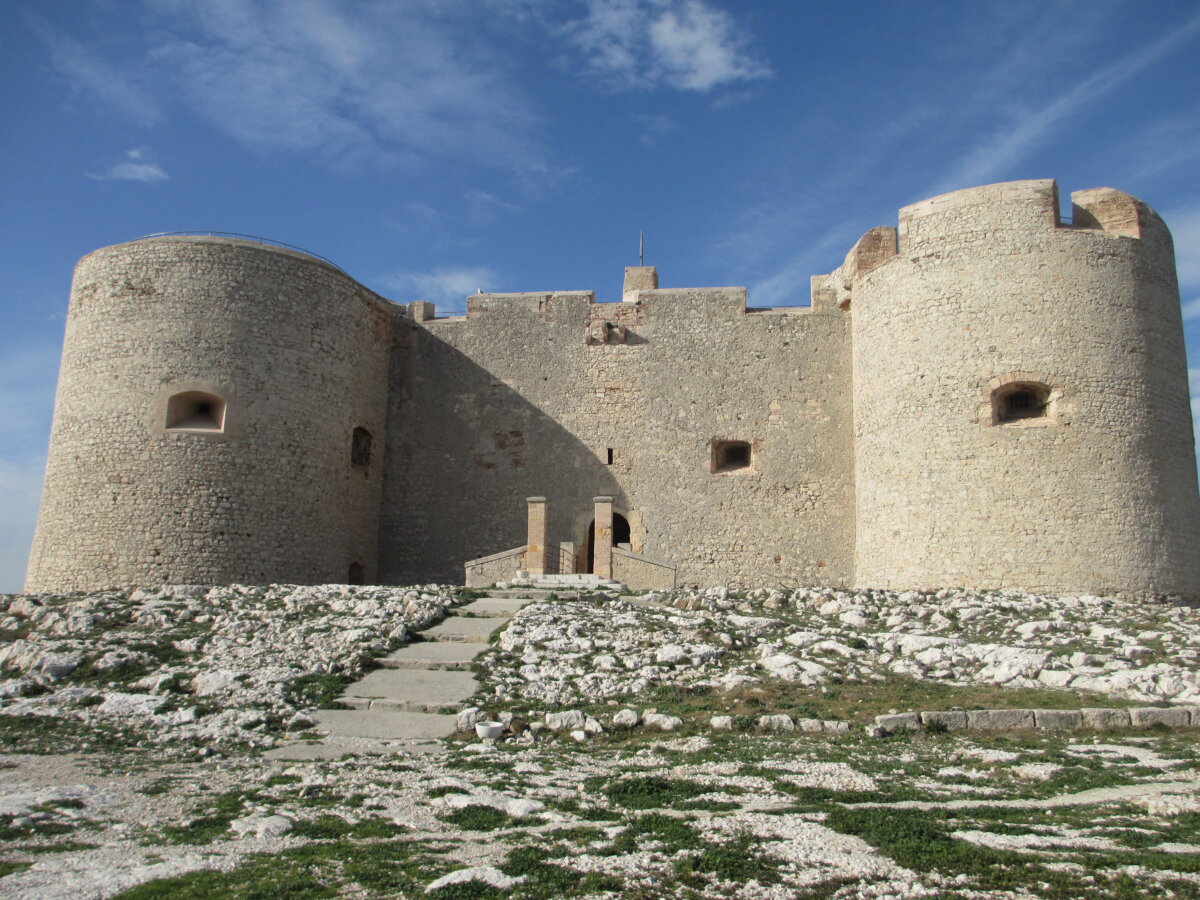
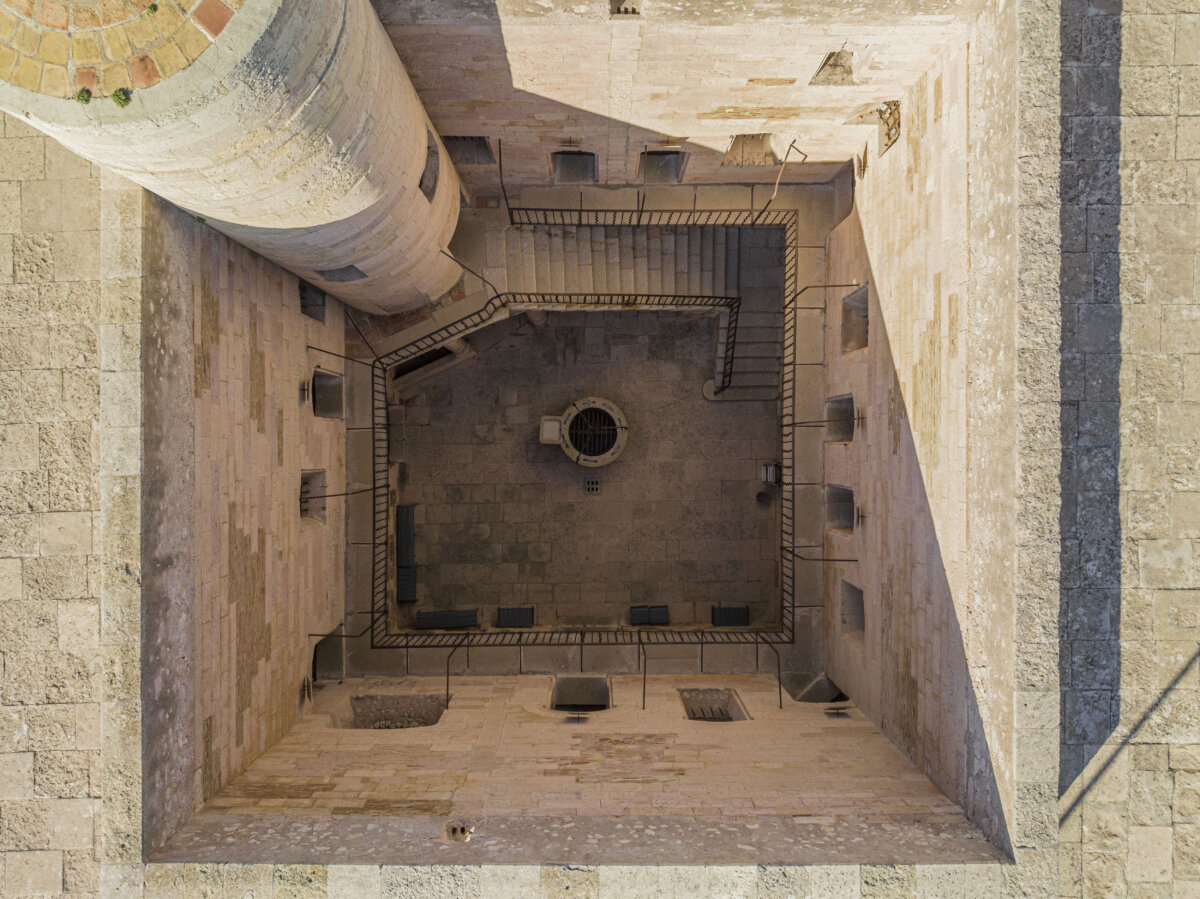
Set on a limestone islet around eight acres in size, the Château d’If is a compact but formidable structure. Measuring about 92 feet on each side, the fortress follows a square plan reinforced by three cylindrical towers: Saint-Christophe, Saint-Jaume, and Maugouvert. Each tower is punctuated with gun ports designed for defense. Built primarily from local taupe-colored limestone, the fortress blends into its rocky surroundings. Although modest in scale, its design reflects Renaissance military principles that emphasize durability and surveillance. Inside, the building contains a network of cells rather than grand halls, underscoring its later use as a prison.
By the 17th century, the Château d’If had fully transitioned into a prison. It would hold thousands over the centuries, including Protestants during the Wars of Religion and political detainees in the upheavals of the 19th century. Its offshore location made escape nearly impossible, drawing comparisons to the Alcatraz Federal Penitentiary off the coast of San Francisco.
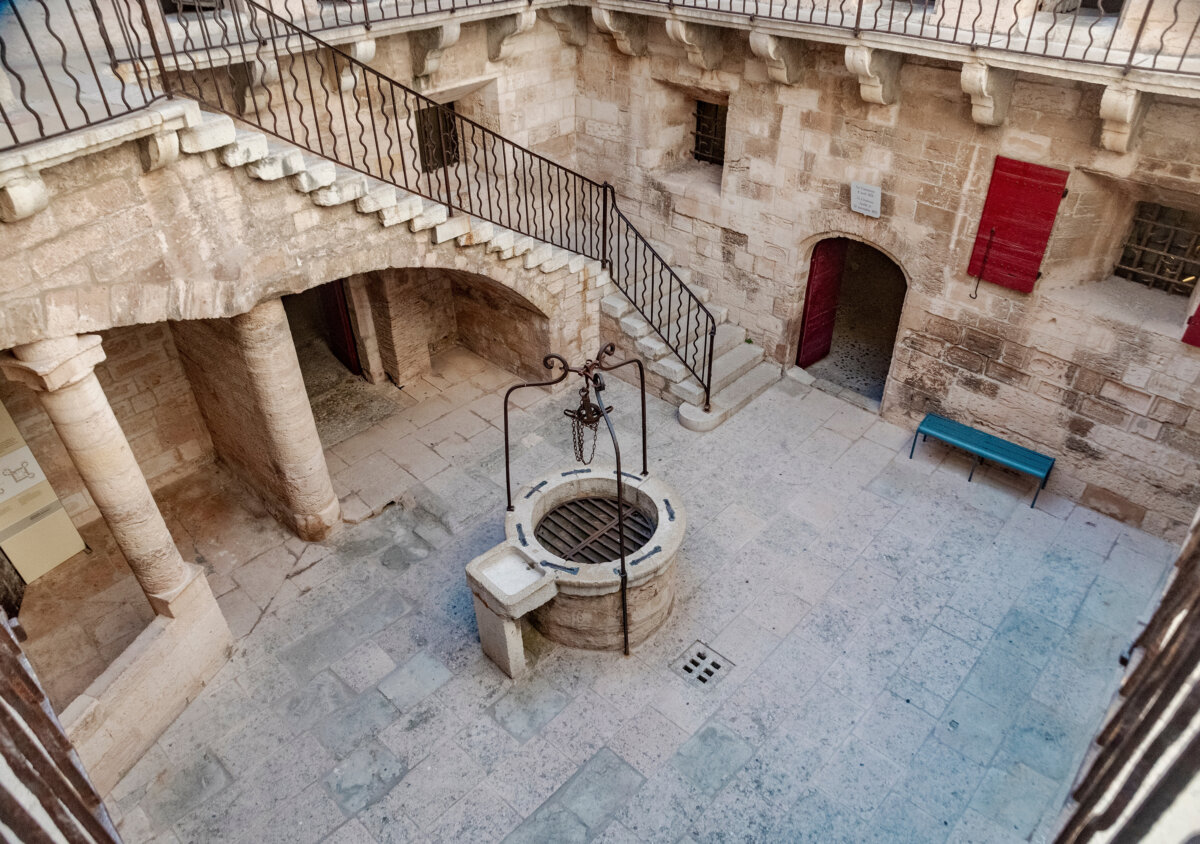
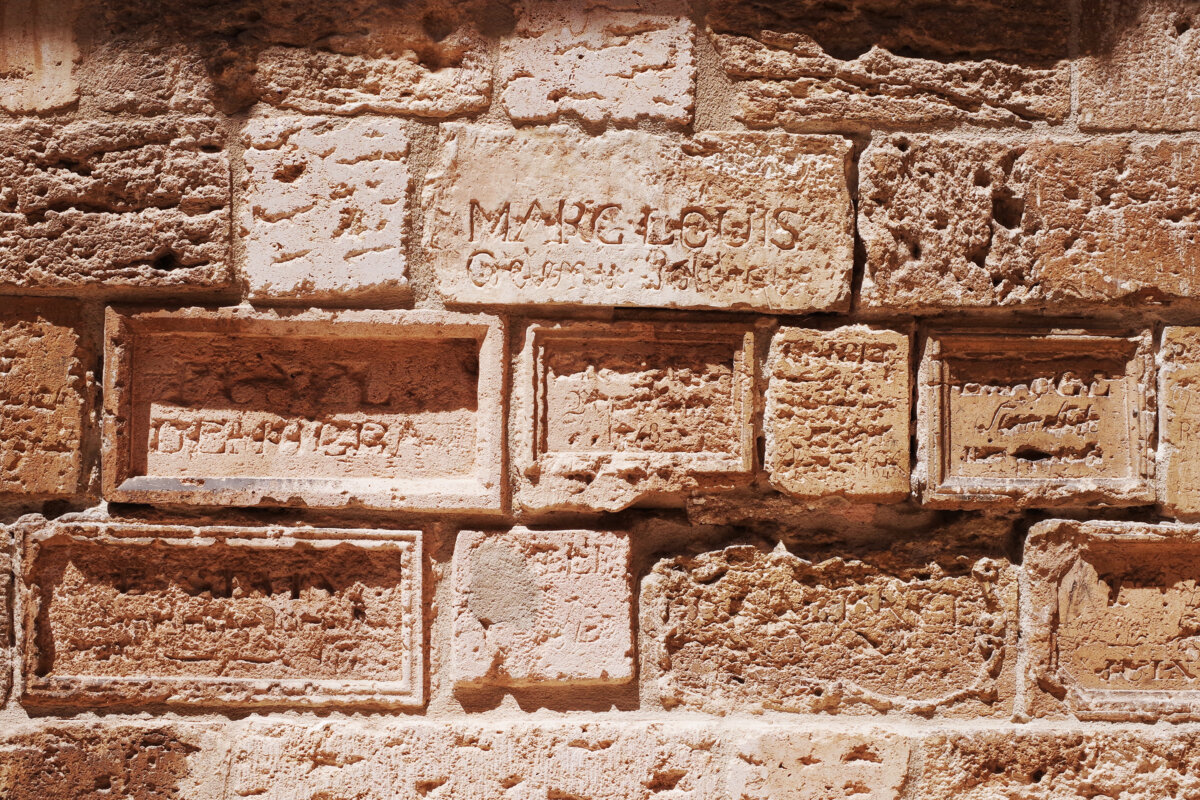
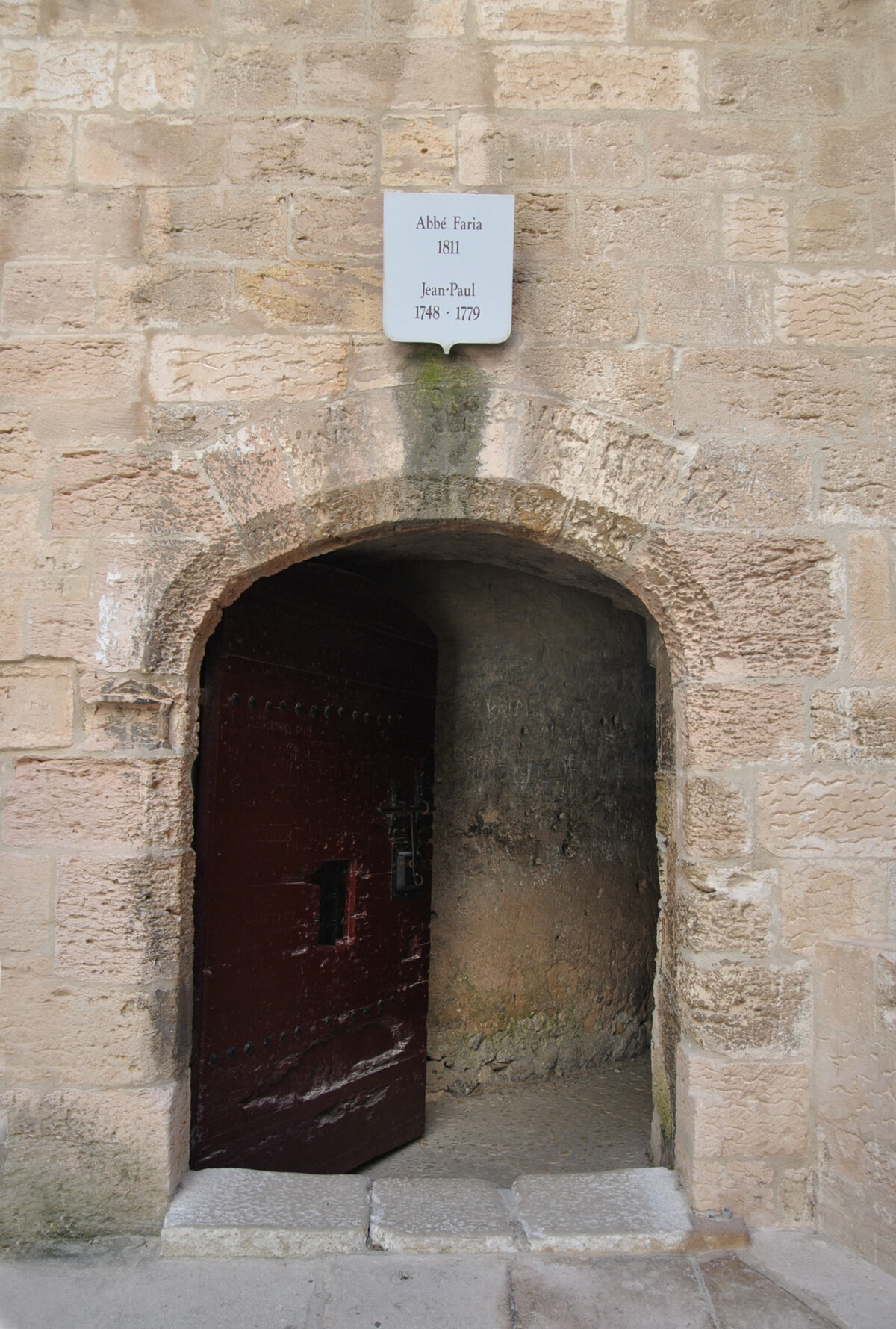
Life inside the prison differed dramatically depending on a prisoner’s status. Poor prisoners were confined to dark, airless basement cells, where life expectancy was extremely short. Prisoners who were slightly better off in the basement shared quarters with somewhat improved conditions. They had limited natural light and access to a courtyard water tank for drinking and washing. In contrast, the first floor housed private cells that offered greater comfort and light, available only to those who could afford to pay for them.
Today, the fortress no longer serves as a place of despair but instead endures as a preserved monument inviting reflection on its layered past. Opened to the public in the late 19th century and later incorporated into Calanques National Park, it now welcomes thousands of visitors annually. For contemporary visitors, the Château d’If evokes both the starkness of its prison past and the timeless pull of storytelling, where legend and reality intertwine against the windswept Mediterranean.
What arts and culture topics would you like us to cover? Please email ideas or feedback to features@epochtimes.nyc.