
Pretend you only had one shelf for your library, and your library could consist of only 10 books about American history. For this hypothetical situation, I have assembled a list of the best (admittedly subjective) books on American history from the colonial period to the end of the Cold War.
Before you scroll through the list, I instituted a number of parameters. The list includes only single volumes. Yes, numerous multi-volumes could easily be recommended, like Shelby Foote’s Civil War series, but remember, there’s limited space on that shelf. There are no biographies in the list, like Ron Chernow’s “Washington: A Life,” nor memoirs, like that of Ulysses S. Grant (arguably America’s finest); or journals, like that of Meriwether Lewis and William Clark. Also, there are no founding documents, such as the Declaration, the Constitution, the Notes on the Constitutional Convention, or the Federalist Papers (all absolute must-reads).
The list that follows is broken into 10 periods with selections that are (at least close to) all-encompassing for each period and from the American angle (even concerning global events, like World War II).
The list ends with the Cold War. It seems a bit early to recommend works on the 21st century, even those on post-9/11 and the Global War on Terror history (though I recommend Steve Coll’s works). Additionally, just to give readers extra choices, I’ve added a “Close Second” to each.
Without further ado, here are the 10 best books on American history:
The Colonial Period, 1585-1773
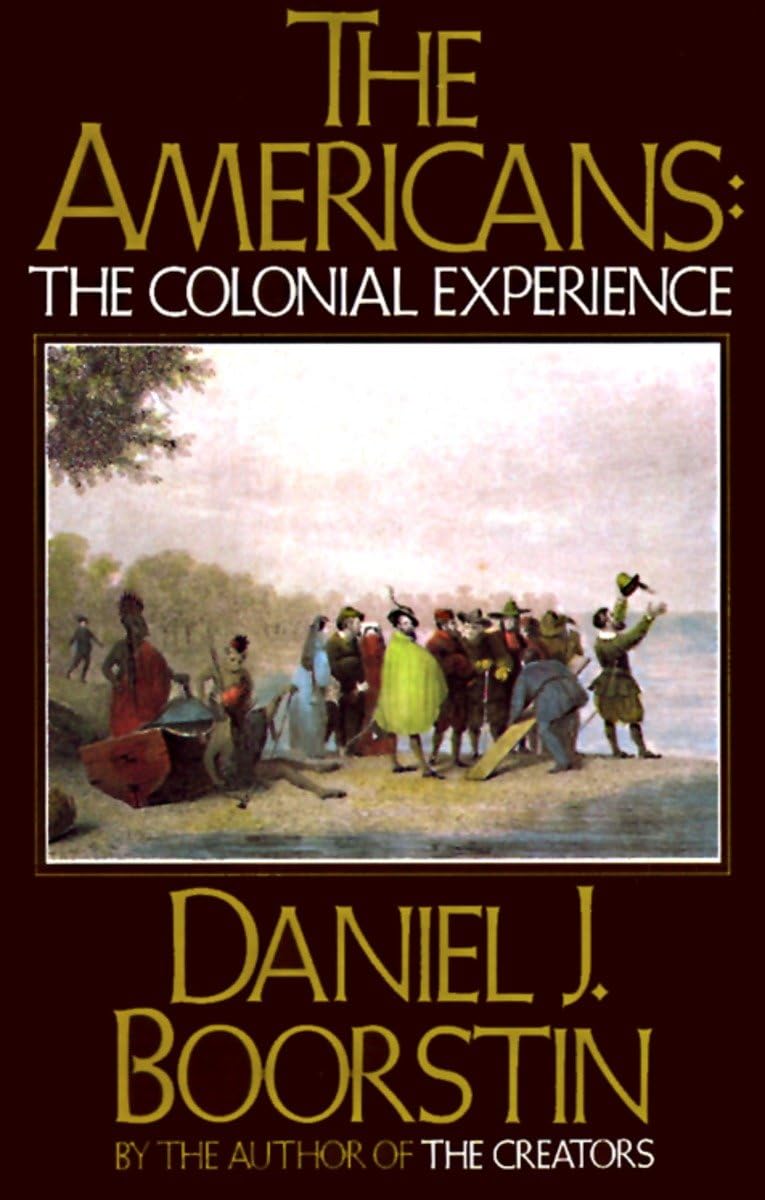
‘The Americans: The Colonial Experience’ by Daniel Boorstin
I may appear to be breaking one of the parameters in choosing this first selection, but trust me. This is part of a trilogy, but I am only recommending the first volume, which is era-centric. Boorstin was a national treasure, and his well-known works are exhaustively detailed without being exhausting to read. “The Colonial Experience” took home the 1959 Bancroft Prize—the highest literary prize for history. Boorstin’s wealth of knowledge on American history and his literary prowess is exemplified in this near-500-page work. His brilliance was recognized in 1989 when he received the National Book Foundation’s Medal for Distinguished Contribution to American Letters, shortly after retiring as the 12th Librarian of the United States Congress, a position he held from 1975 to 1987.
Close Second: “The Barbarous Years” by Bernard Bailyn
The Revolutionary Era, 1774-1783
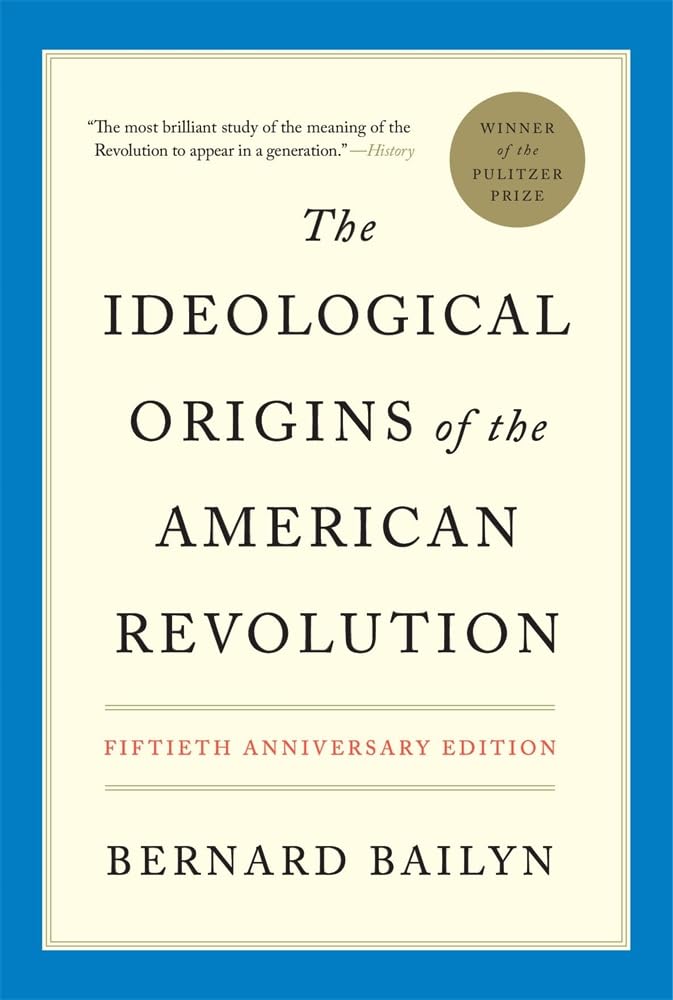
‘The Ideological Origins of the American Revolution’ by Bernard Bailyn
Revolutions result from ideological conflict, and the American Revolution was no different. The conflict between liberty and despotism resulted in war and, eventually, independence. Understanding the mentalities behind the opposing sides reveals the very reason for the revolution, and Bailyn’s study of it is unmatched. This book will give readers clarity and a greater appreciation for the founding conflict. This work received the 1968 Bancroft Prize and the Pulitzer Prize in History. According to prominent historian Gordon S. Wood, many historians consider it “the most persuasive interpretation of the Revolution.”
Close Second: “The American Revolution: A History” by Gordon S. Wood
The Early Republic, 1789-1815
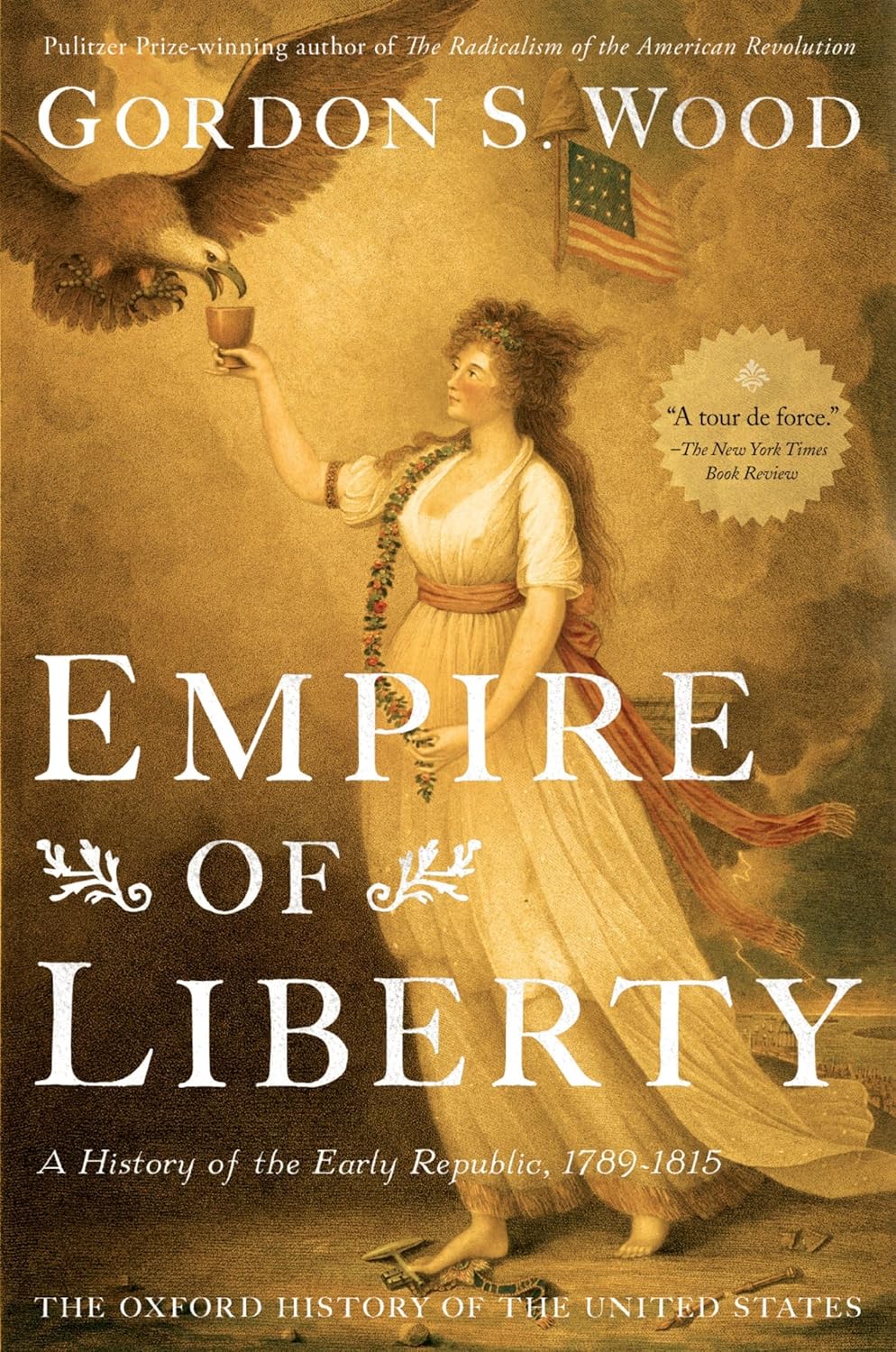
‘Empire of Liberty: A History of the Early Republic’ by Gordon S. Wood
Speaking of the living-legend Wood, the early Republic has long been his specialty. He won the Bancroft Prize in 1970 and the Pulitzer Prize in History in 1993 for his works on the revolution and post-revolution eras. This book, which is part of the Oxford History of the United States series, follows chronologically, starting with the ratification of the Constitution and ending with the War of 1812. This almost-800-page tome walks readers through the founding of the new republic, the emergence of Thomas Jefferson’s Democratic-Republican Party, and the era under President James Madison, known as the “Father of the Constitution.”
Close Second: “The Early American Republic” by Paul E. Johnson
Westward Expansion, 1816-1860
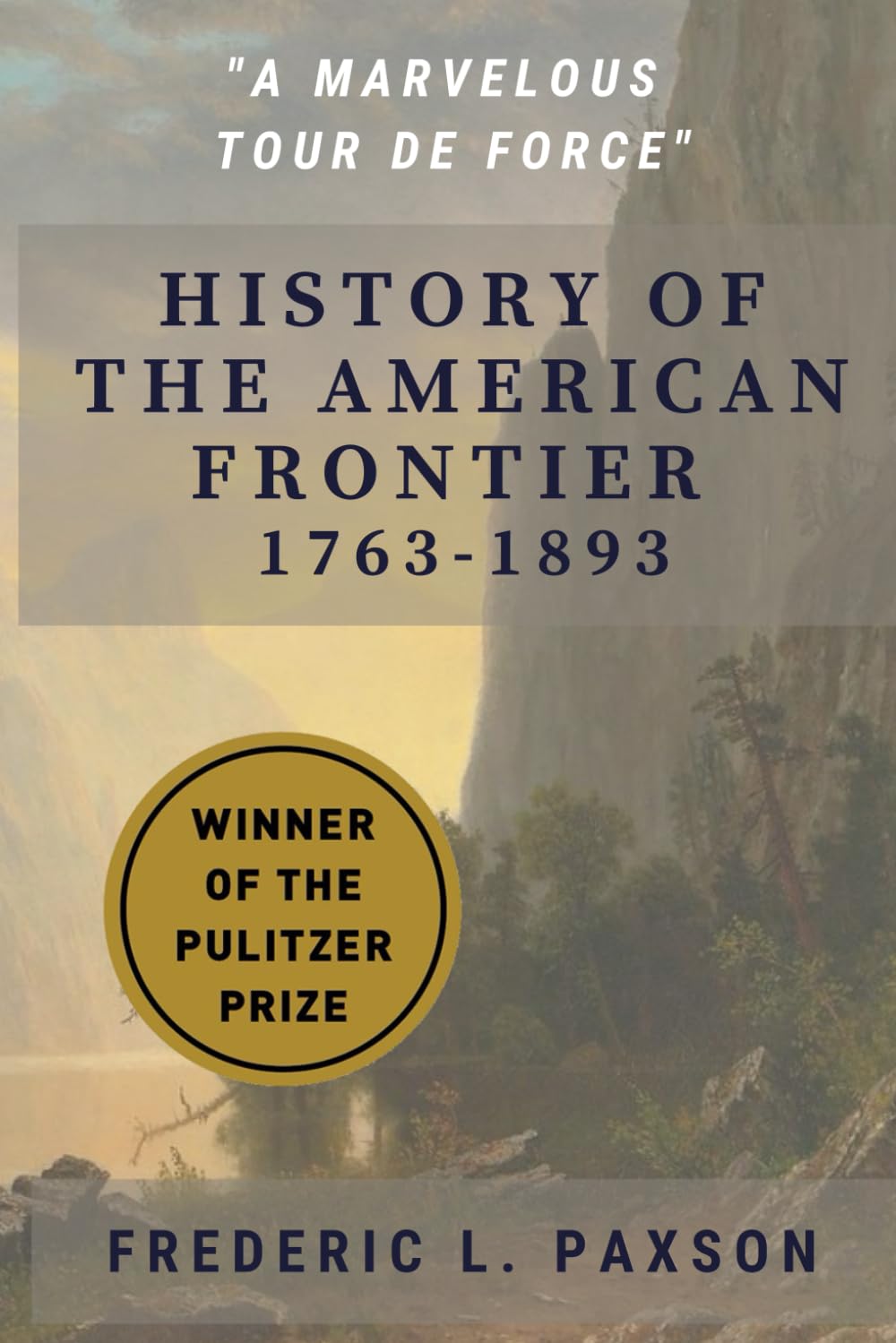
‘History of the American Frontier’ by Frederic L. Paxson
While some historians say Western Expansion began with the 1803 Louisiana purchase, I’m choosing to follow Frederic L. Paxson. The accomplished early 20th-century historian was a major in the Army, playing a vital role in the U.S. Army Center of Military History. He was also the president of the American Historical Association in 1938. But it is this work, nestled between those two personal eras, that stands out. His detailed book stretches far beyond the above timeline, starting in 1763 and ending in 1893. This very readable, yet very large work, discusses the migration westward, along with its political and social impacts. This longtime professor who dedicated himself to historical tasks was awarded the Pulitzer Prize in History in 1925 for this book.
Close Second: “Westward Expansion: A History of the American Frontier” by Ray Allen Billington
The Civil War, 1861-1865
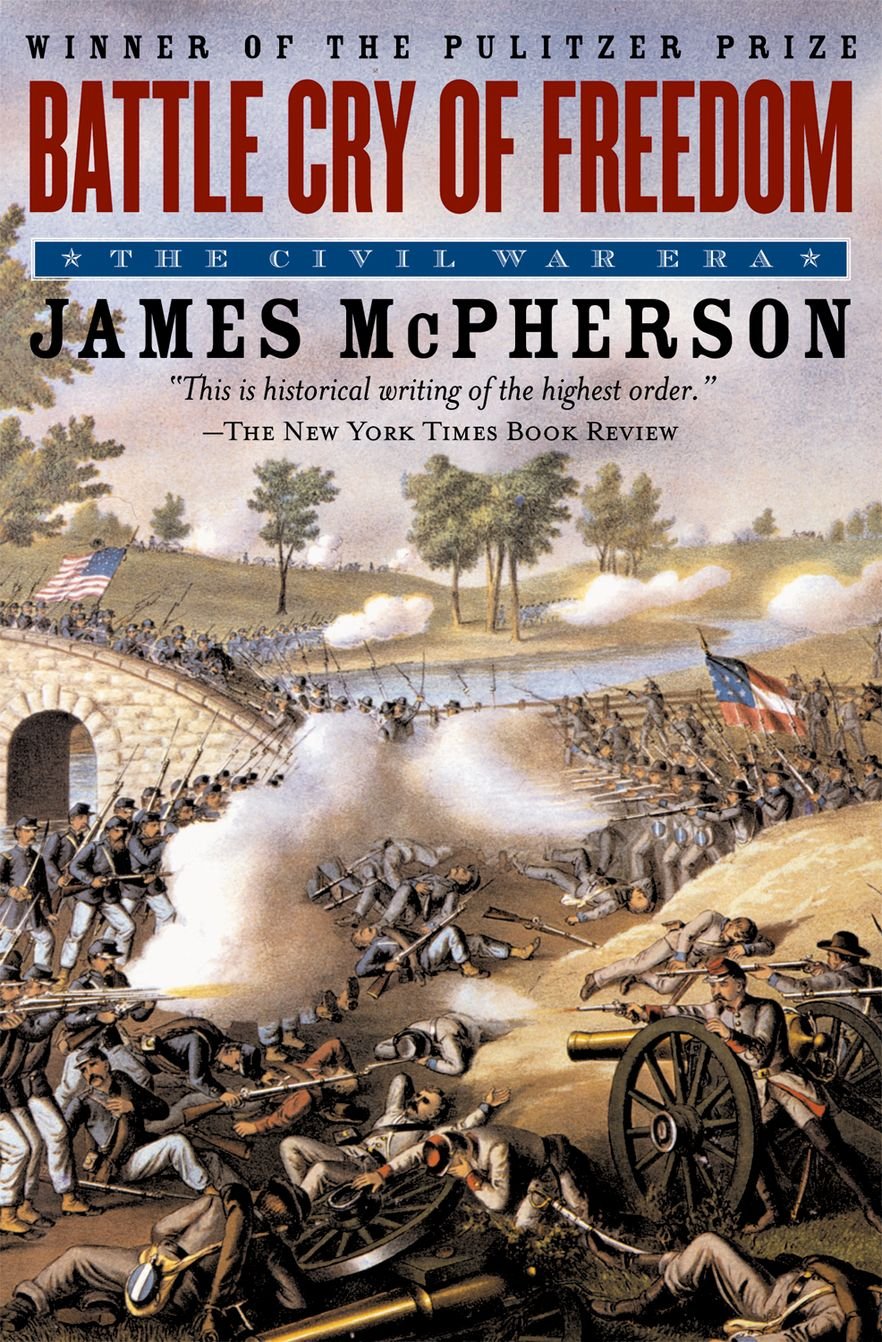
‘Battle Cry of Freedom’ by James McPherson
“And the war came,” as Abraham Lincoln poignantly stated in his Second Inaugural Address. McPherson’s instant classic offers readers insight into the political and social reasons that the war broke out. More importantly, it is a detailed and finely written overview of the Civil War, which discusses the consequences of the Union’s early reticence, Gen. Grant’s aggressive tactics, and the impact of blacks on the war. It was awarded the 1989 Pulitzer Prize in History and remains, deservedly so, as the best single-volume work on the war.
Close Second: “This Hallowed Ground” by Bruce Catton
The Gilded Age, 1866-1900
‘America in the Gilded Age’ by Sean Dennis Cashman
Originally published in 1984, it is now in its third edition. It’s a fully comprehensive view of the Gilded Age in all its glory and all its poverty. The phrase “Gilded Age” was coined by Mark Twain as a euphemism. Though the era shone a light on the “captains of industry” (also referred to as the “robber barons”) and the construction of great bridges, train stations, and skyscrapers, it also highlighted the glaring dichotomy between the haves and the have-nots. Cashman’s work is a near-instant classic of a legendary American era.
Close Second: “The Gilded Age in New York” by Esther Crain
Progressive Era, 1901-1929
‘The Age of Reform’ by Richard Hofstadter
Richard Hofstadter was a brilliant historian who died too young (54) from leukemia and still won two Pulitzer Prizes. His first was for this book in 1956. As the Progressive Era tended to do, it overlapped with the end of the Gilded Age, and in fact, the previous era was largely the reason for the following one. Hofstadter’s study of the political, social, and economic decisions, and their results, ranges from 1890 to the start of Franklin D. Roosevelt’s New Deal.
Close Second: “A Fierce Discontent: The Rise and Fall of the Progressive Movement in America” by Michael McGerr
The Great Depression, 1930-1941
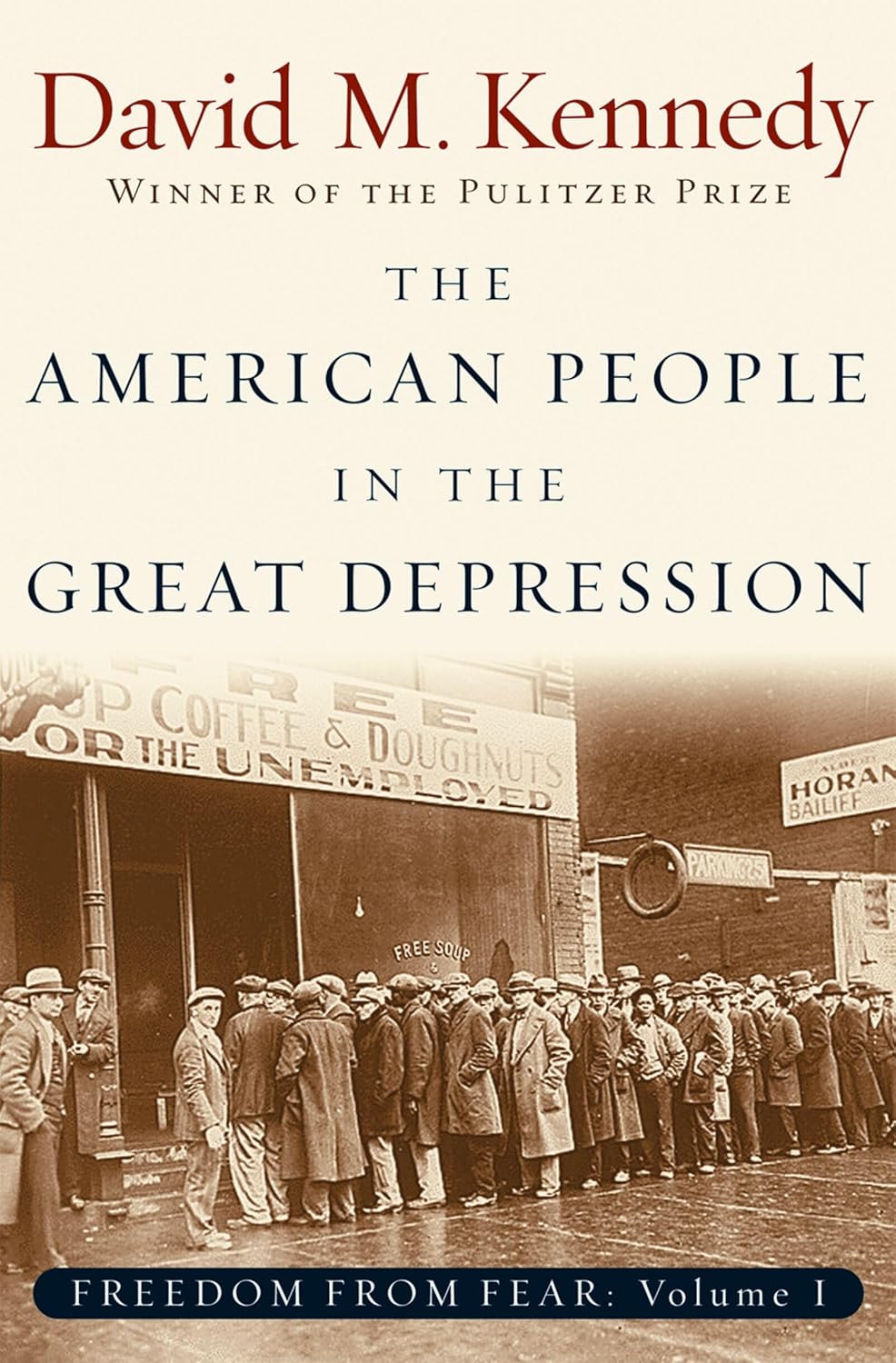
‘The American People in the Great Depression’ by David M. Kennedy
Speaking of the New Deal, one cannot think of the Great Depression Era without considering it. Much like Gordon S. Wood’s “Empire of Liberty,” this book is also part of the Oxford History of the United States series. So as not to break from the parameters, this recommendation is solely for the first volume of Kennedy’s two-volume “Freedom From Fear,” which was awarded the 2000 Pulitzer Prize in History. Kennedy’s study details the start of the Great Depression and how Americans responded to it. An incredibly inspiring and insightful work.
Close Second: “The Forgotten Man: A New History of the Great Depression” by Amity Shlaes
World War II, 1941-1945
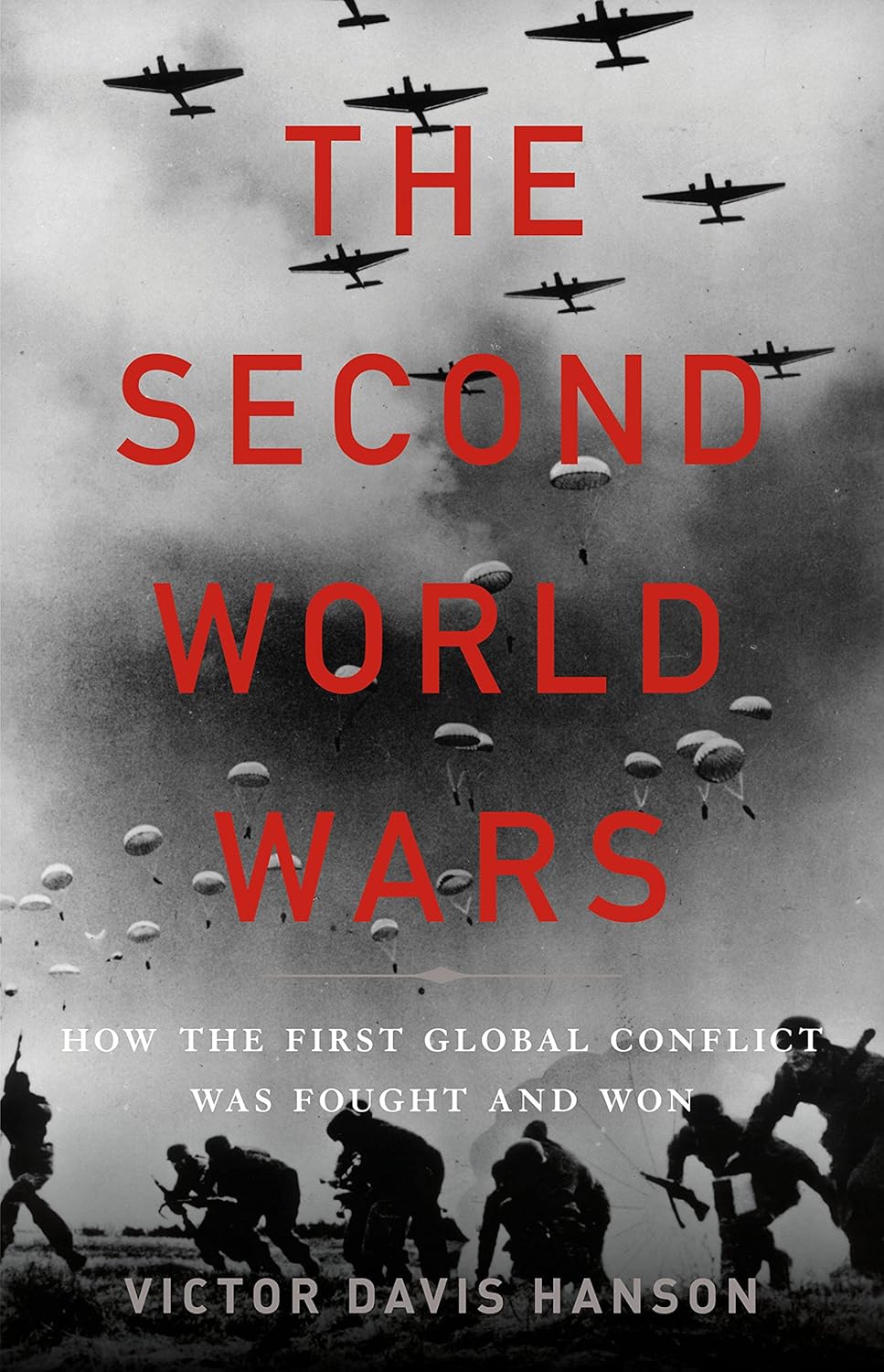
‘The Second World Wars: How the First Global Conflict Was Fought and Won’ by Victor Davis Hanson
Another living legend, Hanson presents World War II in fascinating detail with his traditional flair for engaging writing. Rather than follow a chronological pattern for the book, Hanson delves into the war’s methods of conflict: land, air, and sea. He details the reasons that led to the war, but more importantly, the reasons the Allies won and the Axis Powers lost. As a fellow classicist, Paul A. Rahe, noted, Hanson’s book is “an eye-opener.” Even World War II buffs can have the opportunity to see the war from a new perspective.
Close Second: “The Second World War: A Complete History” by Martin Gilbert
The Cold War, 1946-1991
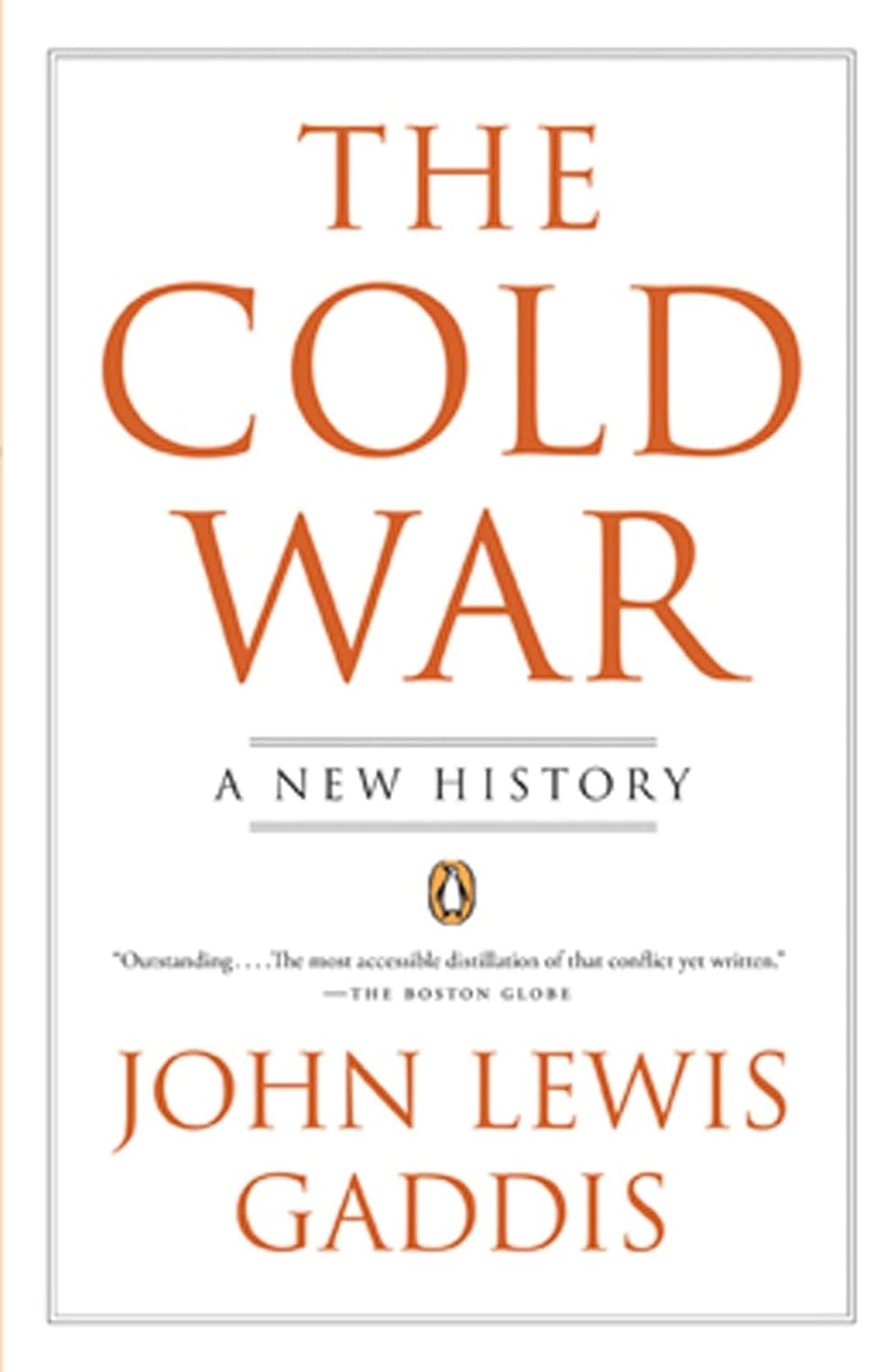
‘The Cold War: A New History’ by John Lewis Gaddis
Considered the “Dean of Cold War historians” and the winner of the 1973 Bancroft Prize for his “The United States and the Origins of the Cold War,” Gaddis guides readers through the decades of the long-standing Cold War between the Soviets and Americans. From the Berlin Blockade and the death of Stalin to the Cuban Missile Crisis and the fall of the Berlin Wall, Gaddis identifies and clarifies these significant late-20th-century moments. Readers are introduced to the major players of the standoff, from Stalin and Gorbachev to Truman and Bush. A book that will be difficult to put down and will demonstrate why the world looks and works the way it does today.
Close Second: “The Wise Men: Six Friends and the World They Made” by Walter Isaacson and Evan Thomas
What arts and culture topics would you like us to cover? Please email ideas or feedback to features@epochtimes.nyc.