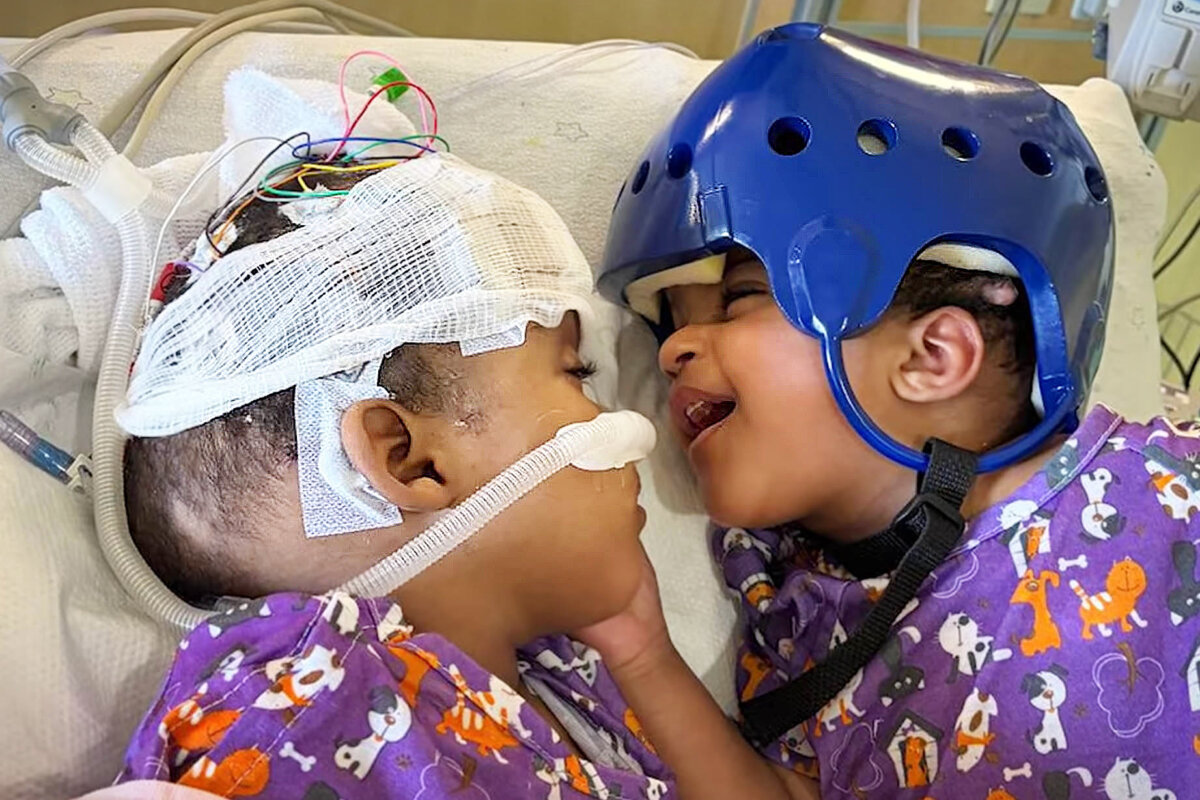
They pulled each other’s hair and felt each other’s faces, but the twin sisters Hiyab and Wuhbto never looked one another in the eyes for nearly the first two years of their lives.
The sisters, from war-scarred Aksum, Ethiopia, were born as conjoined twins of the craniopagus classification—a true medical anomaly. Fused at the tops of their heads from the widest parts of their craniums, the toddlers were bound permanently facing away from one another. While they could hear each other’s laughter and touch each other’s head, neither could see the face behind the voice.
That changed in February after a 24-hour marathon separation surgery at the SSM Health Cardinal Glennon Children’s Hospital in St. Louis, Mo. Hospital officials announced their successful operation on Sept. 16. Now in rehabilitation, Hiyab and Wuhbto are building separate lives, undergoing therapies to learn skills once impossible: sitting upright in separate chairs, eating independently, and socializing face-to-face.
 Twin sisters Hiyab and Wuhbto were born conjoined at the crown of their skulls. (SSM Health Cardinal Glennon Children’s Hospital)
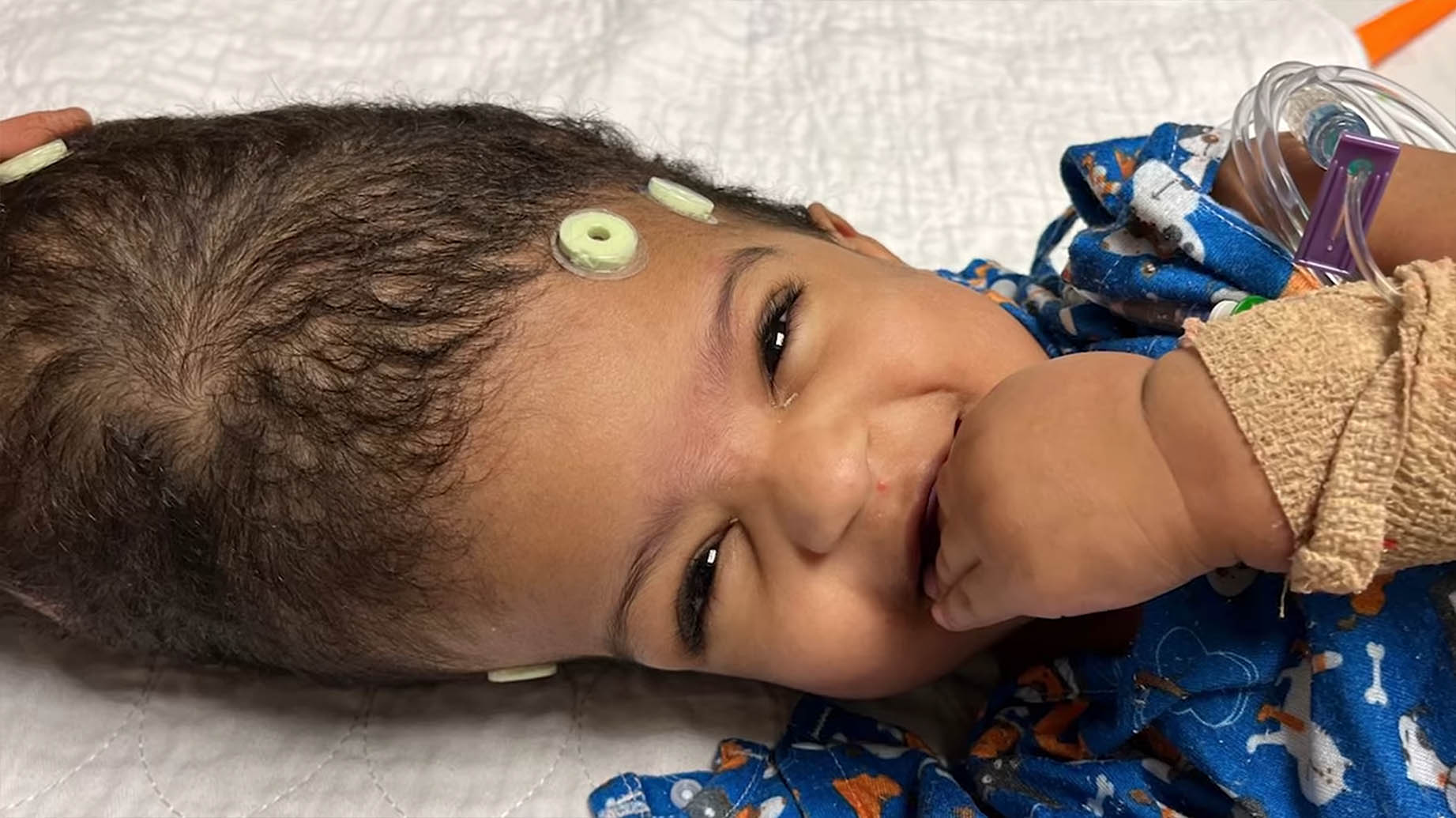 A close-up photograph captures the smile of one of the twins prior to her historic 25-hour separation surgery. (SSM Health Cardinal Glennon Children’s Hospital)
“The successful separation of Hiyab and Wuhbto represents far more than an extraordinary medical achievement,” Dr. Hossain Marandi, president of the hospital, said in a statement. “It is a powerful testament to what is possible when world-class pediatric expertise, compassion, innovation, and purpose come together in service of children.”
According to the hospital, craniopagus cases occur roughly once in every 2.5 million live births, and in only 6 percent of conjoined twins. Only one other operation of this kind had ever been performed in St. Louis, and that was in the 1980s. Just 62 separation attempts have been made worldwide.
In the case of Hiyab and Wuhbto, the surgery was led by Dr. Joanna Kemp. She and her a 60-person team made medical history when they gave the sisters a chance to live independent lives.
After the girls were born in March 2024, their parents wanted to give them a shot at a normal life. Although the Lola Children’s Home in Ethiopia was able to provide better baseline care than the family could, the sophisticated surgery required to separate them was far beyond reach in their home country.
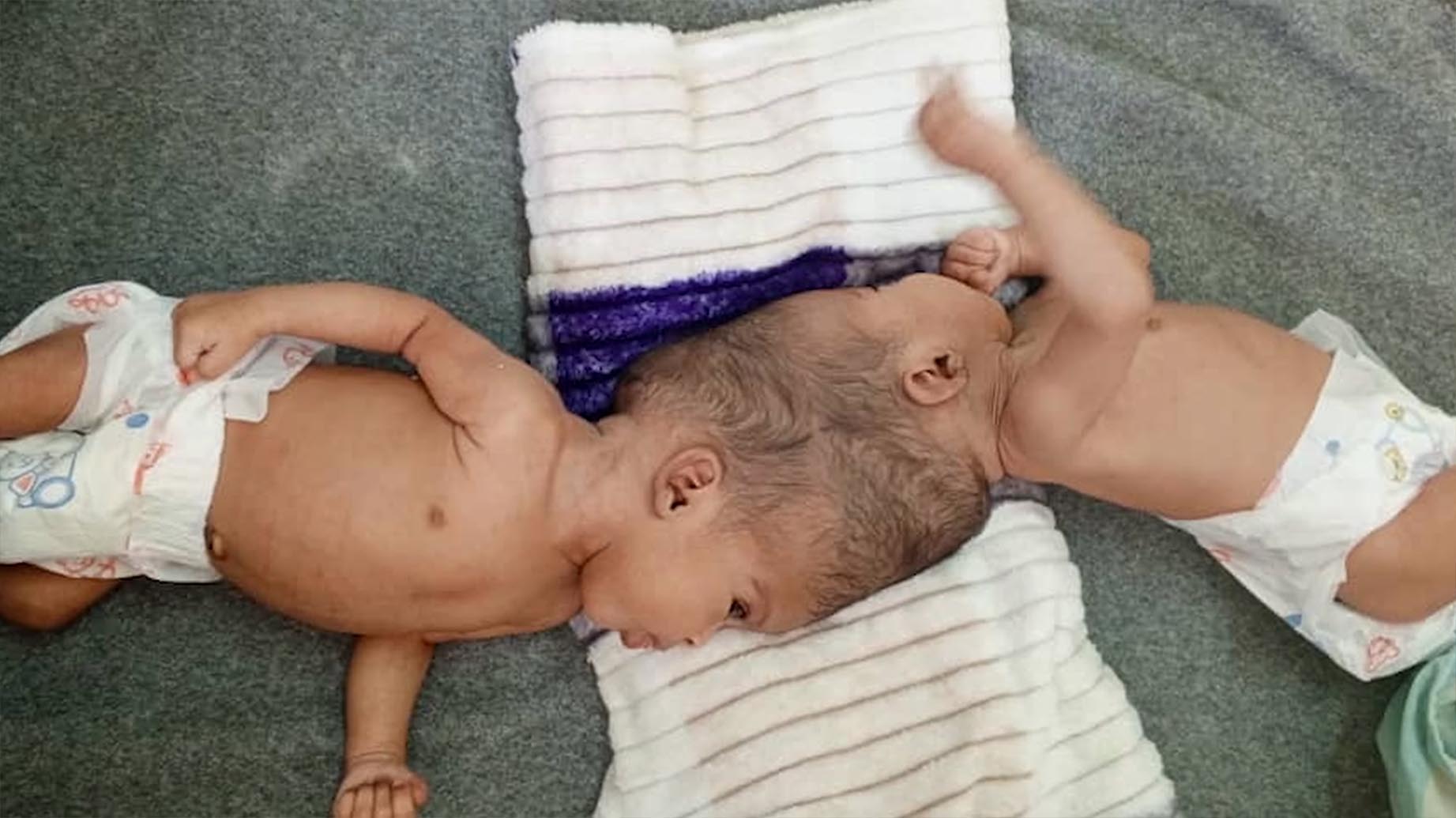 (SSM Health Cardinal Glennon Children’s Hospital)
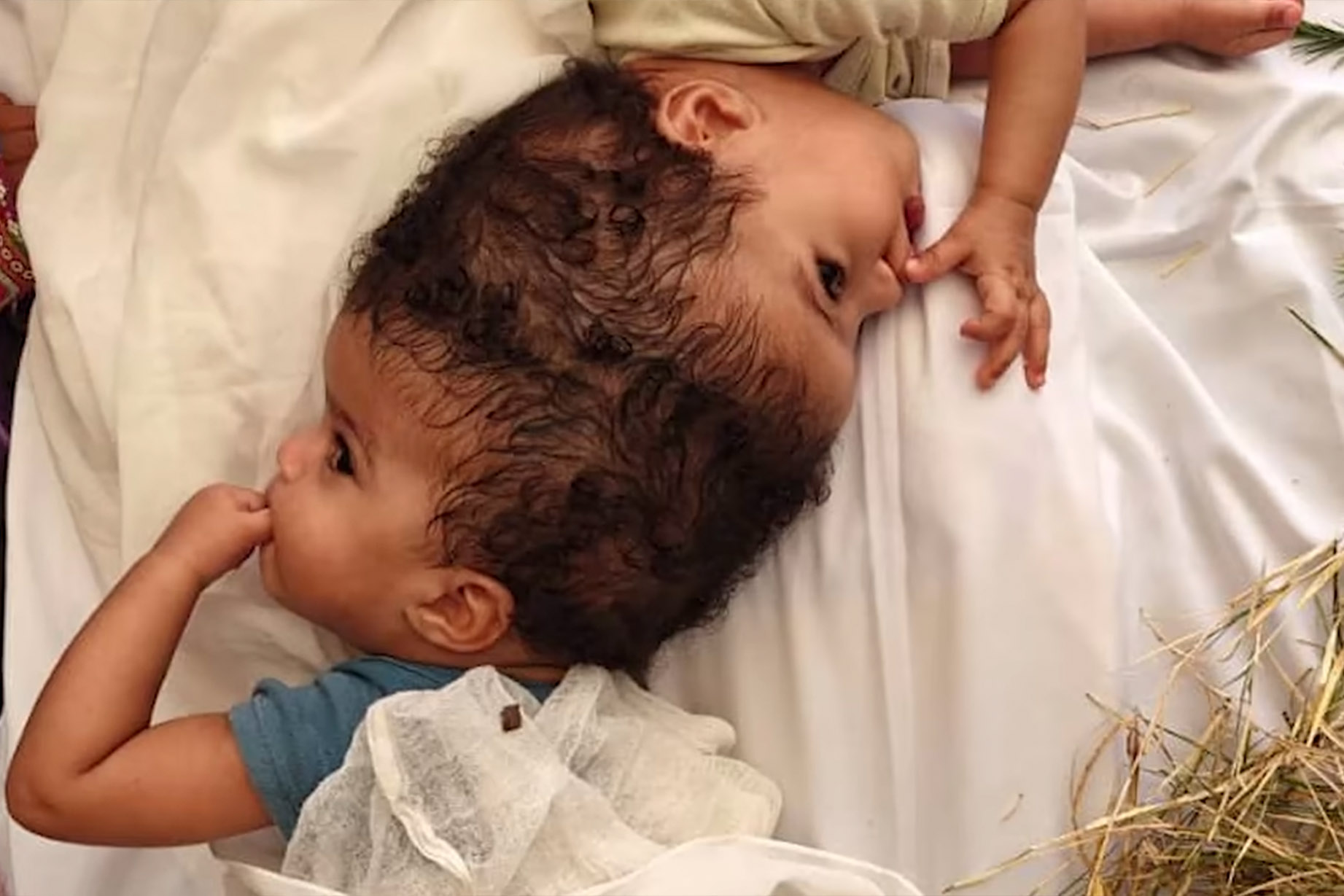 The conjoined twins lie together early in their medical journey. (SSM Health Cardinal Glennon Children’s Hospital)
The wheels began turning to send them overseas after Dr. Andrew White, chief medical officer at Cardinal Glennon, learned about the twins through a call from a colleague. He deemed the hospital was equipped to take on the case, despite its extreme rarity. They even reached out to the team who performed the procedure in the 1980s.
The complexity of Hiyab and Wuhbto’s operation demanded expertise from almost every corner of pediatric medicine. Diagnostic scans revealed that the girls’ brains were structurally separate, though their skulls were fused together and they shared a complex, interconnected venous system. An immediate, single-stage operation would have resulted in fatal hemorrhaging or catastrophic strokes.
To mitigate these risks, the surgeons planned a series of six procedures over 12 months to gradually untangle a network of veins, assigning each to one child. Plastic surgeons utilized balloon-type tissue expanders beneath their scalps to gradually stretch the skin, ensuring adequate tissue growth to close both cranial wounds after separation.
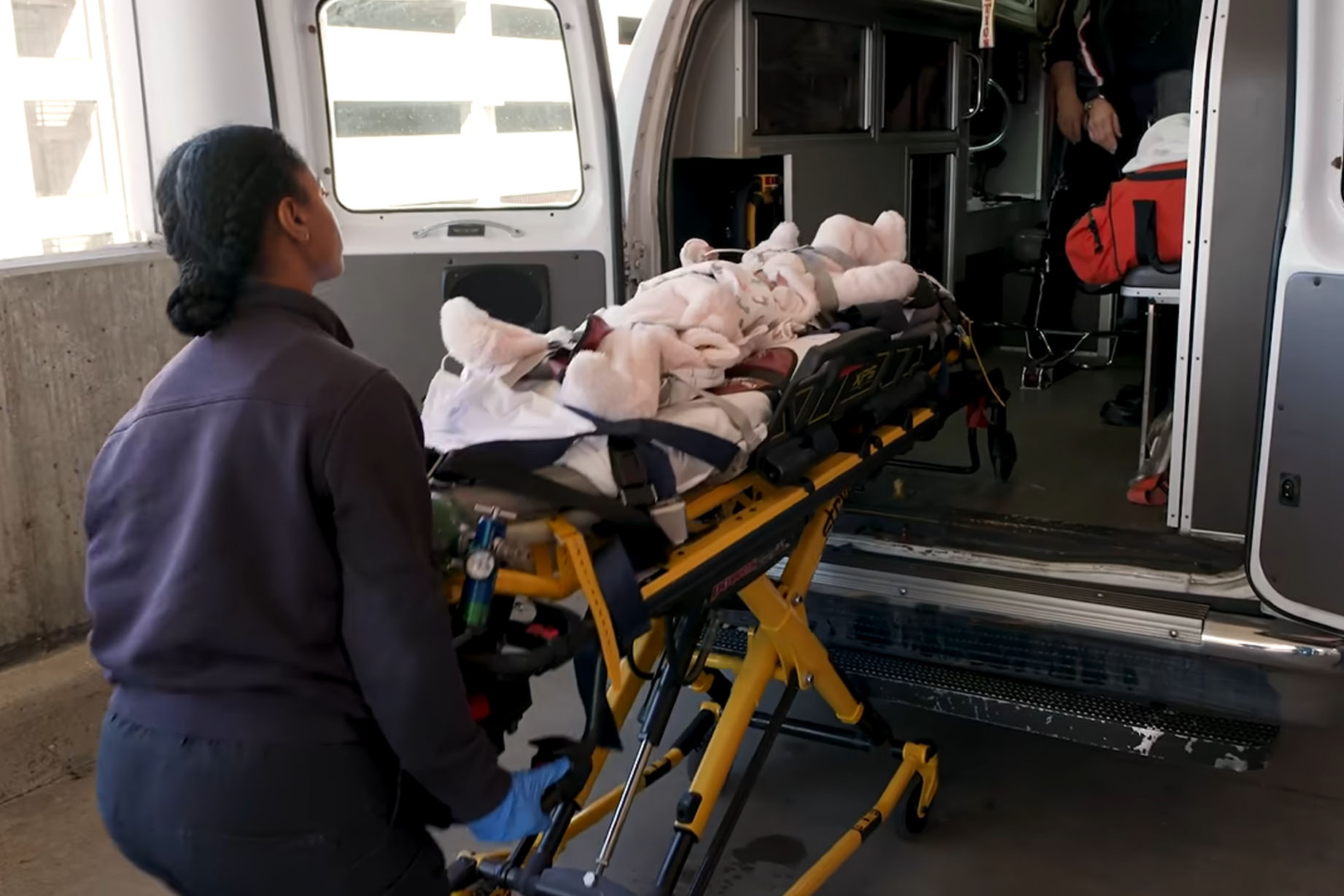 A transportation team takes the conjoined twins from a vehicle upon arrival in St. Louis in March 2025. (SSM Health Cardinal Glennon Children’s Hospital)
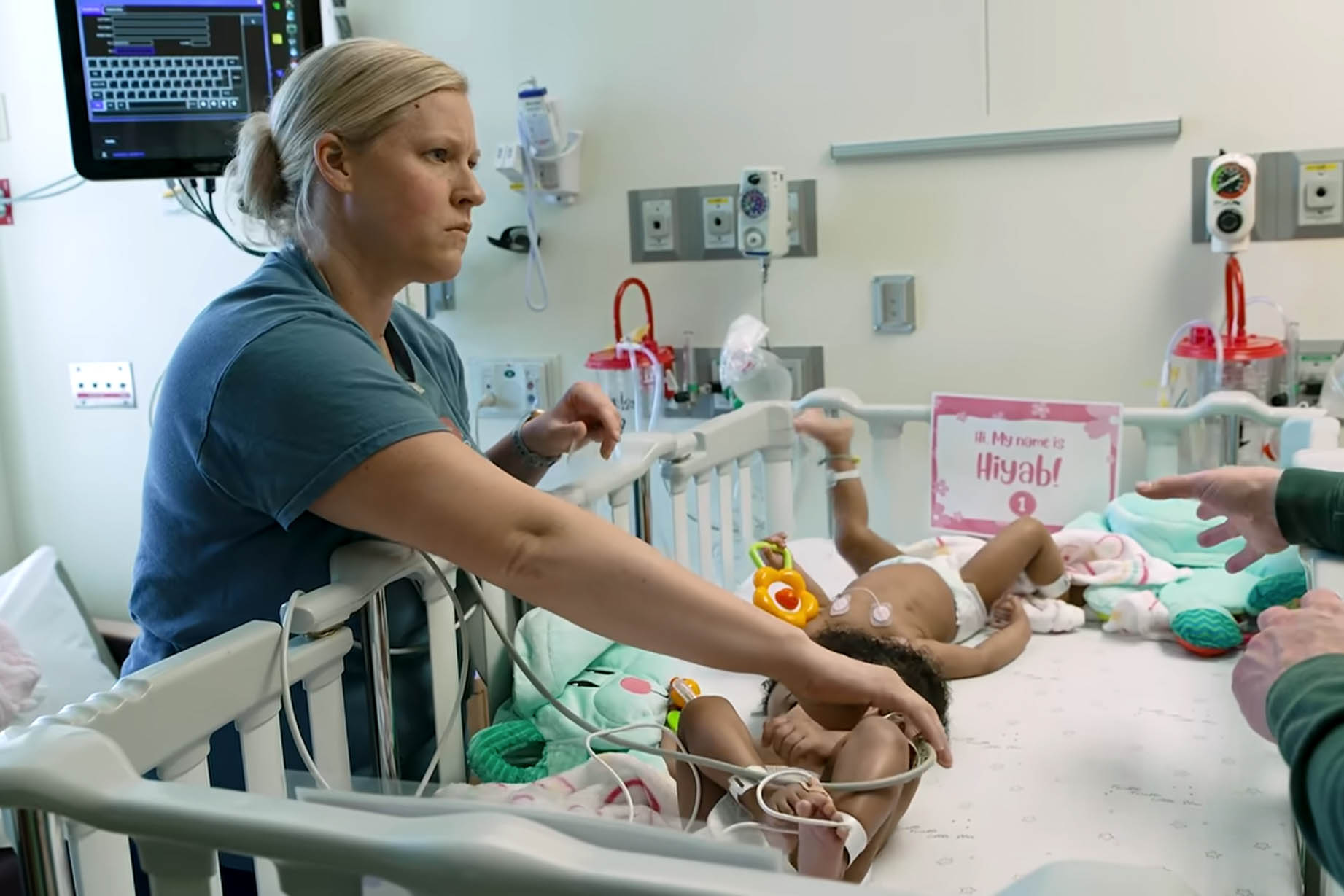 A medical professional monitors one of the conjoined twin sisters prior to having surgery at SSM Health Cardinal Glennon Children’s Hospital. (SSM Health Cardinal Glennon Children’s Hospital)
The sisters arrived in St. Louis just days before their first birthday in the spring of 2025. World Pediatrics handled their flight across the Atlantic and care overseas. Their inpatient stay was hosted at Ranken Jordan Pediatric Bridge Hospital. The multimillion-dollar medical costs were covered by partners, charities, and private donations. The parents failed to obtain visas and so remained in Ethiopia.
“The most advanced medical care cannot change a child’s life if that child cannot reach it,” said World Pediatrics chair Linda Norman, adding that the nonprofit is “deeply grateful” to its partners.
In St. Louis, Dr. Kemp’s team faced thin margins of error. The medical staff spent more than 300 hours meticulously planning and rehearsing. The hospital utilized advanced 3D-printing technology to construct high-fidelity physical models of the twins’ anatomy, allowing surgeons to practice moving intracranial structures and making cuts using virtual reality systems.
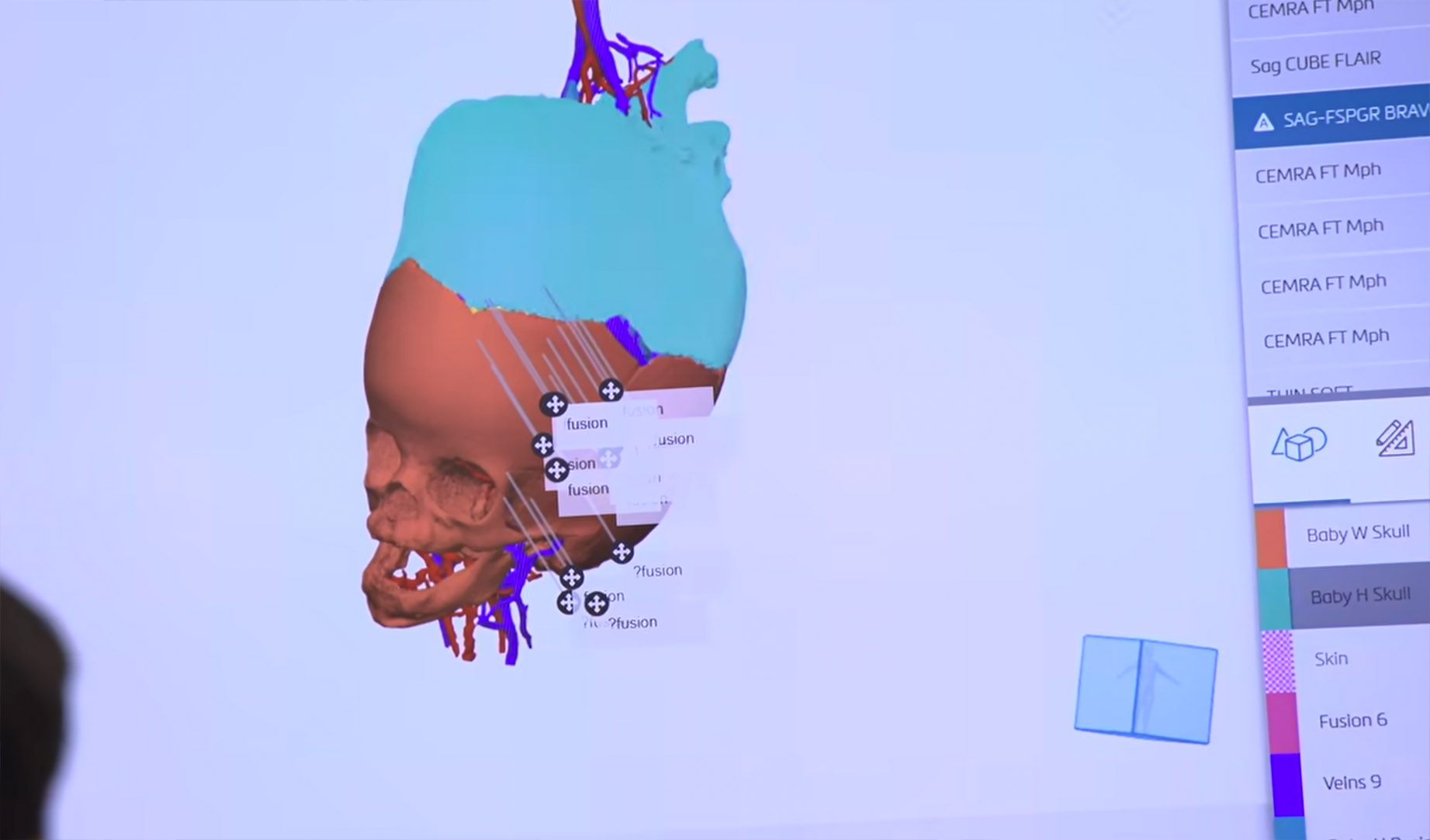 A digitized 3D rendering displays the intricate cranial and vascular anatomy of the conjoined twins. (SSM Health Cardinal Glennon Children’s Hospital)
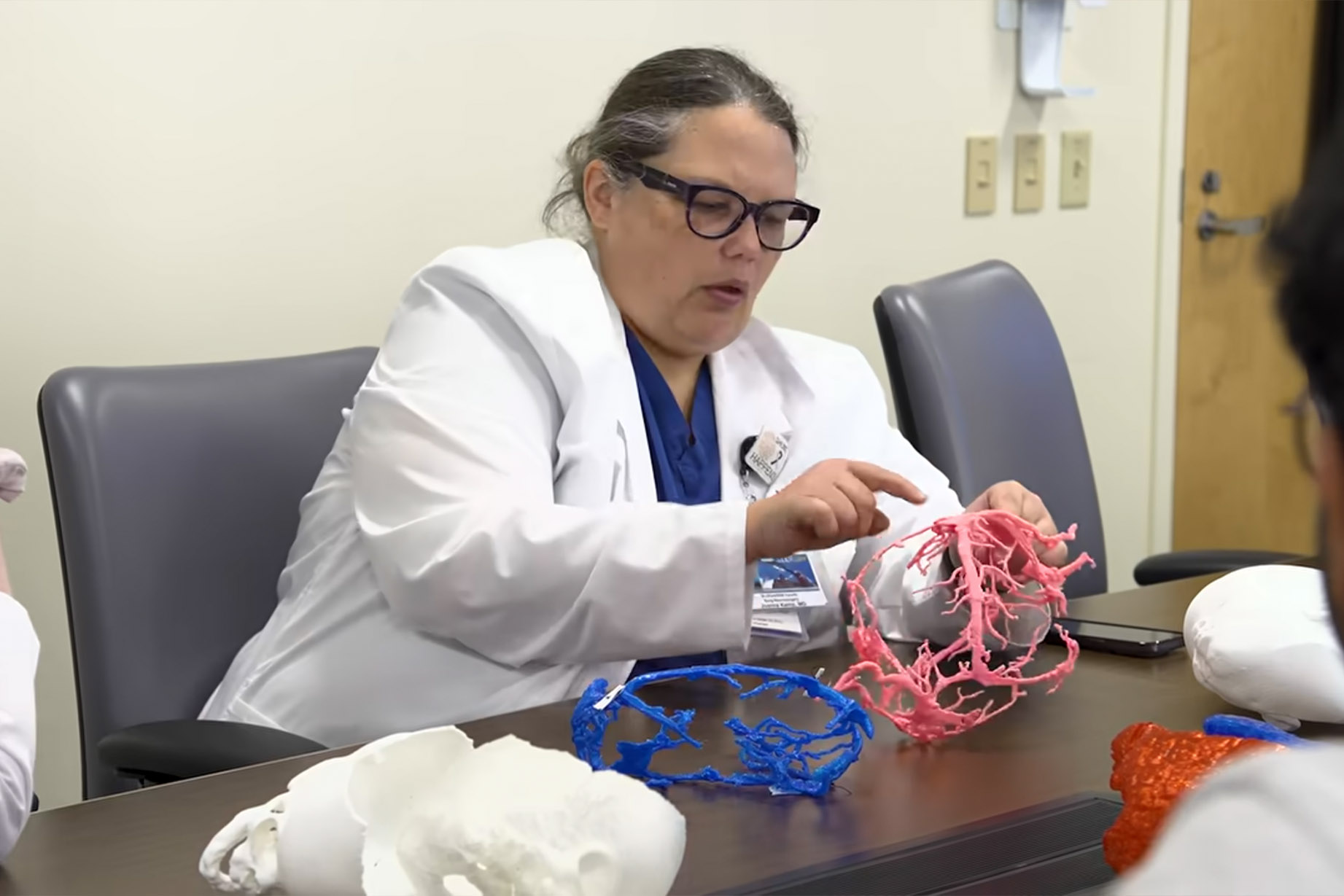 Dr. Joanna Kemp examines a high-fidelity 3D-printed replica of the twins’ interconnected venous system ahead of the milestone surgery. (SSM Health Cardinal Glennon Children’s Hospital)
“Successful surgical separation of craniopagus twins requires sublime precision, meticulous attention to detail,” Dr. White said. “Every decision was guided by our commitment to achieve the best possible outcomes, giving these girls the opportunity to grow and thrive.”
On Feb. 24, the day of the operation, the twins lay together on a single table in the operating room. After an intensive 24 hours under surgical microscopes, the physical separation was complete. Hiyab and Wuhbto were immediately moved onto separate operating beds rotated 180 degrees from one another. Two separate surgical teams then continued to operate on each sister separately.
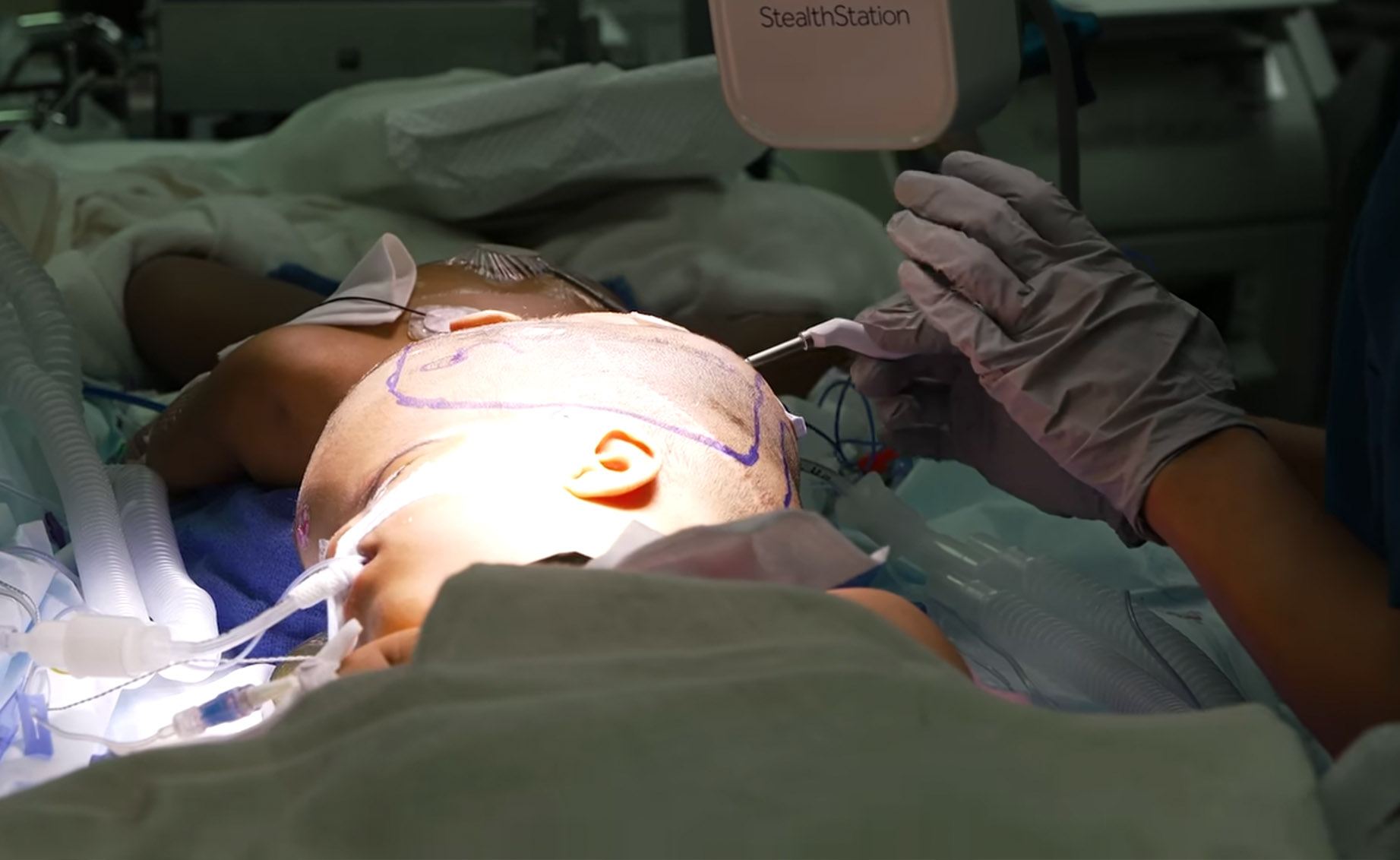 Members of a 60-person multi-disciplinary medical team prepare the operating theater on Feb. 24, 2026, moments before beginning the final separation procedure. (SSM Health Cardinal Glennon Children’s Hospital)
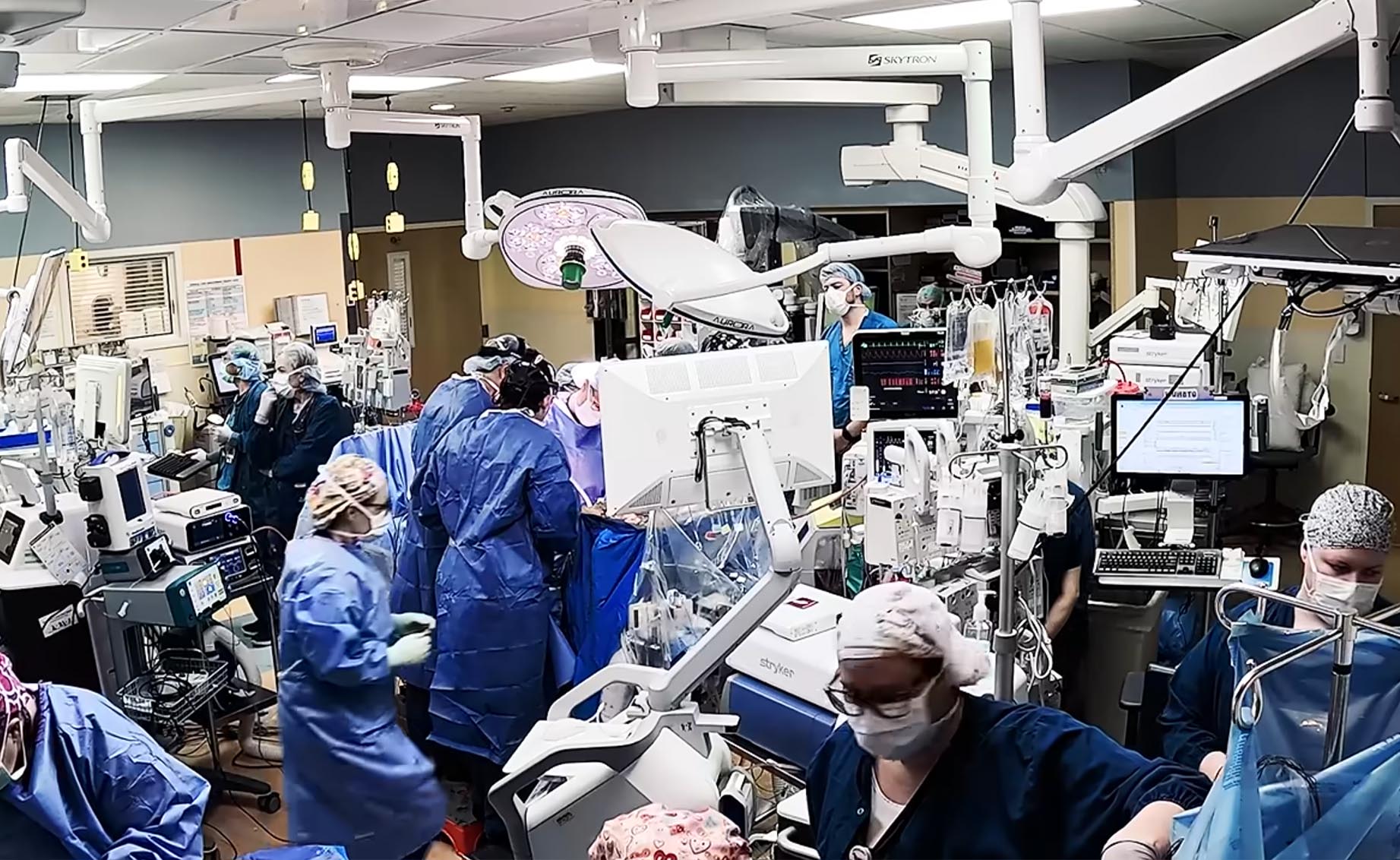 A multi-disciplinary array of more than 60 medical professionals fills the custom-configured operating theater during the 24-hour marathon procedure. (SSM Health Cardinal Glennon Children’s Hospital)
After surgery concluded, the two beds were wheeled out of the theater and into the recovery unit. Caregivers arranged Hiyab and Wuhbto to face each other when they woke up.
When the heavy surgical sedation eventually cleared, the twins woke up to a new spatial reality, looking into each other’s eyes. Each sister’s personality has now begun to shine in a different way. Hiyab is the social butterfly, the sister who once flipped her sibling over to greet a familiar face but now loves to welcome them with a smile. Wuhbto is always on the go and isn’t shy about letting staff know about her toys.
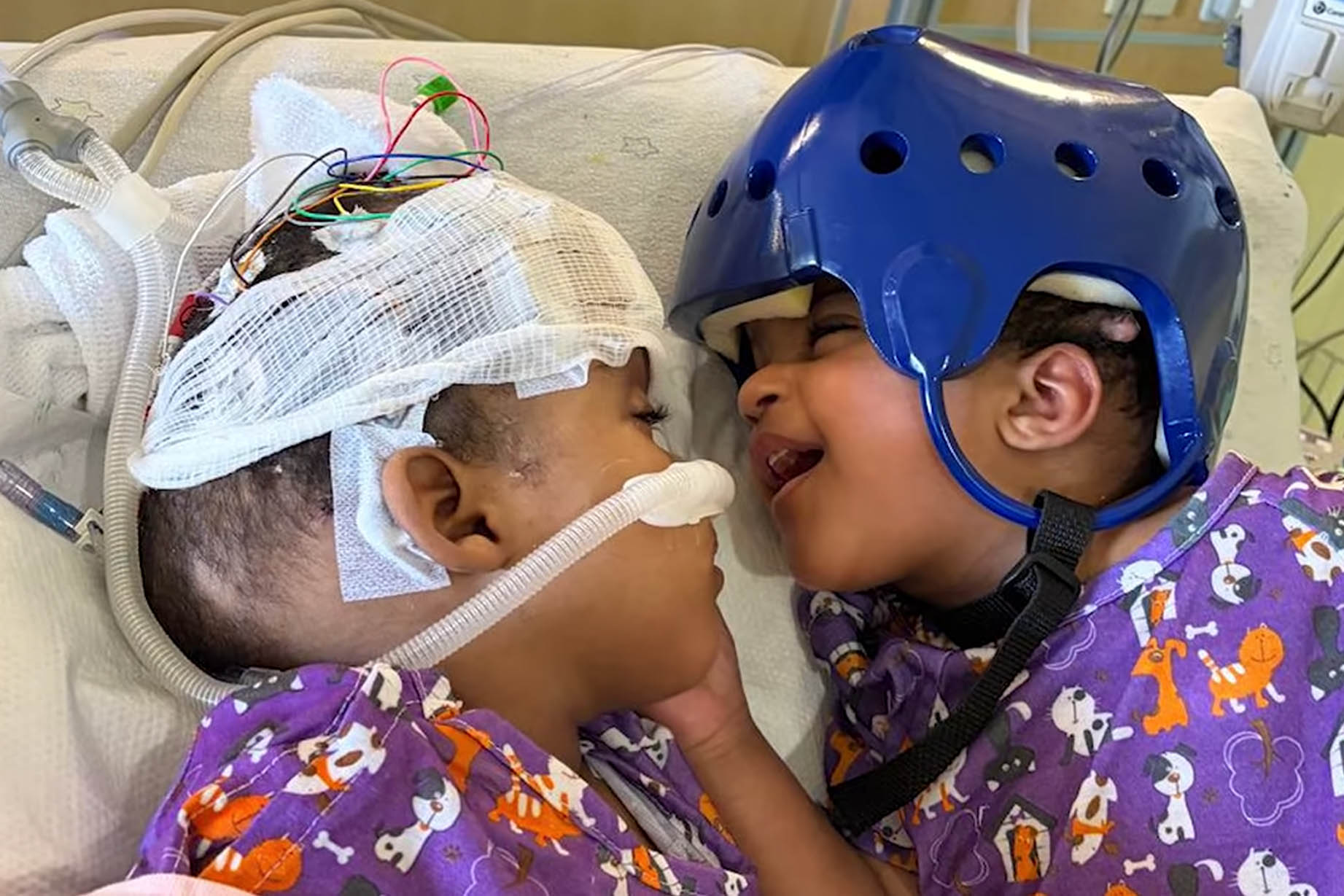 Twin sisters Hiyab and Wuhbto interact in a hospital recovery room following their successful separation. (SSM Health Cardinal Glennon Children’s Hospital)
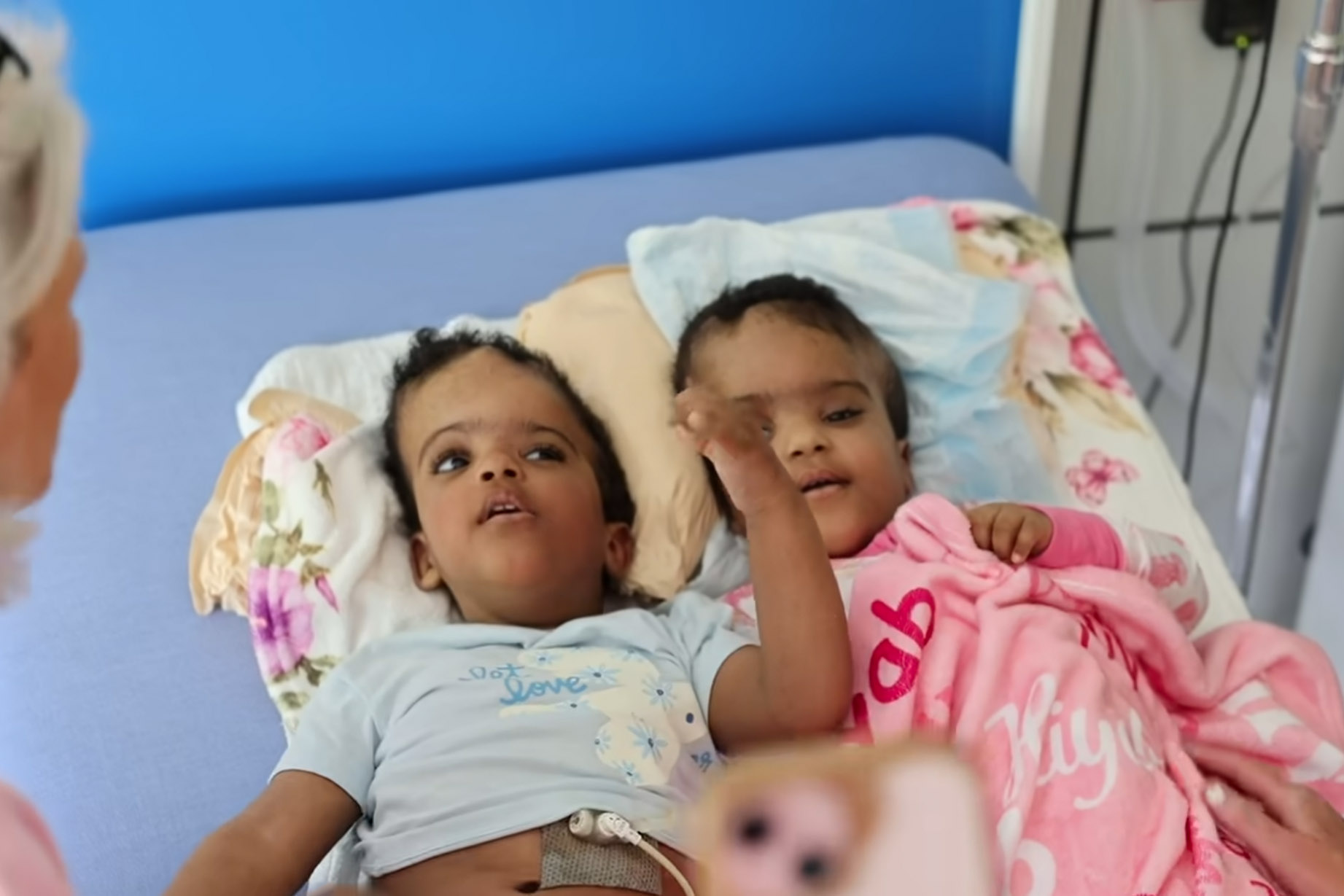 Hiyab and Wuhbto lie side-by-side during a post-operative visit following their historic cranial separation. (SSM Health Cardinal Glennon Children’s Hospital)
“Our goal was never simply to just achieve a successful separation,” Dr. Kemp said at a press conference on Sept. 26. “Our goal was to create opportunities that they otherwise would not have had, while preserving their greatest potential for continued growth and development.”
Now the twins are busy developing skills and learning to lead ordinarily, separate lives. Wuhbto recently underwent a follow-up cranioplasty operation to mend her skull cavity, while Hiyab is scheduled to undergo her own reconstruction surgery later this fall.
They still pull each other’s hair and touch each other’s faces—but now they’re locking eyes in laughter.