There is a fashionable modern belief that intellectual life belongs to latte drinkers and university graduates.
Jonathan Rose, in The Intellectual Life of the British Working Classes, presents a less lavish alternative.
The real intellectual heavy lifting in 19th-century Britain was being done by people covered in coal dust.
Miners, Mill Workers, Cabinet Makers Were the Engines of Culture
After 14 hours underground, they didn’t collapse onto sofas; they picked up Shakespeare, Milton, Dickens, and even Plato—with a seriousness that makes our modern “to be read” piles look like decoration.
One miner read Paradise Lost by candlelight in the pit. Another taught himself Latin once he got home. Plenty learned politics from Ruskin and Darwin after dinner, not from social media infographics.
When the State Failed Them, They Built Libraries Themselves
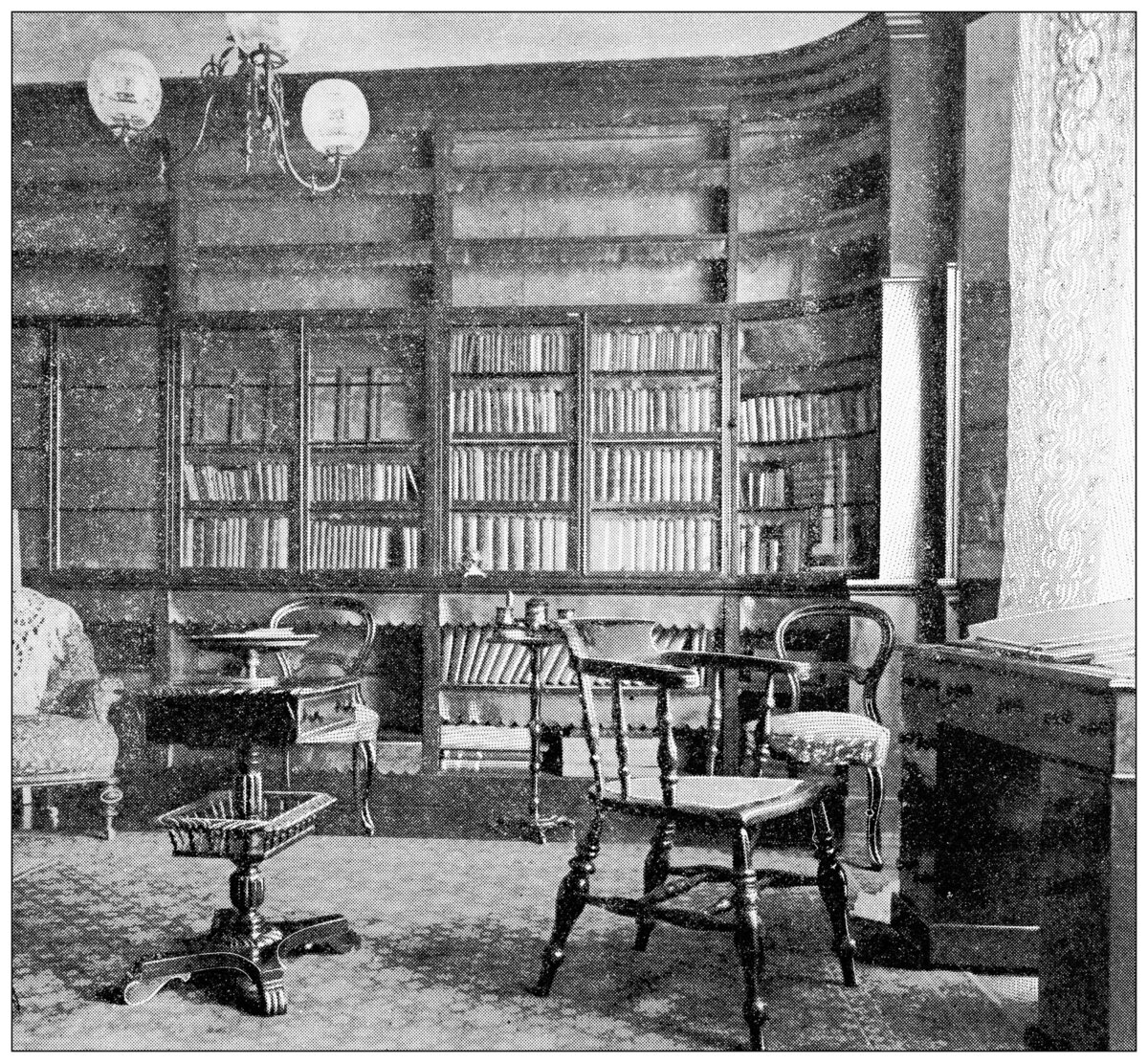
Workers in industrial Britain built their own intellectual infrastructure from scratch.
Across Wales, Lancashire, Yorkshire, Durham, and Nottingham, you find:
- Co-operative libraries funded from workers’ wages
- Mechanics’ Institutes hosting lectures in science, literature, and economics
- Workmen’s Halls, like Tredegar—functioning as community universities
- Radical reading societies with more nuance than most modern political panels
- Women’s Co-operative Guild circles, studying history and economics long before universities admitted them
They became the backbone of a national reading movement and one serious enough to produce its own poets, orators, union leaders, and social critics.
If intellectual life belonged anywhere in 1880, it was in the pit villages of South Wales, not the drawing rooms of Bloomsbury.
Books Were Weapons
Working-class readers didn’t read for ambience or identity or hashtags.
They read to understand the world. They read to push back against it. They read to equip themselves for lives that were hard, short, and politically volatile.
Their reading lists were gloriously incompatible: Dickens and the Bible, Ruskin and Penny magazines, Aristotle, Chartist pamphlets, and the occasional radical tract smuggled in from Manchester.
No algorithms. No echo chambers. Just people thinking.
Richard Burton’s Father
And if you want to understand the force of that working-class mind, consider Richard Burton’s description of his father, who was a Welsh miner who spoke perfect English (sometimes pretending he couldn’t) and assessed a coal seam with the same reverence scholars reserve for manuscripts.
Burton remembered him studying the coalface “as some men talk about women,” tracing its black, shining ribbon, making a precise, almost surgical mark, and bringing down 20 tons of coal with one perfect blow. It was skill, intellect, geometry, memory, and a whole philosophy of labour expressed through a half-headed pick.
Miners, Burton said, considered themselves “the aristocrats of the working class.”
They walked with an “arrogant strut,” buttocks of granite and an underworld-born confidence. They were bilingual and instinctively analytical.
Rose doesn’t sugarcoat the past in his book. Miners’ lives were dangerous and short. But he does note a brutal truth: They read more than we do.
The Decline Came From Entertainment
Cinema, then television, then streaming: Each nudged serious reading further to the margins. The radical self-education tradition withered because distraction gained convenience.
The Cambridge work on 19th-century working-class libraries makes this painfully clear. Those spaces were built on sacrifice. Now we have public libraries no one enters, and digital platforms no one escapes.
We have more light, more time, more books, and more access—yet less intellectual ambition.
The great works of Western literature were never elitist. The elites merely behaved as if they were.
It was working-class readers who kept Shakespeare alive. Miners who read the Greeks while their social betters were still perfecting small talk.
Their reading rooms may have disappeared, their libraries absorbed or forgotten, but their legacy remains a standing rebuke to a culture that has outsourced its attention span.
And it leaves us with an awkward question:
If miners underground could read Milton by candlelight, and men like Burton’s father could bring down twenty tons of coal with a single blow and debate in two languages, what exactly is our excuse for not reading anything more demanding than a text message?