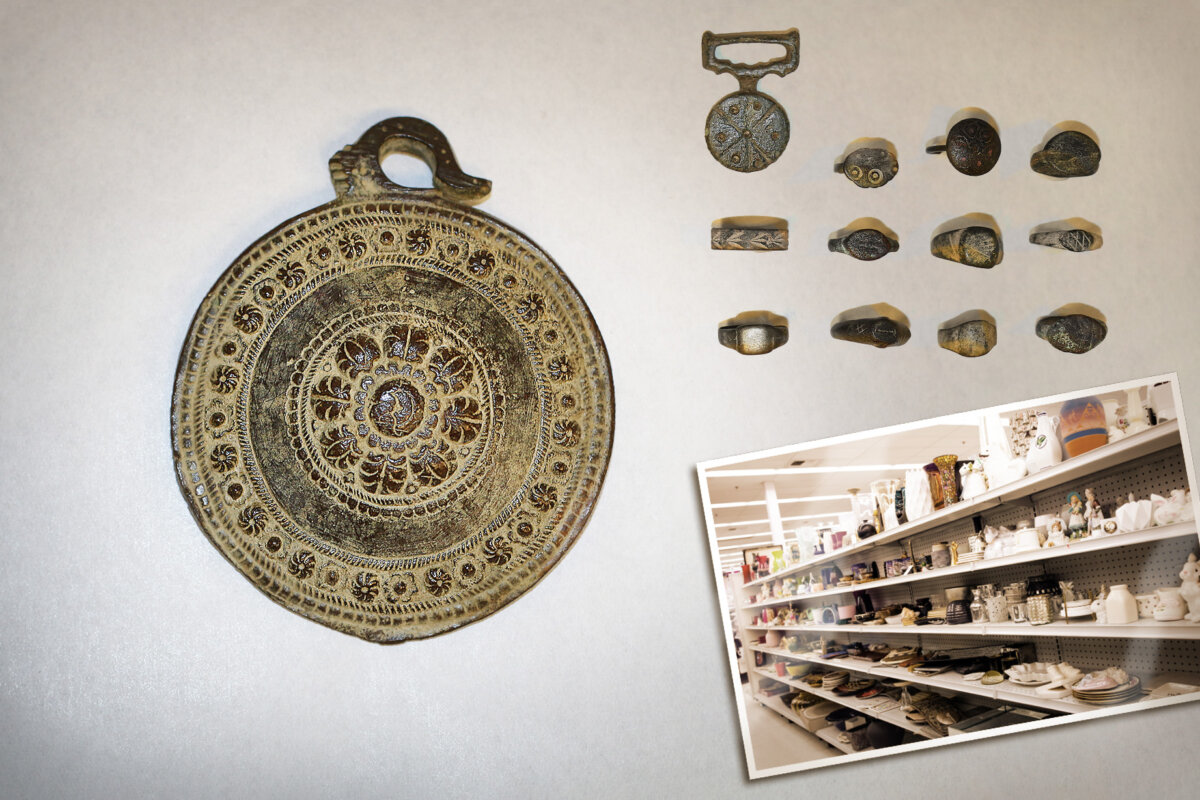
The price tag on the motley of thrift store trinkets was only $30.
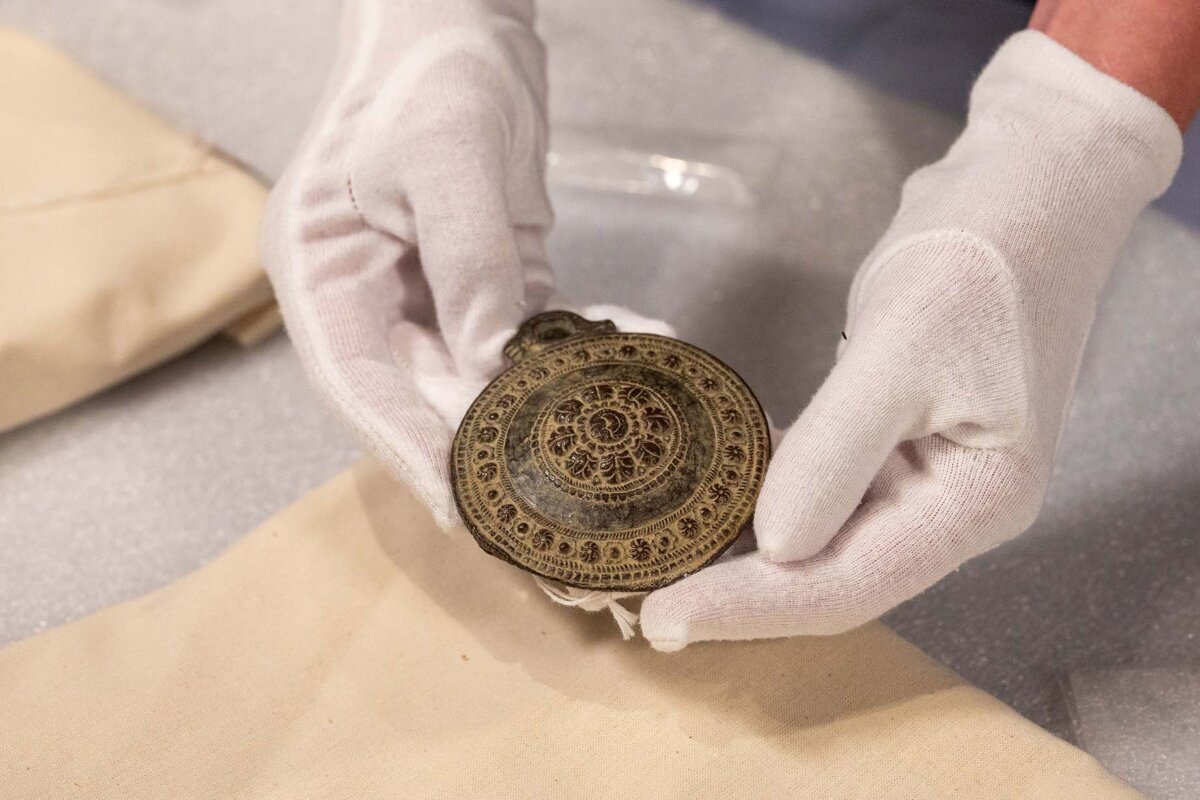
A tidy collection of 11 antique rings and two intricately decorated old medallions was found by a customer at the Thrifty Boutique, owned by the Chilliwack Hospice Society in British Columbia. It’s unclear who donated them, but the customer, who has a background in archeology, saw hidden value in the items and informed the store’s volunteer staff that the stash’s significance could be grossly underexaggerated.
It turned out that the rings and medallions could be as ancient as Roman times.
“Thrifty Boutique offers an upscale thrift shopping experience where you can discover unique new and pre-loved items, many of them treasures—metaphorically and, as it turns out, quite literally,” said Sue Knott, executive director of the Hospice Society, in a press release.
The objects apparently were of far less worth to this store of chic second-hand style items than they were to local students of archeology hoping to understand history and how to assess ancient artifacts. So Knott said she was all too happy to hand them over to Simon Fraser University in nearby Burnaby for further study.
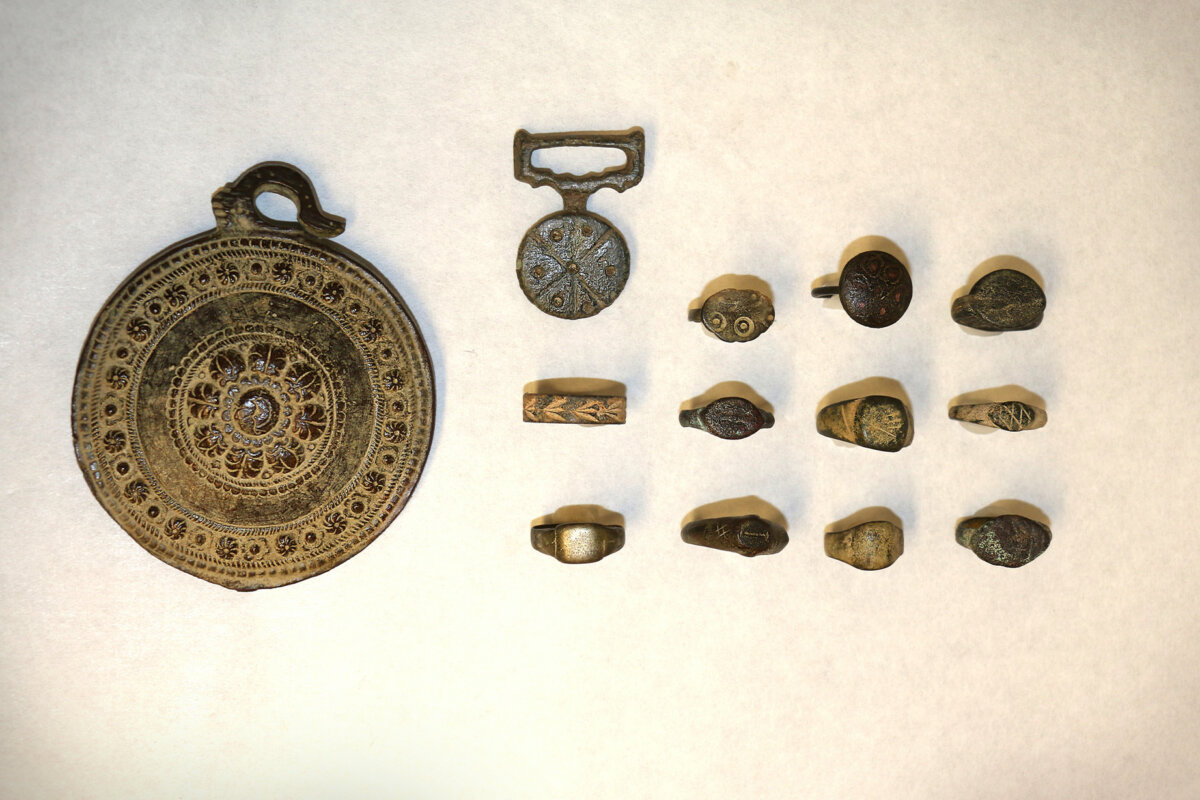
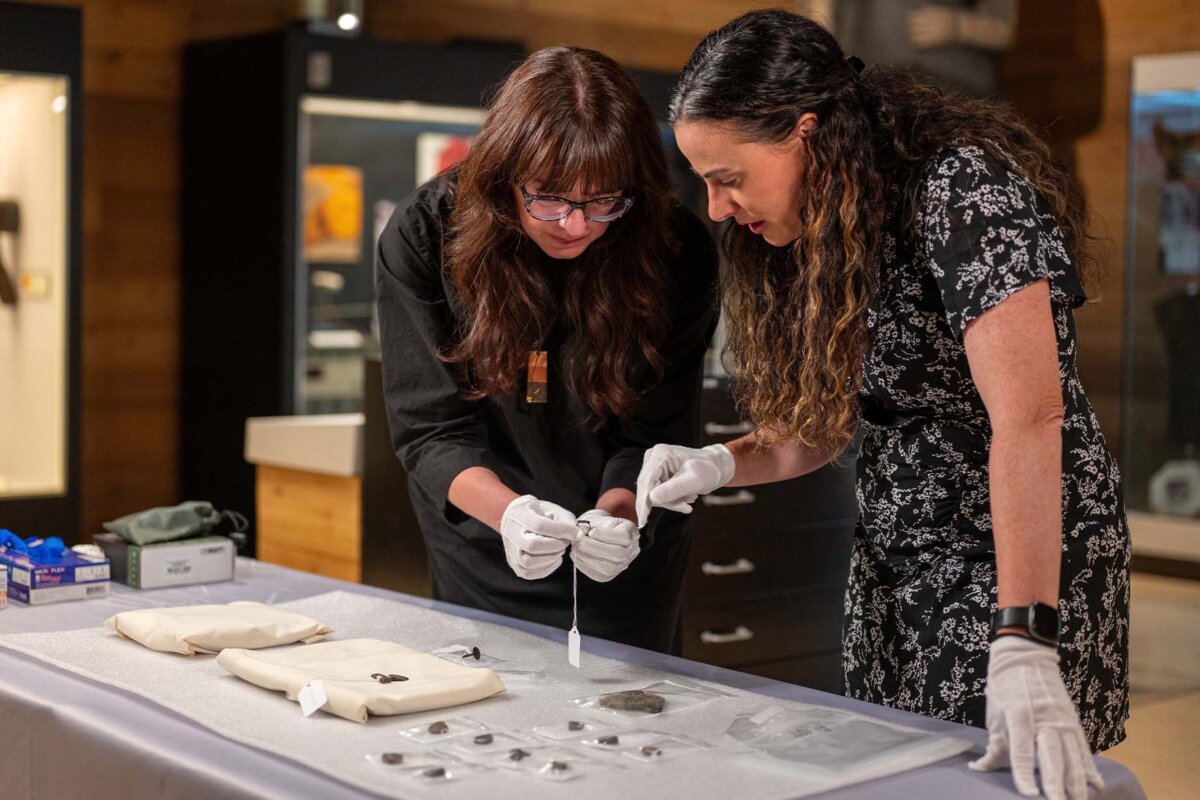
The first expert to appraise the antiques was Sabrina Higgins, an associate professor of global humanities and archaeology who specializes in Roman and late antique artifacts. Higgins says they likely aren’t Roman but probably hail from medieval times.
“I think they most likely originate from somewhere within the boundaries of what was once the Western Roman Empire,” Higgins said. “The shapes, designs, and construction make me think that these are medieval, as the Romans typically used slightly different materials and techniques.”
Concerns about the thrift store items’ undisclosed origins, however, made university museum staff leery about accepting them, as they could have been plundered from an archeological site somewhere or belong to another scientist. Museums don’t normally accept artifacts without proper documentation and have thus had to confront related ethical questions.
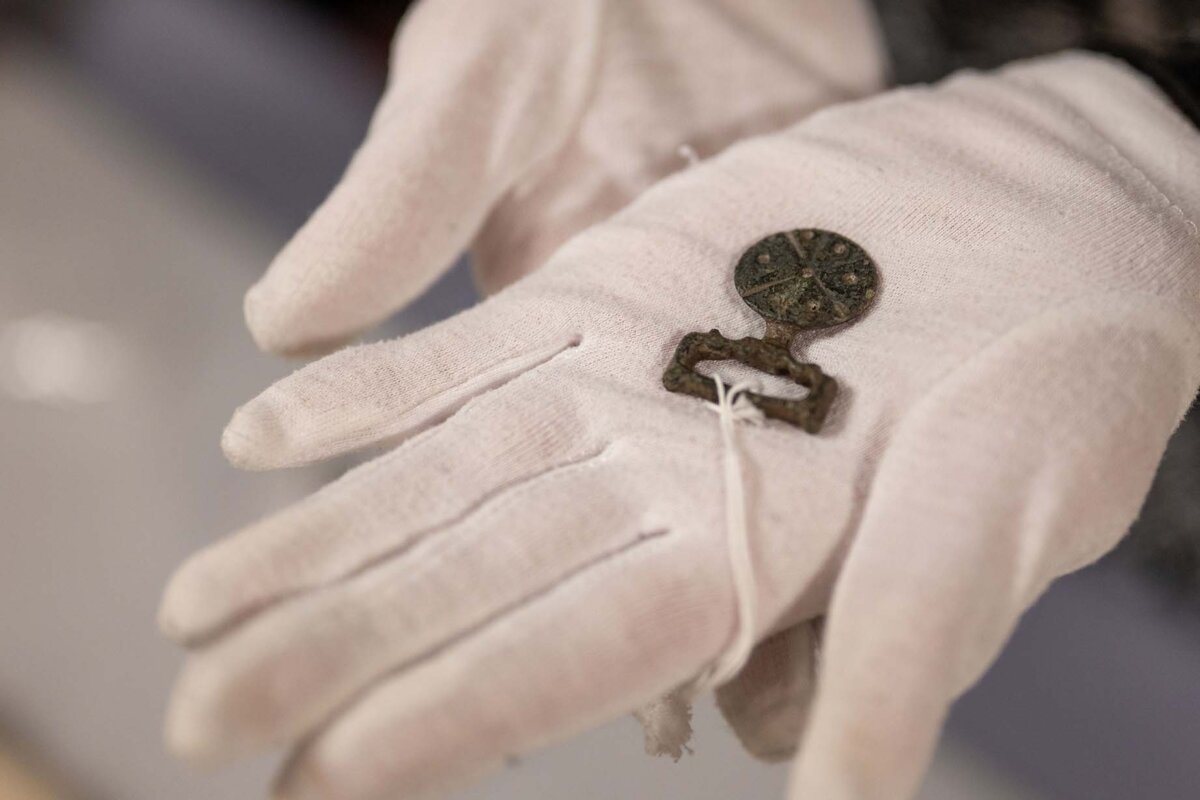
“What if they were looted from their original archaeological site? Looting leads to the loss of cultural and scientific knowledge,” said Cara Tremain, an assistant professor in the Department of Archaeology.
“Should we have advised on bringing them in without knowing where they came from? What would have happened to them if they weren’t brought in?”
What the two medallions and eleven rings offer, though, is a chance for archeology students to tackle those ethical issues themselves in a new course in 2026. The students will gain experience dealing with these points while handling artifacts directly—a valuable lesson.
Meanwhile, Tremain has pondered the possibility that the thrift store find could be forgeries; their authenticity isn’t proven yet.
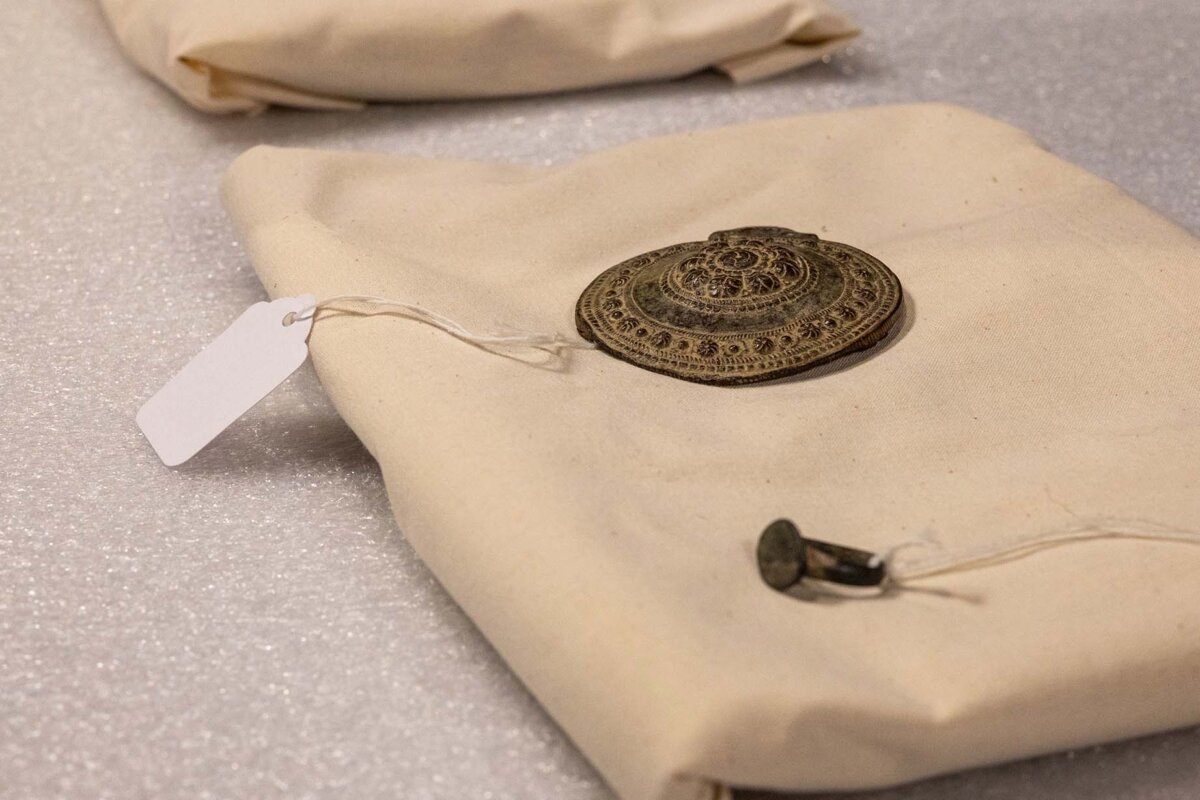
“What we’re doing is essentially being detectives—we’re trying to recover the story of these items,” Tremain said.
With no archeological information to contextualize them, students will fill in the blanks while dealing with the possibility that they’re forgeries, which is also a big part of why this find is useful, the researches say.
“We want to know that we’re basing our theories on something that is authentic,” Tremain said, adding that its important to know this, since they could very well “offer up new information that may change the way we think about that culture or history.”
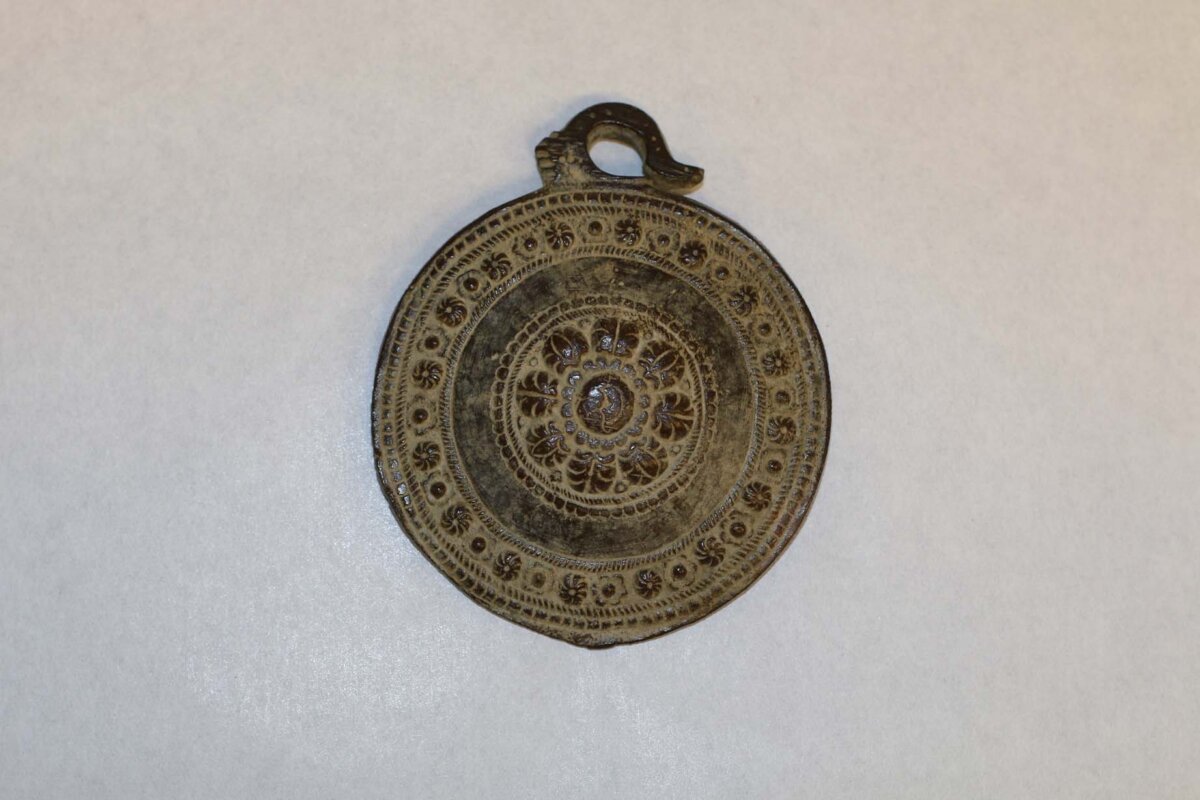
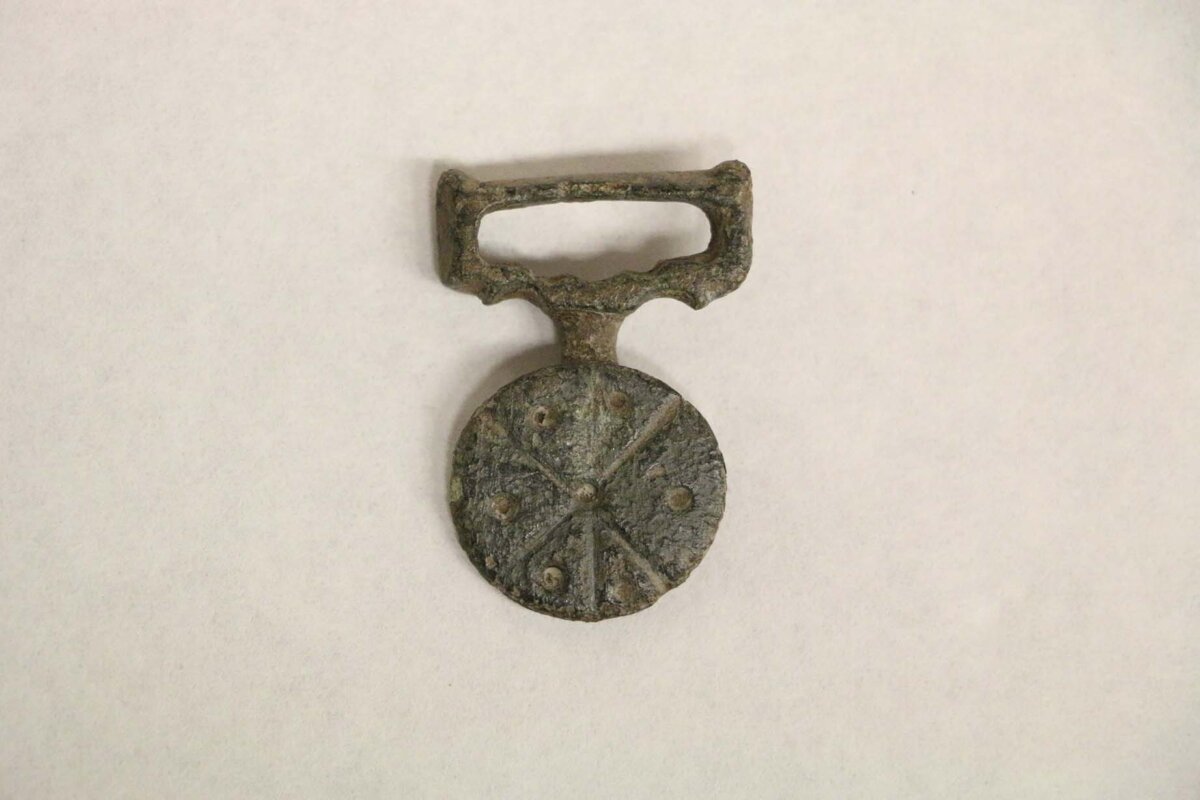
Forged or real, following the method used to process all this systematically will reveal more on why forgeries make their way into the antiquities market—including places like the Thrifty Boutique in Chilliwack.
“What we do in museums is tell stories about people and objects. We’re really looking forward to telling the stories behind these belongings once we know more about them,” said museum director Hilden. “If they are hundreds or thousands of years old, then at any point along the way they could have been lost, broken, or discarded. Yet they’ve been kept, preserved, and now they’re entering a new chapter.”
And that new chapter will be written, in part, by students of the upcoming course at Simon Fraser University. Their work will culminate in an exhibition at the museum, as they aim to tell the artifacts’ history while highlighting the ethics archeologists must face when sourcing objects from the most unlikely of places.