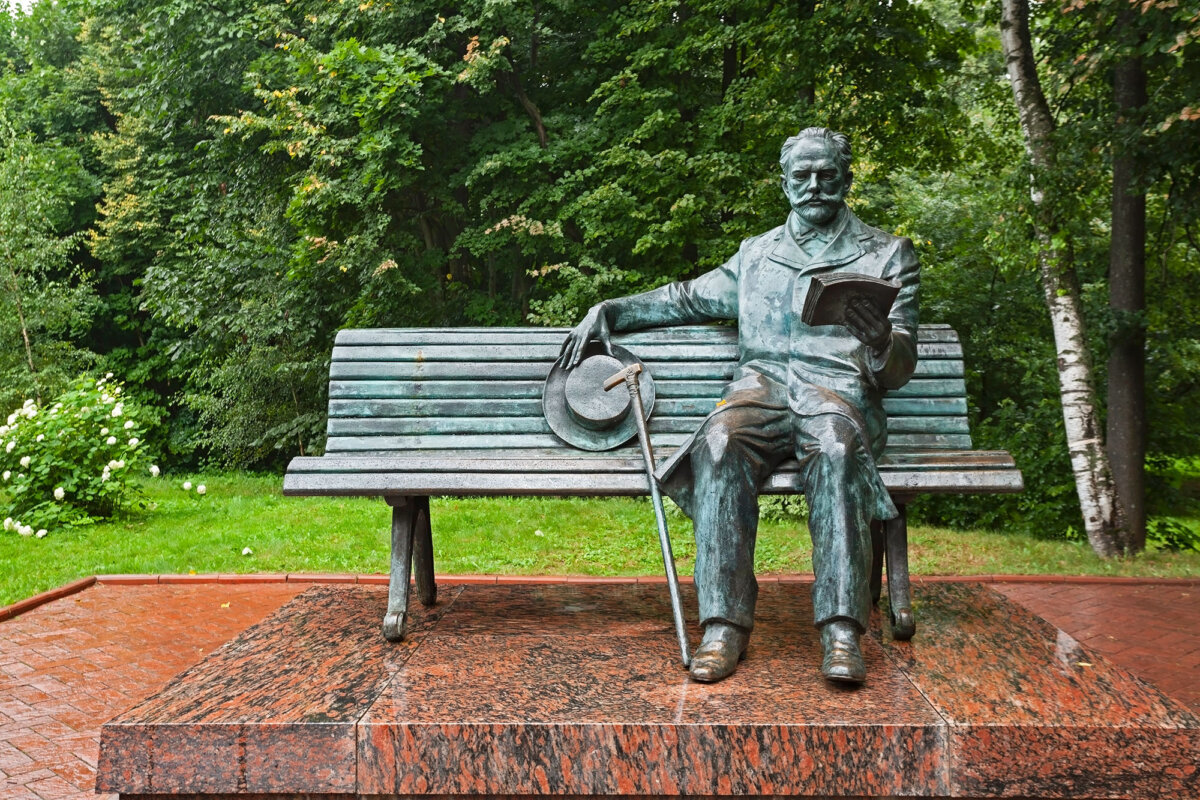
“The Dance of the Sugar-Plum Fairy.” “The 1812 Overture.” “Swan Lake.” These are some of the most recognizable and best-loved classical pieces of all time. They all materialized from the imagination of Russian composer Pyotr Tchaikovsky. Like those of many great artists, Tchaikovsky’s creations were the result of both dreaminess and discipline, originality and order. Working according to a set rhythm helped Tchaikovsky produce the beloved works that solidified his remarkable reputation.
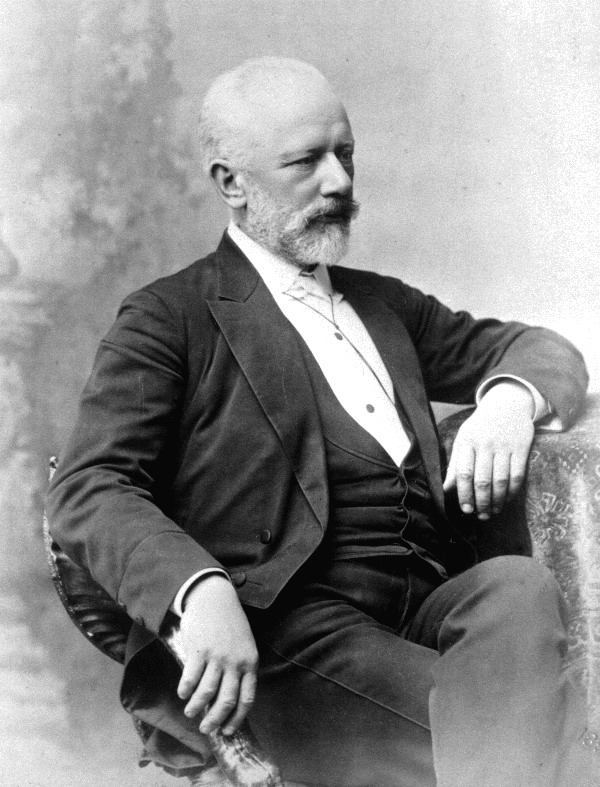
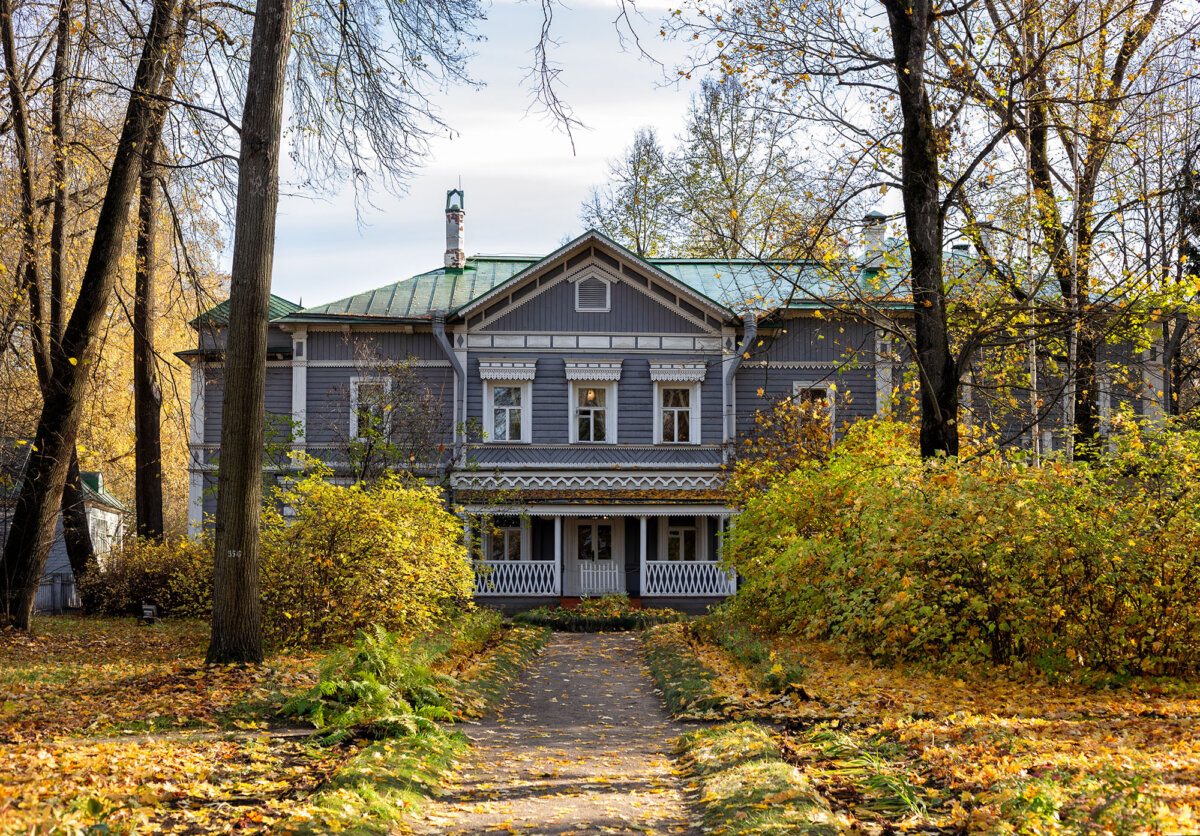
After he moved to a dacha (Russian seasonal country home) near Maidanovo in 1885, he established a daily routine that fueled his creativity. “What a joy to be in my own home!” he rhapsodized to his patroness, Nadezhda von Meck—who gave him a substantial yearly allowance of 6,000 rubles so he could dedicate himself to composing. “What a bliss to know that no one will come to interfere with my work, my reading, my walks.”
From Routine, Inspiration Arises
Tchaikovsky rose between 7 a.m. and 8 a.m. each day and spent an hour smoking, drinking tea, and reading the Bible or another work, such as the philosophy of Spinoza, as Mason Currey related in “Daily Routines: How Artists Work.” Tchaikovsky believed that walks were essential to good health. Just as they got the blood pumping through his veins, they also got the creative juices flowing through his mind. He took his first walk of about 45 minutes after his morning reading.
He began work at about 9:30 a.m. He handled correspondence and proofs first, then settled down at the piano for the real work of composing. He followed this order because he wanted to dispense with tasks he disliked (the correspondence and proofs) before the enjoyable business of writing music.
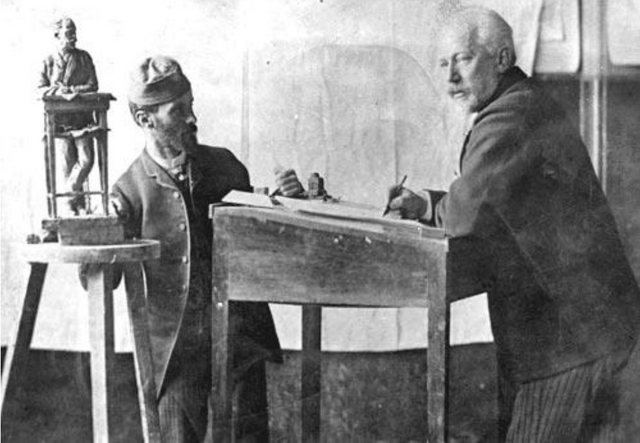
Describing his creative process, he wrote to his former student Sergei Taneyev in August 1880:
“My system of work is purely craftsmanlike, that is, absolutely regular, always at the same hours of the day, without any leniency with respect to myself. I conceive musical ideas as soon as I take up my work, as I turn my attention from thoughts and concerns that are foreign to my labor.”
It would be difficult to find a clearer indication of the importance of routine and discipline in Tchaikovsky’s creative life—and indeed, in most artists. While Tchaikovsky described his work as craftsmanlike and rigid, making use of almost mechanical metaphors, he also acknowledged that inspiration often struck him in mysterious and spontaneous ways—the opposite of the mechanical—to which he made an organic metaphor, the growth of a plant:
“Generally speaking, the germ of a future composition comes suddenly and unexpectedly. If the soil is ready—that is to say, if the disposition for work is there—it takes root with extraordinary force and rapidity, shoots up through the earth, puts forth branches, leaves, and, finally, blossoms. I cannot define the creative process in any other way than by this simile.”
Tchaikovsky’s routine created a mental space in which he could enter a flow state and the ideas formed flexibly and spontaneously. It’s often the case that the Muse—the unaccountable stroke of genius—will come only to those who have prepared themselves through hard work and commitment.
Tchaikovsky took lunch at noon, after which he embarked on another walk, this one longer than the first. He walked even in bad weather. “The majority of ideas, incidentally, arise in me during my daily walks,” he told Taneyev. “Moreover, in view of my unusually poor musical memory, I carry a notebook with me.”
A Troubled Genius
In addition to finding artistic inspiration in his walks, Tchaikovsky believed that they were essential to his health. His brother related:
“Somewhere at sometime he had discovered that a man needs a two-hour walk for his health, and his observance of this rule was pedantic and superstitious, as though if he returned five minutes early he would fall ill, and unbelievable misfortunes of some sort would ensue.”
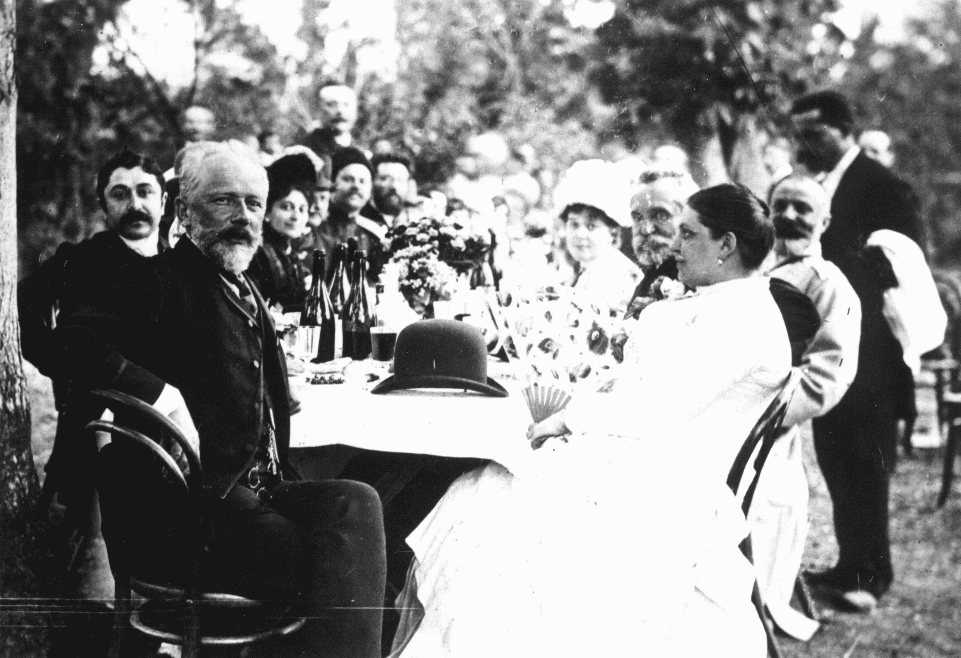
This wasn’t the composer’s only odd fixation. In fact, he suffered from a number of obsessions and anxieties that bordered on the neurotic. Tchaikovsky fell prey to drinking, smoking, and gambling excessively. He famously dealt with stage fright so severe that he was deeply reluctant to conduct his own pieces.
Bizarrely, he was tormented by the fear that his head would fall off while he was conducting. It prompted him to support his chin with one hand while conducting with the other. He maintained this odd posture for the entirety of the performance. Only in his later career did he fully overcome his phobia.
Despite his oddities and obsessions, Tchaikovsky managed to produce some of the most famous music in the world through his unique combination of Western structure and technique with the Russian musical tradition he grew up with. That blend mirrored the paradox of creativity itself: discipline coupled with imaginative freedom, the rigorous routines of the body and the spontaneous overflowings of the soul. The result was euphonic auditory magic that still bewitches listeners more than 100 years after the composer’s death.