




In 1973, the 20-year-old Don Schlitz moved from Durham, North Carolina to Nashville, Tennessee with just $80 in cash and a country music dream. For years, he worked outside of the music industry while honing his craft.
Eventually, two songwriters on Music Row, Bob McDill and Bobby Bare, recognized his talent and mentored him. He then paired up with musician Paul Overstreet at The Bluebird Cafe listening room, spearheading their “In the Round” series featuring intimate performances by songwriters and the stories behind their works. The performance style became a mainstay in Nashville culture, and his creative work with Overstreet produced multiple hits.
Over the course of five decades, Schlitz built a prosperous career in Music City. As one of the town’s gifted songwriters, his powers of empathy, discernment, and passion shaped songs that went on to become top hits.
Since the late 1970s, recording artists sought out Schlitz’s tender, prudent compositions, knowing they would resonate with audiences. The Judds, Tanya Tucker, The Nitty Gritty Dirt Band, and Mary Chapin Carpenter are just a few acts who’ve recorded originals written by the Carolina native. Before his sudden passing on April 16, 2026, the songwriter penned 24 No. 1 hits and 50 top 10 hits for other artists. He also amassed a sizable awards collection, receiving accolades from the Country Music Association and Academy of Country Music, as well as two Grammys.
The stories behind three of his biggest chart-toppers for other artists, “The Gambler,” “Forever and Ever, Amen,” and “When You Say Nothing at All,” show why the Country Music Hall of Fame considers the late musician to be “among the most impactful and eloquent songwriters in country music history.”

Initial Success
Schlitz’s first bout of mainstream success happened two years after he wrote the 1976 story-song, “The Gambler,” a narrative piece that transforms the advice a traveler receives from a poker player into a metaphor for life and its many lessons. Kenny Rogers recorded the contemplative tune in 1978, and it became his signature track still popular today.
At the time Schlitz wrote “The Gambler,” he was supplementing his fledgling music career by working an overnight shift as a computer operator. After meeting with McDill at his office in the Music Row business district in Nashville, he embarked on his 20-minute walk home to his apartment. That’s when most of the lyrics came to him for the eventual crossover hit. He finished the song’s ending later. Though in-demand artists like Willie Nelson passed on the tune, Rogers believed in the song’s potential, and his version turned the folksy single into a timeless country standard.
The Grand Ole Opry noted that Schlitz’s initial success with the track set him on a path as one of Nashville’s busiest songwriters. “The success of that enduring story-song allowed him the ways and means to spend a lifetime writing words and music that articulated the extraordinary emotions inherent in common experience.” After writing his first hit song, “he emerged as an empathetic and intelligent chronicler of the human spirit,” the country music institution shared.
Family Inspires Another Hit
A skilled songwriter on his own, Schlitz also shined in co-writing environments. One day in the mid-1980s, he approached Overstreet with an idea. Schlitz was engaged to a woman with a young son who was memorizing the Lord’s Prayer. He’d always end it by saying, “Forever and ever, amen.” He started saying the phrase outside of the Lord’s Prayer as well. After saying “I love you,” he would follow it up with “forever and ever, amen.” Schlitz felt they could build a song around the phrase. The two songwriters got together that night, and on Overstreet’s front porch, by candlelight, they penned a gentle, acoustic number named after the young boy’s tagline.
After recording the demo for the track the following day, they sent it to an up-and-coming country crooner making a name for himself with heartfelt ballads. Randy Travis included “Forever and Ever, Amen” on his “Always & Forever” album, and, in 1987, he released it as a single. It spent almost a month at the top of country music charts.
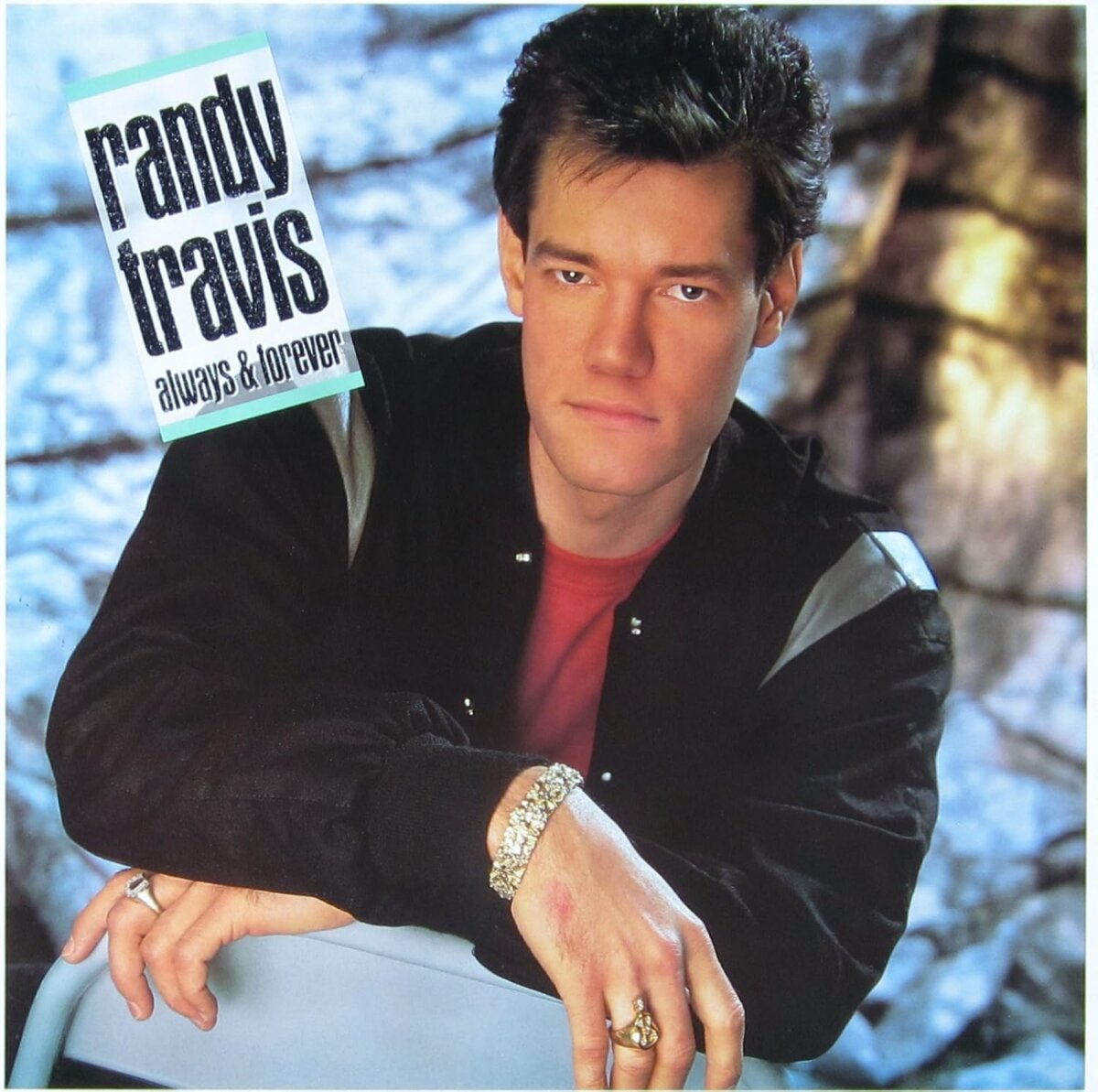
After co-penning sensitive hits like “Forever and Ever, Amen,” the Country Music Hall of Fame notes Schlitz became “known for songs that brim with wisdom and empathy.”
A Dream Inspires a Classic
In 1988, just a year after his success with “Forever and Ever, Amen,” Schlitz saw another one of his songs written with Overstreet top the country charts. Another bright star of the 1980s, the late singer Keith Whitley, chose the songwriting duo’s original, “When You Say Nothing at All,” as a track for his legacy-making album, “Don’t Close Your Eyes.” Overstreet detailed the song’s origin story during an interview with music site Song Facts, saying Schlitz “had a dream about it.” He then shared the song idea with Overstreet during a songwriting session, and it showed promise, so the two wasted no time getting to work on it.
But they hit a snag while working on the lyrics for the love song, and they struggled with the hook, the memorable last line of the chorus. Finally, the two decided their lack of ideas might just be the earworm after all. Writer Ace Collins interviewed Overstreet for his book, “The Stories Behind Country Music’s All-Time Greatest 100 Songs.” The musician shared they overcame writer’s block by embracing it rather than fighting it. “As we tried to find another way to say nothing,” Overstreet joked, “we came up with the song.”
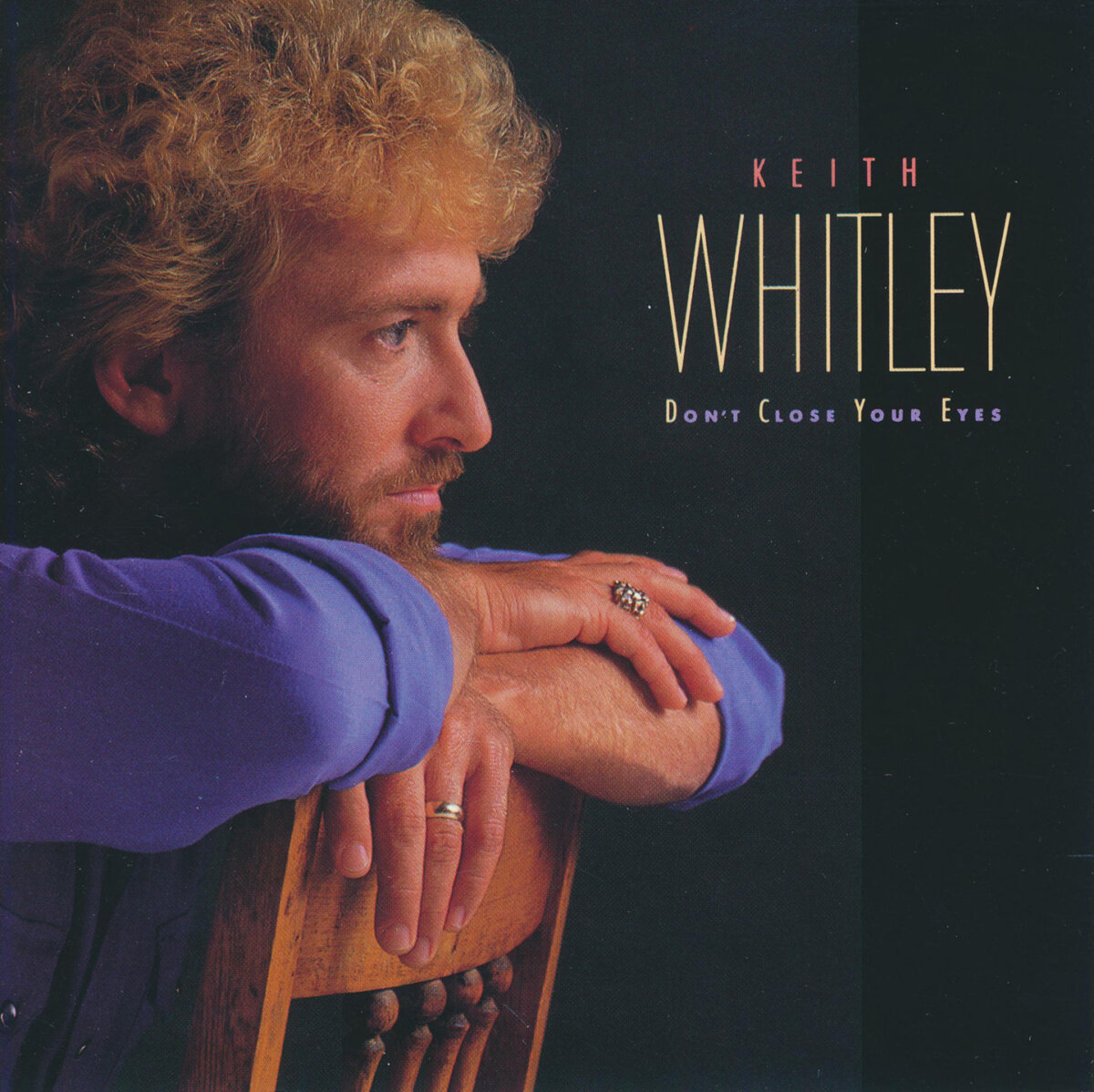
“When You Say Nothing at All” experienced a resurgence when country-bluegrass singer and fiddle player Alison Krauss released a rendition of it with her band Union Station in 1995. Her version was a surprise success, and the enduring nature of the song remains a testament to both Schlitz’s cultivated intuitive side and his discipline as a working artist. “His curiosity about and concern for people fueled his empathetic songs, and his work ethic ensured that his gifts as a writer were fully realized,” shared the Country Music Hall of Fame.
A Servant of Songs
Schlitz would go on to co-pen more hits for country performers, including one of Travis’s most famous singles he wrote alongside Overstreet, “Deeper Than the Holler,” as well as one of The Judds’ trademark singles, “Rockin’ with the Rhythm of the Rain,” written with Brent Maher. He became known for launching other people’s careers rather than being too focused on his own. Whether in a writing room or the studio, the dedicated musician was not there to simply serve himself but to serve the songs.
Despite his continued success, he remained a humble steward of a masterful catalog of classic country standards. “He commonly performed over the last few years, joking with the audience that they may not know who he was, but they knew his songs,” notes the Songwriters Hall of Fame.
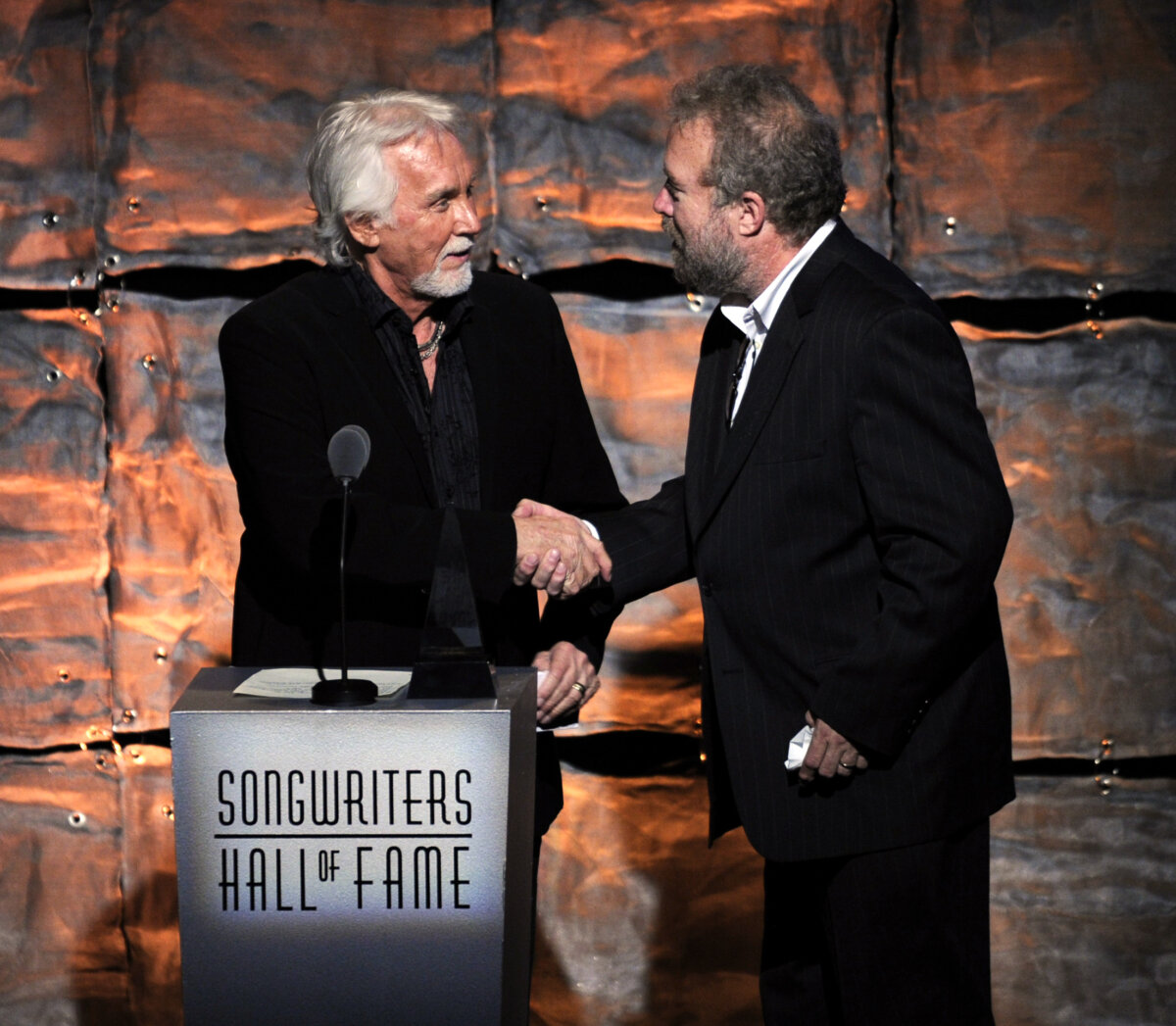
When Rogers spoke at Schlitz’s induction into the Songwriters Hall of Fame in 2012, he emphasized the influence his friend and fellow musician had on the country music genre. He said, “Don doesn’t just write songs, he writes careers.”
What arts and culture topics would you like us to cover? Please email ideas or feedback to features@epochtimes.nyc.
