During an ambush in the Vietnam conflict, many American soldiers were forced to make life-or-death decisions. When a fellow soldier triggered a booby trap, Donald Sloat had only seconds to react. He chose to save his fellow soldiers.
Sloat was born on Feb. 6, 1949 in Coweta, Oklahoma to Evelyn and Ezra. He was a lineman on the Coweta Tigers football team before graduating from his hometown high school in 1967. He furthered his education at Northeastern Oklahoma A&M College in Miami, Oklahoma.
Once Sloat started noticing his friends enlisting in the U.S. Army to fight in Vietnam, he determined to join the cause himself. On March 19, 1969, Sloat enlisted in the Army with one of his hometown friends and was initially sent to Fort Polk, Louisiana, where he completed his basic training.
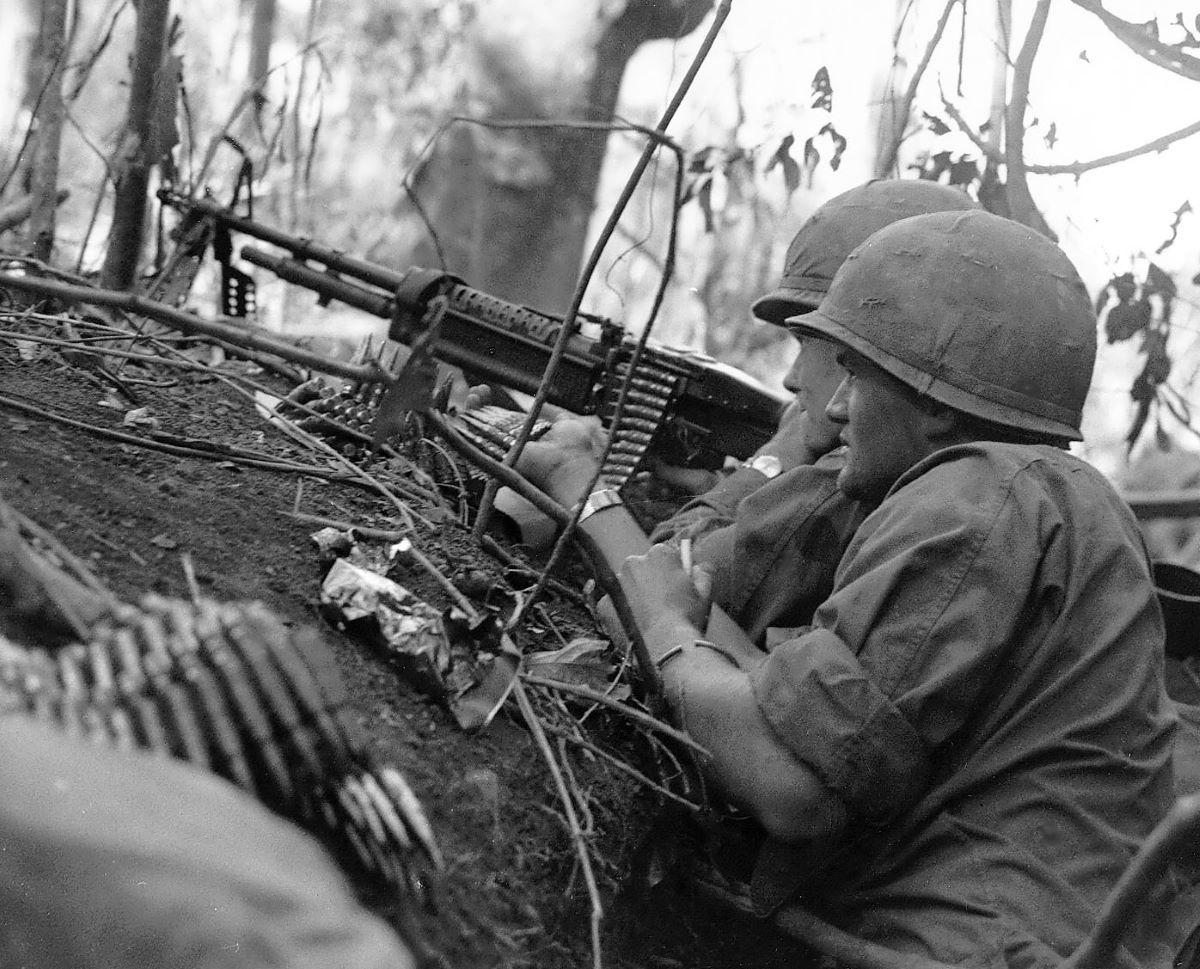
Then, in September 1969, the new soldier received his orders to ship off to Vietnam. Sloat’s mother drove him to the airport in Tulsa, Oklahoma, but he wouldn’t let her follow him into the airport because he didn’t want to see her cry anymore. He arrived in the Republic of Vietnam as an M60 machine gunner with the 2nd Battalion, 1st Infantry Regiment, 196th Light Infantry Brigade, Americal Division.
During the first part of his assignment, Sloat gained a reputation for being one of the most liked and bravest in his company. In his first few months of service, his patrol was ambushed twice. Both times, Sloat received the Bronze Medal of Valor for his acts of heroism. “I guess they think I’m really gung-ho or something,” Sloat wrote in a letter sent home to his parents, according to an President Obama’s speech during the ceremony.
However, tragedy struck while Sloat and his company were at Fire Support Base Hawk Hill southwest and south of Danang. His company was responsible for the safety of villagers by patrolling for enemy troops. The unit also supported tanks and armored personnel in the Que Son Valley. The area regularly met with attacks by North Vietnamese and Viet Cong snipers and booby traps.
Early Jan. 17, 1970, Sloat’s squad was conducting their usual patrols, walking up a hill in file formation when they heard a noise. The lead soldier had tripped a booby trap wire and sent a loaded grenade rolling downhill toward Sloat.
Sloat quickly knelt down to grab the grenade and meant to throw it far away from his group. However, he realized that throwing the grenade would endanger the soldiers posted around or behind him. Sloat made the split-second to use his body as a shield by doubling over the grenade. His body absorbed the blast and saved the others in his platoon.
Sloat was killed instantly less than a month before his 21st birthday. Former rifleman DeWayne Lewis Jr. later said that he “was only five to eight feet behind [Sloat] when the grenade went off.” According to Lewis’s account, Sloat’s selfless act definitely saved his life.
After his death, the Department of Defense (now the Department of War) records only showed that Sloat died during a “combat operation when a booby trap detonated.” A year after her son’s death, Evelyn Sloat exchanged letters with a soldier that was present when Sloat died and was told that her son had stepped on a landmine.
But then, in 2008, a relative heard a different story that was confirmed by one of Sloat’s squad members. Once Sloat’s mother heard the real story of her son’s ultimate sacrifice, she worked tirelessly to get his heroic actions recognized. She passed away in 2011.
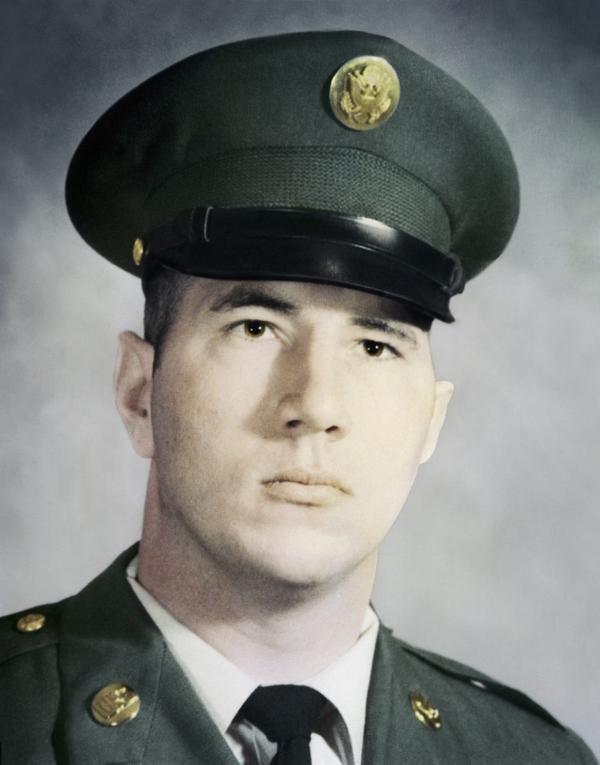
In 1963, a waiver passed by Congress could allow medals to be awarded more than five years after the deed. In 2013, a waiver was passed to allow President Barack Obama to award Sloat and one other Vietnam veteran the prestigious Medal of Honor posthumously. On Sept. 15, 2014, President Obama awarded the Medal of Honor to the hero’s brother William Sloat of Enid, Oklahoma.
Sloat’s selfless deed, recognized in the awarding of the country’s greatest honor, rounds out the other medals he had earned in just over three months of service. These include, but are not limited to, the Purple Heart, the National Defense Service Medal, the Army Good Conduct Medal, the Army Commendation Medal with “V” Device, and the Vietnam Service Medal with two Bronze Service Stars.
What arts and culture topics would you like us to cover? Please email ideas or feedback to features@epochtimes.nyc.