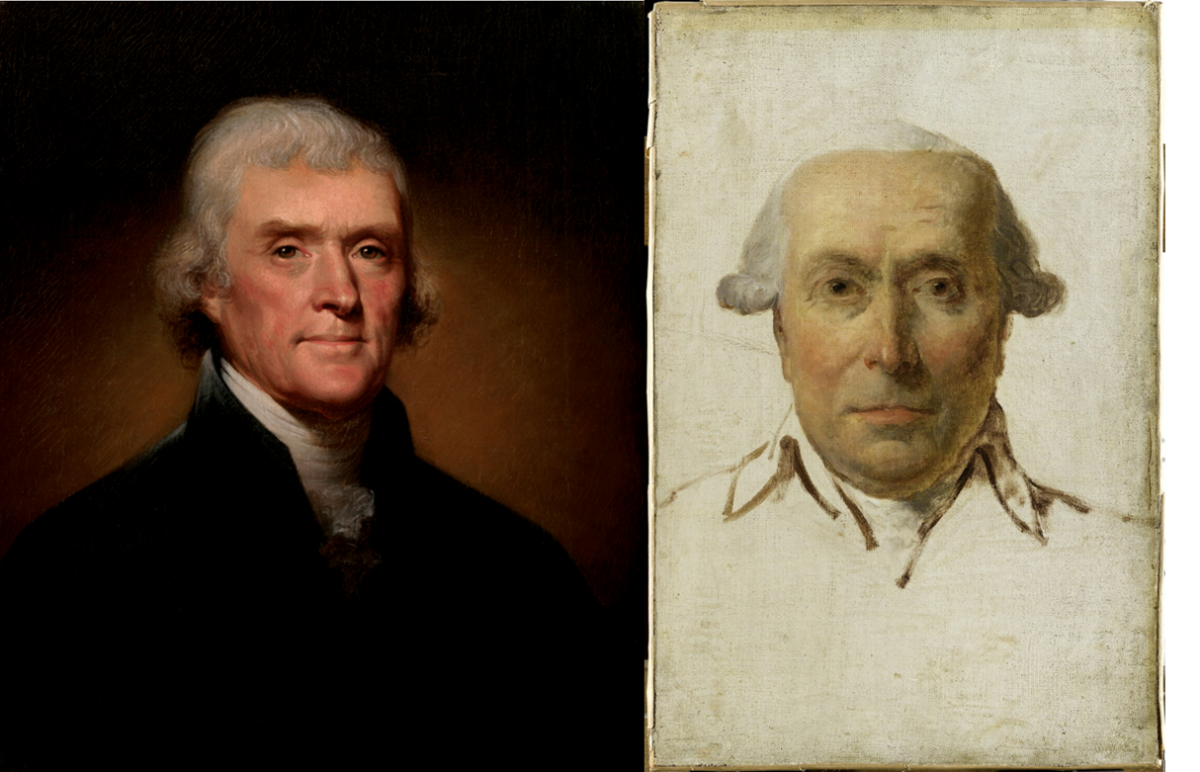
Philip Mazzei was born on Dec. 25, 1730, in Poggio a Caiano, part of the Grand Duchy of Tuscany, Italy. Trained in medicine and surgery, he briefly practiced before turning increasingly toward commercial and intellectual pursuits.
Mazzei worked around the Mediterranean before moving to London in 1755. There, he became a wine merchant and teacher of Italian. These early experiences prepared him for a life shaped by experimentation, diplomacy, and Enlightenment inquiry.
In 1773, Mazzei emigrated to the American colonies. He arrived in Virginia with Mediterranean plants, including grapevines and olive trees, and, reportedly, a small group of skilled Italian workers. He soon formed connections with influential colonial figures, most notably Thomas Jefferson (1743–1826). Jefferson encouraged him to settle near Monticello.
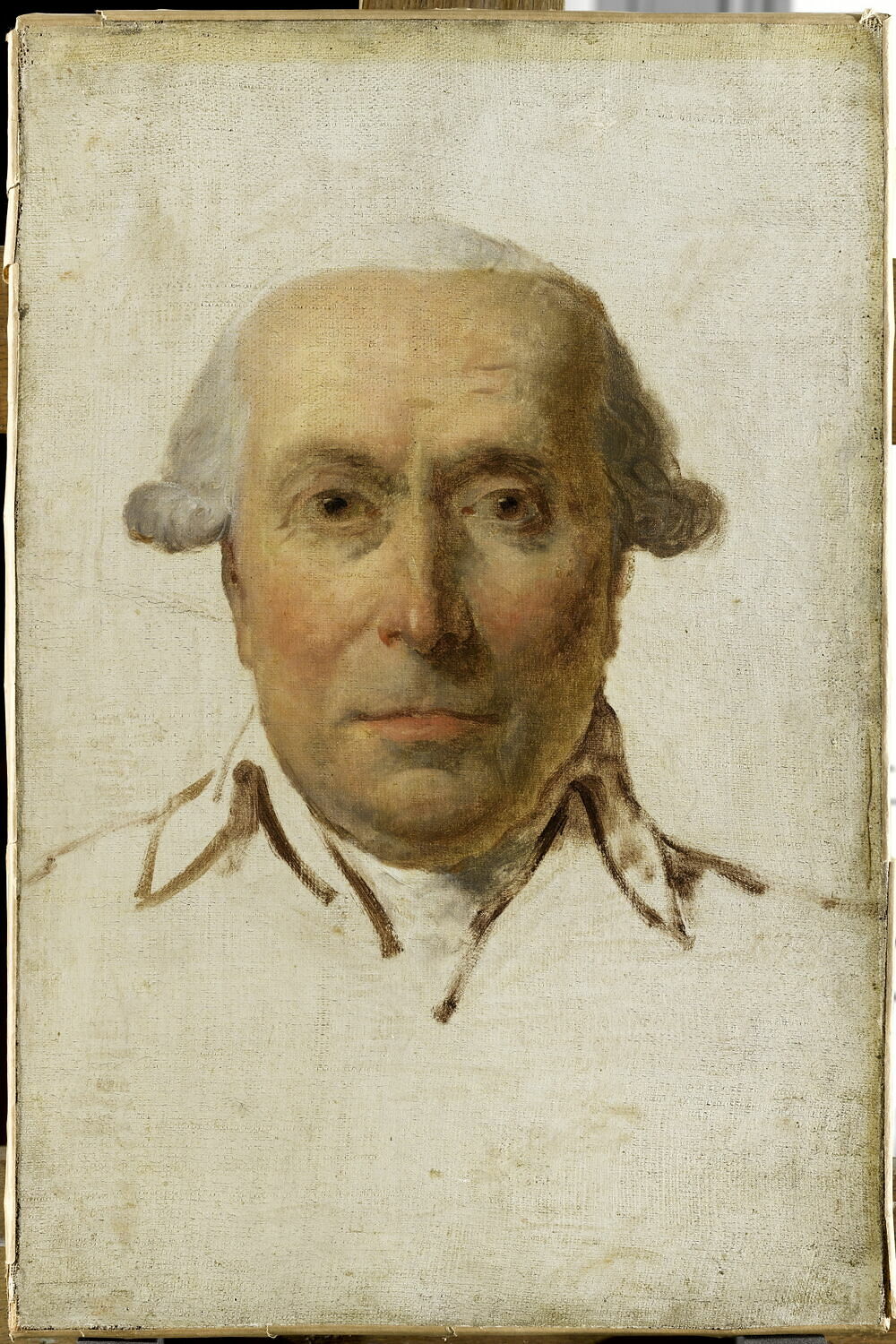
With Jefferson’s assistance, Mazzei acquired land on Monticello’s south side and established an estate he named “Colle.” He planted vineyards and olive groves, hoping to transplant Tuscan agricultural methods to Virginia. His efforts were characterized by Enlightenment-era horticultural experimentation.
However, the fighting during the American Revolutionary War ended his work. Jefferson later noted that troop movements and neglect destroyed much of the labor and crops. Even so, Mazzei’s work stands as one of the more ambitious early attempts to transplant Mediterranean agriculture to the colonies.
Other Contributions
Mazzei’s involvement in Virginia extended beyond agriculture. He signed petitions advocating political and religious freedoms; he also embraced the revolutionary ideals spreading through the colonies.
In 1779, the Virginia government under Patrick Henry (1736–1799) appointed him as an agent to Europe, tasking him with securing loans and military supplies. The mission proved dangerous: His ship was captured by the British, and he endured imprisonment before continuing his work abroad. Though his results were mixed, the episode underscores his personal commitment to the American cause and his willingness to risk his safety in its service.
Throughout this period and afterward, Mazzei maintained a close friendship and correspondence with Jefferson. The letters ranged across a variety of topics including horticulture, architecture, philosophy, and politics. Jefferson encouraged Mazzei’s agricultural experiments and valued him as a fellow Enlightenment thinker, while Mazzei admired Jefferson’s vision for the new republic.
In 1788, Mazzei published his most significant work, the four-volume “Studies on the United States of North America” (“Recherches Historiques et Politiques sur les Etats-Unis de l’Amérique Septentrionale”). The document was written in French and published in Paris.
Mazzei’s study offered European readers one of the earliest foreign analyses of the American Revolution, examining its political, social, and economic foundations. Drawing on his experiences in Virginia and his correspondence with Jefferson, Mazzei presented the new nation as both a practical experiment and an ideological departure.
Sovereign Individuals
One of the most debated aspects of Mazzei’s legacy concerns his connection to the doctrine, “All men are created equal.” In 1774, he published the Italian statement, “All men are by nature equally free and independent” (“Tutti gli uomini sono per natura egualmente liberi indipendenti.”).
Although later writers have suggested this phrasing influenced Jefferson, there is no definitive evidence of direct borrowing. Most historians regard the similarity as a reflection of shared Enlightenment views on natural rights rather than a textual source for the Declaration of Independence. Mazzei’s contribution was recognized in a Joint Resolution of the 103rd Congress.
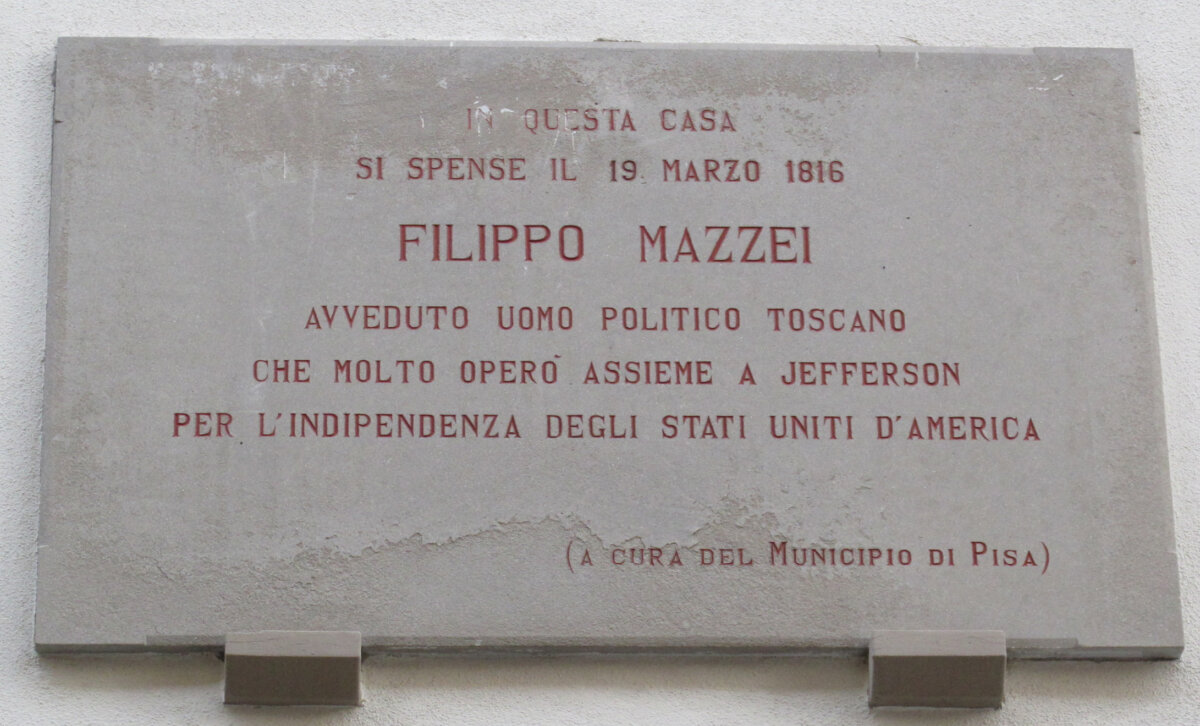
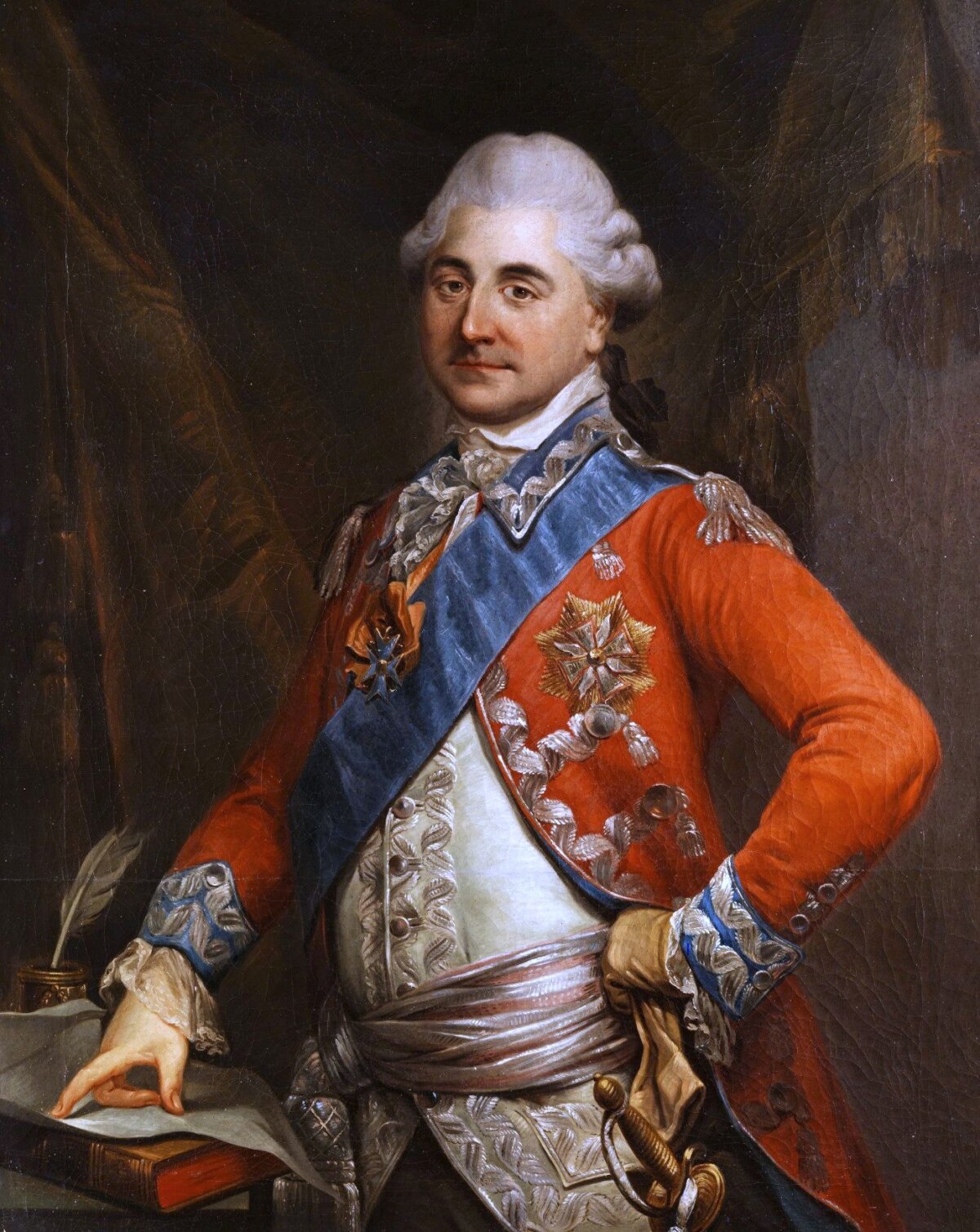
Though he became a naturalized citizen of Virginia, Mazzei spent much of his later life in Europe. After completing his diplomatic service for Virginia, he advised European figures, including Poland’s last independent king, Stanislaw II August Poniatowski. He continued to promote American revolutionary ideals through his writing. He eventually retired to Pisa, Italy, where he died on March 19, 1816.
America in Context
Mazzei’s legacy rests on his role as a participant in, rather than an architect of, the revolutionary movement. Importantly, he exemplifies the international dimension of the American Revolution, as the struggle for independence unfolded within a wider Atlantic world shaped by the movement of people, ideas, and expertise. The founding of the United States, his experience suggests, was not an isolated national event but part of a broader exchange of Enlightenment principles and practical knowledge.
Mazzei should be remembered not as a “hidden founder,” but as a committed neighbor, friend, and advocate of liberty. The precise influence of his words on the Declaration of Independence remains uncertain. However, the principles he championed—equality, liberty, and civic responsibility—resonate with the nation’s founding ideals.
Jefferson’s letter to Giovanni Carmignani on July 18, 1816 provides a statement from Jefferson in response to his friend‘s death:
“An intimacy of 40 years had proved to me his great worth. … [H]is esteem too in this country was very general; his early and zealous cooperation in the establishment of our independence having acquired for him here a great degree of favor.”
Mazzei’s life, grounded in historical record rather than legend, reflects the global currents that shaped the American experiment and the immigrants who helped give it form.
What arts and culture topics would you like us to cover? Please email ideas or feedback to features@epochtimes.nyc