



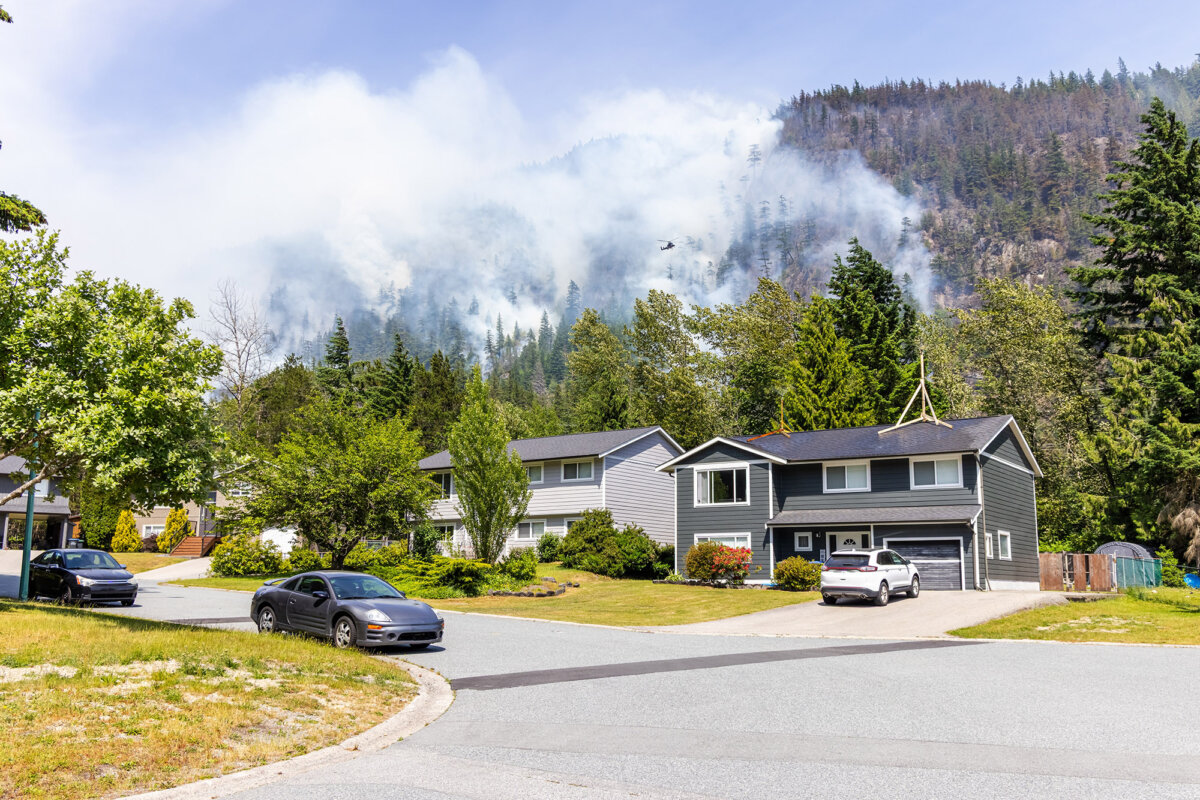
The first step in home wildfire prevention is to create a defensible space, but before getting to that—and other prevention products and techniques—it’s important to address what to do if flames are spotted.
Unlike hurricanes and blizzards, which give days of advance notice, or tornadoes, which one can’t do much about after they’ve formed, wildfires spread with short warning. The first thing to do when a wildfire occurs is to drop everything and call 911. If you have a cellphone, you can take personalized emergency action, such as hosing down the house or evacuating, while calling 911.
Minutes can be the difference between an easily contained fire or one that burns thousands of acres. Be prepared to give as exact a location as possible (such as street names, landmarks, or GPS coordinates). Is it in a wooded area or by a road? What is burning—grass, brush, trees? Try to estimate the size of the fire to help the responders plan an appropriate response, and inform them about how fast it is moving and in what direction. Are people or homes in immediate danger? All details matter.
DIY Clear and Prep
Wherever you live, we recommend taking the best proactive measures possible.
Regularly clear leaves, twigs, and other highly flammable debris from the roof, gutters, porches, and decks, and cover openings under decks and porches with metal screens to prevent the accumulation of dried leaves and debris. Don’t use plastic mesh, as it will easily ignite. Remove any dead plants from the yard, disposing of all plant refuse off-site, as it’s potential wildfire fuel.
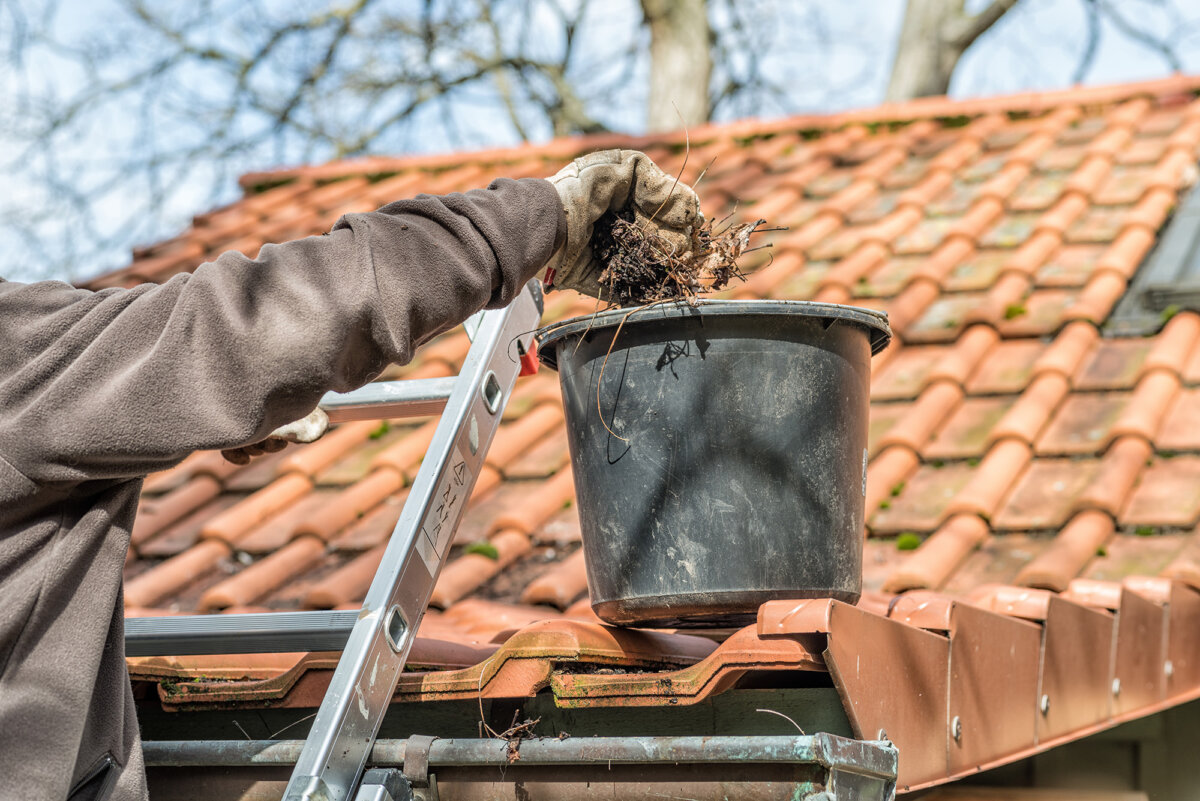
Replace any broken shingles or roof tiles to prevent embers from getting to the wood sheeting underneath. A professional roof inspection will also check your flashing, roof-to-wall connections, and ridge vents, if you’re concerned.
Vents can be permanently screened with 1/4-inch corrosion-resistant mesh to reduce the chance of embers getting into the home—that includes any attic, under-eave, or soffit vent covers. The finer mesh offers enhanced protection for direct openings into the house.
Porches, balconies, eaves, and other overhangs are vulnerable to ignition from heat, fire, and embers that get trapped underneath them. Since you may not want these areas permanently meshed, you can wait until there’s a threat of fire or fire conditions in your area and then screen them with 1/2-inch mesh that goes down to the ground. Consider burying the bottom of the mesh to keep out rodents that may be looking for shelter.
The Federal Emergency Management Agency (FEMA) recommends moving grills and propane tanks at least 15 feet away from the home, fences, and any other vulnerable structures. Make sure they are upright, secure, and covered with a 1/4-inch mesh screen or fire-resistant tarp to protect them from floating embers.
FEMA also suggests covering and storing firewood 100 feet away from the house. You can keep it under a fire-resistant tarp that is properly secured to withstand the strong winds of a wildfire.
Window Openings, Too
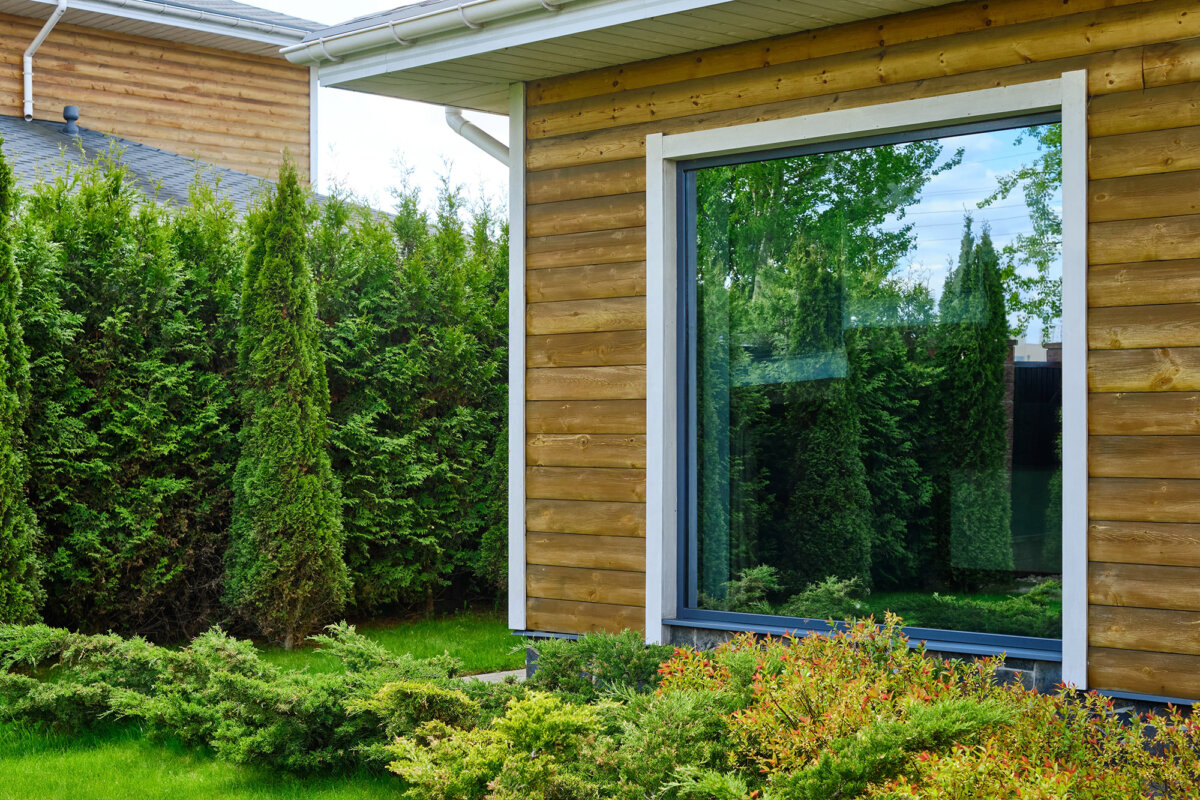
Windows are another weak point, as the radiated heat that passes through the panes can ignite combustible materials within the home, with larger windows being more vulnerable. Sufficient heat over an extended period of time can cause regular glass to break, allowing embers and flame inside.
The ideal solution is double- or triple-paned tempered glass windows set in fire-resistant frames and covered with fire-resistant shutters or exterior drapes. If window replacement is not practical, 1/16-inch metal mesh window screens can help keep embers out but will not keep flames out. In this case, fire-resistant shutters or drapes are a must.
Make Your Own Safety Zone
Create a safety zone around the house (or block, or neighborhood). The ideal safety zone is 100 feet, with 30 feet being the sheer minimum. Those who live on hills should extend this area to several hundred feet, particularly if the house or community is on the top, because fire spreads faster uphill.
Keep plantings to a minimum in the safety zone. This breaks up a wildfire’s natural pathways that traditionally lead to home fires and helps the firefighters as they defend the home and neighborhood.
Start by removing vines, adjacent shrubs, and landscaping. Consider replacing them with a nonflammable, decorative gravel and stone border that extends at least five feet from each structure. If not, landscape with fire-resistant plants; check with a local nursery or your university extension for suggestions.
Keep the lawn well-watered, and if it gets brown, cut it down low to help reduce any fire hazard. Make sure this area is regularly cleared of dried debris.
Prune tree branches so that they’re ideally 15 or more feet away from the house and 15 feet above the ground. Keep a 15-foot space between tree crowns.
Active Suppression
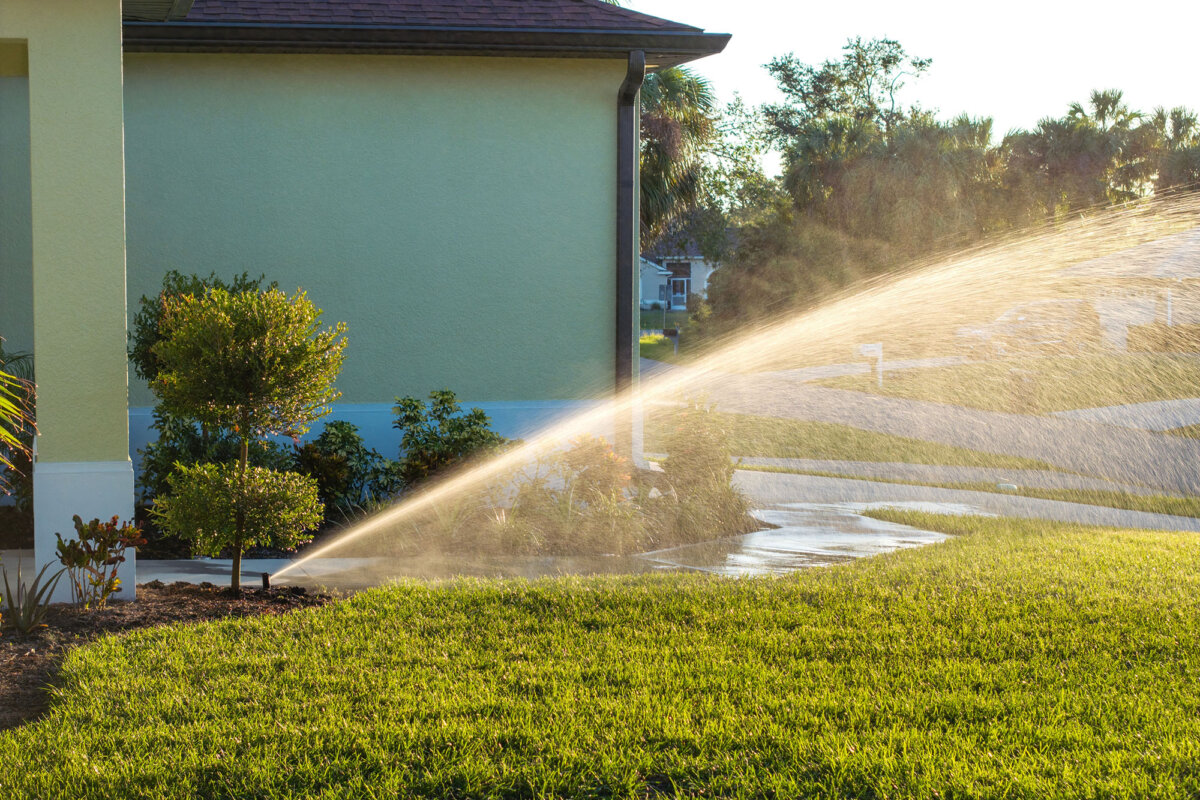
The current gold standard in proactive protection is a customized, automated wildfire suppression system with sprinklers that constantly wet down the house with water and a biodegradable firefighting foam to create an environment that is too wet to burn. Ask the company you’re thinking about hiring if you will need any permits for this installation, as local ordinances can vary widely.
You can also install an oversized wildfire protection sprinkler and soaker hose on the roof.
Another option is a self-contained portable fire pump system with 200 to 1,600 feet of fire hose that uses the home’s water supply, such as a pool or well. This system’s ability to pull water from non-pressurized water sources is a key feature that makes it suitable for use in remote areas where there aren’t nearby fire hydrants.
Combined with an evacuation plan and awareness of local fire conditions, the measures in this article give your home the best possible chance of withstanding a wildfire.
__________________
Beefed-Up Construction
Class A-rated building materials offer the highest level of fire resistance available today. Let’s look at the product selection.
Top of the Class
Non-combustible metal roofs reflect heat rather than absorbing it. Slate roofs are elegant, highly protective, and expensive. Tile roofs achieve Class A status with proper underlayment. Asphalt and composite/synthetic shingles come in Class A, B (moderate), and C (minimal) fire ratings.
Well-Built Walls
Fiber cement siding offers the texture of wood with the fire resistance of stone. Finish it with fire-resistant cementitious caulk. Nonflammable steel or heavy-duty aluminum siding won’t easily melt or warp in a fire. Brick and stone veneer can also handle extreme heat but will cost more than most other options.
Durable Decks
A wood deck is a magnet for wildfire. Pressure-treated flame-retardant wood achieves a Class B rating, but it also needs periodic re-treating. For true Class A protection, opt for composite decking boards marked “ignition-resistant,” aluminum decking, or concrete decking. Check the manufacturer’s fire rating.
