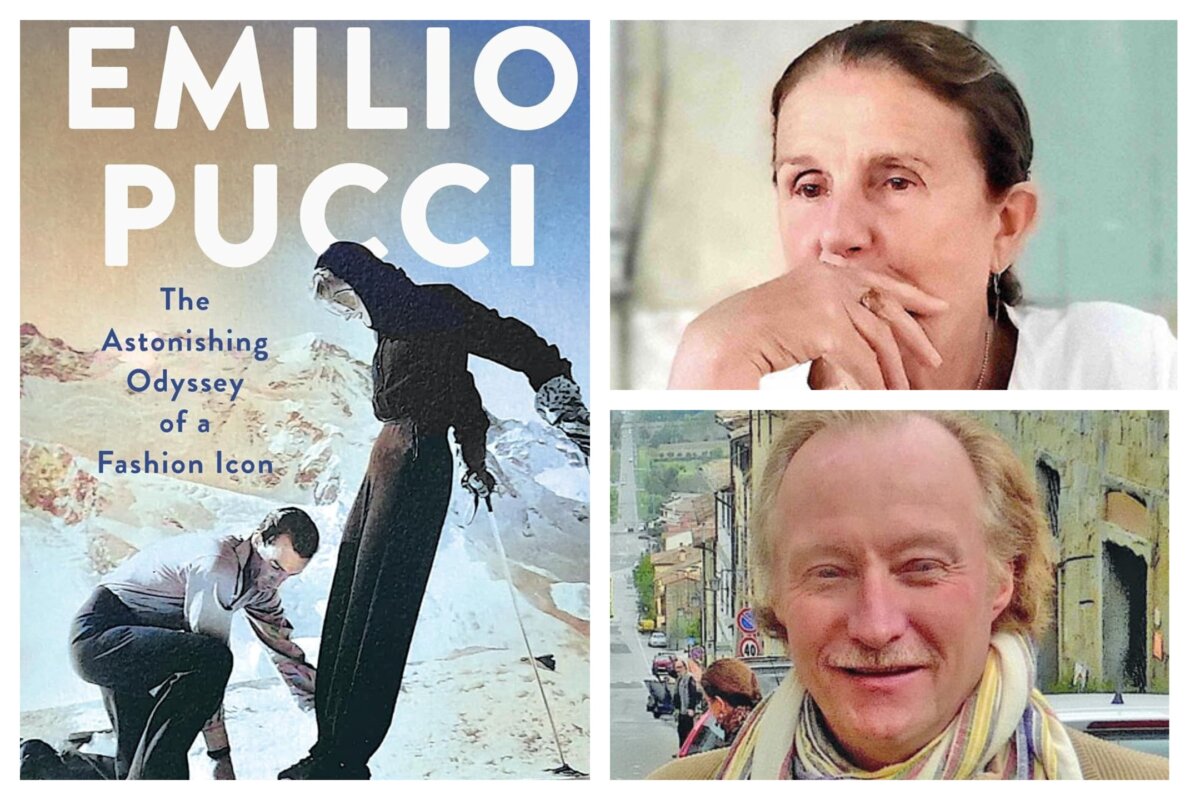
The world thinks of Emilio Pucci (1914–1992) as a fashion designer. That was only one facet of Pucci’s life and career. He led a vibrant life. He earned degrees from U.S. and Italian universities and designed the patch for the Apollo 15 mission. Creativity was baked into the Pucci family’s heritage.
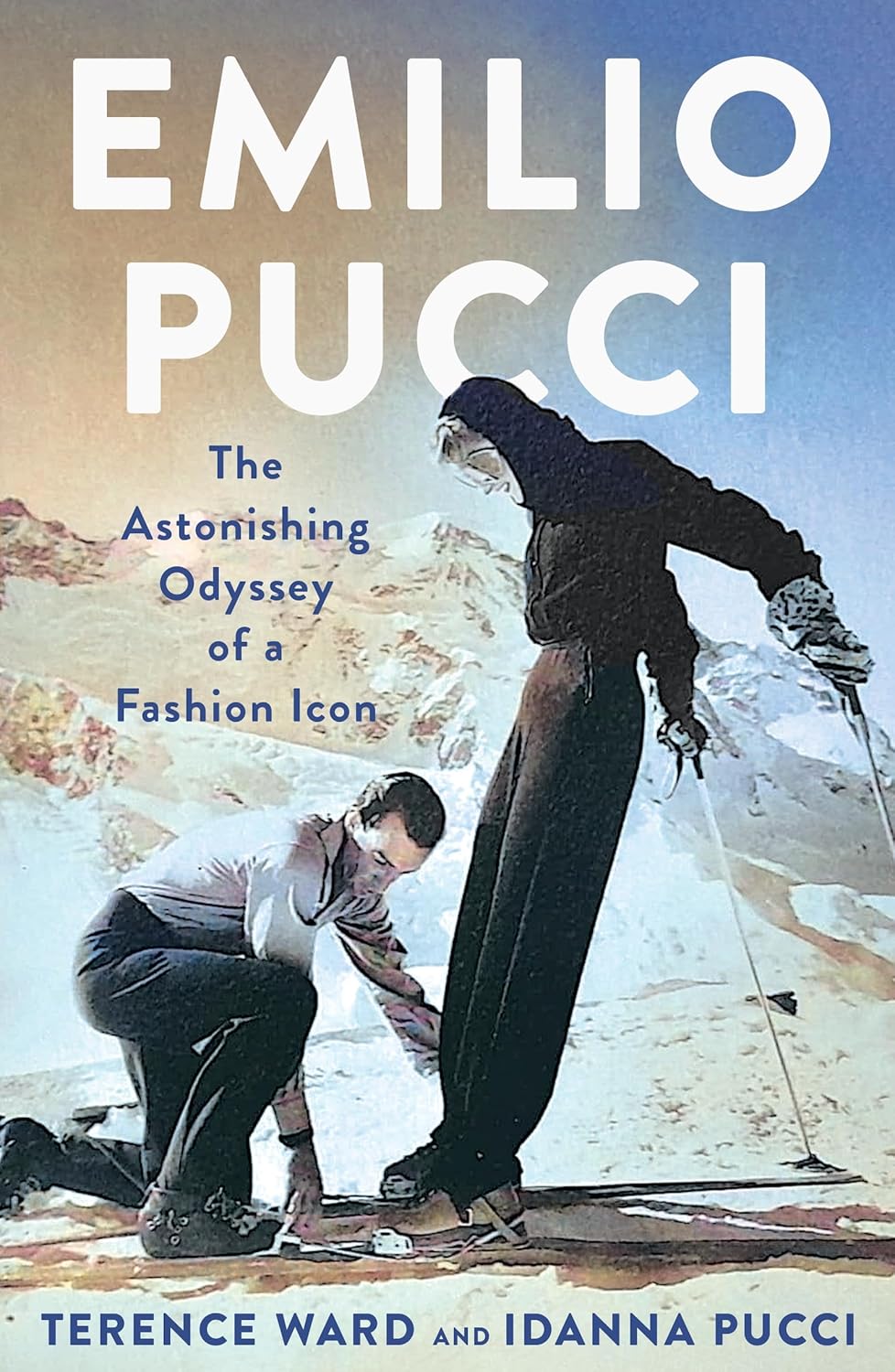
Written by husband-and-wife team Terence Ward and Idanna Pucci (who is also Pucci’s niece), “Emilio Pucci: The Astonishing Odyssey of a Fashion Icon” recounts Pucci’s very full life.
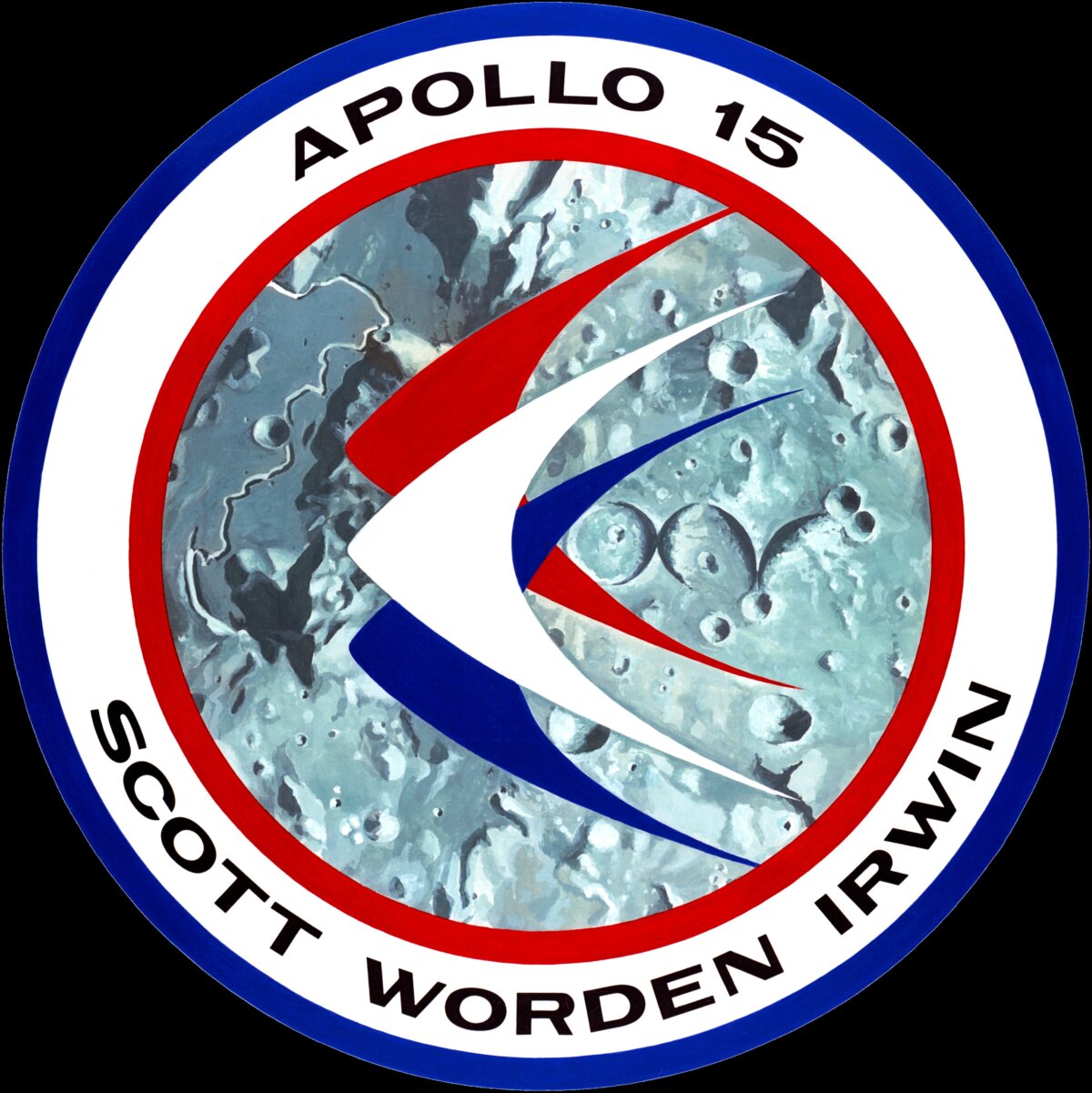
Emilio was born into an aristocratic Florentine family prominent in that city for nearly 700 years. He grew up during Mussolini’s rule.
Emilio travelled to the United States for a college education. Initially, he studied agriculture, but lost access to his financial accounts after Mussolini’s invasion of Ethiopia. All Italian funds were frozen.
With no money, he remained in America, hitchhiked to the Pacific, and attended Reed College. He parlayed a full scholarship in exchange for coaching Reed’s ski team. To pay other expenses, he worked as a busboy and waiter. He loved the egalitarian United States.
World War II Service
After returning to Italy, Pucci learned to fly, joined the Regia Aeronautica (Italy’s air force), and earned a doctorate in political science from the University of Florence. During World War II, he flew three-engine SM-79 torpedo bombers. The book describes his struggles during this period, surviving three years of grueling combat through skill and luck. By the war’s end, he was on sick leave.
On leave, he became reacquainted with Edda Ciano, Mussolini’s daughter and the wife of Italy’s foreign minister, Count Galeazzo Ciano. When Galeazzo Ciano went on trial for treason, Emilio assisted Edda in her attempts to exchange her husband’s diaries for his freedom. In a section that reads like a spy thriller, Emilio spirits Edda and the diaries to Switzerland before being captured by Italian fascists and facing torture.
The book describes how he escaped and ended up interned in Switzerland. There, he helped Edda get the Ciano diaries published in the United States after Galeazzo’s execution. It also describes the difficulties he had returning to Italy after the war’s end. It was complicated by his involvement with the OSS.
After the war, Emilio wanted to decide what to do with his life. He tried inventing, unsuccessfully, before backing into a career as a fashion designer. He was on a skiing vacation in Switzerland with a friend. Her ski clothes failed to dry properly. He outfitted her in a combination of his clothes and hers. Toni Frissell was working on a piece for Harper’s Bazaar, saw the outfit, and photographed it. It led to an invitation from Lord & Taylor to design a line of woman’s ski clothes.
The serendipitous invitation launched him into a new career. His light, casual, colorful, and stylish designs proved perfect for the “la dolce vita” spirit of the 1950s and ’60s. They fit perfectly with the emerging jet set, giving women clothing that was both liberating and stylish. The outfits used fabrics that did not wrinkle, improving wearability.
The authors show the gambles Emilio took. He was willing to get his hands dirty to achieve results. As a couturier, he produced affordable, practical, and stylish clothing.
Personal Memories
Both authors are accomplished writers. Idanna Pucci grew up in the Pucci Palace that Emilio shared with her father. Her memories result in a well-written and surprisingly intimate portrait of his life.
This perspective is possible only by one who lived in long contact with her subject. She offers an admiring look at a beloved uncle, yet it is not fawning. The authors present Pucci’s shortcomings along with his strengths.
Like Pucci’s life, the book’s tone shifts several times. The first part of the book is a light coming-of-age story, following Pucci’s adolescent scrapes and his adventures in pre-World War II America.
The next section that covers his service in World War II is dark and reads like a spy thriller. The segment is reminiscent of the Italian films of the 1950s and ’60s; it’s bright, fast-paced, and enchanting. Idanna finishes with a section recounting personal memories of her uncle.
The bio informs and entertains. “Emilio Pucci” offers a fully fleshed, three-dimensional portrayal of a man who was far more than just a fashion designer and helps readers understand why he was such a brilliant one.
‘Emilio Pucci: The Astonishing Odyssey of a Fashion Icon’
By Terence Ward and Idanna Pucci
St. Martin’s Press: Feb. 10, 2026
Hardcover, 368 pages
What arts and culture topics would you like us to cover? Please email ideas or feedback to features@epochtimes.nyc