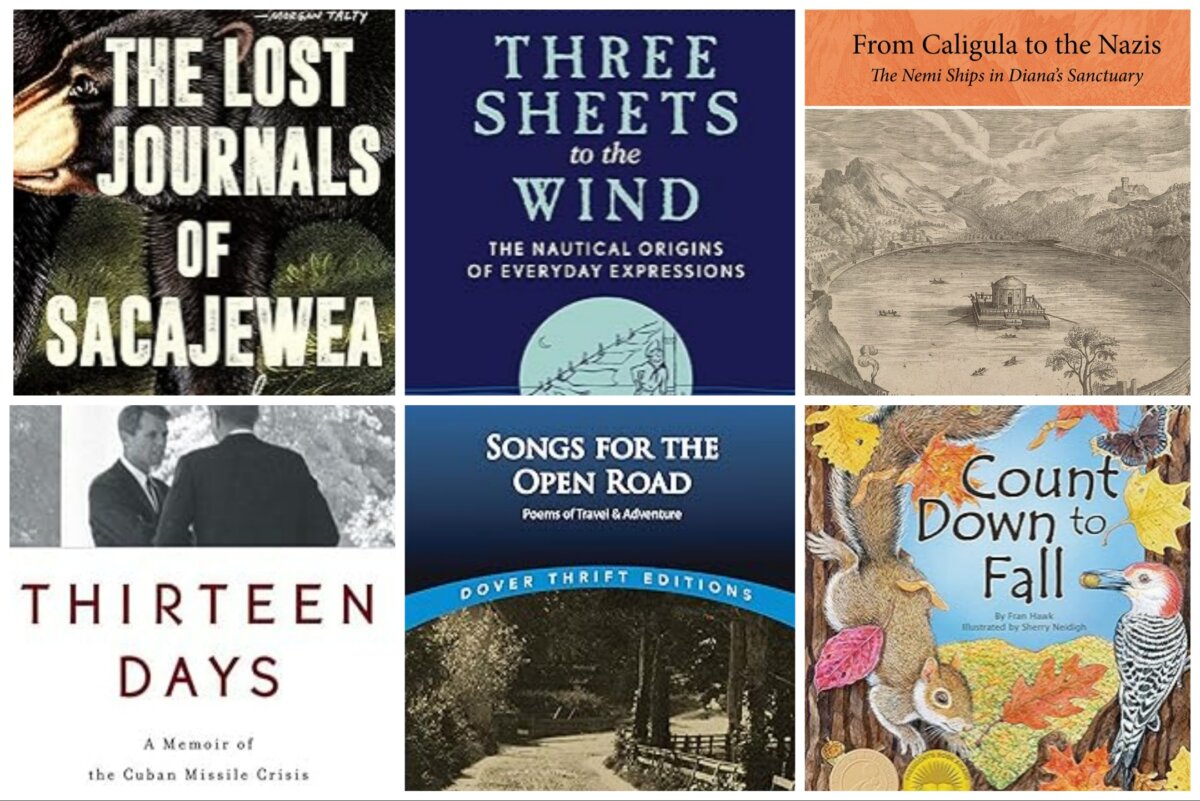
This week, we feature a fictional retelling of the life of Lewis and Clark Expedition guide, Sacajawea, as well as a handy guide to the origins of “seaworthy” seafaring expressions.
Historical Fiction
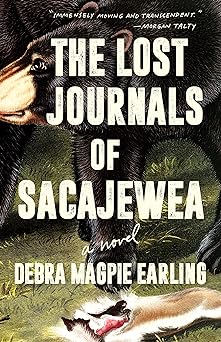
‘The Lost Journals of Sacajewea’
By Debra Magpie Earling
In the late 1700s, a Lemhi Shoshone village was raided by a rival tribe. Among the taken was a young girl by the name of Sacajewea. Her fate was eventually gambled away to a French-Canadian trapper named Toussaint Charbonneau. As a teenage wife with their infant son, she accompanies Charbonneau as a guide and interpreter with the Corps of Discovery Expedition headed by Meriwether Lewis and William Clark in 1804. In this historical novel, she is given a moving voice as she tells her story.
Milkweed Editions, 2023, 264 pages
Non-Fiction
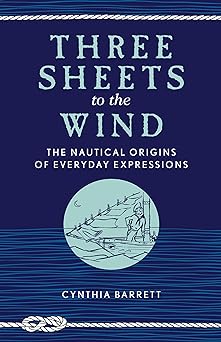
‘Three Sheets to the Wind: The Nautical Origins of Everyday Expressions’
By Cynthia Barrett
Both sailors and landlubbers will find delight in this collection of nautical terms now commonly used in the English language. “Glad rags,” for instance, were the fancier clothes sailors reserved for shore leave, and “spick and span” were used for the nails and wood of a newly constructed ship. The drawings that accompany many of the terms should bring a smile, and Ms. Barrett’s explanations sometimes do the same. If you have a mariner in your life, here’s a great gift for that next birthday.
Lyons Press, 2019, 192 pages
Archaeology
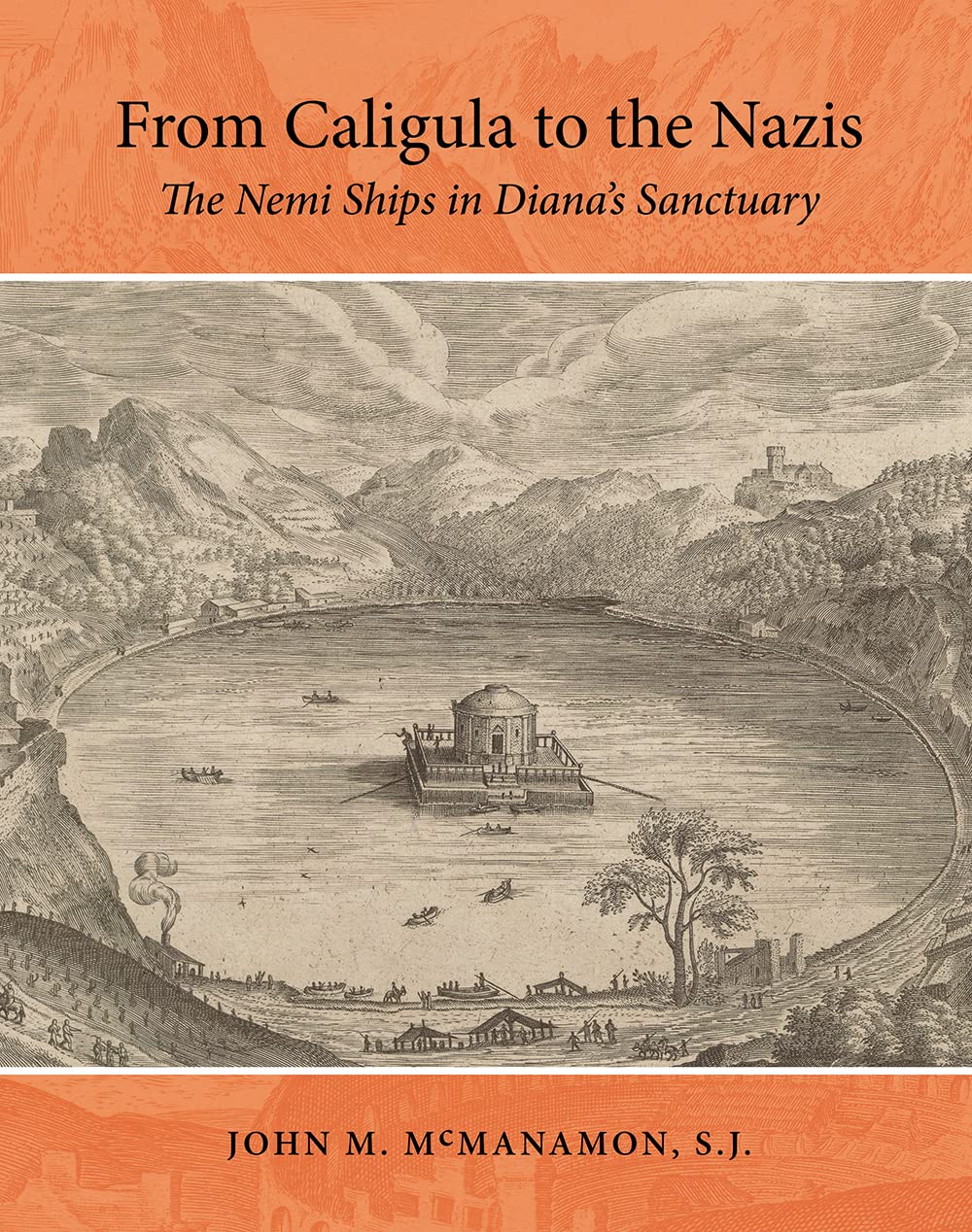
‘From Caligula to the Nazis: The Nemi Ships in Diana’s Sanctuary’
By John M. McManamon, S.J.
During his reign, the Emperor Caligula built two massive barges on Lake Nemi. They sank almost immediately after his assassination. The boats fascinated posterity. Starting in the 15th century, efforts began to refloat them. Four centuries later Mussolini succeeded. A museum by the lake displayed them, but in 1944 the retreating Nazis burned the museum and ships. This fascinating book tells the full story, from the ships’ creation in Early Imperial Rome to their destruction in World War II.
Texas A&M University Press, 2023, 248 pages
Memoir
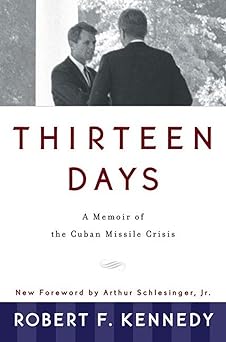
‘Thirteen Days: A Memoir of the Cuban Missile Crisis’
By Robert F. Kennedy
The Cuban Missile Crisis was one of the most intense moments in American history, indeed world history. It became a standoff between the two great powers of America and the Soviet Union, with Cuba in the middle holding the smoking gun. Kennedy, then the U.S. Attorney General, recounts those 13 pivotal days that nearly led to nuclear war. This is one of the more important and close looks at the Cuban Missile Crisis. The book was published the year after Kennedy’s assassination.
W.W. Norton, 1969, 185 pages
Poetry Classics
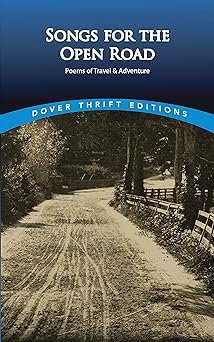
‘Songs for the Open Road: Poems of Travel and Adventure’
Edited by Andrew Carroll and Donald MacLean
For those ready to hit the road, if only in the mind’s eye, here’s a splendid collection of more than 90 poems by 50 poets, all having to do with high adventure and the lure of the next turn of the path. Langston Hughes, Christina Rossetti, and Robert Frost are just a few of the poets writing about distant places, modes of travel, and homecomings remembered. Keep a few copies on hand to give away on special occasions, as this anthology proves that good things really do come in small packages.
Dover Publications, 1998, 80 pages
For Kids
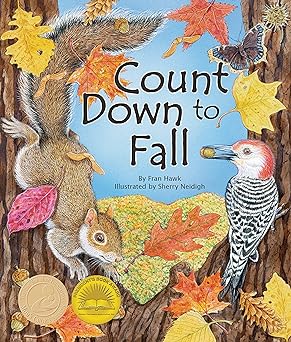
‘Count Down to Fall’
By Fran Hawk and Sherry Neidigh
This delightfully illustrated countdown to fall features gentle verse describing various types of trees, like aspen, maple, and others; the colors their leaves turn during this season; along with other features of the trees and the resident animals that prepare for fall. A perfect read to kick off a new season and entice exploration in nature.
Arbordale Publishing, 2013, 32 pages