



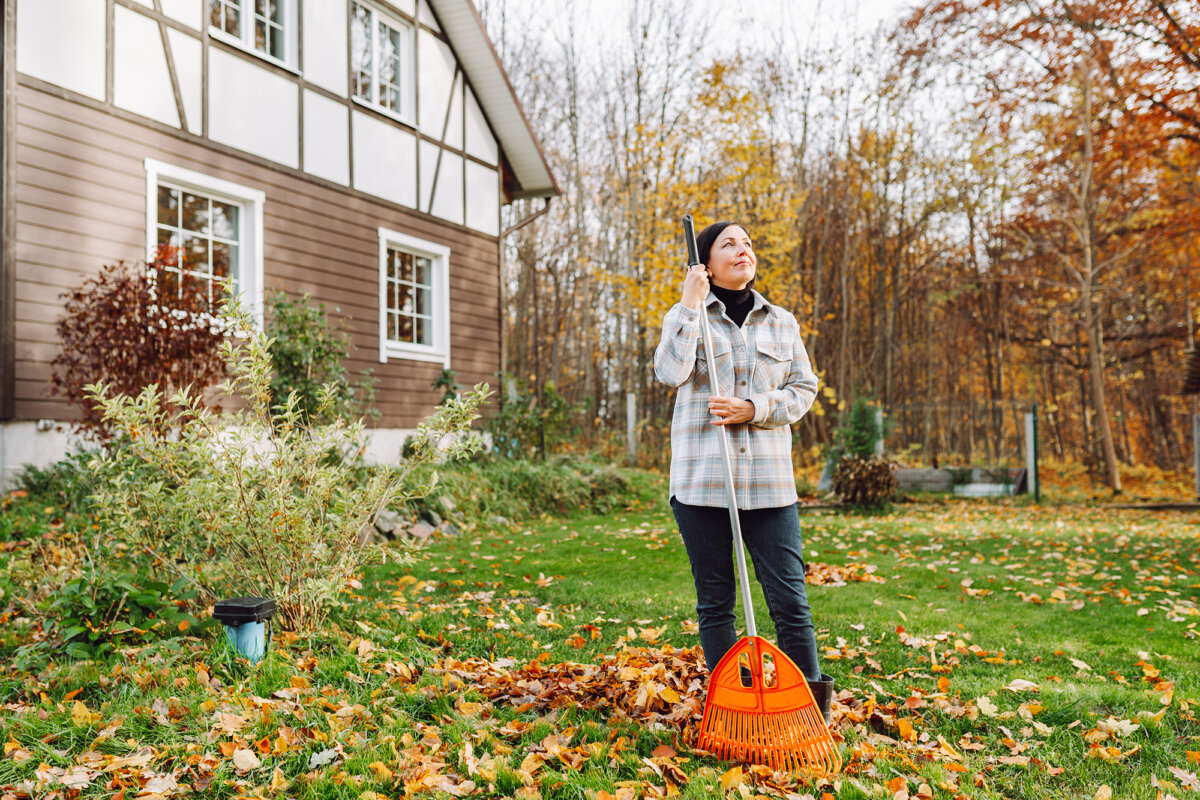
Turning the home into a cold-weather fortress helps save energy, which in turn saves money and improves overall comfort. It also lessens the strain on that big-ticket item—the heating system—which increases its overall lifespan. Trust me, preparing the home for winter is worth it.
One of the easiest ways to start is by checking for air leaks. Take a dollar bill and close a window or door on it. If it can be easily pulled out, you may need to replace the weather stripping. Next, turn off the HVAC system and use a smoke pen or incense stick to check for air leaks. Slowly move it around windows, door frames, and other potential leaks. Flickering smoke signals that there’s a draft that needs to be caulked. Then get out the ladder and pop into the attic. If the insulation doesn’t meet the recommended R-value for your climate zone, add more.
Here are more essential checks to complete to prepare your home for the cold weather ahead.
Toasty Toes Ahead
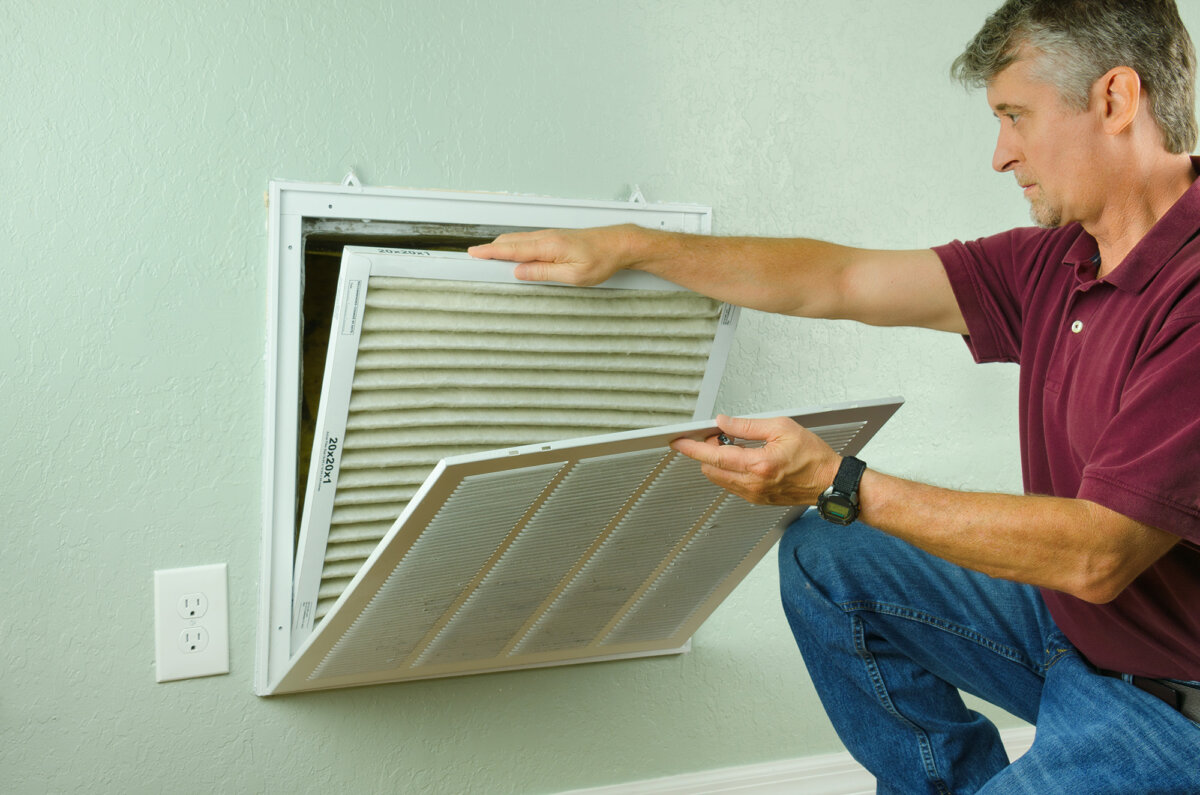
One of the most common problems with HVAC systems is a clogged air filter, so change or clean it now. Then add this task to the calendar to be done every 30 to 90 days as needed. The exception is four-inch-thick filters that are designed to last six to 12 months.
Walk around the house and make sure all the air registers are open and unobstructed, then turn on the system for a test run, setting it above the current temperature to make sure it turns on and produces warm air. A mildly unpleasant dusty smell is normal if it dissipates quickly. For any other smells or unexpected noises, turn off the system immediately and call a professional. If it doesn’t turn on at all, make sure it’s set to “heat” and that the wall-mounted or thermostat batteries are fresh.
Even if it’s running fine, when was the last inspection/service? Check for the manufacturer’s recommended timing.
Heat Helpers
If your ceiling fan has a reverse setting, run it clockwise in winter to circulate warm air that collects near the ceiling.
Now is also a good time to put up insulating winter curtains to keep the heat inside the house.
When was the last time the water heater was flushed? Fall is a convenient time to check it. Remember, it may have to work harder in the winter to heat incoming water.
Essential Warnings
Change the batteries in every smoke and carbon monoxide detector in the house, even the hard-wired ones. Also, keep in mind that these units typically have a five- to 10-year lifespan, even if they still seem fine. Replacing them at the end of their service life is an inexpensive way to protect your household.
Exterior Expectations
Walk around the home and any outbuildings and seal any cracks. Even small cracks can allow moisture in, which then freezes, leading to larger damage. If you find significant cracks, especially in the foundation or masonry, you may need to call a professional for evaluation. Large cracks can signal structural problems that need to be addressed. It’s also a good idea to seal cracks in the driveway. Grab a few tubes of blacktop or asphalt sealant. They’re designed to fit a standard caulk gun.
When temperatures get closer to freezing, winterize exterior spigots by turning them off at the inside valve and draining them. To be safest, leave the spigot open so any residual water can drain out, or better yet, cover it with an insulated outdoor faucet cover. Likewise, in-ground irrigation systems should be drained, any remaining water blown out with an air compressor, and the pump stored in a safe location indoors.
Take a moment to clean out dryer vents as well, while making a mental note to check them after heavy snows to make sure they remain clear.
To Cover or Not to Cover
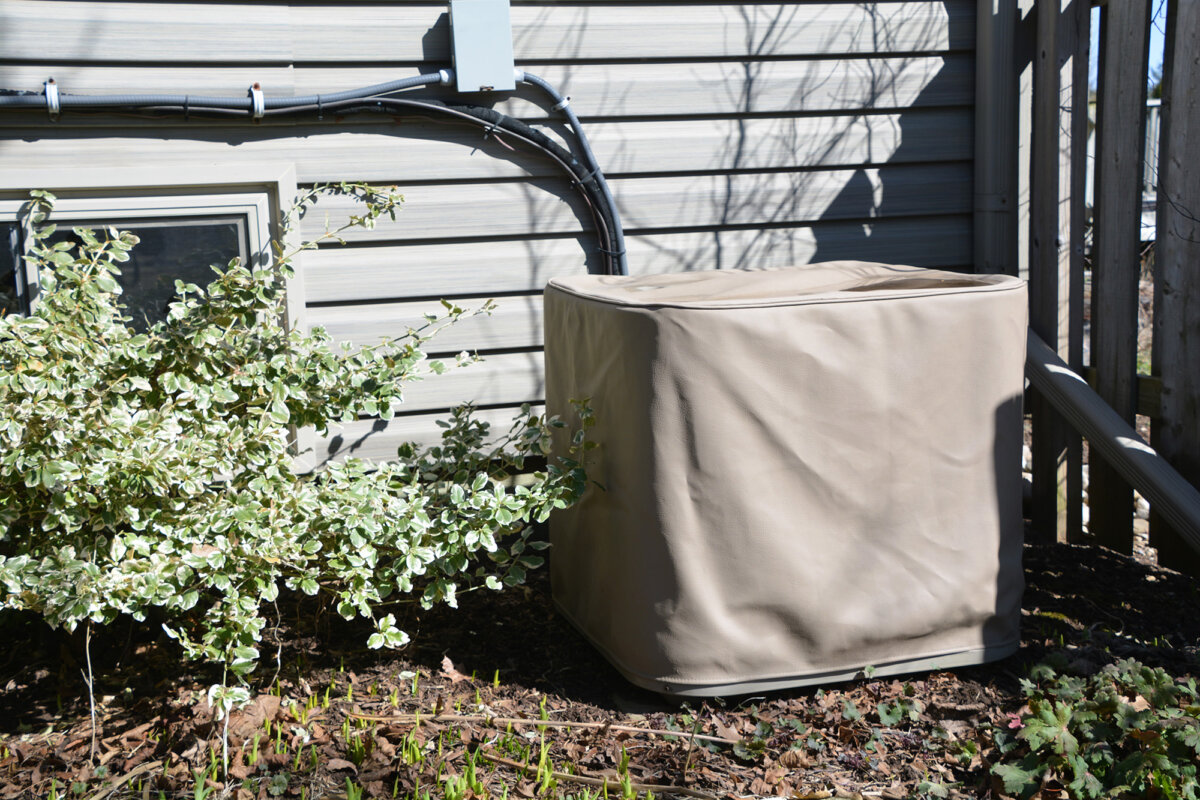
Many outdoor HVAC units are designed to withstand winter. While it may seem like protecting them, covering them with plastic or tarp can actually lead to moisture buildup, mold, mildew, and rust. If snow is going to be excessively heavy, or you simply want to keep the unit free of winter debris and make startup easier next spring, opt for a specially designed, breathable, waterproof cover designed for the unit.
Whether covered or not, be sure to clean the unit of any debris and check the condensate drain line. Pouring a vinegar solution down it will help reduce the chance of winter mold and mildew—check your manufacturer’s instructions for their recommended cleaning methods. Flush with clean water afterward.
Ladder Time
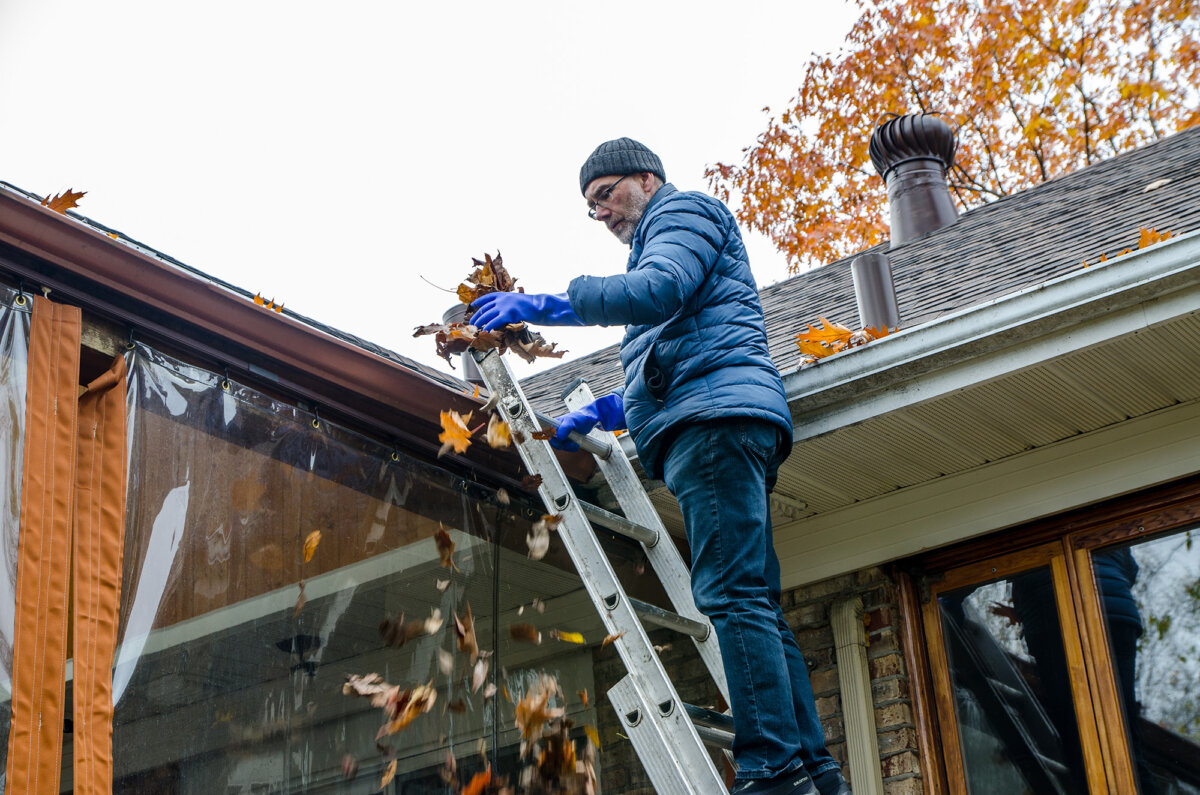
Clean and inspect gutters and downspouts. Run hose water through them until they run freely, making repairs as needed. Don’t add leaves from the gutter to the compost pile, as they may contain roof granules and other inorganic debris.
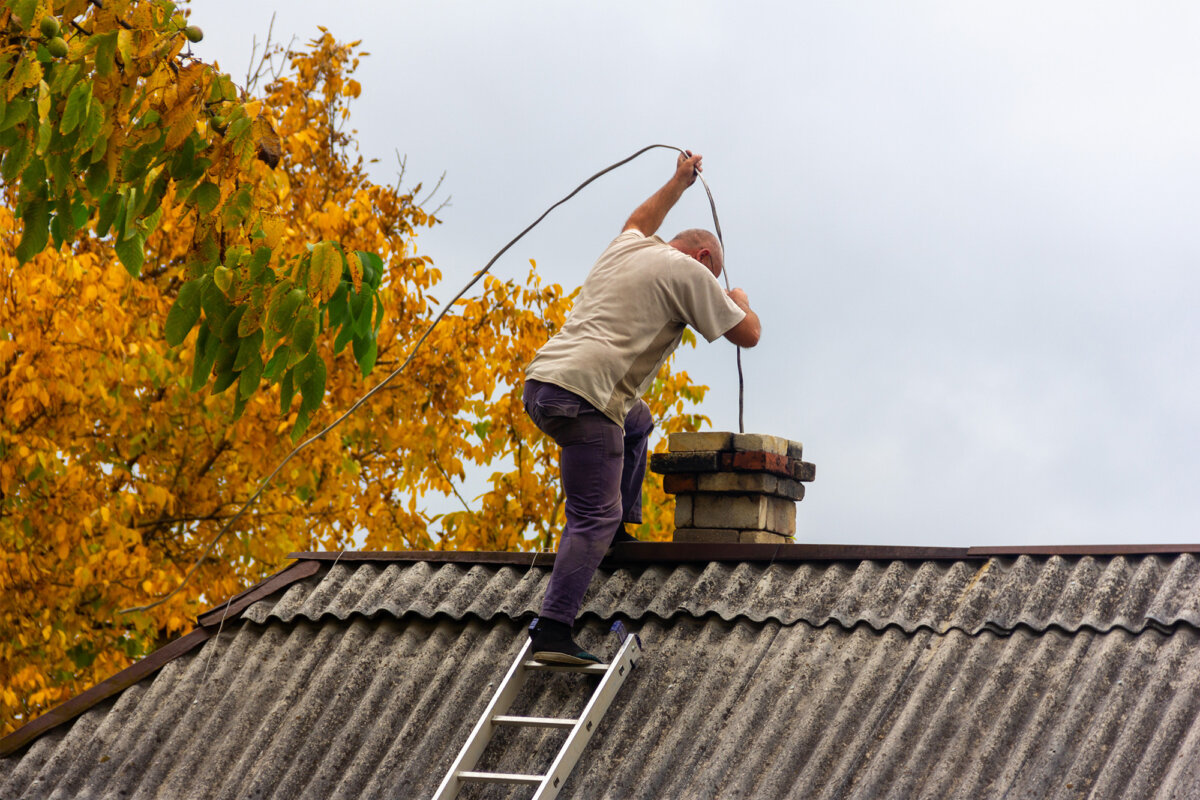
While up there, inspect the roof. Check for curling, cracked, or missing shingles, and damaged or worn-out flashing and sealants around vents and chimneys. Pay particular attention to anywhere two roofs meet. Clean out any debris, as it can lead to premature deterioration and leaking. Arrange for repair as needed.
Snow is hard on even the sturdiest roofs. A snow shovel may be all that’s required on a safely accessible flat roof, but most jobs will require a snow rake (roof rake) that allows for safe removal from ground level.
____________________________
Seasonal Swap
Rugs add warmth to a room visually and physically, as they help insulate cold floors. It’s a great excuse to decorate.
Eyes on the World
Open curtains every morning to enjoy the view and let the sun’s warmth in. Close them in late afternoon to keep in the accumulated heat. This can really make a difference. Consider a window insulation kit for older, problematic windows when replacement isn’t in the budget.
Storing Summer
Clean outdoor cushions and rugs before bringing them indoors. Dry them thoroughly. Roll rugs up loosely so they can breathe, and store them vertically. If possible, move outdoor furniture into a garage or basement—even a shed will do.
Careful Chef
Disconnect the gas and clean the grill thoroughly of all food residue to help prevent rust and pests. Soaking the grates and burners in soapy warm water for 30 minutes can help make grime removal easier. If the grill can’t be brought indoors, cover it with a weatherproof cover rated for winter.
