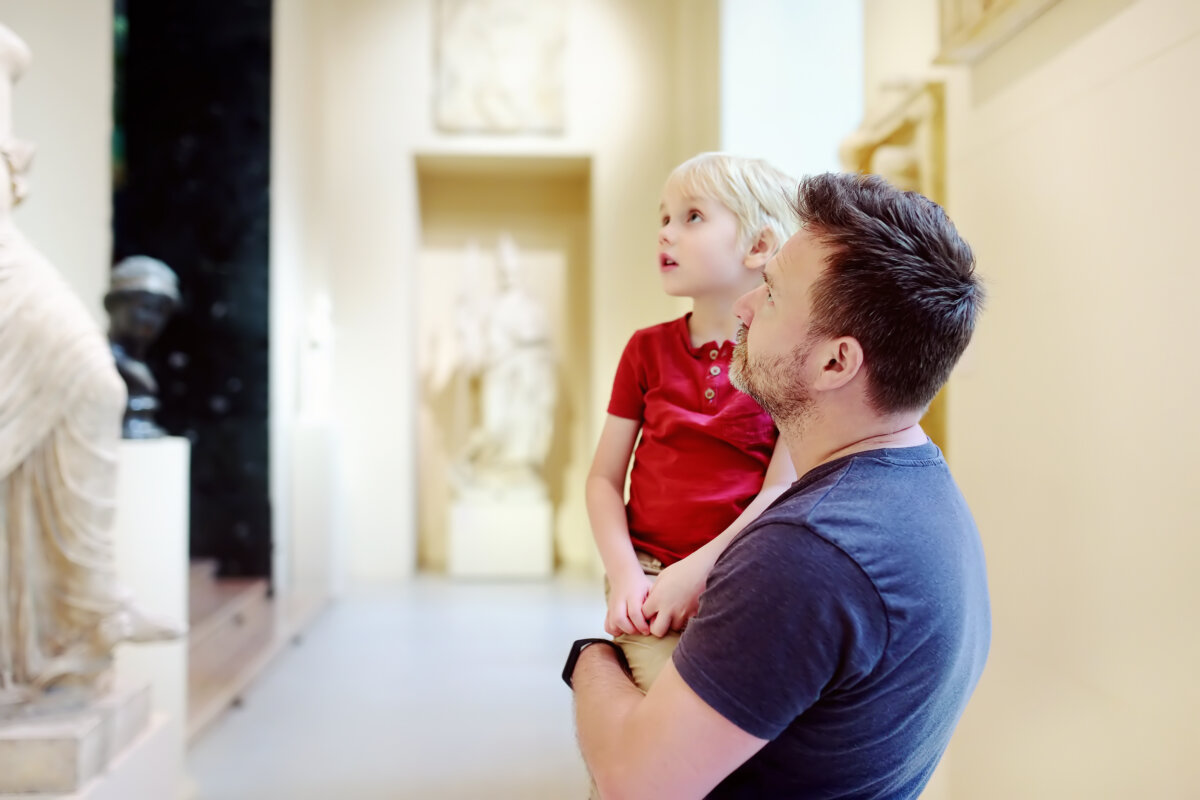
Summer has a way of opening up time. Days stretch, routines soften, and families find themselves looking for experiences that feel both enriching and genuinely enjoyable. Art museums, it turns out, fit that description well. They are places of curiosity, creativity, and connection, and the best ones are designed with visitors of every age in mind.
From Alaska’s frost-edged horizons to San Diego’s sun-drenched Balboa Park, America’s fine art museums offer far more than quiet galleries and velvet ropes. The 12 museums on this list were chosen for their thoughtful programming, interactive exhibits, and genuine commitment to making art feel welcoming—not intimidating. A few are institutions you’ll recognize immediately; others may be happy discoveries. All of them give families something worth showing up for and plenty of reasons to stay.
Anchorage Museum

Set against Alaska’s vast landscapes, the Anchorage Museum brings together art and regional culture in an accessible way, with free admission for children 5 and under. The Alaska Exhibition anchors the collection, tracing the North’s history and showing how generations have adapted to one of the world’s most demanding environments. Galleries focused on Alaska Native cultures feature carved masks, woven textiles, and storytelling installations that illuminate history, myth, and daily life.
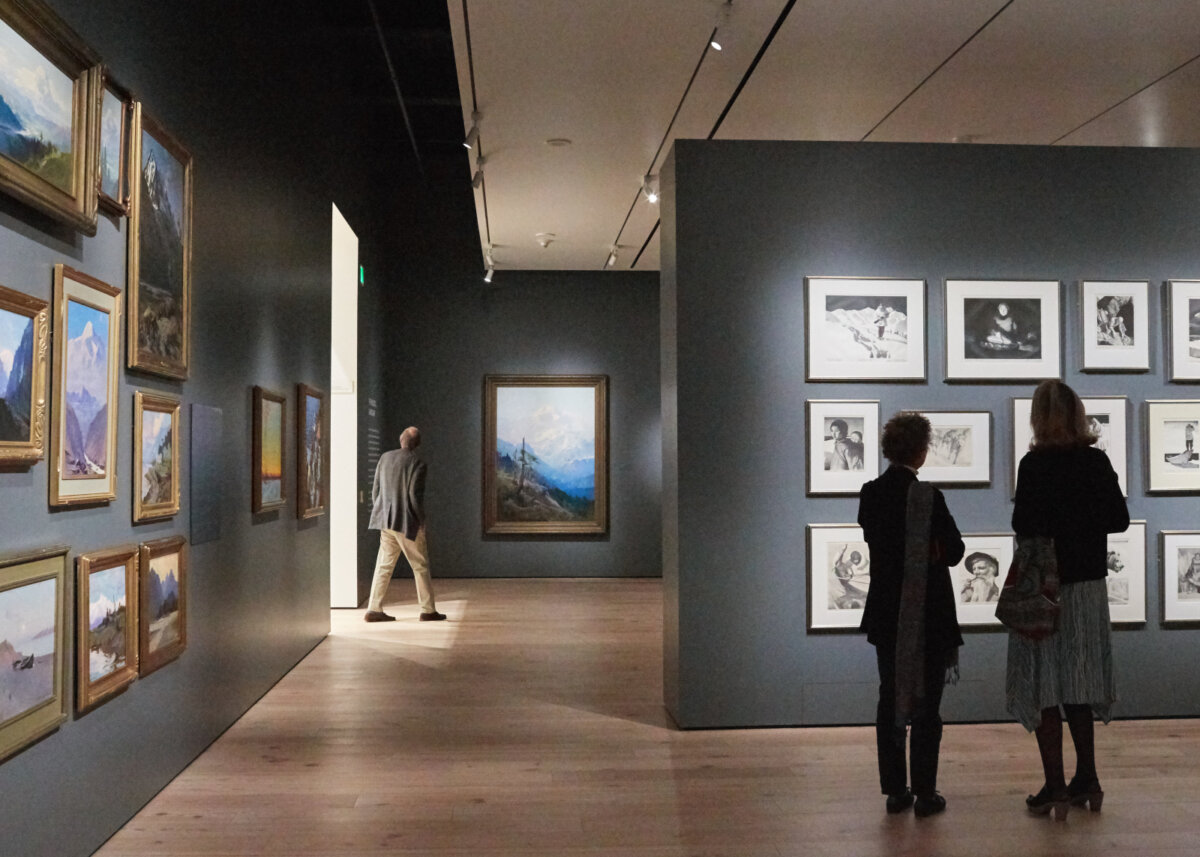
Inside the Anchorage Museum, housed in the Smithsonian Arctic Studies Center gallery, is the “Living Our Cultures” exhibition. It presents more than 600 Alaska Native cultural and historical objects on long-term loan. In the Rasmuson Wing, “Art of the North” features about 200 permanent works, including expedition-era documentary pieces and 19th- and 20th-century Romantic landscapes, along with a dedicated gallery for Sydney Laurence, known for his prolific depictions of the Alaskan frontier.
The Discovery Center adds a playful, hands-on element for children, with interactive exhibits that respond to touch and movement. Outside, nearby trails extend the experience into the surrounding landscape, giving families a direct connection to the environment that inspires the museum’s collections.
Balboa Park
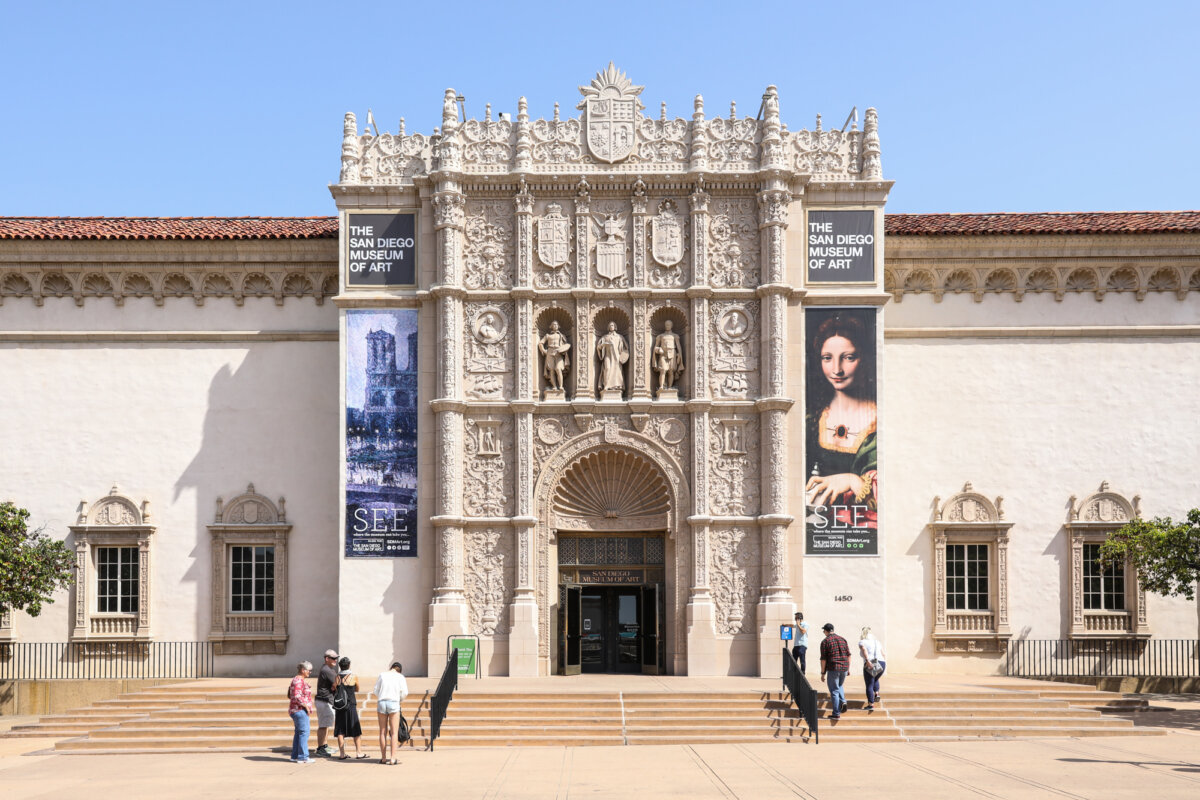
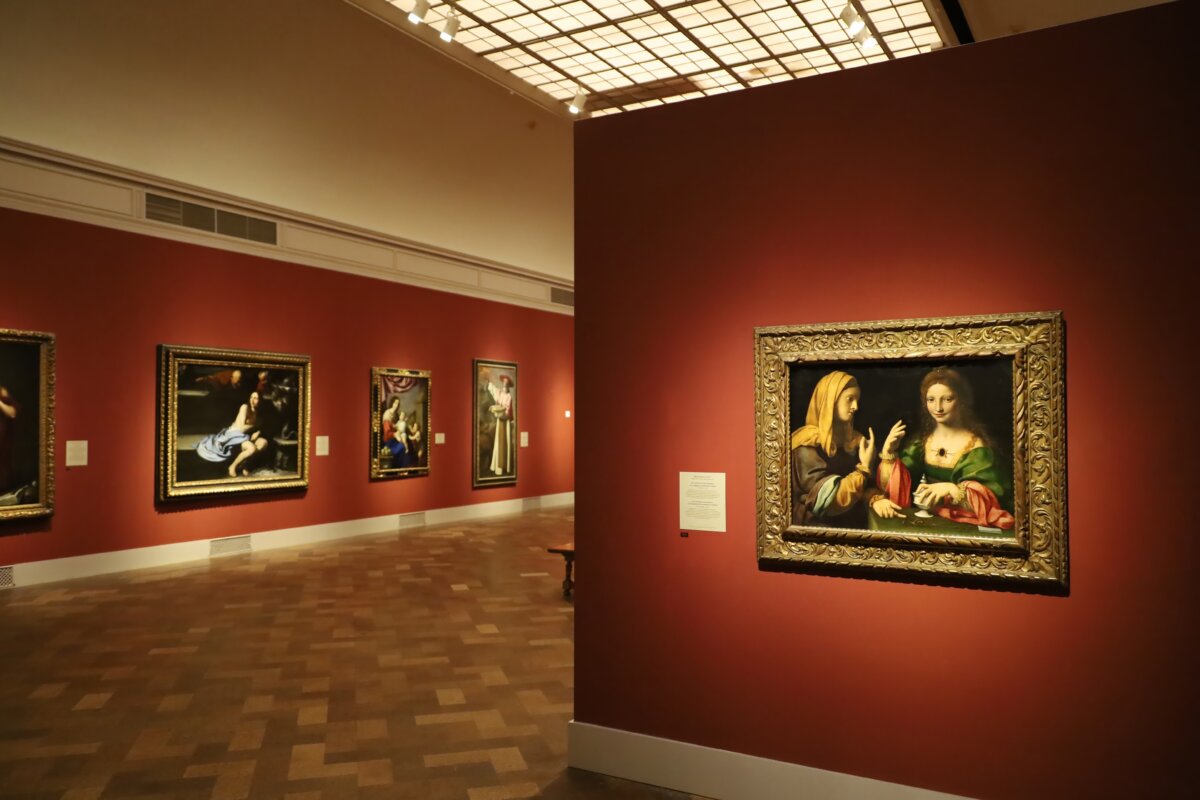
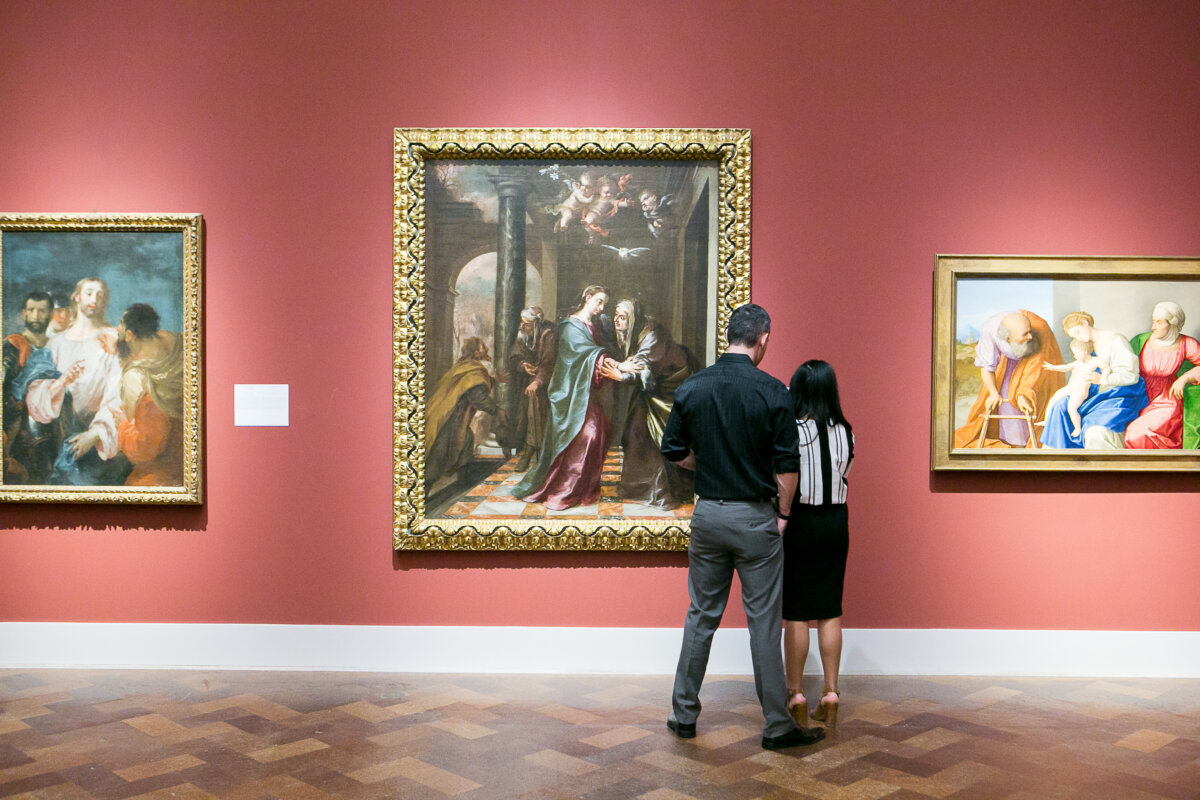
The San Diego Museum of Art is a cultural anchor in the heart of Balboa Park, a scenic urban oasis filled with gardens, fountains, and striking architecture. The museum is celebrated for its rich collection of Asian and European art, but it is particularly famous for its Spanish old master paintings by artists such as Jusepe de Ribera, Francisco de Zurbarán, and Sanchez Cotán. Its Spanish Renaissance-inspired façade reflects the region’s architectural heritage, and youth 17 and under enjoy free admission, making it welcoming for families and students.
The centennial exhibition, “SDMA 100 Years,” highlights the museum’s journey from its roots in the Panama-California Exposition to its present role as a major cultural institution. Through archival photos, film, and historical artifacts, the show illuminates how the museum helped shape San Diego’s artistic identity, connecting visitors to both the city’s past and its evolving creative landscape.
Denver Art Museum
At the Denver Art Museum, visitors can experience the spirit of the Old West through a permanent collection of artists who shaped and portrayed the American West. Highlights include 19th-century landscapes by Thomas Moran, Albert Bierstadt, and Thomas Hill, as well as historic paintings by Charles Marion Russell. The collection also features a selection of Frederic Remington’s bronze sculptures, including his acclaimed “The Cheyenne,” widely regarded as one of his finest works.
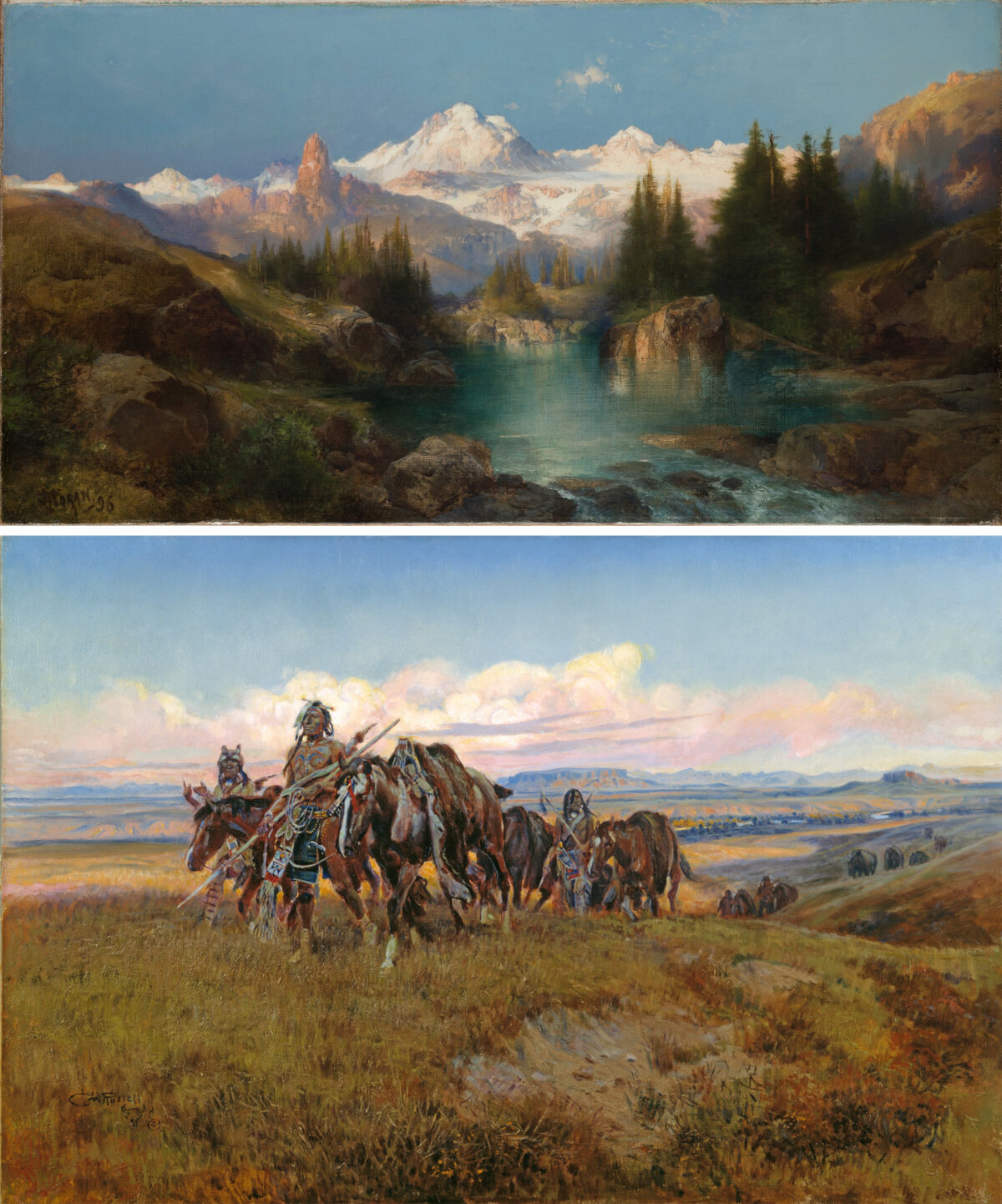
Admission is free for visitors under 18, and the Creative Hub invites kids to sit, build, draw, and experiment with materials in ways that connect directly to what they’ve seen in the galleries. The emphasis on Western American art creates rich storytelling and learning opportunities, helping visitors connect cultural artifacts to a broader understanding of the American West.
Museum of Western Art
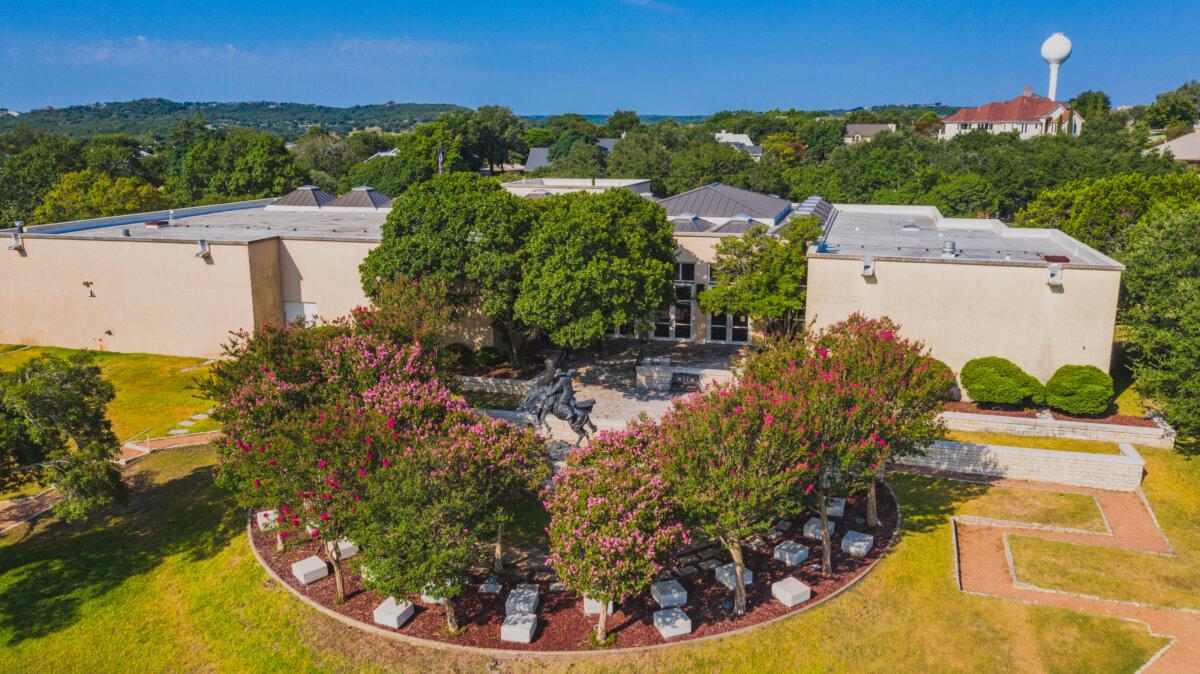
Named 2025’s No. 1 Western Art Museum in the country by True West Magazine, the Museum of Western Art is set in the heart of the Texas Hill Country. Designed by renowned Texas architect O’Neil Ford, the building features heavy timbers and rugged limestone walls that reflect its Western setting. Outdoors, life-size bronze sculptures are placed throughout the landscape, including Fred Fellows’s monumental “An Honest Day’s Work.”
The permanent collection showcases Cowboy and Western art, bringing to life cowboys, Native Americans, settlers, mountain men, and women of the West through themed exhibitions. It also explores ranching history and broader elements of Western heritage, offering a rich view of the region’s cultural story. The museum also houses the Griff Carnes Research Center, a 6,000-volume library used by educators, students, writers, and the public to study Western art and history.
Families will find the Journey West Children’s Gallery especially engaging, with an introduction to pioneer life through interactive covered wagon, teepee, and log cabin exhibits, along with hands-on artifacts, storytelling panels, and period dress-up experiences. Admission is free for children under 8.
New Orleans Museum
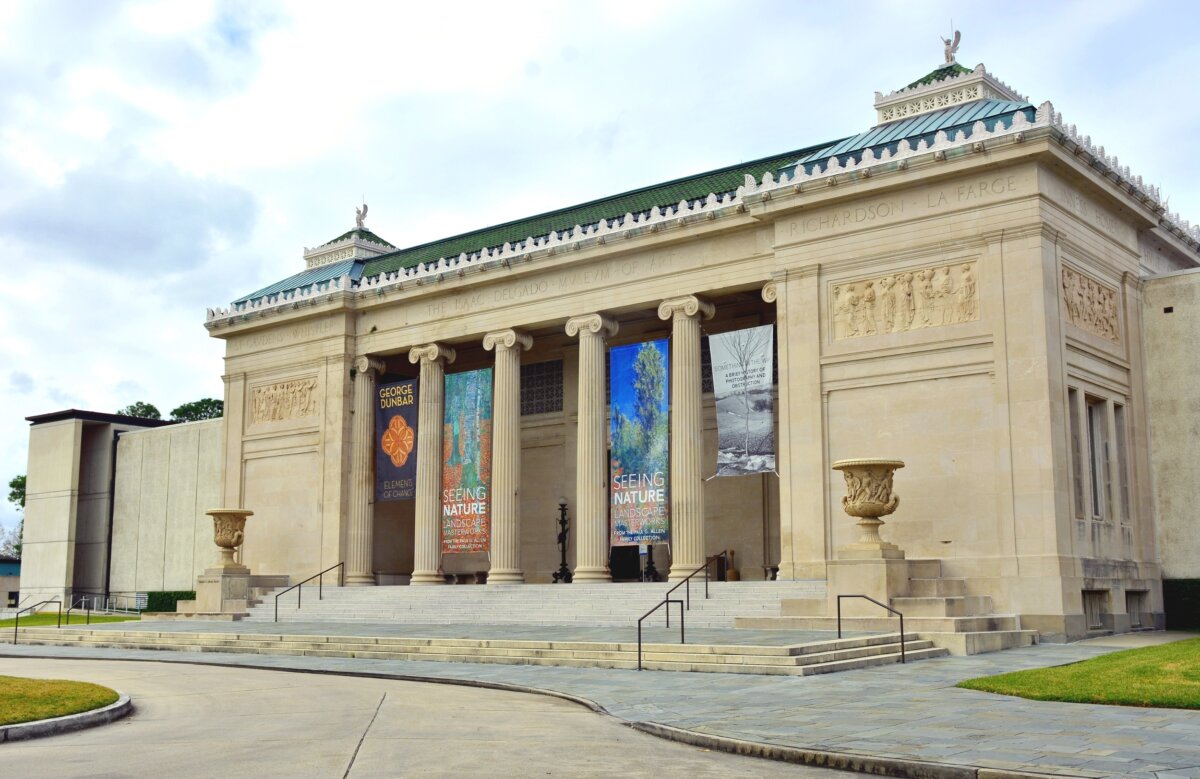
The New Orleans Museum of Art is the city’s oldest fine arts institution and reflects its rich cultural heritage. Its collection includes more than 40,000 objects, spanning French and American art, decorative arts, photography, and works from around the world.
The current exhibition, “Sèvres Magnifique: French Porcelain from the Collection of Thomas B. Lemann,” showcases the craftsmanship of the French Sèvres factory. Artisans worked alongside chemists and Rococo sculptors to produce vases, tea sets, plates, and bowls defined by richly colored glazes. Once associated with the French court at Versailles, these pieces signaled luxury and refinement in the 18th century.
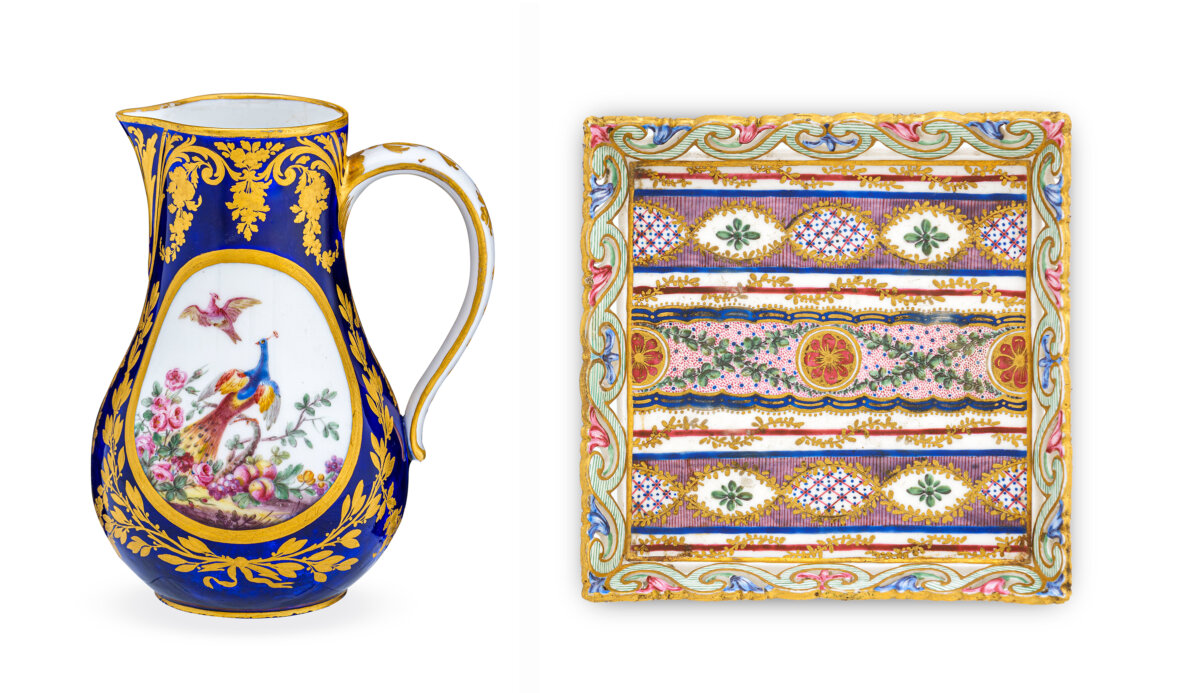
Admission is free for visitors 19 and under. Seasonal family programs and hands-on workshops encourage children to move from observation to creation through art projects.
The museum is located within City Park, where visitors can extend their experience into a scenic outdoor landscape of winding paths, reflective lagoons, and centuries-old oaks. The park also offers a range of nearby attractions, including the Louisiana Children’s Museum, the Botanical Garden, Storyland, and Café Du Monde, making it easy to spend an entire day exploring.
Art Institute
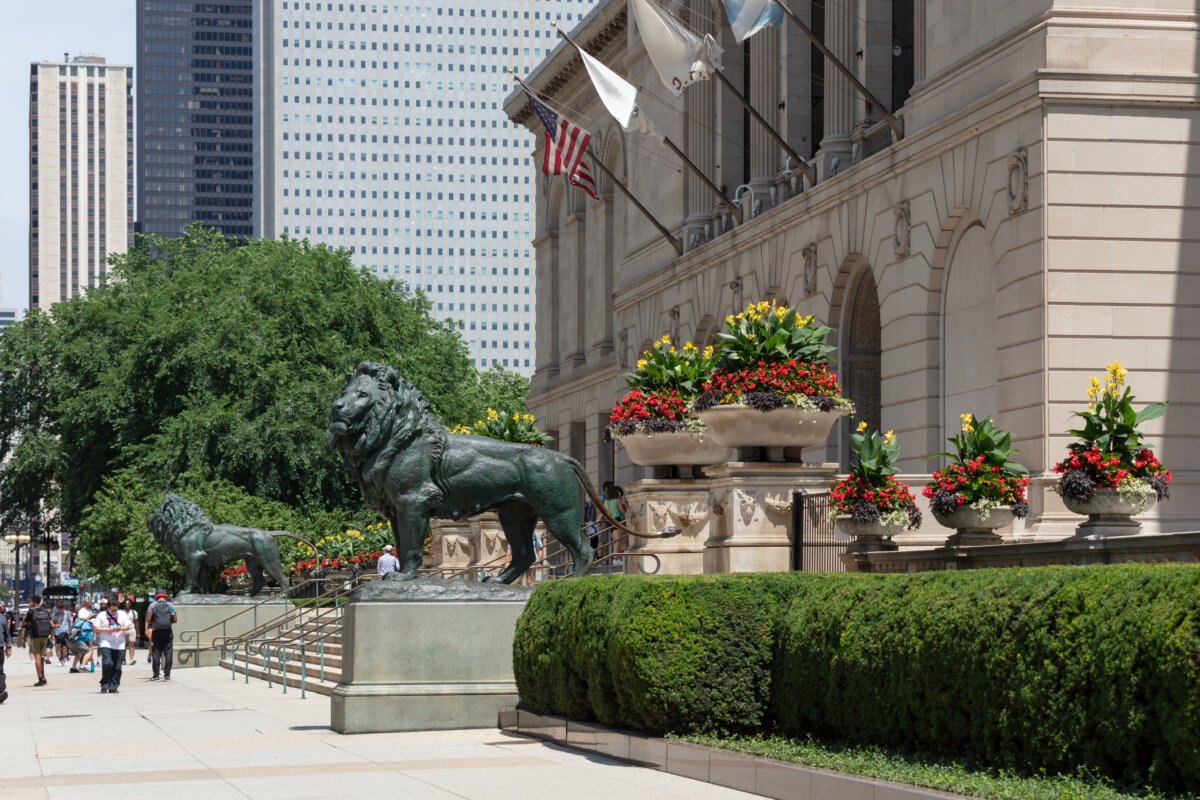
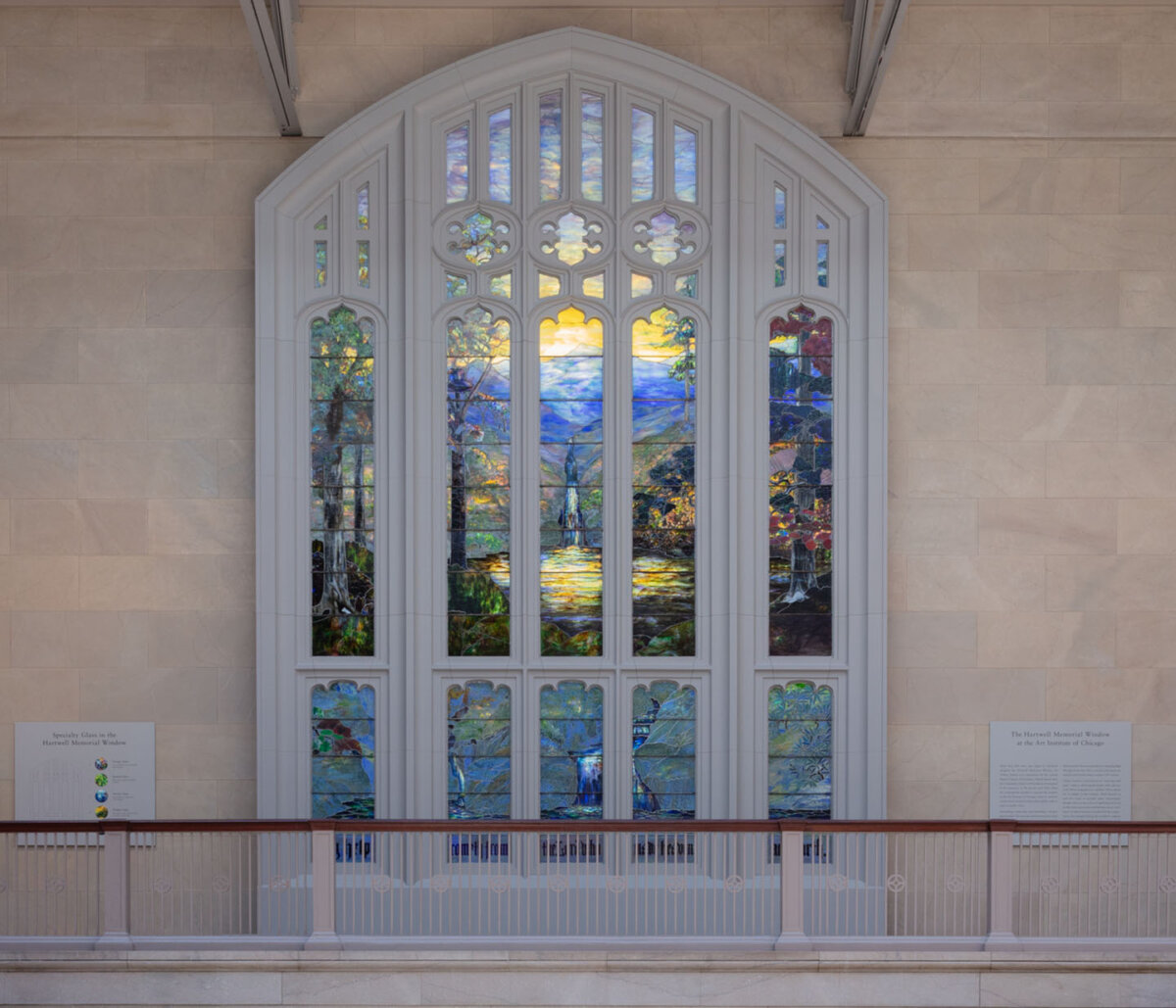
Located in Grant Park and instantly recognizable by its bronze lion statues, the Art Institute of Chicago is home to an extraordinary collection that includes masterworks like Tiffany Studio’s colorful, 25-foot-high stained glass “Hartwell Memorial Window.” Admission is free for children under 14, making it an easy choice for families. Light fills the galleries through large windows, picking out details in paintings and sculptures and giving the spaces a sense of openness and life.
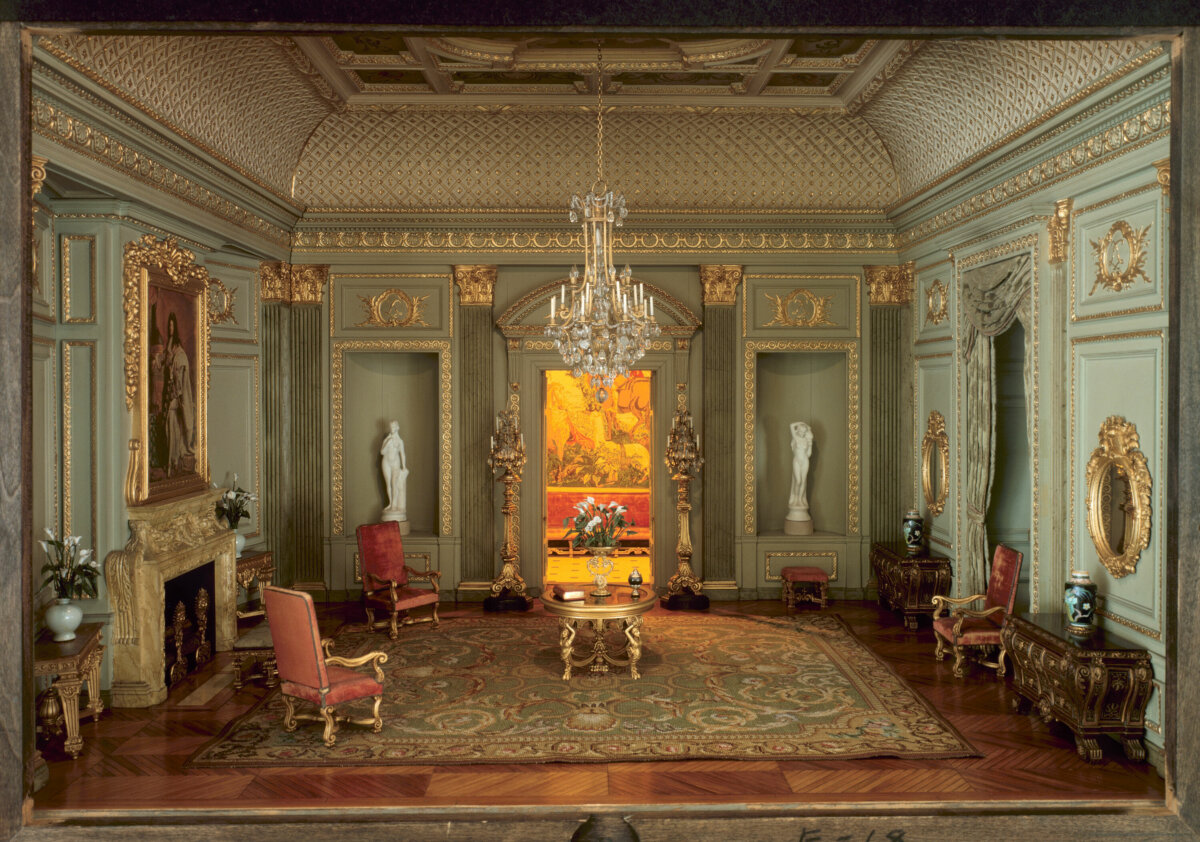
The “Thorne Miniature Rooms” are a perennial favorite with visitors of all ages, their astonishingly detailed interiors sparking imagination and close looking in equal measure.
The Ryan Learning Center offers hands-on activities where children can experiment with color, texture, and materials drawn from the collections. Galleries spanning ancient artifacts, decorative arts, and global works invite storytelling and conversation, and family rooms with comfortable seating make it easy to pause and keep younger visitors engaged throughout the visit.
Boston’s Institutions
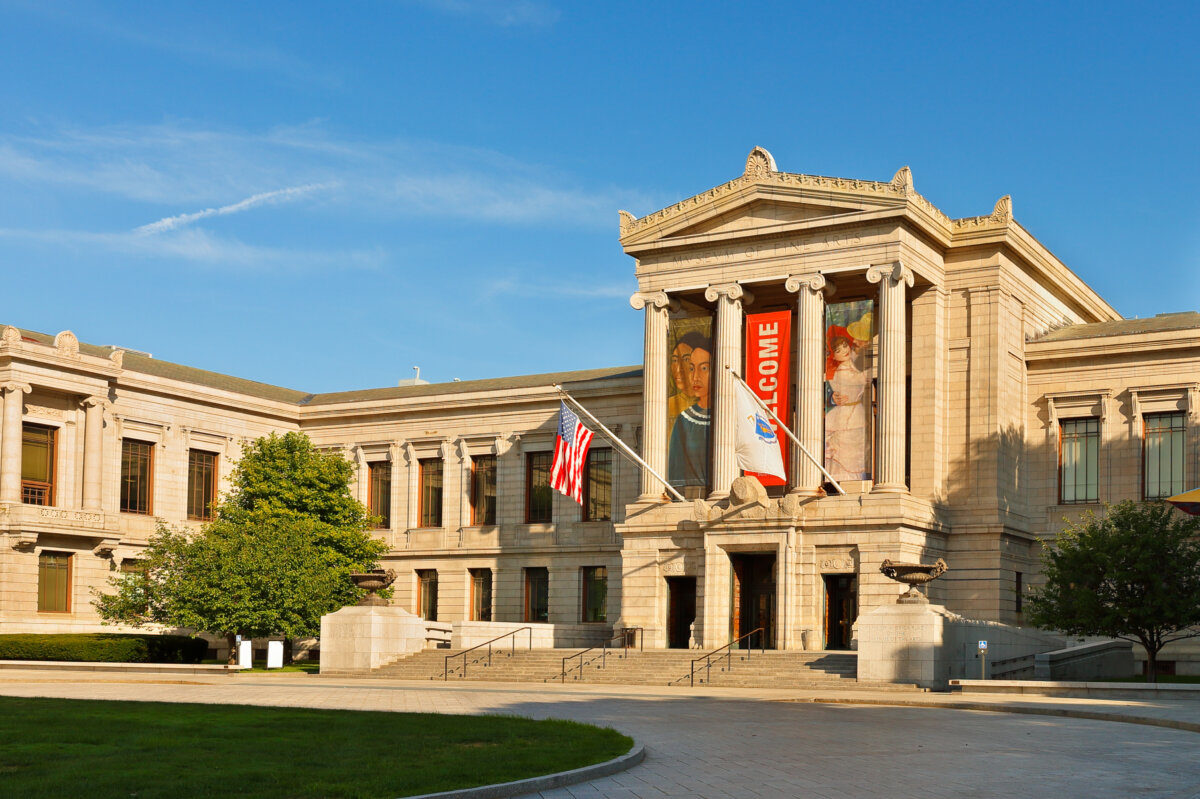
The Museum of Fine Arts in Boston holds nearly 500,000 works of art, making it one of the most comprehensive collections in the Americas and among the largest art museums in the world. Its American Wing includes landmark works such as Paul Revere’s “Sons of Liberty Bowl,” John Singleton Copley’s portrait of Paul Revere, and Winslow Homer’s evocative seascapes, together charting the development of early American visual culture.
Family tours and guided activities help bring these historic objects to life, making both art and history feel approachable and tangible. A few fun admission perks are worth noting: Visitors named Isabella get in free, a nod to the legendary collector Isabella Stewart Gardner, and anyone wearing Red Sox gear receives a discount.
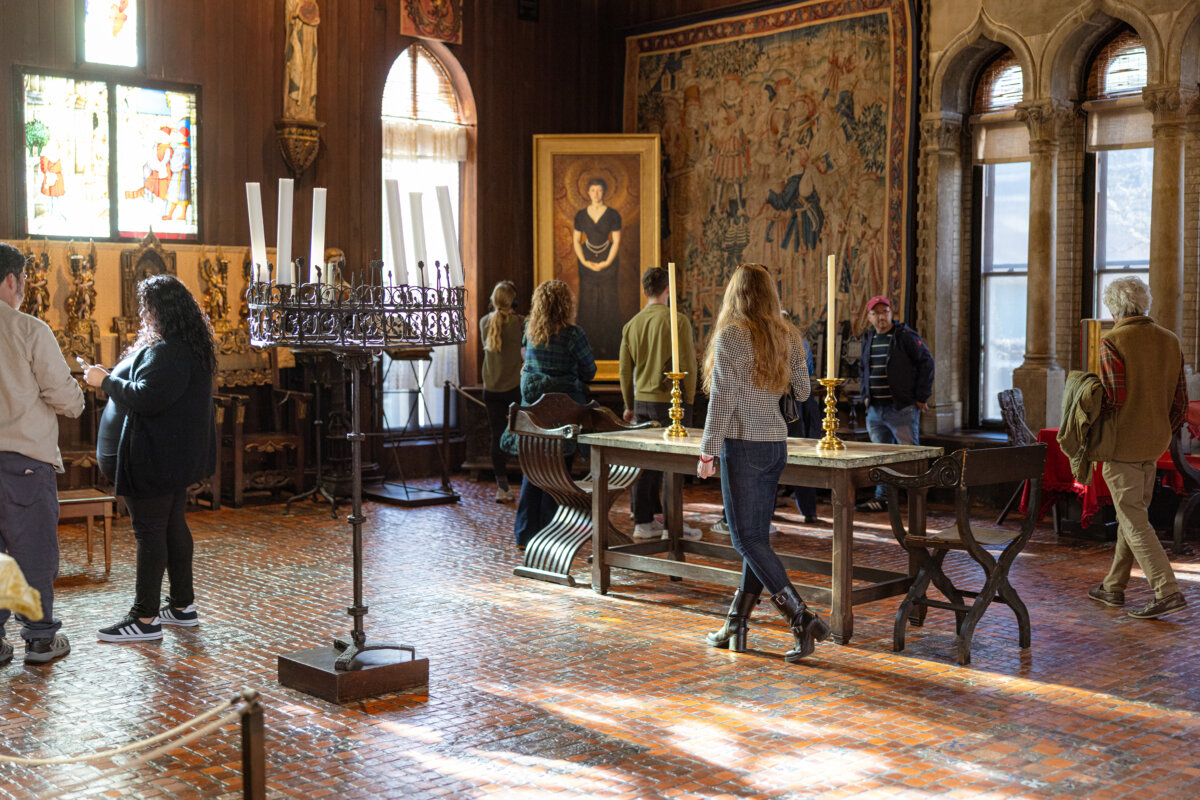
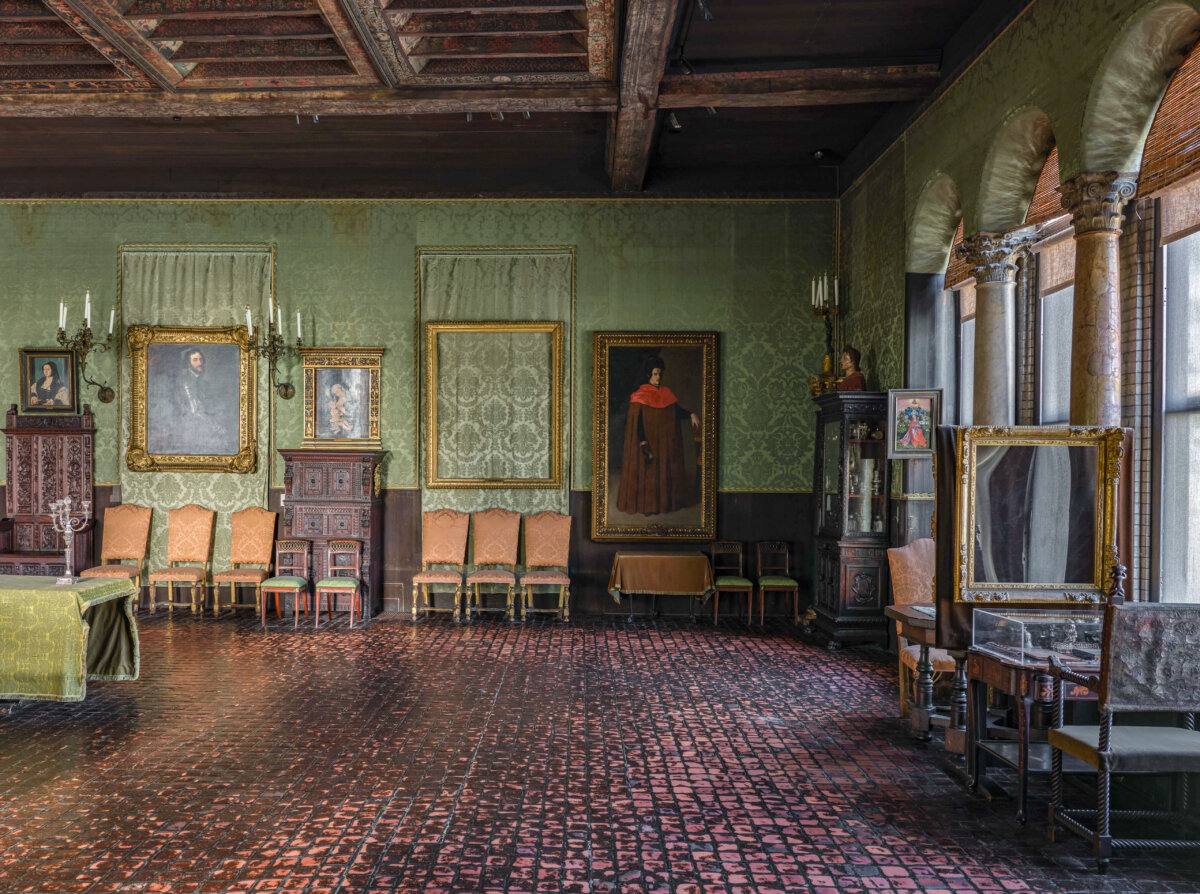
Extending the experience is easy with a short six-minute walk to the Isabella Stewart Gardner Museum, where admission is free for visitors under 17. The museum is known for its distinctive Venetian-style palace and a collection shaped by the founder’s personal vision. It is also widely recognized for the infamous unsolved 1990 art heist, when major works were stolen from the Dutch Room, including Rembrandt’s “Christ in the Storm on the Sea of Galilee,” Vermeer’s “The Concert,” Govert Flinck’s “Landscape With an Obelisk,” and a small Rembrandt self-portrait etching.
Philadelphia Museum
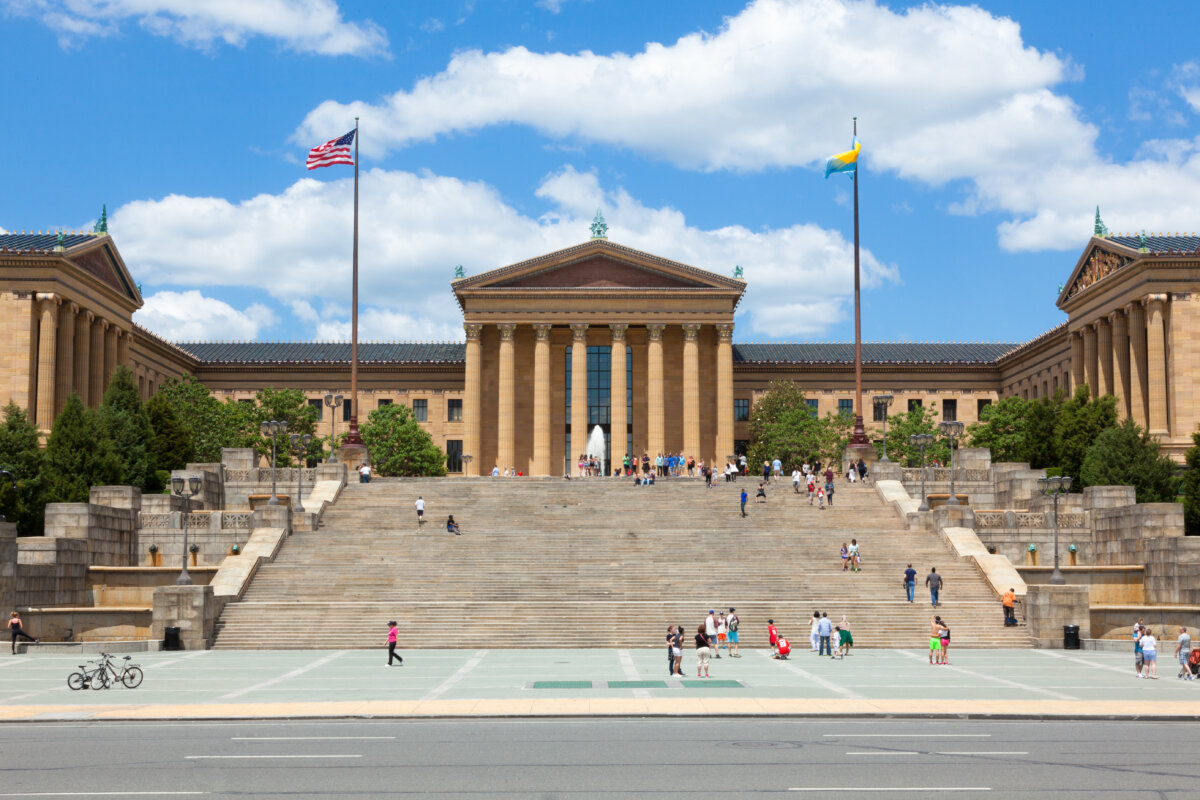
While the Philadelphia Museum of Art is best known for its famous steps, the experience inside is just as rewarding. Its encyclopedic collection spans more than 2,000 years and offers especially strong representation across European, Asian, and American art.
The Costume and Textiles collection is among the oldest and largest in the United States, ranging from 2,000-year-old archaeological textiles to innovative contemporary couture. The museum also holds one of the world’s most significant collections of works by Philadelphia-born realist painter Thomas Eakins.
Galleries alternate between quiet, contemplative spaces and more interactive areas, creating a pace that works well for families. Admission is always free for visitors under 18. On Saturdays and Sundays, Art Kids tours run at 11 a.m. and 1:30 p.m. and are best suited for ages 4 to 10, with spots available on a first-come, first-served basis.
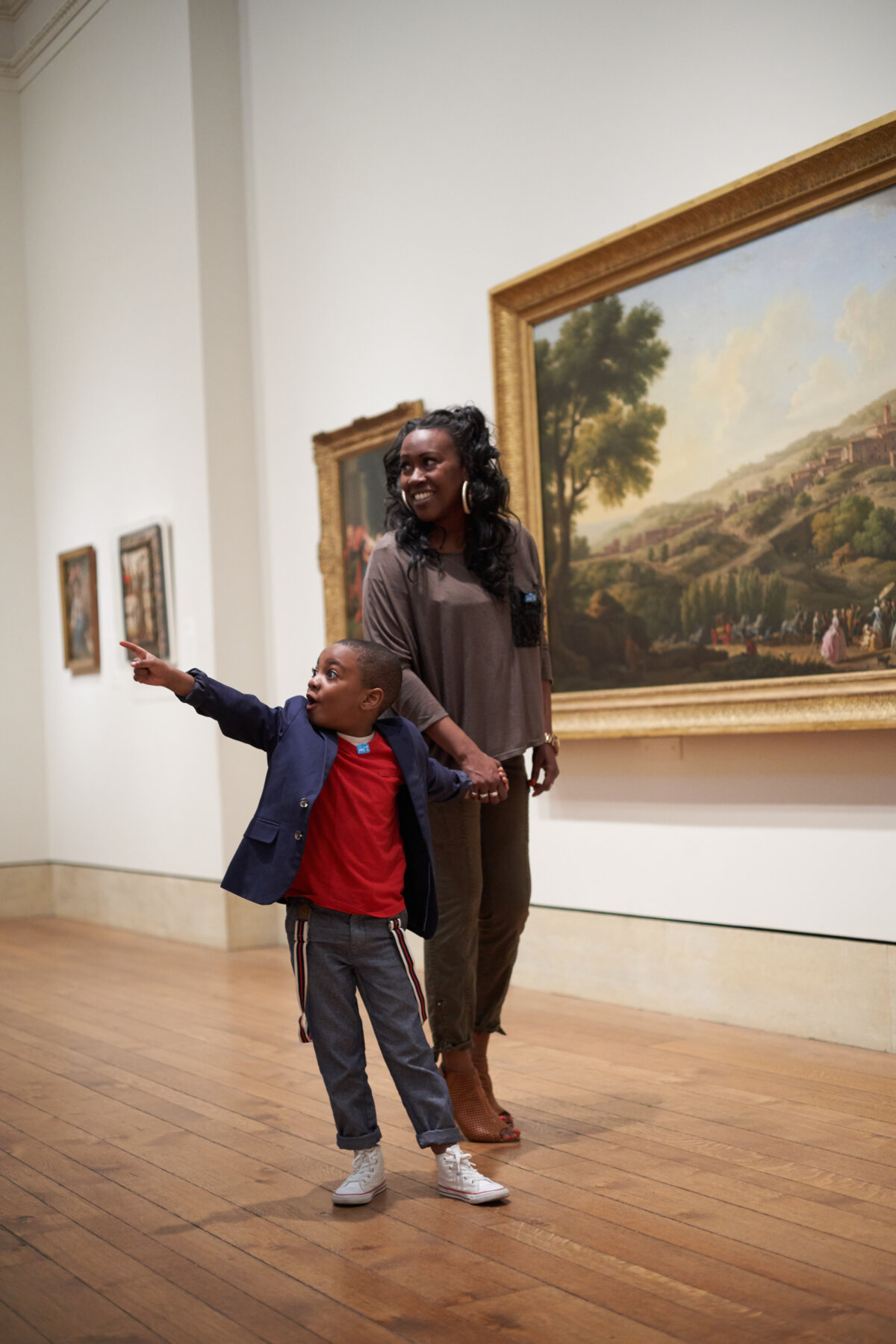
Beyond the tours, the museum offers art classes, studio time, and family festivals. Set along the Benjamin Franklin Parkway, the museum also connects easily to nearby cultural landmarks and outdoor spaces.
National Gallery
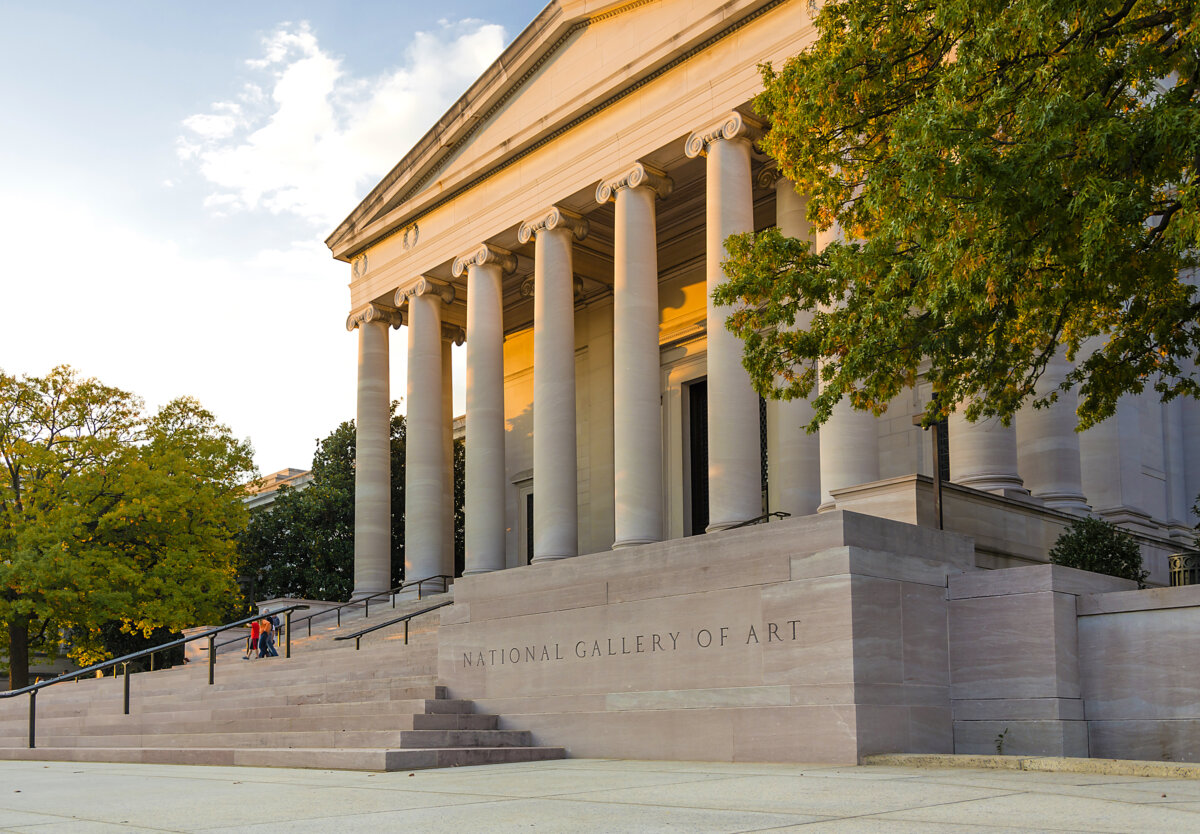
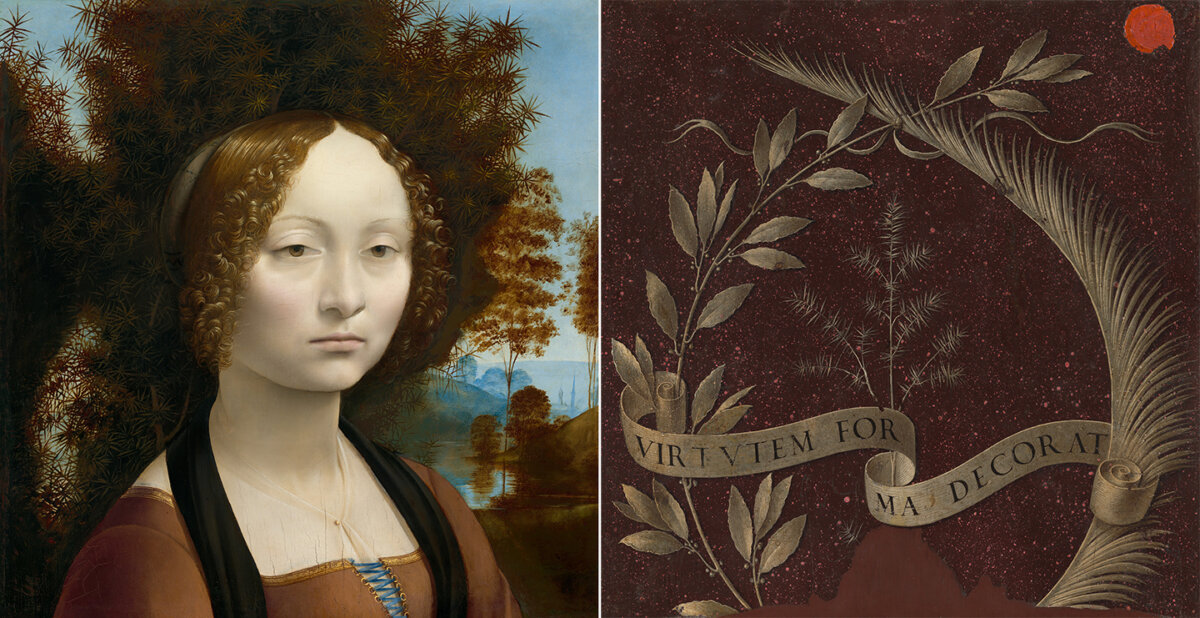
New in 2026, the National Gallery of Art will present “Dear America,” an exhibition marking 250 years of American creativity through more than 75,000 works. Its collection spans European and American art and includes the only painting by Leonardo da Vinci in the Americas, “Ginevra de’ Benci.” A highlight of the museum is the former Corcoran Gallery of Art collection. Founded in 1869 as the first U.S. museum devoted exclusively to art, it closed in 2014, after which the National Gallery assumed stewardship of more than 9,000 works spanning antiquity to the present.
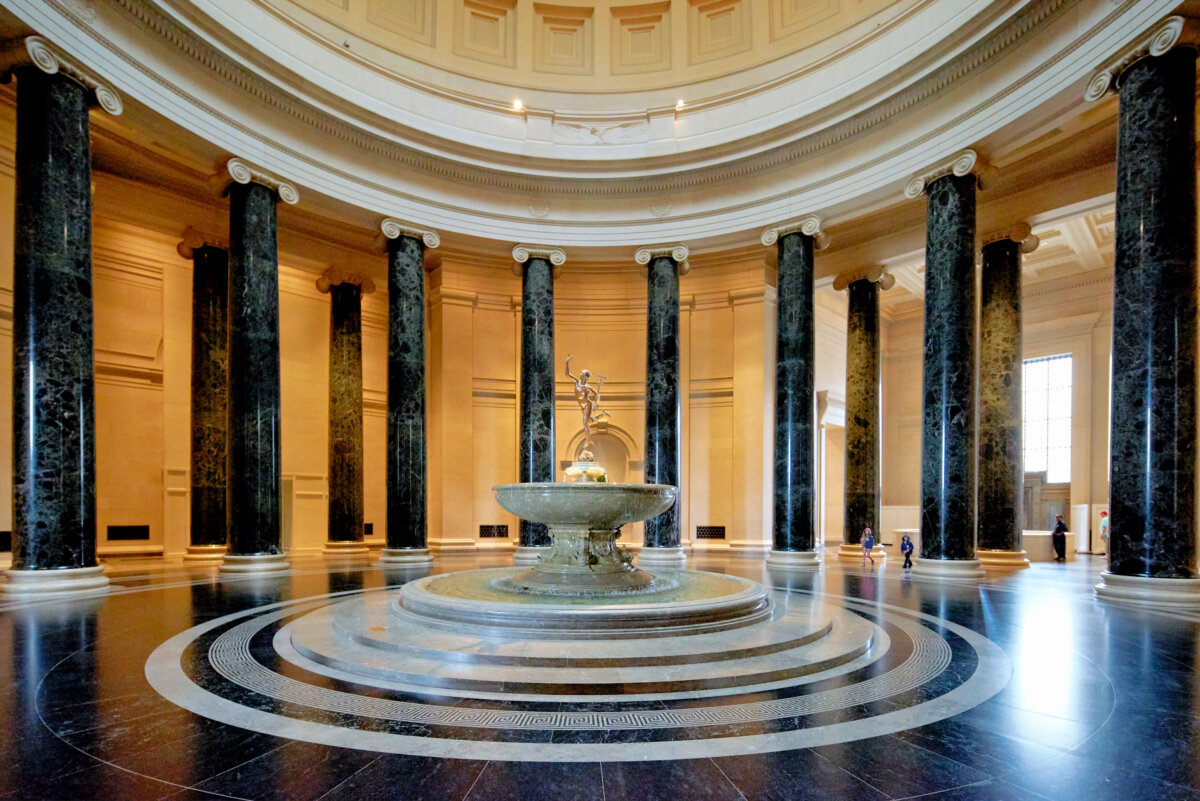
The museum spans the East and West Buildings, creating a broad, cohesive campus for visitors to explore. Classic art enthusiasts will appreciate the West Building’s neoclassical design, Tennessee pink marble, and its expansive skylit roof that fills the galleries with natural light. Inside, the Rotunda serves as a central gathering point for tours and is modeled after the Pantheon in Rome. Outdoors, the more than six-acre Sculpture Garden offers space to wander and free summer concerts.
The Met
Few museums in the world rival The Met’s scale, yet it remains remarkably welcoming for families. Its collection of more than 2 million objects spans 5,000 years, but thoughtful programming keeps the experience engaging rather than overwhelming.
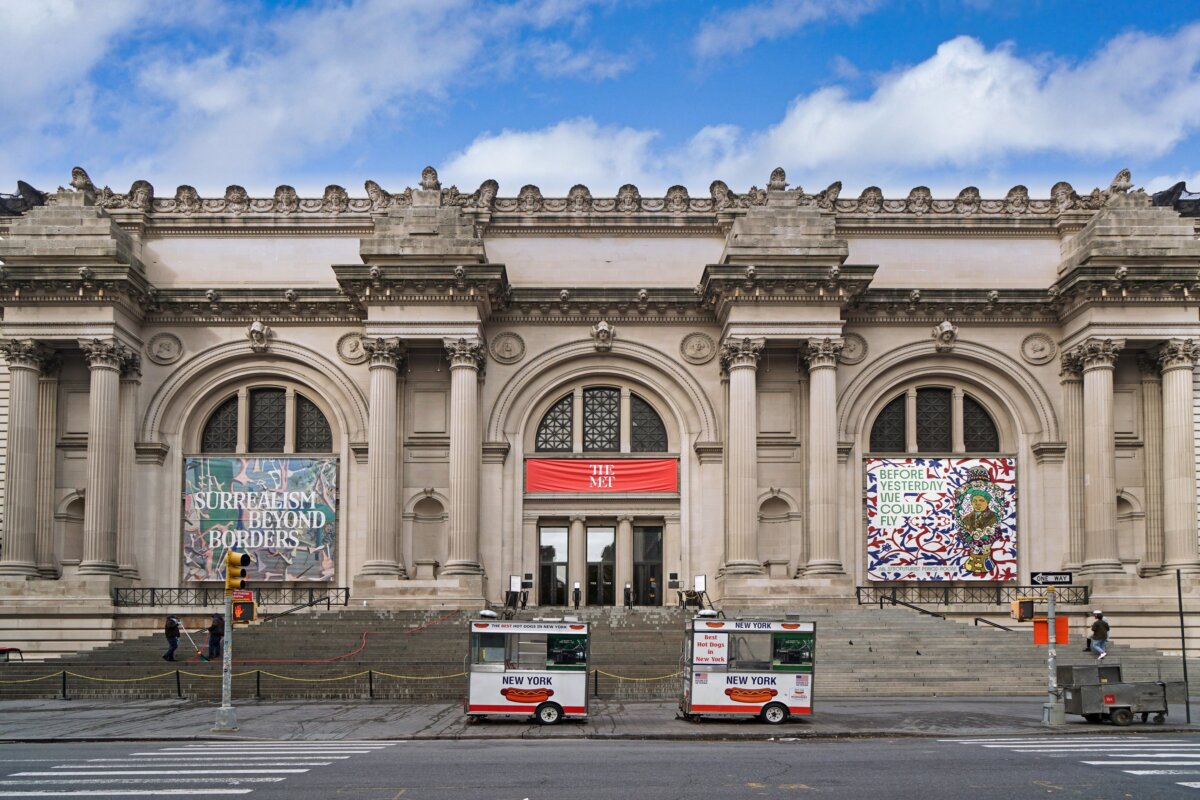
Children 12 and under are always admitted free, and details like the resident florist’s dramatic lobby arrangements and the beloved blue hippo mascot “William” add a sense of playfulness to the grandeur. Family guides turn galleries into interactive journeys, while storytime programs offer younger visitors an easy entry point.
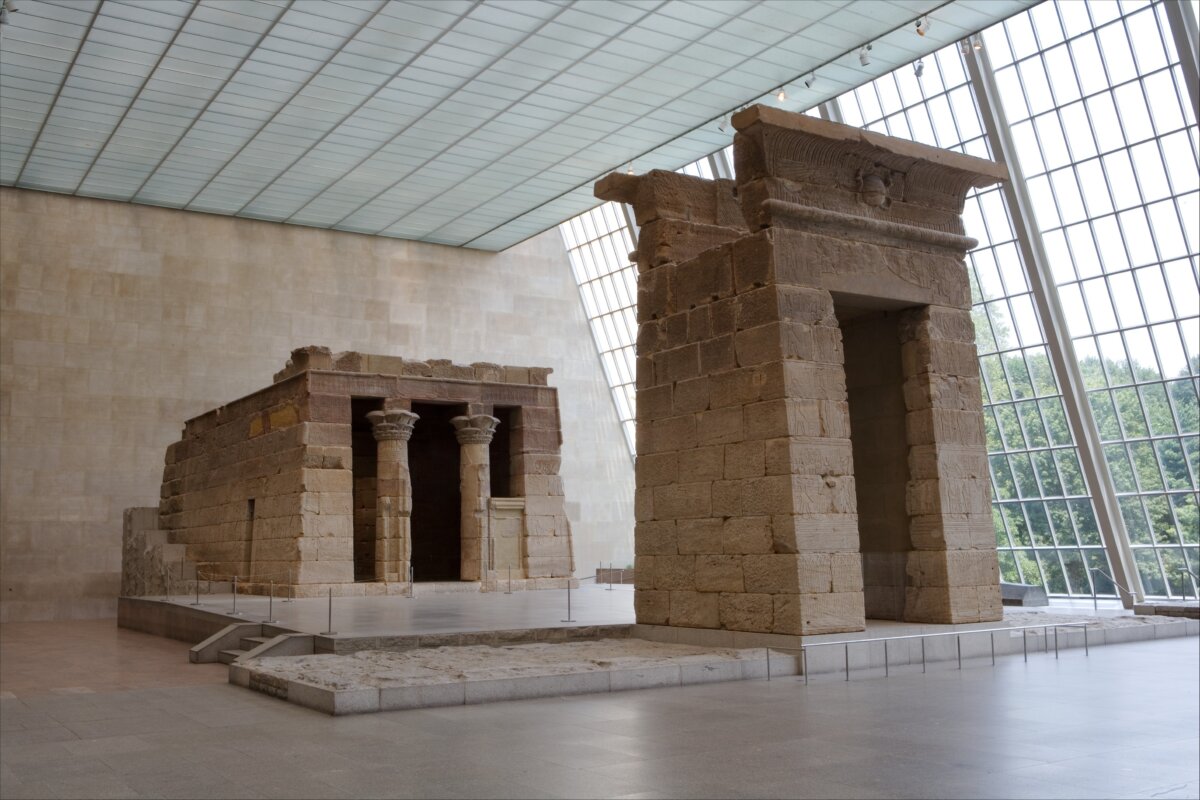
Highlights span cultures and centuries, from the ancient “Temple of Dendur” to “The Death of Socrates” and “Washington Crossing the Delaware.” In summer, the rooftop garden provides a final reward: open sky, a light breeze, and sweeping views over Central Park.

What arts and culture topics would you like us to cover? Please email ideas or feedback to features@epochtimes.nyc.