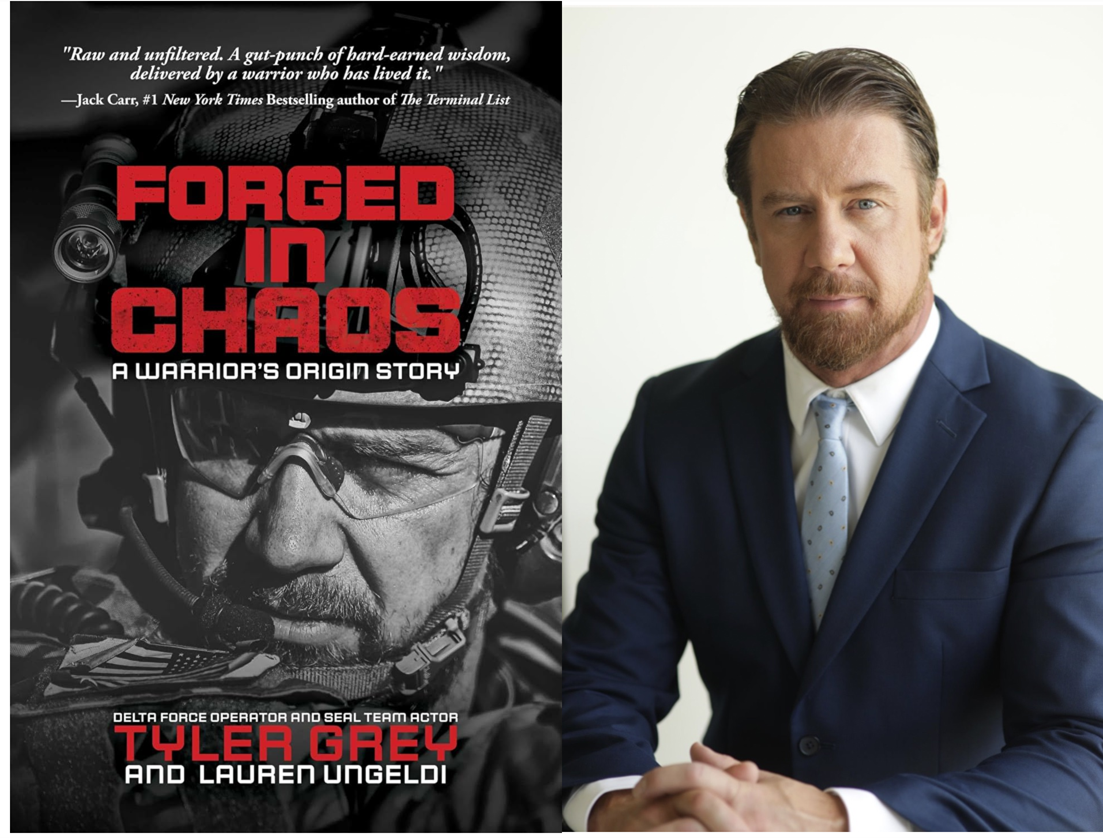
“What happens when the war doesn’t end—it just moves inside your head?” This haunting question, posed by Tyler Grey in his new book, “Forged in Chaos: A Warrior’s Origin Story,” captures the essence of his memoir. The battlefield may go silent, but for many warriors, the real fight begins when the shooting stops.
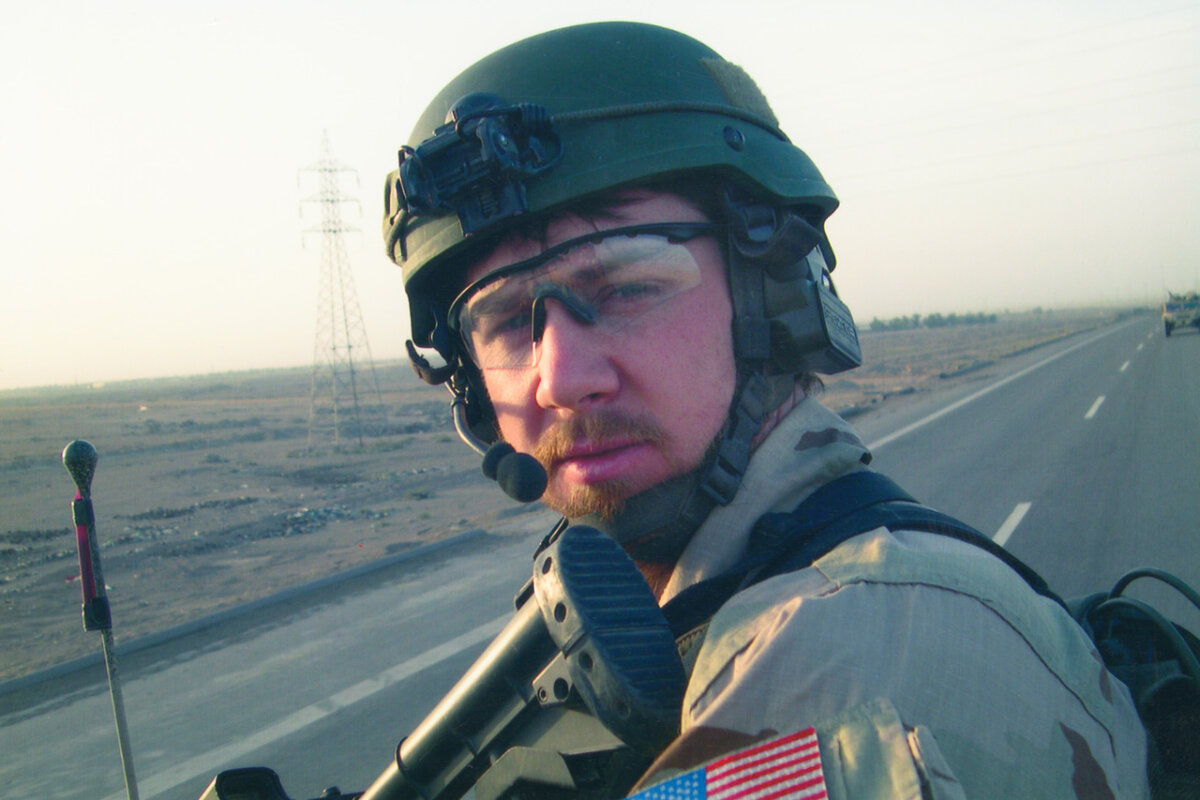
Grey, a former Delta Force operator and Army Ranger, invites readers deep into the crucible that follows elite military service. His story isn’t a glorification of combat but a raw, unvarnished account of life at the tip of America’s military spear—and the harder battle of recovery, identity, and purpose that comes after. During a nighttime raid in Sadr City, Iraq, Grey sustained severe injuries that abruptly ended his military career. The years that followed were filled with grueling physical rehabilitation. He faced the mental challenge of losing the role that had defined him for so long.
‘Chaos Addiction’
What makes “Forged in Chaos” especially compelling is Grey’s introduction of “chaos addiction.” Warriors can become dependent on the intensity of combat, sometimes unconsciously seeking conflict or risk in civilian life to fill the void. The sudden absence of this adrenaline-fueled environment can be deeply unsettling.
To explain it further, Grey presents his LTSD (Lack of Traumatic Stress Disorder) framework, a provocative challenge to conventional PTSD narratives. Instead of viewing post-combat adaptation solely through the lens of injury, he frames it as a transformation, sometimes dangerous, but also full of potential for growth and self-discovery.
Grey is known to many for his role on CBS’s “SEAL Team.” His real-life journey, from elite operator to wounded veteran to actor, director, and mental health advocate, adds authenticity and depth to his writing. His style is unflinchingly honest yet approachable for readers without military experience.
Grey’s memoir does more than recount battles fought overseas. It delves into the profound psychological shifts that occur after combat, exploring how warriors can come to find comfort—even a sense of safety—in the very chaos they once fought to survive. Within the tight bonds of a military unit, facing danger together becomes a stabilizing force. When that structure and intensity disappear, the absence can feel disorienting, even alienating.
Embracing Change
He writes candidly about the process of transformation after injury, making it clear that survival often depends on embracing change instead of resisting it. Adaptation isn’t optional; it’s a matter of endurance. Those who fail to evolve risk losing themselves entirely. For Grey, accepting change isn’t a sign of weakness but proof of resilience and the mark of a survivor.
The book confronts one of the most difficult aspects of post-service life: returning to a civilian world that doesn’t speak the “language” of combat. Grey doesn’t ask for pity or special treatment. Instead, he seeks understanding. The modern warrior isn’t broken, but changed, and that change must be acknowledged and respected.
In this way, “Forged in Chaos” earns its place alongside other landmark works in warfighter literature, explaining both the cost and the meaning of service. Grey provides penetrating insight into the mental transitions required after combat and invites readers to rethink common assumptions about trauma. His LTSD theory is rooted in lived experience and offers a hopeful counterpoint to narratives that focus solely on loss or damage.
Grey also reframes trauma as a forge for identity rather than a purely destructive force. This metaphor, the forge, runs throughout the book, emphasizing that heat and pressure can create something stronger. His central argument is clear: Healing isn’t about returning to who you were before the war, but about standing tall as the person you have become through it.
What sets “Forged in Chaos” apart from other memoirs is its balance of vulnerability and strength. Grey doesn’t shy away from describing pain, fear, or uncertainty, but neither does he allow them to define him. The result is a work that will resonate not only with veterans but with anyone who has faced life-altering change.
Ultimately, “Forged in Chaos” is more than a war memoir. It’s a study in resilience, a challenge to preconceived ideas about post-combat life, and a call to see warriors as evolving, not broken. By telling his story without self-pity or sugarcoating, Tyler Grey offers a valuable contribution to understanding what happens when the war ends—but the warrior remains.
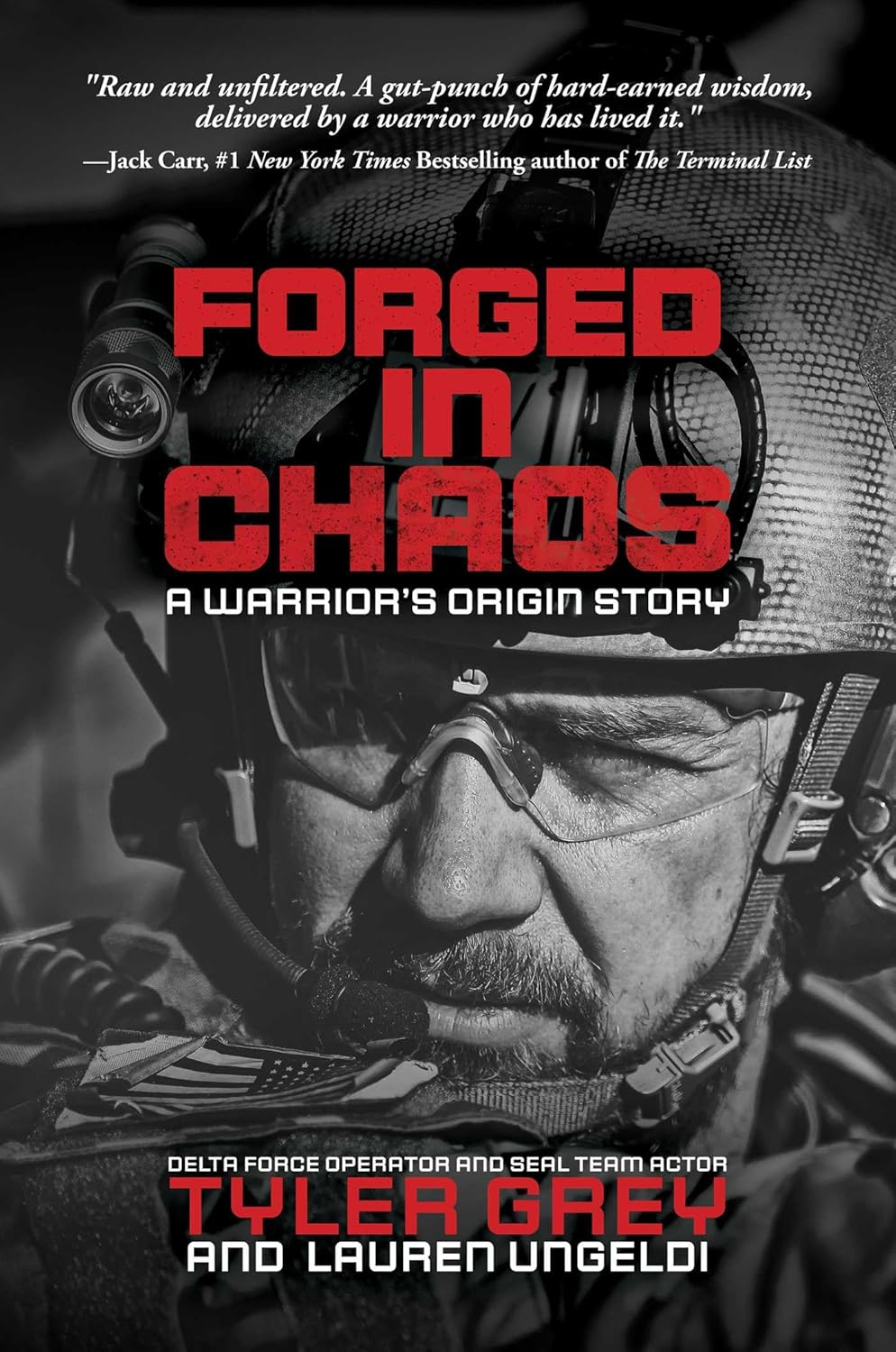
‘Forged in Chaos: A Warrior’s Origin Story’
By Tyler Grey
Knox Press: July 15, 2025
Hardcover, 352 pages
What arts and culture topics would you like us to cover? Please email ideas or feedback to features@epochtimes.nyc