
In the early mix of American commerce, few founders were less driven to build an empire than David H. McConnell. Born in 1858 in Oswego, New York, he came of age in a country still shaping its commercial identity. Lacking inherited wealth or connections, he started as a traveling book salesman, relying on persistence to earn commissions.
This modest beginning took a pivotal turn with a small, practical adjustment.
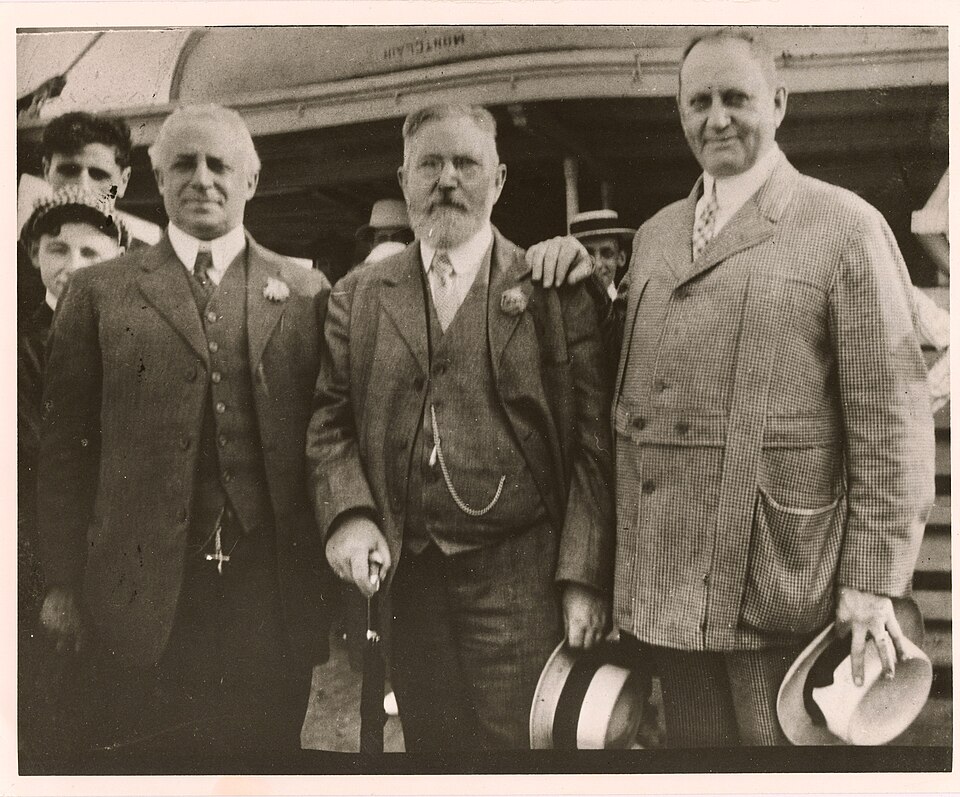
A Gift That Changed the Business
In the 1880s, while selling books door to door, McConnell offered small perfume vials as complimentary gifts. The fragrances drew more interest than the books.
Rather than dismiss the pattern, McConnell acted on it. In 1886, he left the book trade and established the California Perfume Company in New York City. The name, more aspirational than literal, aimed to evoke the botanical richness of California, showing his instinct for branding.

His next adjustment centered on distribution. He began recruiting women as sales representatives, sending them into their communities to sell perfumes and related goods directly to customers.
Among the earliest was Persis Foster Eames Albee (1836–1934), who became the company’s first official representative. Traveling extensively, she helped build a network of sellers and introduced a more systematic approach to direct sales that could be repeated and expanded across regions.
Sales representatives maintained strong ties within their communities, making them effective intermediaries between company and customer. For many, the work offered a source of modest but meaningful income at a time when opportunities were limited.
Building a Fragrance Enterprise: The Emergence of Avon
From its New York base, the California Perfume Company expanded steadily. By the 1890s, McConnell had established manufacturing operations in Suffern, New York, positioned to take advantage of growing rail networks. In 1896, German-born chemist Adolph Goetting (1851–1929) joined the firm, formalizing production methods and improving consistency. This blend of craftsmanship and organization set the company apart.
The product line soon extended to cosmetics and toiletries, reflecting customer demand and company ambitions. By the early 20th century, the sales network reached across the United States and into Canada. The company incorporated in 1909.
In the late 1920s, a new identity began to take hold. The company introduced “Avon” as a product line, drawing inspiration from Stratford-upon-Avon, birthplace and burial site of William Shakespeare. It was an echo of McConnell’s early years in book trade. After his death in 1937, the company continued to evolve, formally adopting the name Avon Products in 1939.
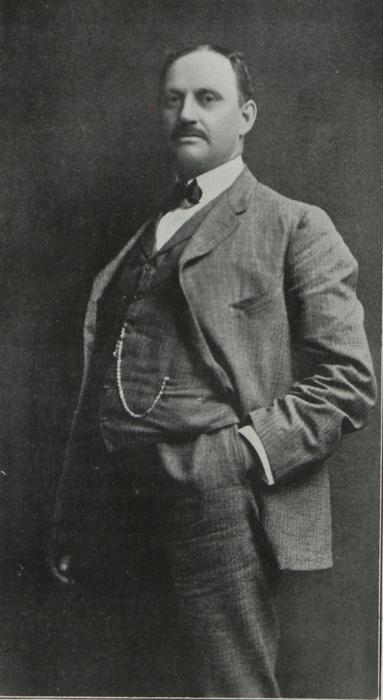
Legacy: Opportunity and Enterprise
Beyond commerce, McConnell was active in civic and financial life in Suffern, serving in roles connected to banking, leadership, and education. Despite his success, he remained closely tied to the habits of his early career: direct contact with customers, attention to their preferences, and reliance on personal relationships as the foundation of trade. He died in 1937 at age 78.
McConnell’s legacy can be measured in the international company he built, but the real imprint came from the system he pioneered. His direct-selling model, built on personal interaction and decentralized distribution, reached customers beyond storefronts and created job opportunities for those outside the traditional marketplace.
His success rested not on a single breakthrough, but on attention and adjustment. He noticed what customers responded to and followed it, even when it led him away from his original trade.
What grew from that gesture, a small bottle of perfume offered as a courtesy, was not only a company, but an understated, durable shift in how Americans bought and sold: person to person, face to face, door to door, built on familiarity and trust.
What arts and culture topics would you like us to cover? Please email ideas or feedback to features@epochtimes.nyc