



Busy schedules and evening screen time can make it difficult to get the sleep we need. But establishing a nightly bedtime routine can help our overstimulated minds and bodies prepare for rest.
Classical music can be a powerful tool for one’s bedtime routine. A George Mason University article notes listening to music in the classical tradition can provide stress relief and help with chronic pain management. It can decrease the heart rate and improve oxygen saturation. Classical music can also help support a healthy brain as we age.
The following three classical works by celebrated composers can help calm the mind and body, helping to create a peaceful environment for a rejuvenating night of sleep.
The Classic ‘Lullaby’
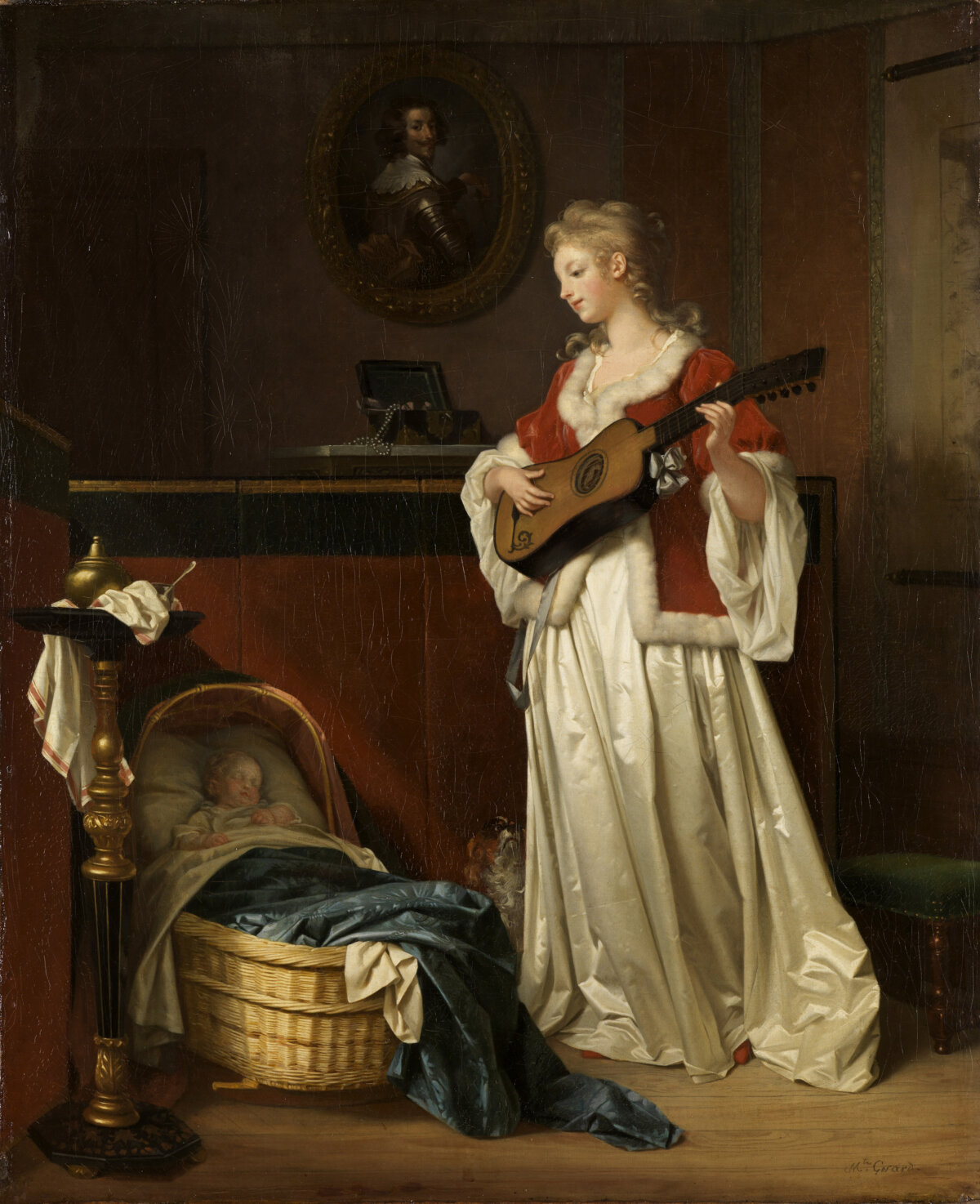
In 1868, Johannes Brahms penned one of classical music’s most popular compositions. His “Lullaby” has connected generations for more than a century as mothers have long hummed its gentle melody while their newborns fall asleep. The classical pianist and composer wrote the dreamy ballad as a tribute to his dear friend Bertha Faber and the birth of her son, but he included a hidden message in the song.
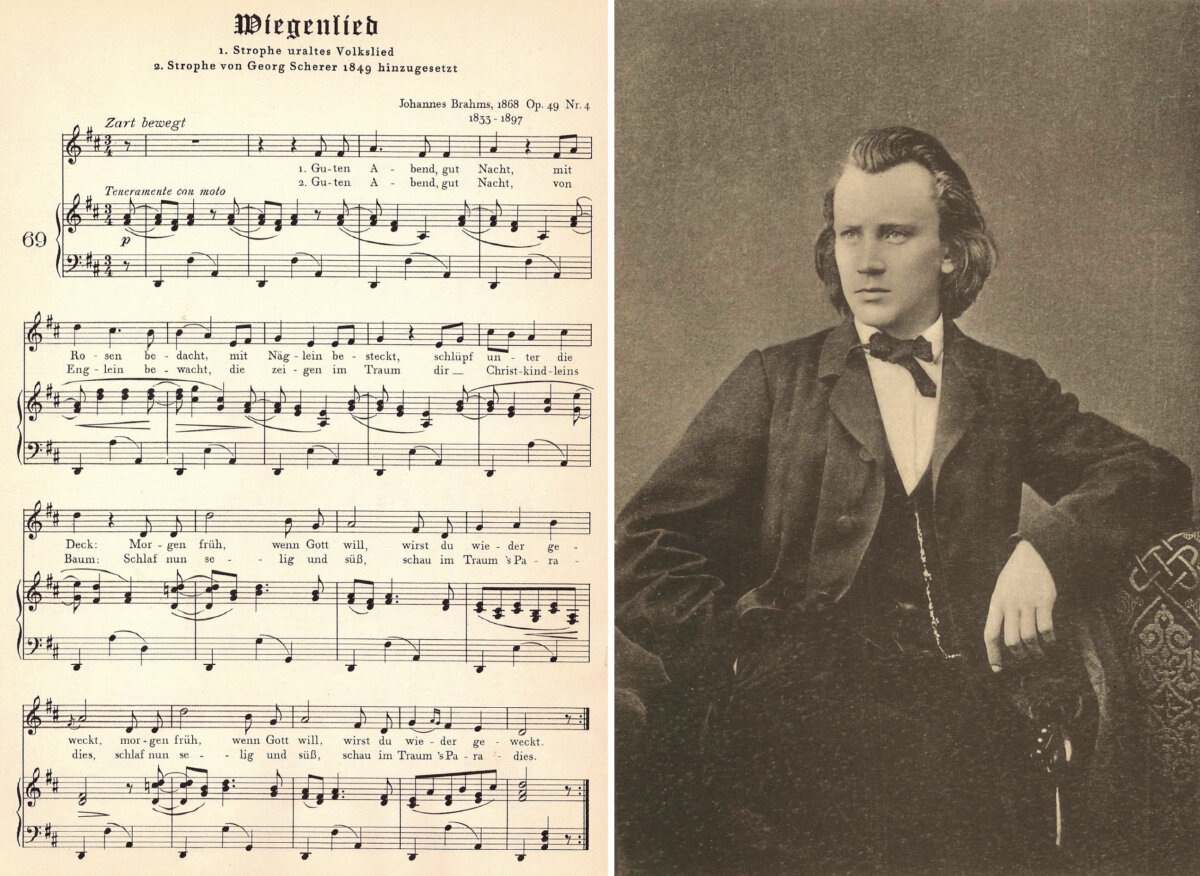
Before Faber married, she and Brahms would take walks together and, to pass the time, she would sing him a song by Alexander Baumann from the 1840s, “S’Is Anderscht.” Brahms incorporated the Austrian folk tune into his “Lullaby” piece as a secondary melody knowing, when Faber heard it, she’d recognize the composition wasn’t just for her son but for her as well. Brahms had become smitten with Faber during their time together, and he included “S’Is Anderscht” as a hidden message of his affection.
Brahms’s composition is often simply referred to as “Lullaby.” But it is also called “The Cradle Song” and is sometimes referred to by its original title, “Wiegenlied,” German for “lullaby.”
Over the years, various versions of lyrics have accompanied the music. The most popular lyrical renditions were sung by well-known vocalists like Bing Crosby and Frank Sinatra in the 20th century, with the famous opening phrase, “Lullaby and goodnight.” But according to music resource Classical FM, the instrumental version penned by Brahms remains “one of the most popular and timeless pieces of classical music.” Its gentle melody continues to help adults and little ones alike wind down and drift off to dreamland.
‘The Swan’
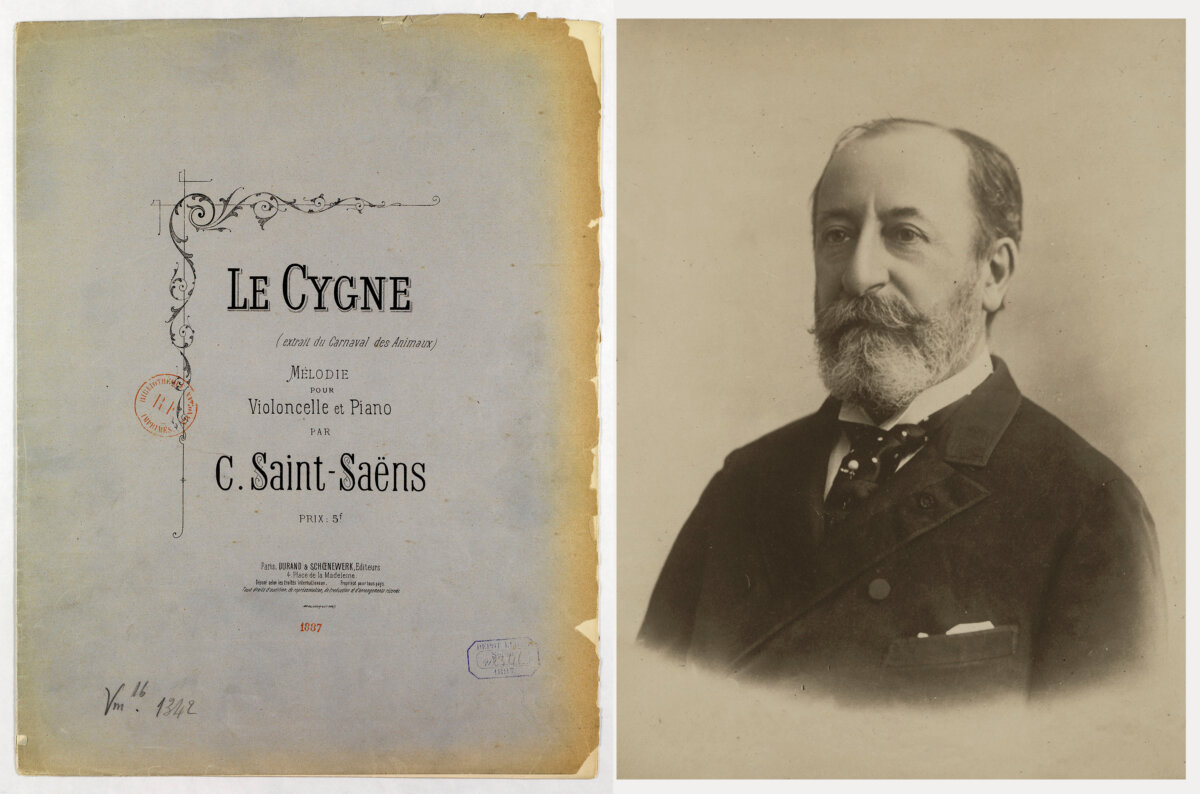
French composer Camille Saint-Saëns’s classical work “The Carnival of the Animals” offers listeners an entertaining musical experience. Instruments mimic the roar of a lion and the thrilling melodies of birdsong. But tucked away in the 14-movement series, just before the final piece, a serene vignette appears. The playful nature of the musical suite pauses as the pianos and cello embody calm waters and a graceful swan. Saint-Saëns took a lighthearted approach to writing “The Carnival of the Animals,” but its inspired movements like “The Swan” have affected listeners deeply since its first official publishing in 1922.
Music organization Your Classical explained the interesting origin of this famous work as well as the view the composer took of it:
“The French composer was supposed to be working on his third symphony when he took a break to compose ‘Carnival’ in a small Austrian village in 1886. Though he had a great time writing it, he worried the humorous piece would harm his reputation as a serious musician. Insisting the work be performed in private, he allowed only the iconic cello movement ‘The Swan’ to be published during his lifetime.”
The gentle, slow nature of “The Swan” gives it the feel of a lullaby, making it an ideal piece to play in the evening while quieting the mind. Because the piece mimics water, there’s a languid flow to it that helps signal the body to slow down. The Wisconsin Music Educators Association detailed aspects of the standalone movement that make it perfect for a bedtime playlist. “With a melody of exquisite shape, grace and balance floating across a rippling, transparent accompaniment, and inspired imagery to be discovered at every level, ‘The Swan’ is a miniature masterpiece.”
Bach’s ‘Air’

Johann Sebastian Bach’s “Air” is another widely recognizable classical work. It’s been used in movies, advertisements, and celebratory moments in Western culture. Its peacefully uplifting and sentimental melody appears as the second movement in the German composer’s suite.
Bach was a coffee fiend, reportedly sometimes drinking up to 30 cups a day. But the effects of his caffeine intake are nowhere to be found in “Air,” which features delicately soaring violins and a soft, supportive cello.
The work became especially popular after band leader and violinist August Wilhelmj created a Romantic interpretation in the late 19th century. Wilhelmj’s emotive version took on a life of its own and garnered various titles like “Celebrated Air.” Another name for his rendition, “Air on the G String,” left listeners confused. Bach’s “Air” is in the key of D major, but Wilhelmj lowered the key to C major for his arrangement. This allowed his violin players to have a little fun. The new key meant they could play the whole composition on a single string—the G.
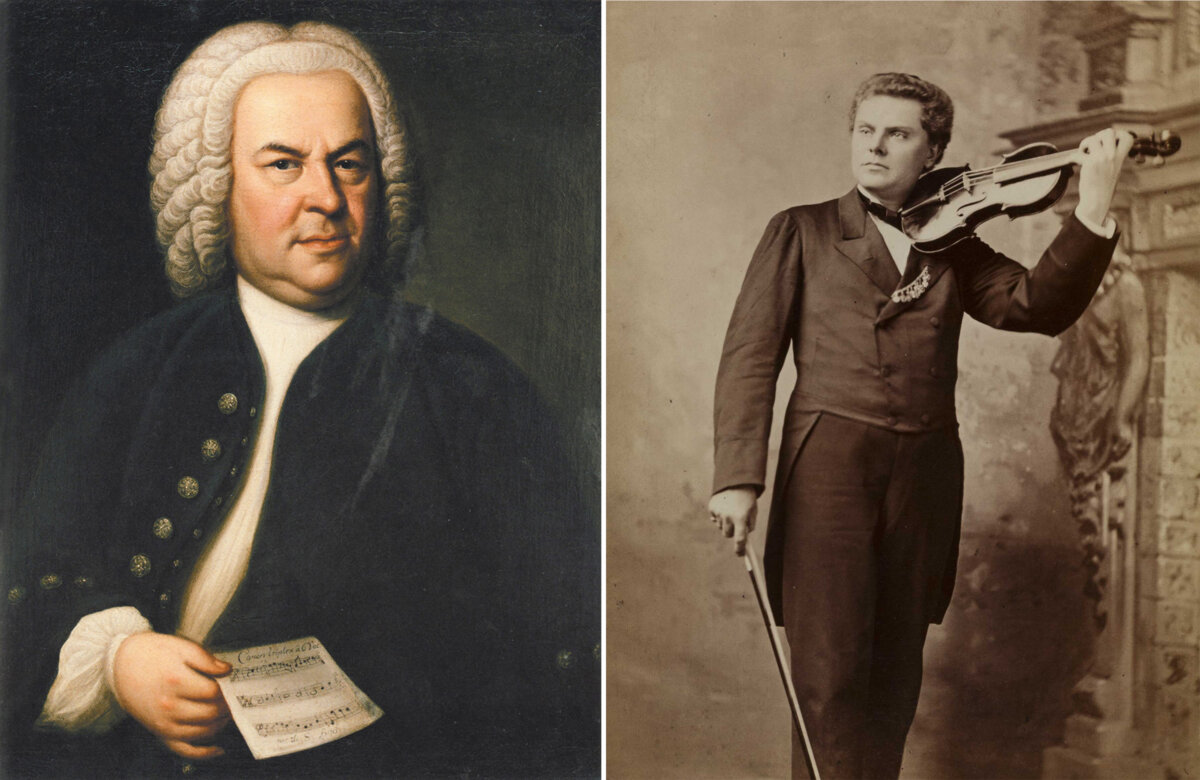
Musician and radio producer Russell Torrance described the song’s beauty and grandeur as having a divine element to it, making it a warm and restorative meditation as bedtime draws near. “A steadfast, resolute, gentle bass line and that melody winding its way around the violins … [are] sublime,” he shared in a piece for Australian Broadcasting Corporation.
What arts and culture topics would you like us to cover? Please email ideas or feedback to features@epochtimes.nyc.
