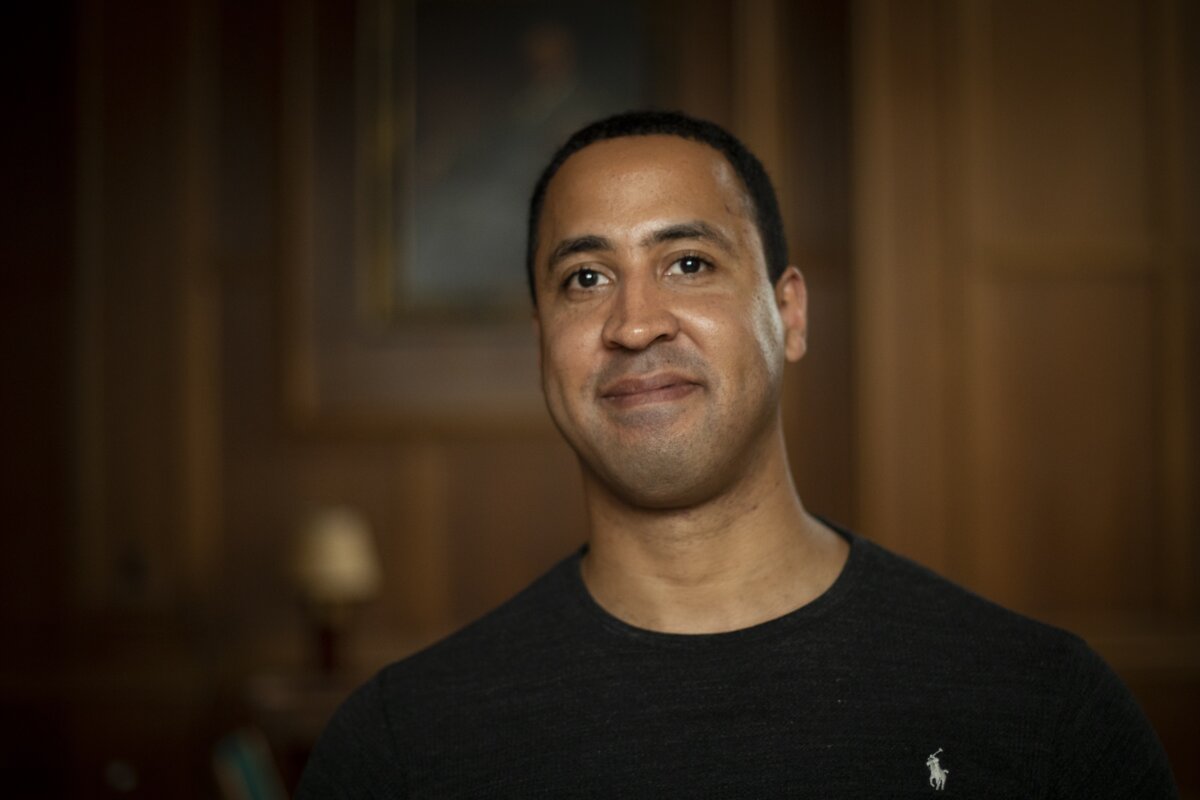
You might think that the only “trade” an inmate can master in prison is making license plates.
But if you had to spend 17 years behind bars, you may as well use all that time to learn something that can actually lead to a career—which is why Darnell Epps spent most of his time in prison reading and studying. He ended up with a law degree from Yale University and, in the process, also creating a platform promoting careers in the trades.
His unusual journey shows that paying a debt to society can sometimes end up benefiting many others.
Rule of Law
Epps, 45, was incarcerated at the age of 20, after what he calls a misguided attempt to defend a family member with his brother went sideways. During the altercation, his brother struggled with another man for a firearm. It went off and resulted in the man’s death. Epps was charged as an accessory and sentenced to a New York state correctional facility. Ironically, being in the wrong place at the wrong time led Epps to be in the right place while behind bars: a job working in the prison’s law library.
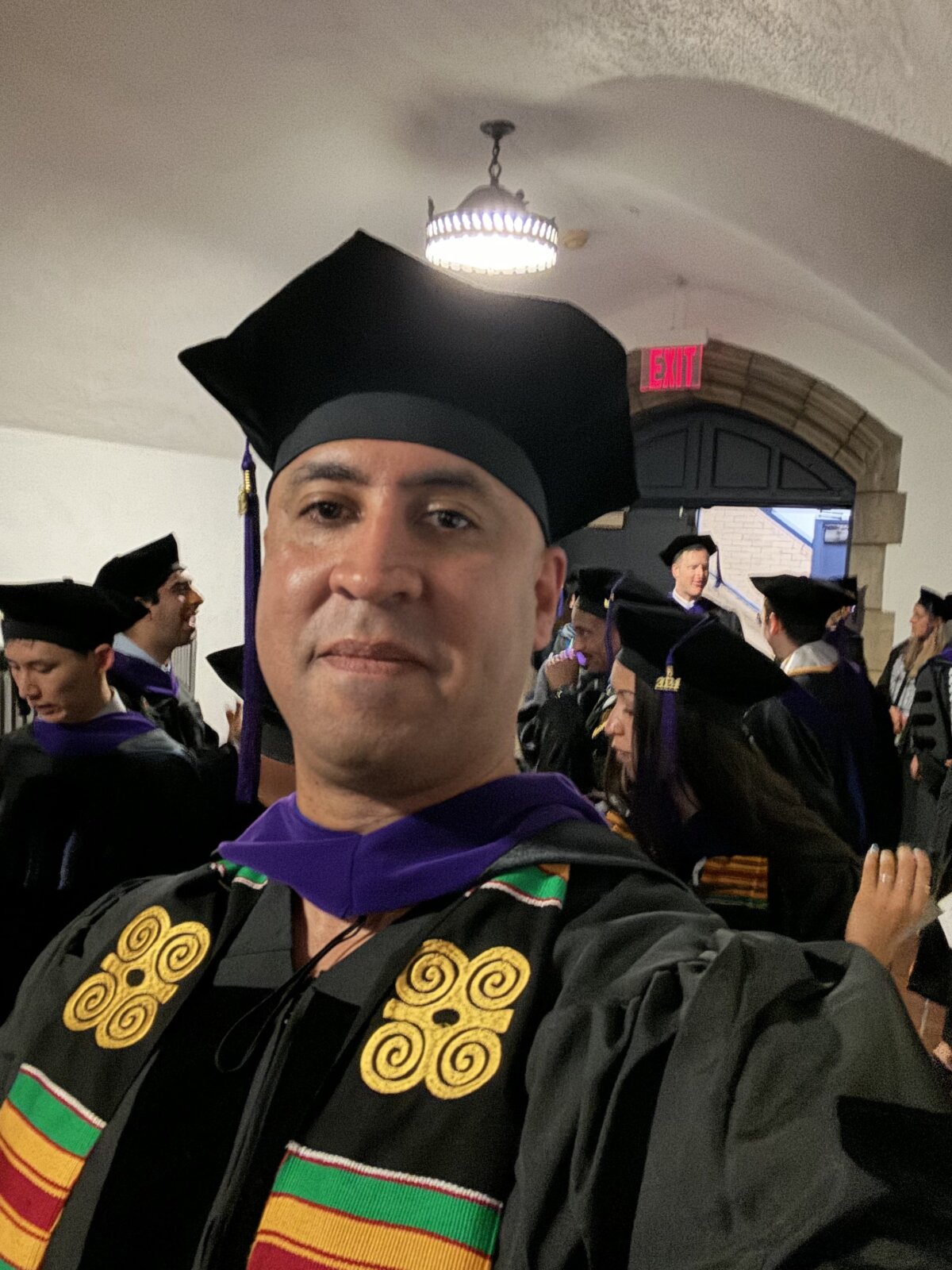
With lots of time to read, Epps used the opportunity to learn the law. A fellow inmate who was also a law clerk served as his mentor. As he became educated in the judicial system and learned to decipher legalese, Epps assisted other inmates with their appeals. Over the years, he even helped a few prisoners get convictions overturned. He sees that time as the major turning point in his life, when he decided to do something positive with his life. “It was that time where I took full responsibility for my actions, dedicated myself to education, found a new sense of purpose, [and] worked in the law library for so many years, helping others who didn’t know the law.”
Meanwhile, he earned his GED and took advantage of a college program that was offered in the prison. Later, when Cornell University started a program to provide their regular classes to prison inmates, he jumped at the chance. Upon his release in 2017, he was accepted at Cornell, and while there, a professor suggested he apply to Yale Law School.
His desire to become a lawyer wasn’t about the money. “At the end of the day, I still wanted to be able to advocate for folks. One of the things that motivated me to go to law school was the need to bring about positive social change.”
Highly Skilled
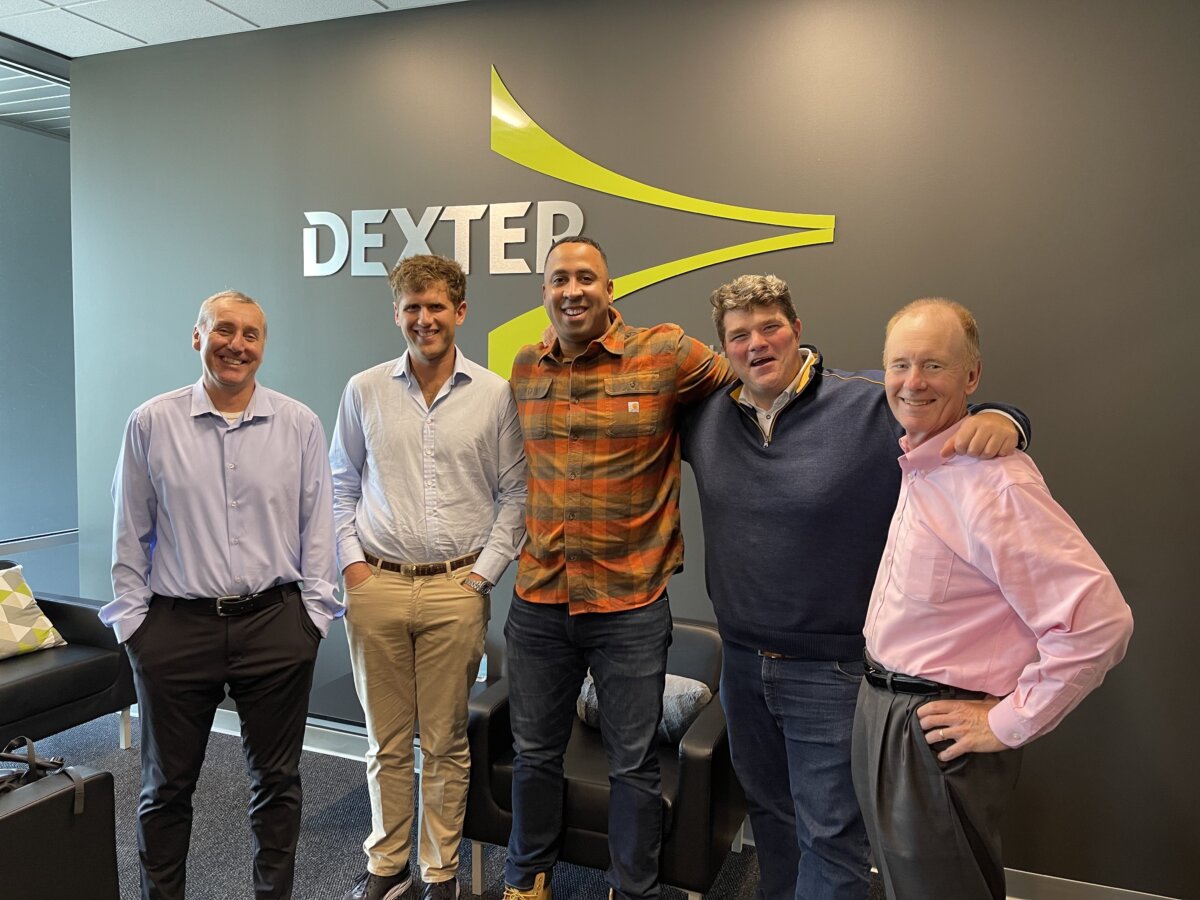
Epps had no idea that it would mean advocating for traditional trade professions that don’t require a college degree. Again, he was at the right place at the right time. He was at a dinner event promoting a nonprofit that provides financial support to children of incarcerated parents, and he learned that there were many unfilled jobs in the trades. Currently, there is a labor shortage in skilled manufacturing of about half a million, according to the National Association of Manufacturers. Those jobs have an average annual salary of $85,000.
At the time, Epps had been working on building a community law library to provide free legal services to people in low-income neighborhoods throughout the city of New Haven, Connecticut, where Yale is based. “There were so many people I met that didn’t want to work in the retail or food service sector who would have liked better opportunities outside of the gig economy, where they could find jobs that would pay a living wage.” All of a sudden, Epps connected the dots: He would help those folks get good, high-paying jobs in the trades. While still in law school, Epps took a course at a vocational school to experience hands-on what a trade education was like. He received a diploma in manufacturing technology and CNC (computer numerical control) machining, which is a type of manufacturing process that uses pre-programmed computer software to control machine tools.
While still at Yale, in 2023, he launched Thurgood Industries, a platform that connects tradespeople with companies looking to hire. The platform also helps tradespeople look for educational opportunities and tuition assistance. “Through the company, I’m able to have a similar net positive effect on my community. And a community that is in need of middle-class jobs that don’t require four years of college.” The goal is to help connect or better align the needs of industry with communities where the hunger for economic opportunity was greatest.
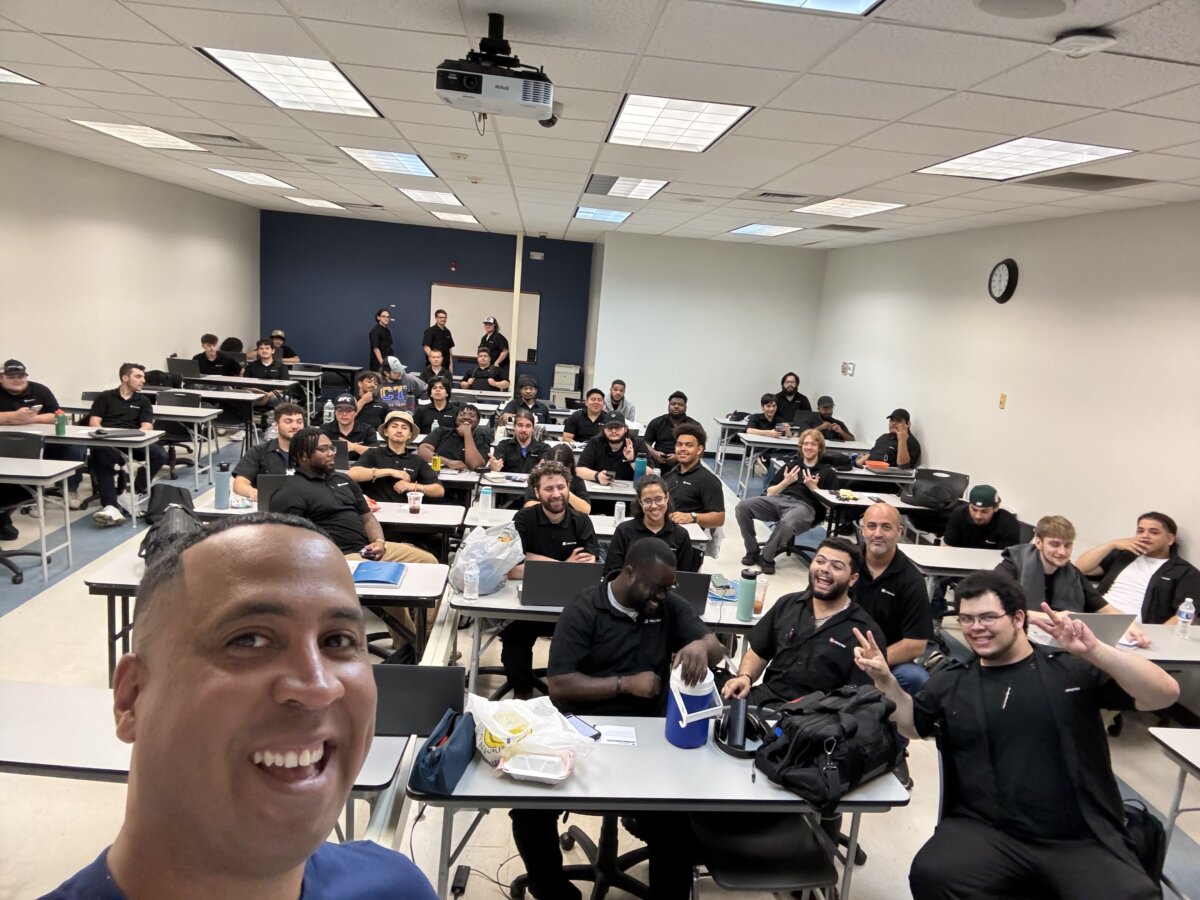
On one memorable trip to Kentucky, he met with trade school students in advanced machining and robotics. “Coming from inner-city Brooklyn, New York, I wasn’t sure how I’d be received by students from such a different background—many of whom were veterans, dislocated coal workers, or even college graduates seeking a fresh start.” It turned out that the people he helped were more than grateful, and they sent him a unique Bluegrass State thank-you. “When I returned home, I found two bottles of moonshine.” He also found on his doorstep around 40 handwritten thank-you letters from the students. Some of the letters were several pages long.
He keeps the letters in his office to this day. “These letters remind me of the shared struggles and hopes of people from all walks of life—whether from the inner city or rural America. They reaffirm the urgency and importance of the work we’re doing at Thurgood Industries and continue to motivate me every day.”
His company is now partnered with about two dozen trade schools. His platform allows job seekers to create a profile sharing their experience and goals, along with a “video cover letter”—which conveys much more than a resume. “Maybe you want to work as an automotive mechanic, because your dad worked as a mechanic for 20 years. So we created a platform where students and job seekers can even take photos and videos of some of the work they’ve done in their garage as a hobby. You can showcase … your skills, that mechanical aptitude, that tool knowledge.”
Epps, who graduated from Yale in 2024, is living proof that second chances can produce great results, and that redemption comes in many forms.
This article was originally published in American Essence magazine.