
Long before televised World Series games and multimillion-dollar endorsement contracts, baseball gloves were crude, stiff accessories that players could barely trust. During the late 19th century, fielders often played barehanded or wore thin leather gloves that resembled work gloves more than sporting equipment. Baseballs arrived hard and fast, stinging palms, and splitting knuckles.
Into that situation stepped George Rawlings, a St. Louis businessman whose company would become one of the most recognizable names in the sport.
The Rise of the Rawlings Brothers
Biographical information about George Rawlings (1855–1909) is surprisingly limited. Unlike sporting entrepreneur Albert Spalding, Rawlings left behind little personal documentation. The company he co-founded with his brother Alfred in 1887, however, became one of the dominant manufacturers of baseball gloves, game balls, and athletic equipment in America.
The Rawlings opened their business during a difficult economic period in the United States. Early catalogs advertised fishing tackle, football supplies, golf equipment, hunting gear, and baseball products. Like many sporting goods stores of the era, the Rawlings business catered to a growing American market for recreation and organized athletics. Stacks of leather gloves, wooden bats, canvas equipment bags, and hunting gear crowded the store as organized sports gained popularity nationwide.
The brothers initially operated as retailers, but ambition and necessity gradually pushed them into manufacturing. After a fire damaged the business during the 1890s, the company reorganized and expanded production. The setback might have ruined a smaller enterprise, but Rawlings endured, positioning itself for the exploding popularity of organized sports in the early 20th century.
Baseball came to define the company. At the turn of the 20th century, gloves were flat and lightly padded, difficult to close, and often stiff as saddle leather, offering limited control of the ball. Infields were uneven and dusty, and errors were common. Fielders relied heavily on two-handed catches. As pitchers threw increasingly harder, and hitters swung more aggressively, equipment innovation became increasingly important.
Rawlings entered professional baseball circles early, supplying gloves to the hometown St. Louis Cardinals during the first decade of the 1900s. But the company’s most important breakthrough arrived through a collaboration that forever changed defensive baseball.
The Doak Invention
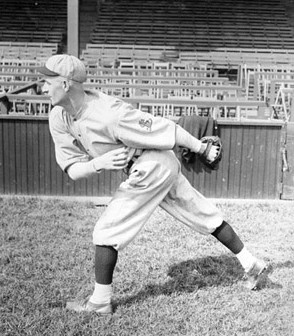
In 1919, Cardinals pitcher Bill Doak contacted Rawlings and proposed adding a web between a glove’s thumb and forefinger to create a deeper pocket. Before that innovation, gloves functioned largely as hand protection. Rawlings adopted the design for a true fielding instrument, marketed it aggressively, and helped popularize what became the modern baseball mitt.
The impact proved enormous. The deeper pocket cradled the ball, improving ball control, reducing errors, and making one-handed catches more practical. The Rawlings-Doak model remained popular for decades.

As professional baseball matured into America’s national pastime, Rawlings gloves became associated with stars such as Mickey Mantle, Roberto Clemente, Ozzie Smith, and Omar Vizquel. By the mid-20th century, Rawlings gloves had become fixtures in professional dugouts and neighborhood sandlots alike. Collectors today still treasure vintage Rawlings gloves associated with famous players and earlier eras of the game.
The company continued refining glove construction through new web styles, deeper pockets, lighter leather, and improved flexibility. Rawlings models such as the “Heart of the Hide” became known for durability and high-quality leather.
Rawlings also benefited a from the strong connection many players developed with their gloves. For countless American children, their first meaningful piece of sports equipment was a Rawlings glove opened on Christmas morning or purchased before Little League season.
Although George Rawlings remains somewhat shadowy in historical records, his legacy is unmistakable. From the early webbed gloves inspired by Bill Doak’s design to the professional mitts used by Major League Baseball today, the Rawlings name remains closely tied to the evolution of defensive play. He helped establish a company that became woven into the fabric of American sports culture.
What arts and culture topics would you like us to cover? Please email ideas or feedback to features@epochtimes.nyc