The United States of America is a nation of peace-loving warriors, who fight for our own freedom and that of our allies around the world. That’s why our songs tend to focus on battles and the military.
America also has a deep spiritual foundation. Refugees fleeing religious persecution arrived seeking the freedom to worship God as they pleased. With that goal, America’s ancestors declared themselves “one nation under God.”
One of our most beloved national songs suggests both of these aspects of our history, with themes of war and peace, and of freedom and faith. These speak to the heart of Americanism in times of disaster as well as victory, and in times of tragedy as well as triumph. This song is “God Bless America.”
Writing the Classic
Irving Berlin wrote “God Bless America.” This famous composer and lyricist wrote the words and music for some of America’s favorite songs during the 20th century. He penned both the tune and lyrics to this patriotic song in 1918.
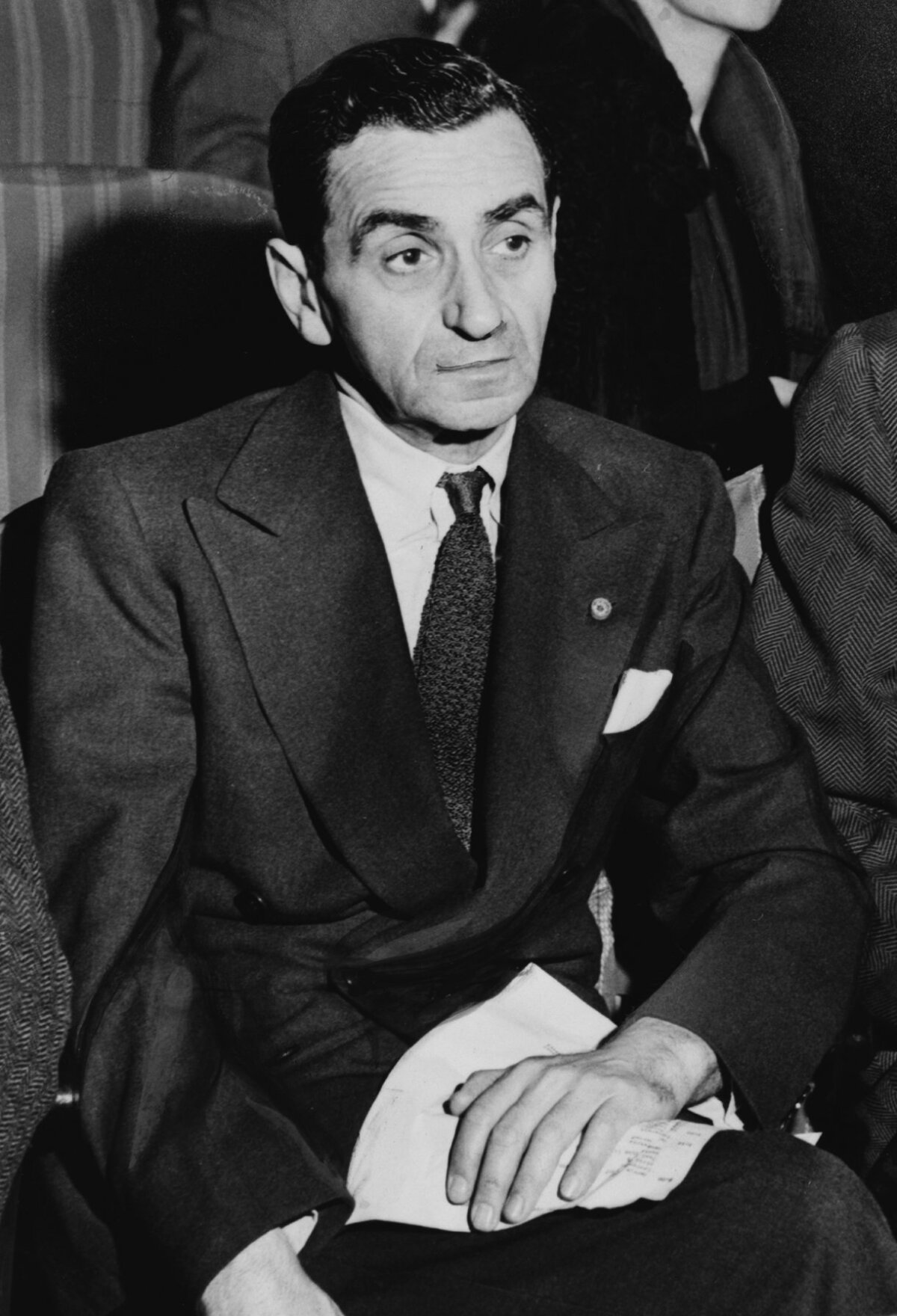
This occurred when he was in the Army during World War I, stationed at Camp Upton in Yaphank, New York. It was to be part of the revue he was writing called “Yip, Yip, Yaphank!,” but he ended up cutting the song. This wartime anthem remained in the trunk for 20 years, perhaps because the armistice occurred shortly after he wrote it.
Two decades later, there were rumors of another push of German ambition for world dominance which had caused WWI. As Adolf Hitler and his Nazi Party rose to power, Russian Jewish immigrant Berlin was disturbed by the tyranny and oppression happening overseas.
He wanted to express these feelings in song without being overtly political or militaristic, since not even England had joined what would be World War II. Instead, he wanted to focus on peace and freedom by celebrating how Americans enjoy these blessings. It turned out that he already had just such a song.
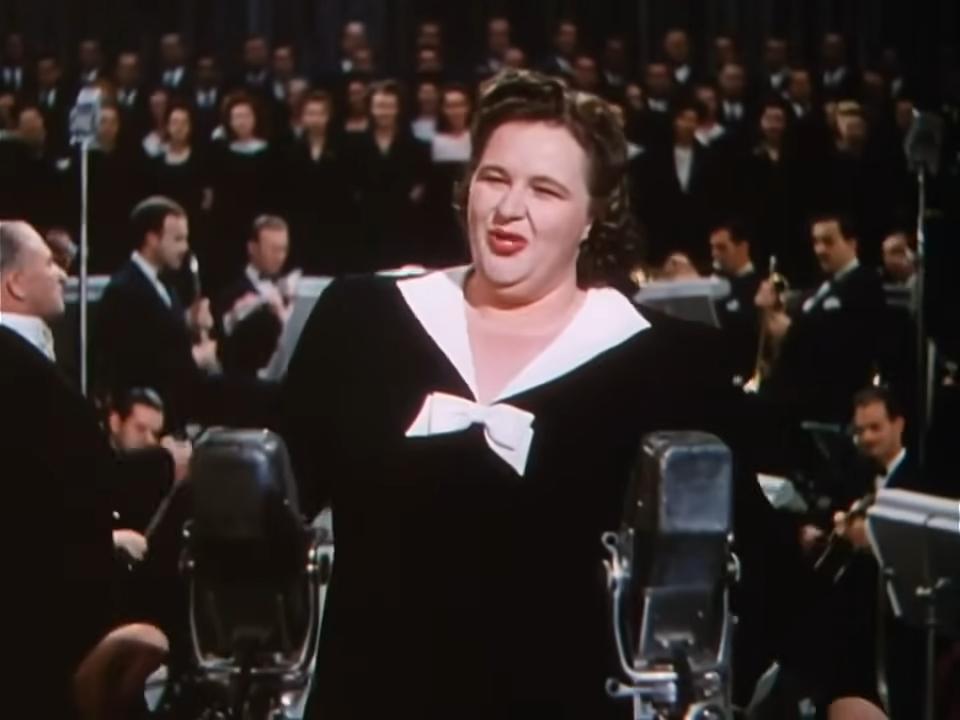
“God Bless America” debuted on the radio on Armistice Day in 1938. This was a special Armistice Day. It was the 20-year anniversary of “the eleventh hour of the eleventh day of the eleventh month,” when peace returned to Europe. The strong, inspiring voice of Kate Smith introduced the song on her popular radio show, “The Kate Smith Hour.” It became an instant hit.
Changing With the Times
Berlin made some changes to this song before reviving it as a “peace song.” He changed the line “Stand beside her and guide her to the right” to “guide her through the night,” since right and left had taken on a political meaning since he originally wrote the song. He also changed the militaristic line “Make her victorious in land and foam.”
In addition, Berlin wrote a new intro, which is rarely heard nowadays. Smith sang it on that first broadcast. It referred to the growing conflict in Europe and why it should make listeners grateful to be Americans:
While the storm clouds gather far across the sea,
Let us swear allegiance to a land that’s free.
Let us all be grateful that we’re far from there,
As we raise our voices in a solemn prayer.
By the time the sheet music was published the following March, he had changed one of the more obvious references to the emerging war; he replaced the line “that we’re far from there” with the generally patriotic line “for a land so fair.”
A Wartime Anthem
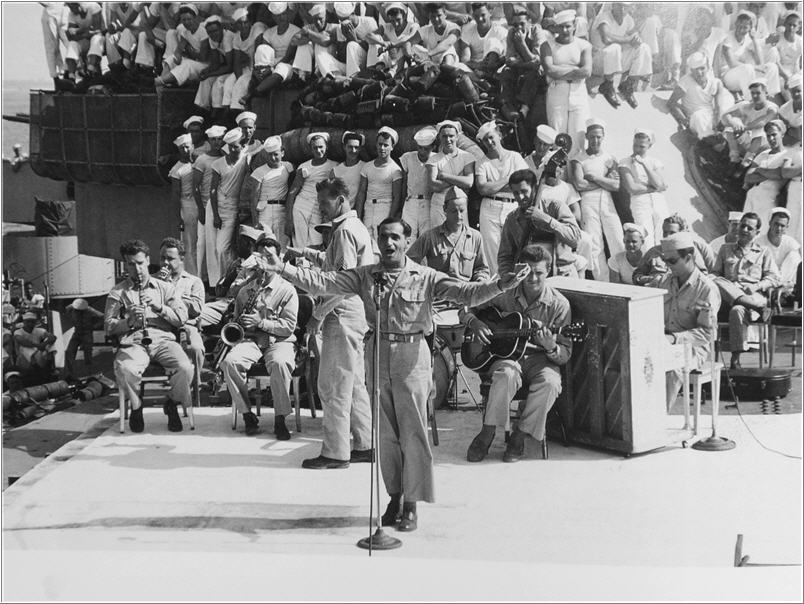
Smith made her original recording of this song on March 21, 1939, the same month the sheet music was published. Featuring an orchestra and mixed chorus conducted by Smith’s usual bandleader Jack Miller, this recording topped the charts in 1939 and 1940. This patriotic hymn remained an inspiring anthem throughout WWII.
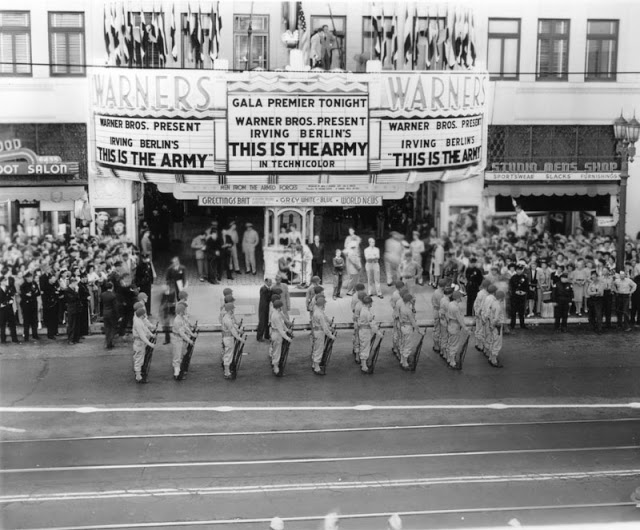
Smith sang it for the first time on film in the 1943 patriotic film, “This Is the Army.” This is a longer version than her studio recording, featuring the intro and a dramatic repeat. It’s also a rare opportunity to see Smith performing at the height of her radio fame.
This wartime movie from Warner Bros. was one of the top-earning musicals of all time. The vast proceeds and many of the stars’ salaries were donated to the Army Emergency Relief Fund. The performance of “God Bless America” was one of the greatest moments in the film.
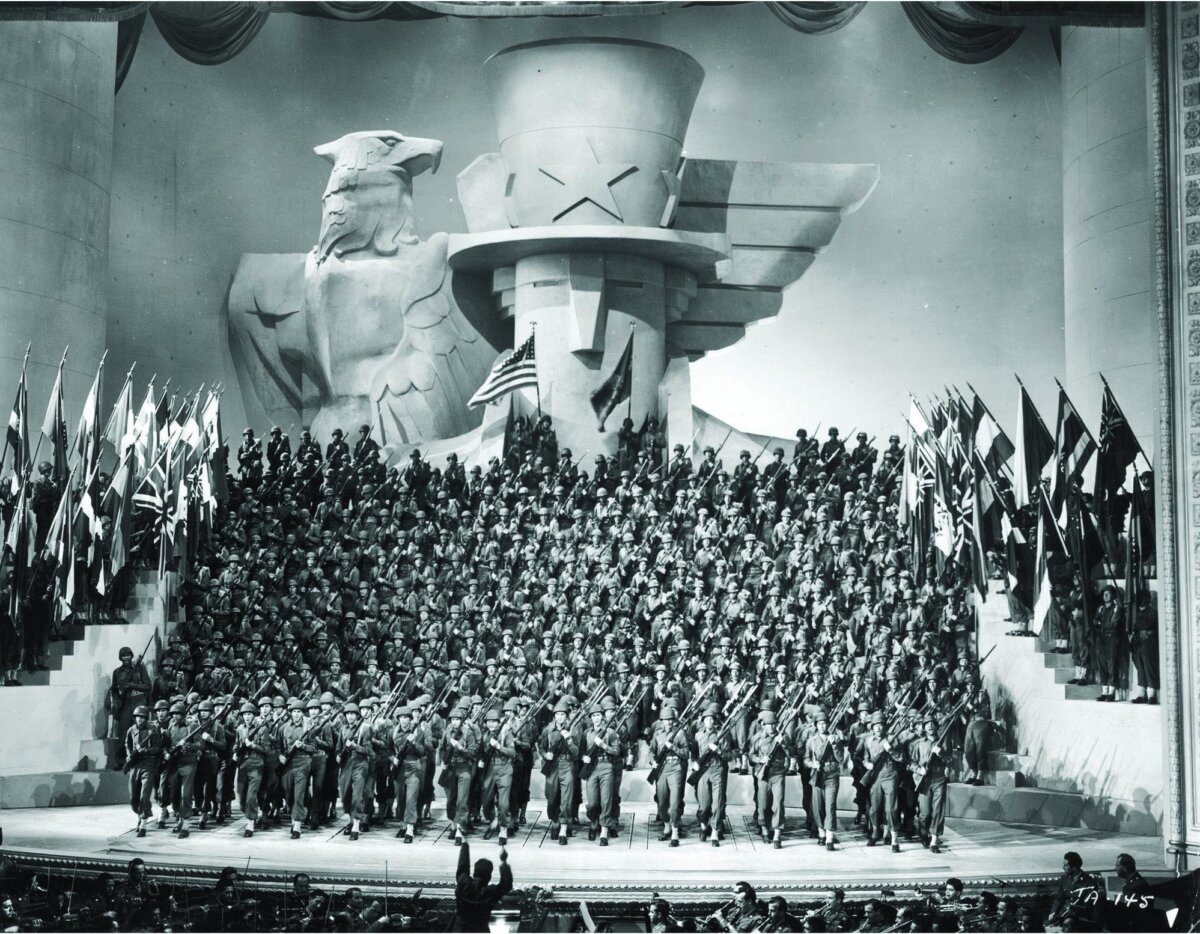
“This Is the Army” wasn’t the only time that this hymn raised money for a good cause. Berlin didn’t feel right earning profits from a patriotic song, so he set up the God Bless America Fund.
This charitable organization, which continues today, redistributes the royalties from this song to charities benefiting the youth of America, particularly Berlin’s favorite charity, the Boy Scouts of America. Over the years, this song has raised millions of dollars for the Boy Scouts and the Girl Scouts, particularly in the New York area.
An Ever-Timely Prayer
“God Bless America” is a prayer that speaks to Americans of every background and creed. In the 1940s, it was considered a plea for peace and a call for religious tolerance, which was appropriate because it was written by a Jewish immigrant.
Illustrative of its non-partisan popularity is the fact that it was the official campaign song of both incumbent president Franklin D. Roosevelt and his Republican rival, Wendall Wilkie, in the 1940 presidential election.
In 1954, Berlin was awarded a Congressional Gold Medal by President Dwight D. Eisenhower for writing the song.
This song has been the anthem of labor unions as well as Christian conservatives, of the civil rights movement as well as the anti-communist supporters of the Vietnam War. It has served as a song of celebration before sporting events and as a tearful prayer following the tragic events of 9/11.
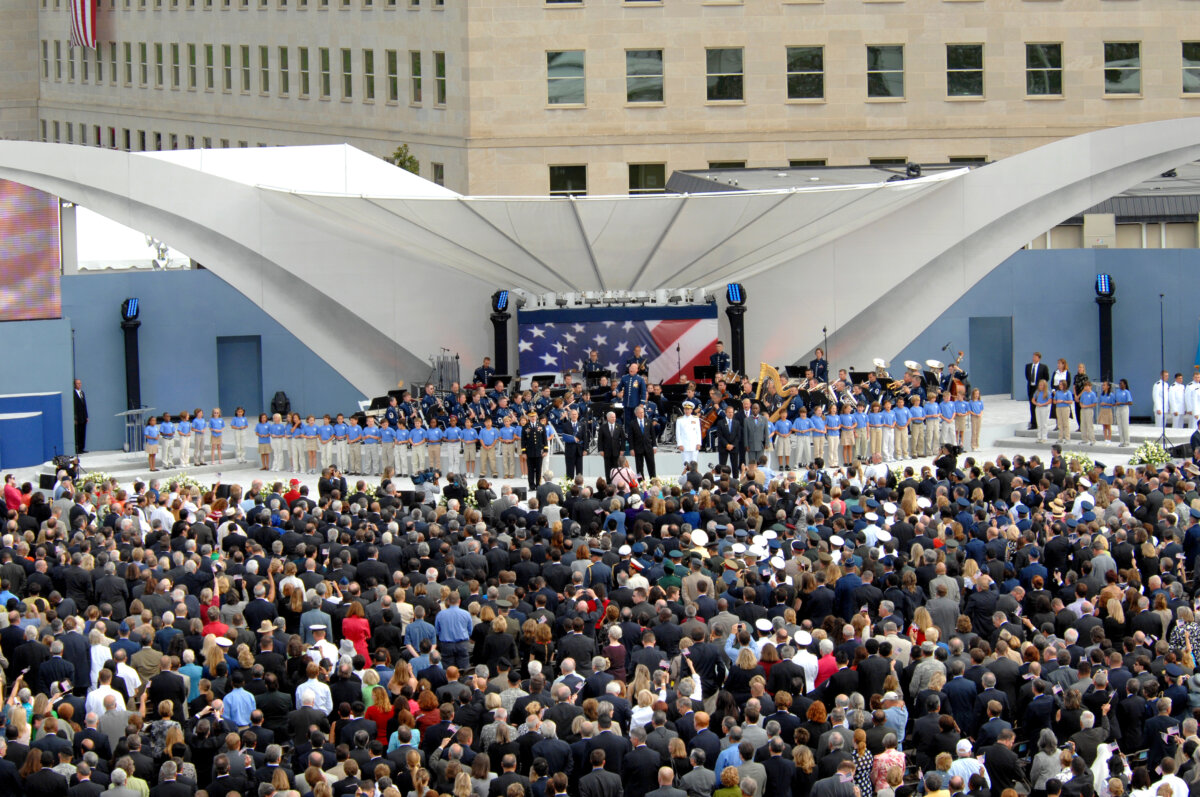
On May 5, 1968, Irving Berlin was honored with a special on the Ed Sullivan show in recognition of his 80th birthday. As the finale, the aged composer himself sang a touching, sincere rendition of “God Bless America.”
His voice is soft yet tuneful, not extremely powerful yet deeply human as he sings the words and music he wrote 50 years earlier. He’s accompanied first by a simple piano, but at the repeat, the curtains rise to reveal a full orchestra and choirs of boy scouts and girl scouts.
It’s a beautiful moment which shows that Berlin wrote this song straight from his heart. Over a century later, the words go straight to our hearts:
God bless America, land that I love.
Stand beside her and guide her
Through the night with the light from above.
From the mountains to the prairies,
To the oceans white with foam,
God bless America, my home sweet home,
God bless America, my home sweet home.
What arts and culture topics would you like us to cover? Please email ideas or feedback to features@epochtimes.nyc