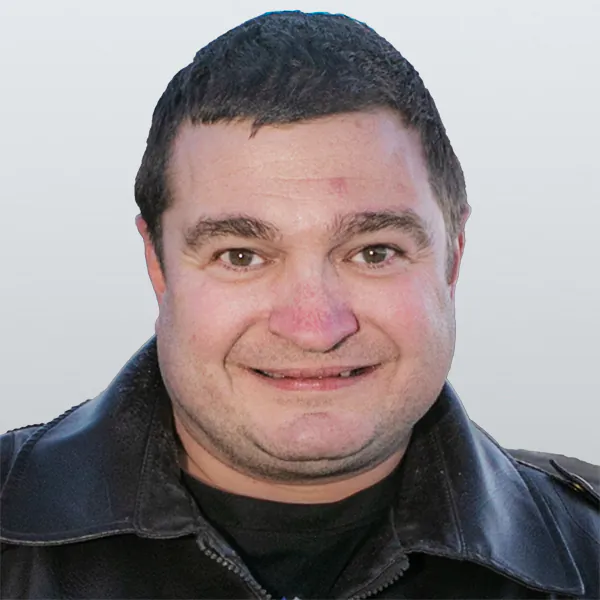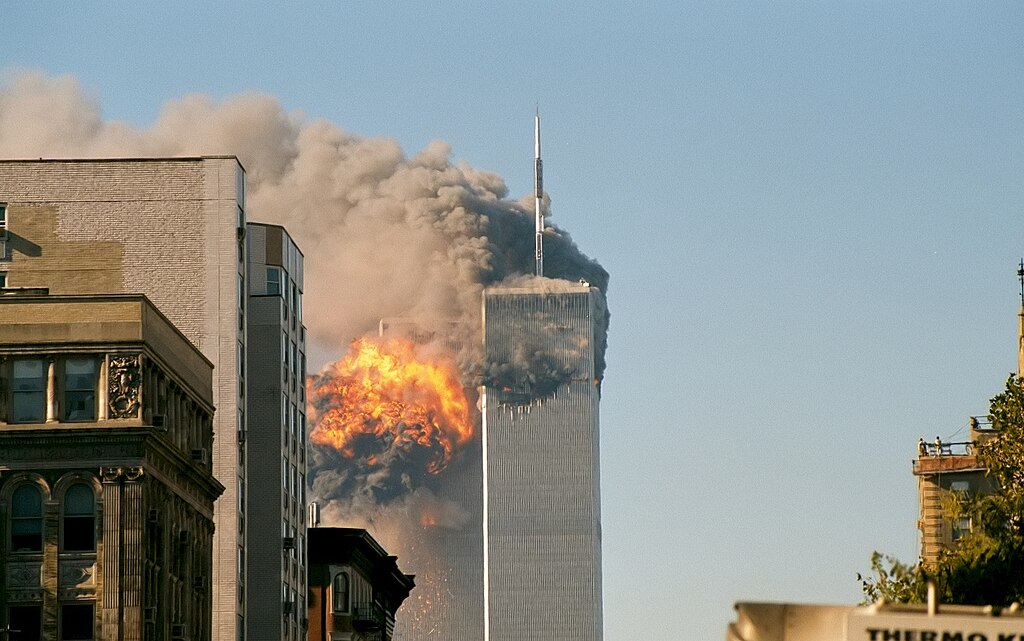
Sometimes a simple gesture—like holding open a door—can become an act of heroism. When the second plane hit the World Trade Center towers in New York, security guard Godwin Ajala could have saved himself. Instead, he helped others to safety. That small, steady act would ultimately cost him his life.
From Nigeria to New York
Ajala was born on June 9, 1968, to a father who was a retailer in Ihenta, Nigeria, a small town in the eastern state of Ebonyi. His childhood was marked by war; Ihenta lay within the Biafra region, which launched a civil war in an attempt to break away from Nigeria.
By the time Ajala reached adulthood, the civil war had ended, and he was able to pursue his lifelong dream of becoming a lawyer. He practiced law while living in Ihenta with his wife and three children. Because of poor economic conditions in Nigeria, however, Ajala struggled to support his family.
Hoping for better opportunities, he entered the U.S. green card lottery. In 1995, he won and moved to New York City, while his wife and children remained in Nigeria.
When Ajala first arrived in New York, his American dream proved more difficult than he had imagined. He worked a series of low-paying jobs while trying to become an American lawyer, having been in Nigeria. He attempted the New York bar exam three times but did not pass.
After those early jobs, Ajala—who stood nearly 7 feet tall—landed a position at the New York World Trade Center (WTC) as an access control officer, or security guard. His shift ran from 6 a.m. to 2 p.m. After work, he would take a short nap, then study for six to eight hours late into the night, determined to pass the bar exam and eventually bring his family to the United States.
On Duty When Disaster Struck
As part of his job, Ajala walked the floors and rode the elevators of the 110-story Two World Trade Center tower. According to his security supervisor, who asked to remain anonymous, Ajala was well respected by his co-workers and served as a union leader.
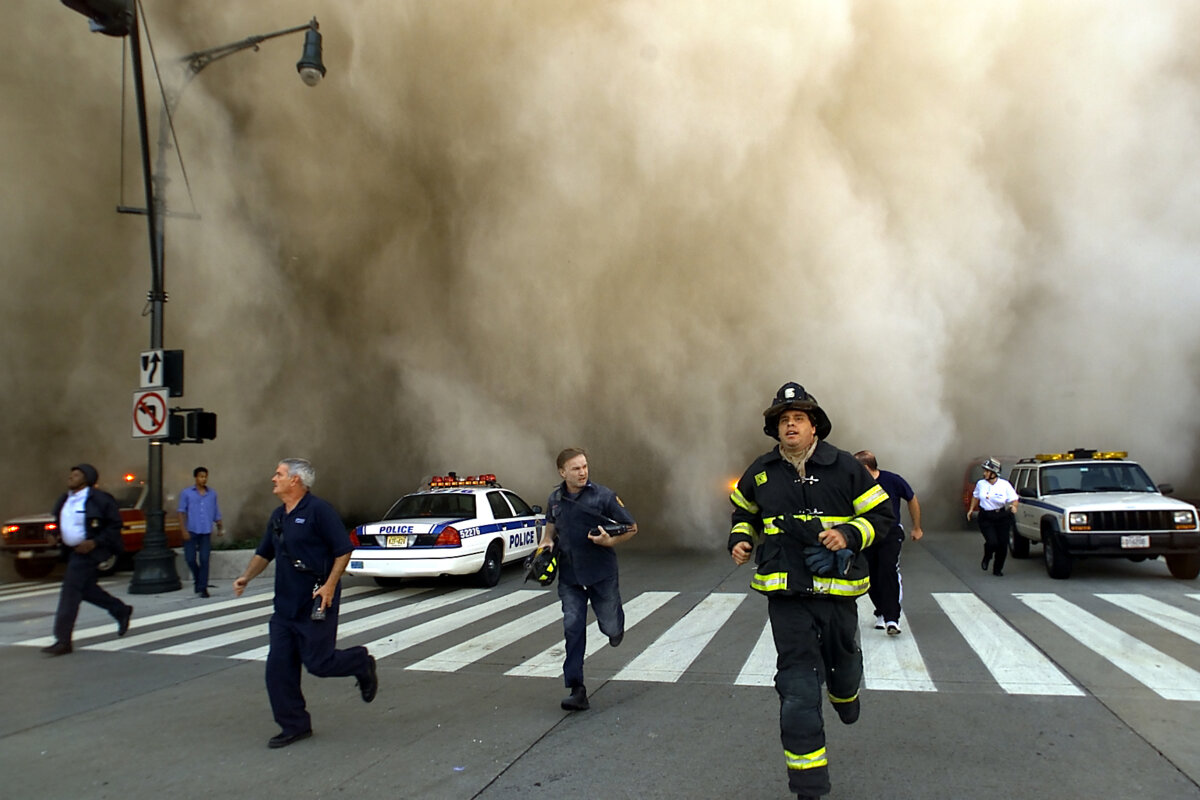
The supervisor said he spoke with Ajala the morning before the Sept. 11 terrorist attacks. Ajala had just negotiated a salary raise for security workers with WTC management. He was scheduled to have a meeting to finalize the agreement later that day.
That meeting never happened.
At 9:03 a.m. on Sept. 11, 2001, a second plane struck the WTC South Tower, where Ajala was working. As the building burned, he remained calm. Instead of fleeing, Ajala stayed in the street-level lobby and helped people escape.
He held doors open so as many people as possible could get out. He made several trips back into the building to guide others to safety.
In the chaos, a friend later said people leaving the tower saw Ajala and asked why he was not running. He asked why they were running away instead of helping others.
While assisting those fleeing the blazing tower, Ajala was struck by debris. Rescue workers later found him unconscious inside the building. He was pulled from the wreckage and taken to a hospital in a coma. He never regained consciousness, dying four days later from his injuries.
In his home country, Ajala is remembered as a “hero without a cape.” Of the nearly 3,000 people killed in the terrorist attacks that day, he was the only Nigerian listed among the dead.
What arts and culture topics would you like us to cover? Please email ideas or feedback to features@epochtimes.nyc