Mozart’s final completed masterpiece, the singspiel (a German opera with spoken text as well as sung numbers) “Die Zauberflöte,” or “The Magic Flute,” is a study in sharp contrasts. The libretto, written by Mozart’s lodge buddy Emanuel Schikaneder, pits benevolence against vengeance, truth against falsehood, and beauty against ugliness.
Mozart’s score musicalizes these extremes in various ways. The opera’s hero, Tamino, sings generously long phrases of melody as he pours his heart out for the beloved Pamina, while the darkly lustful Monostatos can only express himself in short, choppy measures that scurry like rats. Act I’s three ladies sing music laced with seduction as they incant over the sleeping Tamino, but when a trio of spirits replace them as Tamino’s guides, the music is a simple hymn sung by the pure voices of three boys.
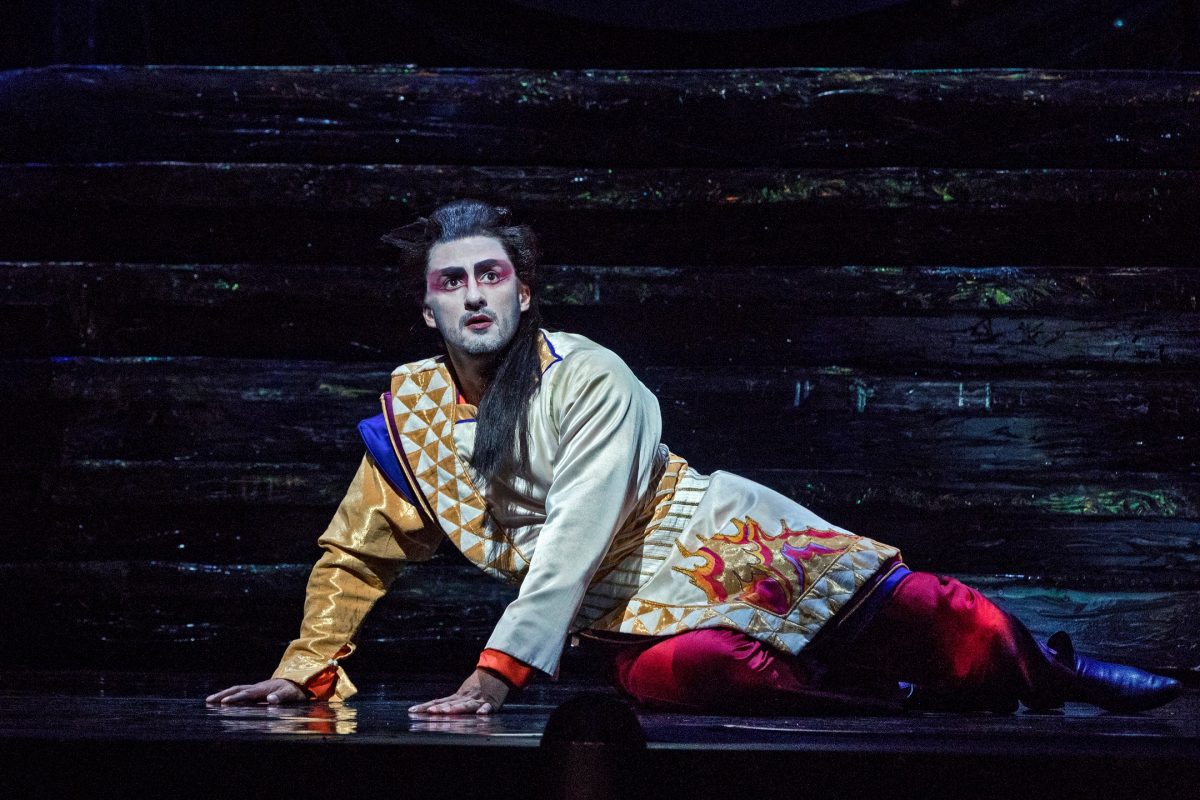
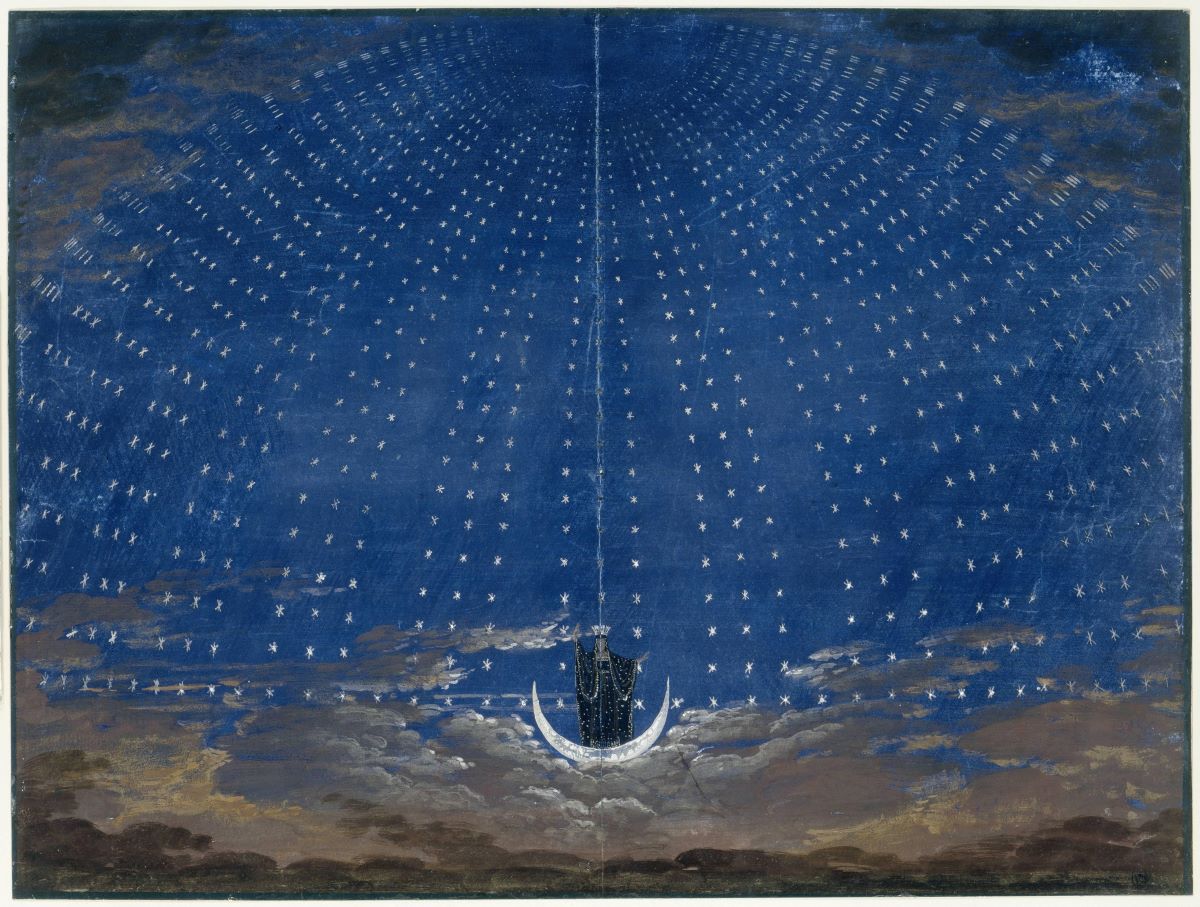
Perhaps the most graphic musical contrast of all is the voice type given to Sarastro, the embodiment of the benevolent masculine, versus that assigned to his dark-feminine antithesis, the Queen of the Night. (If you fear a masculine versus feminine theme emerging, relax. “The Magic Flute” also includes the light-side feminine in Pamina and the dark masculine in Monostatos.)
Sarastro’s vocal range is that of the basso profundo, the lowest type of voice. His lowest written note is F below the bass clef staff, but many singers alter a phrase to include the C below that—an uncannily low pitch. It’s the singer’s option.
The Queen of the Night enjoys no such freedom of choice. In her second-act aria, she is given four high F’s, an octave above the F on the top line of the treble clef. This is nearly inhuman. And they can’t be left out, as they are an integral part of the aria’s texture. In addition, the famous high F’s are embedded in a staccato vocal display involving many other high notes.
Listen to the extraordinary performance by the definitive Queen of the Night of our time, Diana Damrau. (Listen)
The staccato display of excruciatingly high notes goes from 0:39 to 0:53, with two of the super-high F’s appearing in the last four seconds. It is repeated from 0:58 to 1:12, with the second two celestial F’s again in the last four seconds. The entirety of the Queen’s second-act aria lies supernaturally high, so much so that even most coloratura sopranos—the voice type Mozart intended to sing it—cannot climb the height.

Why does Mozart depict evil at the high end of the vocal range, and its opposite at the bottom? Listen to Sarastro’s music and you hear warmth, compassion and humanity pouring out of the rumbling notes of Mozart’s score, whereas the Queen of the Night stabs the listener with ice picks. He is calm and forgiveness in bass register. She is frenzy and revenge at inhuman heights.
As you can tell from the English subtitles in the Damrau performance linked above, the Queen in her second-act aria implores Pamina to murder Sarastro. Yes, she is painted that black. And only one of the greatest opera composers of all time could possibly have channeled that hatred into an aria that is at once terrifying and irresistibly beautiful.
What arts and culture topics would you like us to cover? Please email ideas or feedback to features@epochtimes.nyc