




Most gardeners know that kitchen waste makes a great addition to a compost pile, vermicompost, or the garden. The nutrients break down and enhance the soil.
But how many gardeners realize that supermarket produce—better yet, organic green market produce—still has plenty of life left in it after removing the “usable” parts? With proper propagation, they can produce over and over.
Just imagine all the grocery runs saved. And if you have kids, regrowing kitchen remnants makes an excellent hands-on science project, too. It can be done year-round and has high success rates as long as you use healthy scraps.
Legacy Onions
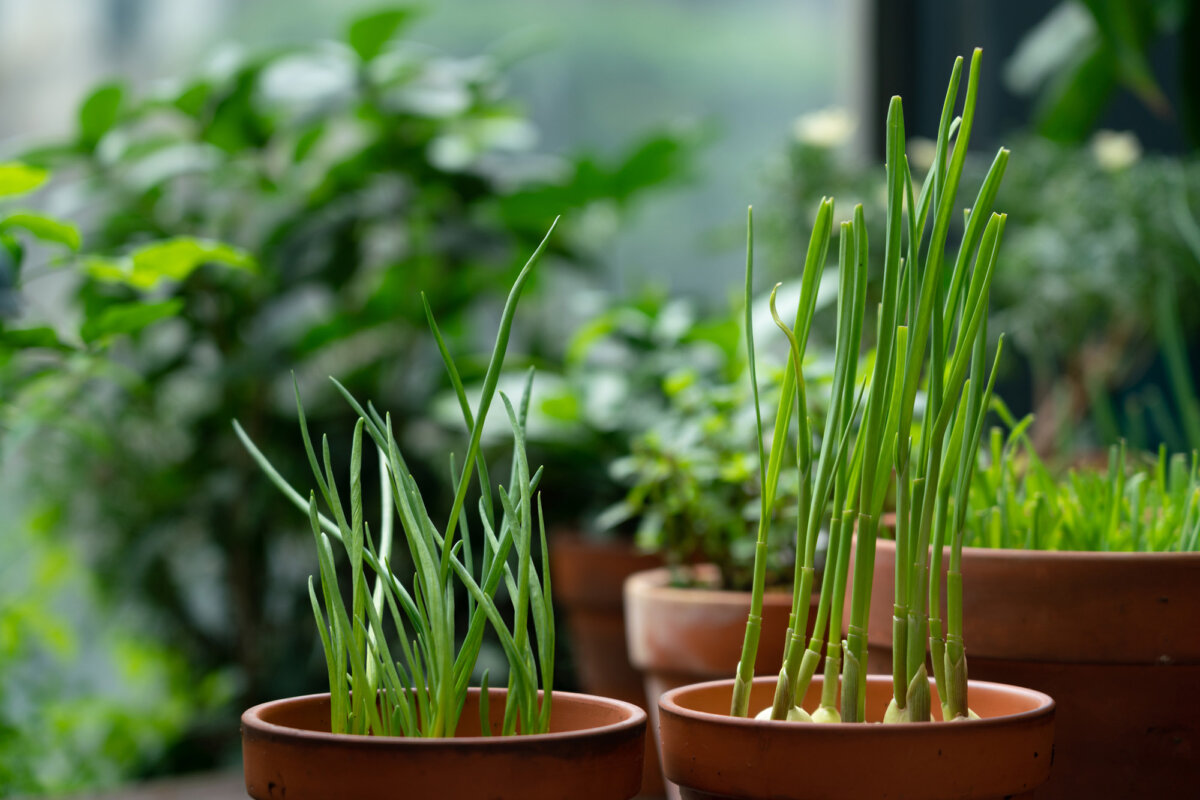
Green onions, scallions, spring onions, leeks, and chives are some of the easiest and most satisfying plants to regrow, providing near-instant gratification.
Start by choosing stalks that have some tiny roots on the white bulbous end. Snip off the usable greens, leaving one to two inches of bulb and white stalk behind. Rinse clean, set upright in a clear jar, and add enough water to cover the roots and bottom bulb. Set in a bright window.
The greens should start to resprout in as little as 24 hours. Refresh the water every three days, and plant the sprouts in soil (a windowsill pot or out in the garden) after a week or two when the roots are about 1/2 to 1 inch long. Remove the fresh leaves regularly for better growth. After harvesting the plant, you can snip off the bulbous ends and start the process over again.
Lemon Sensation
You can regrow lemongrass with the exact same process, but it’s highly unlikely that a bunch of stalks from the grocery store will have roots. It will still work—just be patient. Make sure the entire stem base is intact, and expect it to take up to a month for roots to grow.
Celery and Friends
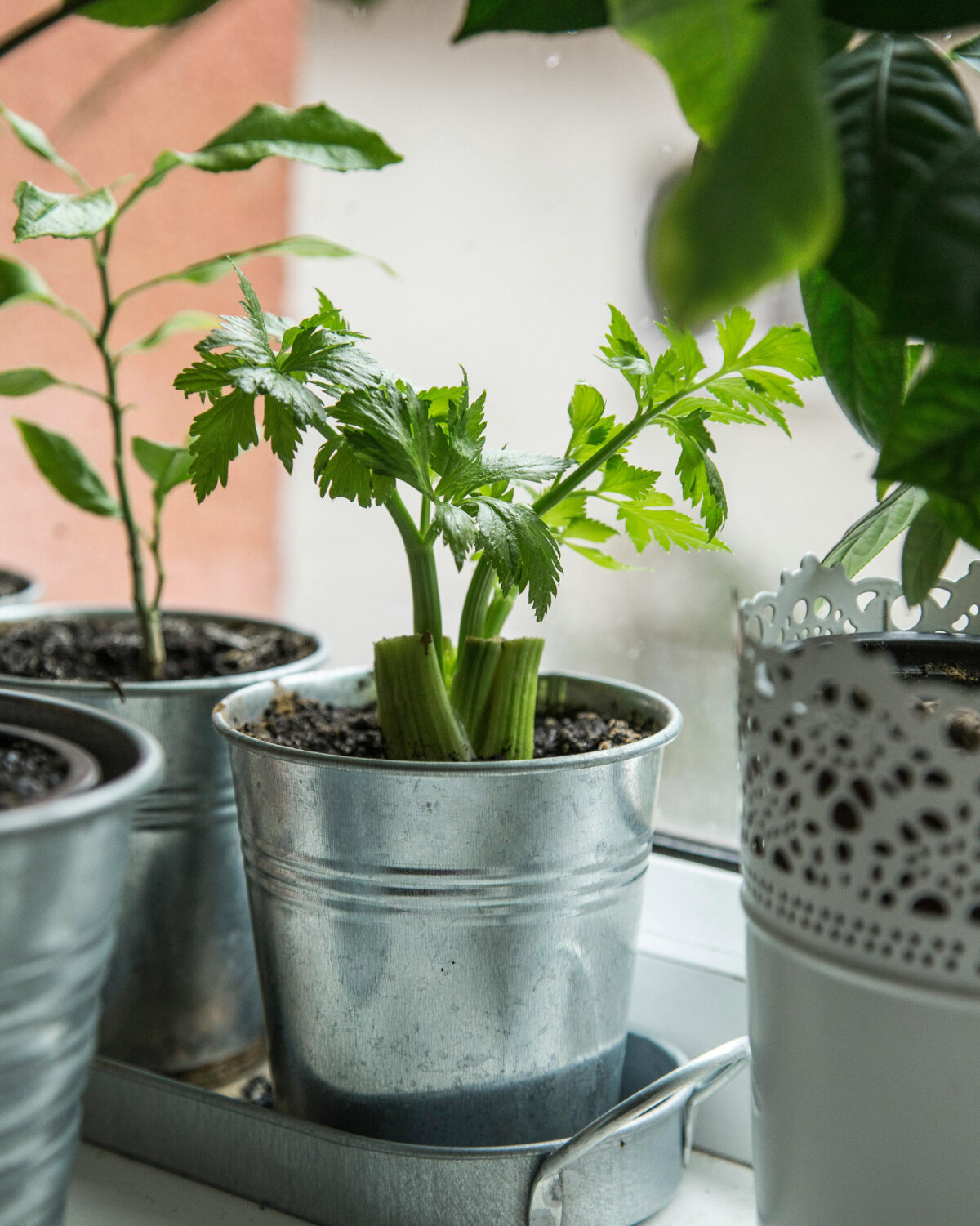
Celery is another highly satisfying option. Cut two inches off the root end of a stalk of celery. Gently insert four toothpicks 1 1/2 inches from the bottom, then set it suspended in a jar. It’s important to keep it from touching the bottom of the jar, which can lead to potential rotting of the outer stalks. The toothpicks won’t harm the plant as long as you insert them just enough to hold its weight.
Add enough water to cover the root end, and change the water every three days. Small leaves will emerge in a few days. Once tiny roots appear—in about a week—pot it up, using soil for herbs and vegetables or garden soil enriched with compost.
This technique works equally well with romaine lettuce, bok choy, and fennel. It also works with green, red, Savoy, and Napa cabbage as long as the bottom stem portion is intact. Transplant cabbage into soil only after the roots are at least one inch long.
Exotic Tropical
You can also propagate pineapple with just the green crown of the fruit. Twist or cut off the crown and remove any fruit still attached to it. Next, remove two to four rows of leaves from the bottom of the crown. This may expose some roots already sprouting, but if it doesn’t, don’t worry. Let it sit on the counter for 24 hours to dry it out enough to prevent rot, then place it in a jar of water. The water should cover the root end of the pineapple. As with celery, change the jar’s water every three days. Roots may take a week or two to start to appear.
Re-Rooting Root Crops
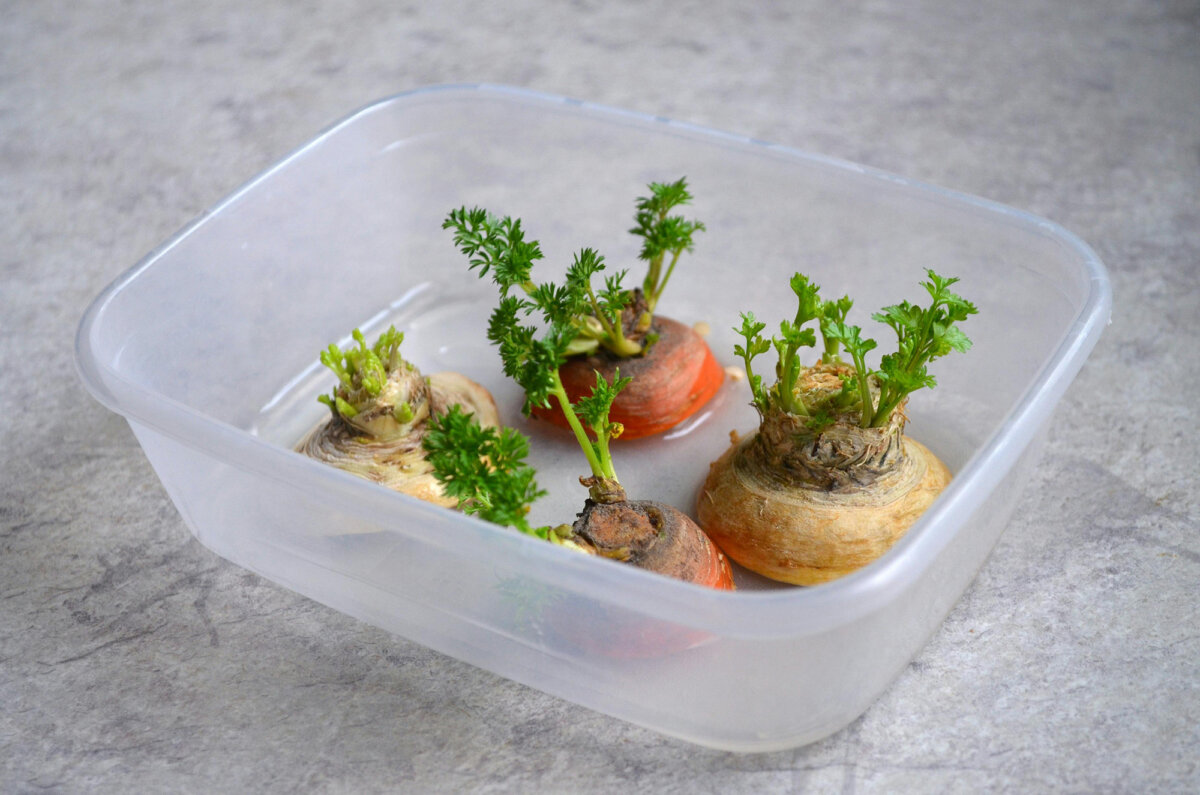
Root crops such as carrots, beets, turnips, and radishes also root well in water. One can even skip the toothpicks and place them directly in a shallow dish or bowl. The caveat is that this regrowth only works for the green tops. Unfortunately, once the taproot is removed, it lacks the growth node to regenerate another root. But don’t discount the tasty and nutritious greens—they make an excellent addition to soups, salads, pestos, and more.
If you want to produce the taproot from propagation, you must grow the green tops until they flower and go to seed, then plant the seeds.
Abundant Spuds
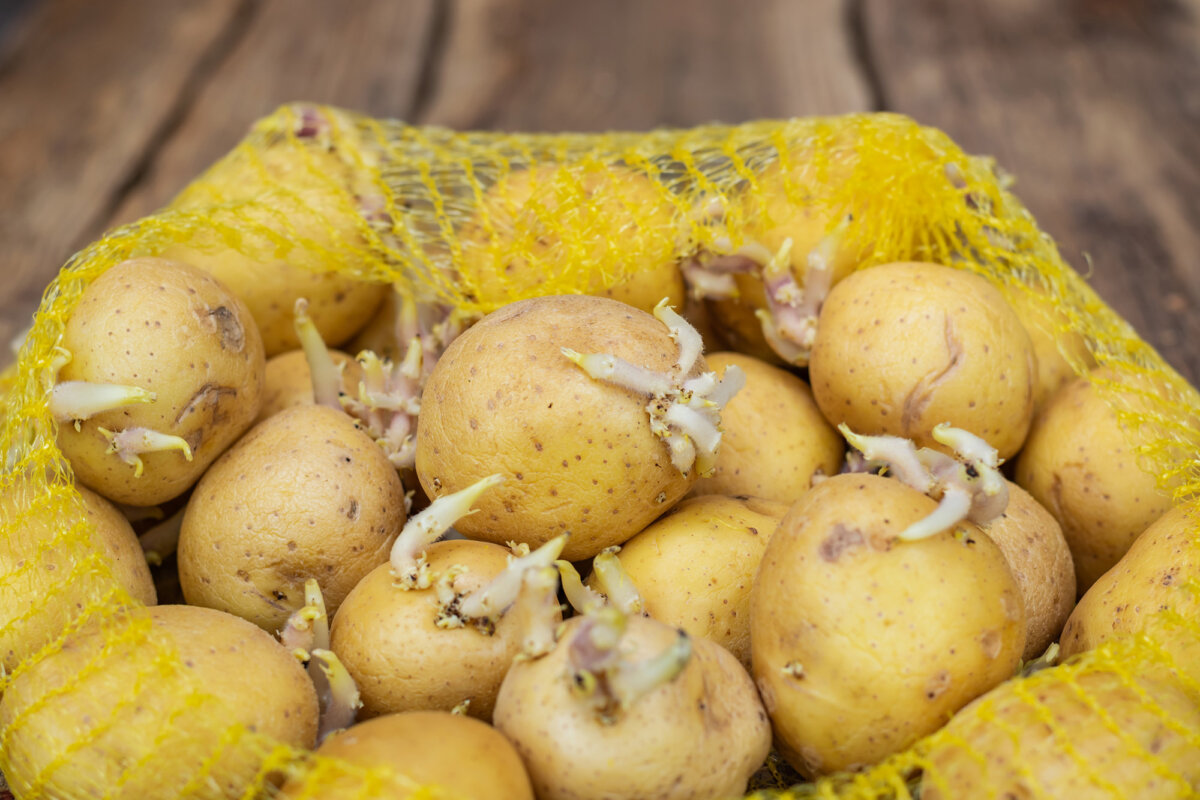
Healthy supermarket potatoes will pretty much sprout themselves. Put them in a cool, well-lit area, eyes up and heel (where it attached to the vine) down. An egg carton or other divided container works well. They should sprout in three to four weeks.
Cut the potatoes into pieces, with each piece having at least two eyes (buds). Soak the pieces in water for 30 minutes before planting.
Sweet potatoes—which are actually not traditional potatoes at all but part of the morning glory family—take about a month or two to sprout using the water jar and toothpick method. They will sprout in a mere three to four weeks when half-buried in potting soil. Wait until the slips (growing eyes) are four to six inches long, then transplant to soil where they will have more room to grow.
Extra Melons
Just finished a delicious cantaloupe? Save the seeds and plant them! This also works for honeydew, melon, pumpkin, cucumbers, tomatoes, peppers, lemons, apples, cherries, peaches, pears, apricots, kiwis, avocados (which use the toothpick/water method), and fresh—not roasted—unshelled peanuts.
Some may be hybrids, which means their offspring won’t be true to form and may taste or look different than the parent plant’s produce. But it’s free, so why not give it a try? The results might be a really pleasant surprise.
Flavor Revival
Set aside a single garlic clove from each bulb to sprout in water or potting soil. Each clove will become an entirely new bulb. Other mouthwatering regrows include:
Spices of Life
Select robust pieces of ginger or turmeric with several eyes. Wash thoroughly to remove any growth retardant. Cut into one- to two-inch pieces with a few eyes on each. Allow the ginger pieces to sit for two to three days before planting. This gives the ginger time to callus over the cut areas and prevents root rot.
Soft-Stem Herbs
Take a four- to six-inch sprig of mint, basil, parsley, cilantro, tarragon, lemon verbena, savory, stevia, lemon balm, or another soft-stem herb. Remove the bottom leaves, if necessary, and set in a glass with two inches of water. Place in a window with indirect sunlight. They should root within a week.
Woody Relatives
Supermarket sprigs of rosemary, sage, thyme, oregano, marjoram, and lavender don’t have woody stems yet, which makes them great for propagation. Take four- to eight-inch pieces, remove the leaves from the bottom two to four inches, dip in rooting hormone if available, and place in seed-starting soil. They should root in two to four weeks.
