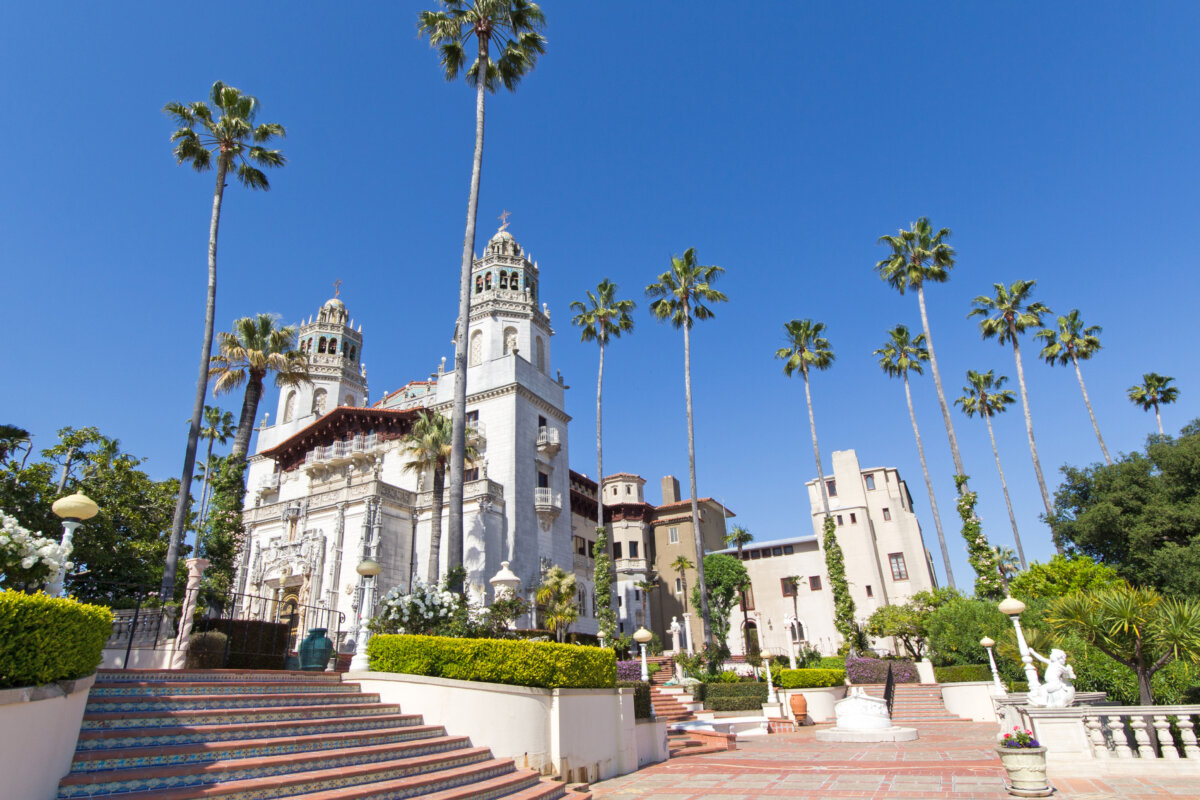
Few figures of the American Gilded Age left a mark as indelible—or as literal—as William Randolph Hearst. He possessed a rare gift for transformation: A single newspaper became a media empire; a remote and windswept stretch of California coastline became one of the most storied estates in the country.
Born in 1863 to George and Phoebe Hearst, he grew up as the only child of a successful prospector and businessman and a well-educated former schoolteacher. His privileged upbringing included private schooling and extensive travel. At age 10, he embarked on a year-long European tour with his mother, visiting castles and museums that would later shape his vision for Hearst Castle.
After briefly studying at Harvard University, William Randolph Hearst took control of the San Francisco Examiner at just 23 years old, using his family’s vast resources to launch a powerful media empire that would reshape American journalism. He remained deeply drawn to the arts throughout his life and spent much of his time in galleries. He once wrote to his mother that he had “the art fever terribly,” wandering among the works and wishing that they were his own.
He also developed an early, lasting attachment to the rugged California coast. His father’s purchase of 40,000 acres in San Simeon gave Hearst an intimate familiarity with the landscape, which he came to know well through frequent family camping trips there. The landscape, of rolling green hills and shimmering Pacific Ocean, left a vivid impression. Decades later, in 1919, he inherited the expansive property following his mother’s death and steadily expanded it to roughly 250,000 acres.
What began as untamed ranchland became the site of an extraordinary vision. Hearst envisioned a private retreat where he could withdraw from public life and oversee the design and operation of his surroundings.
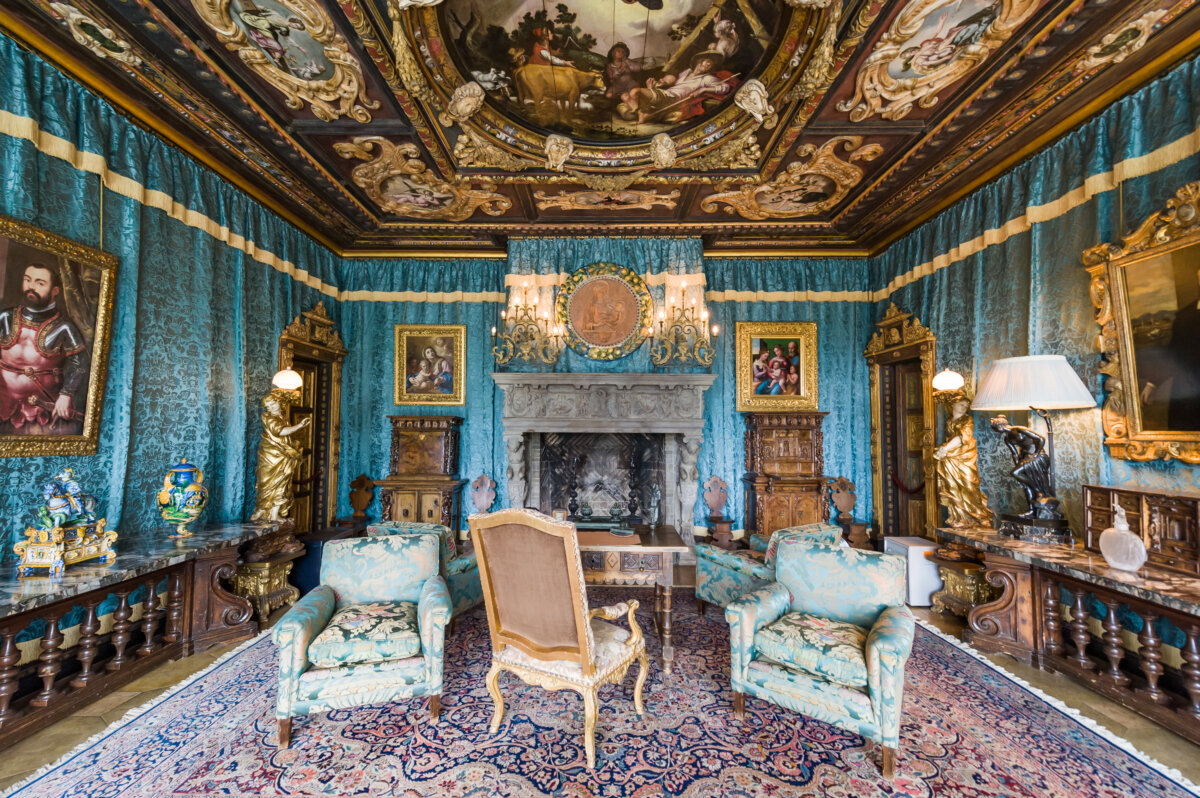
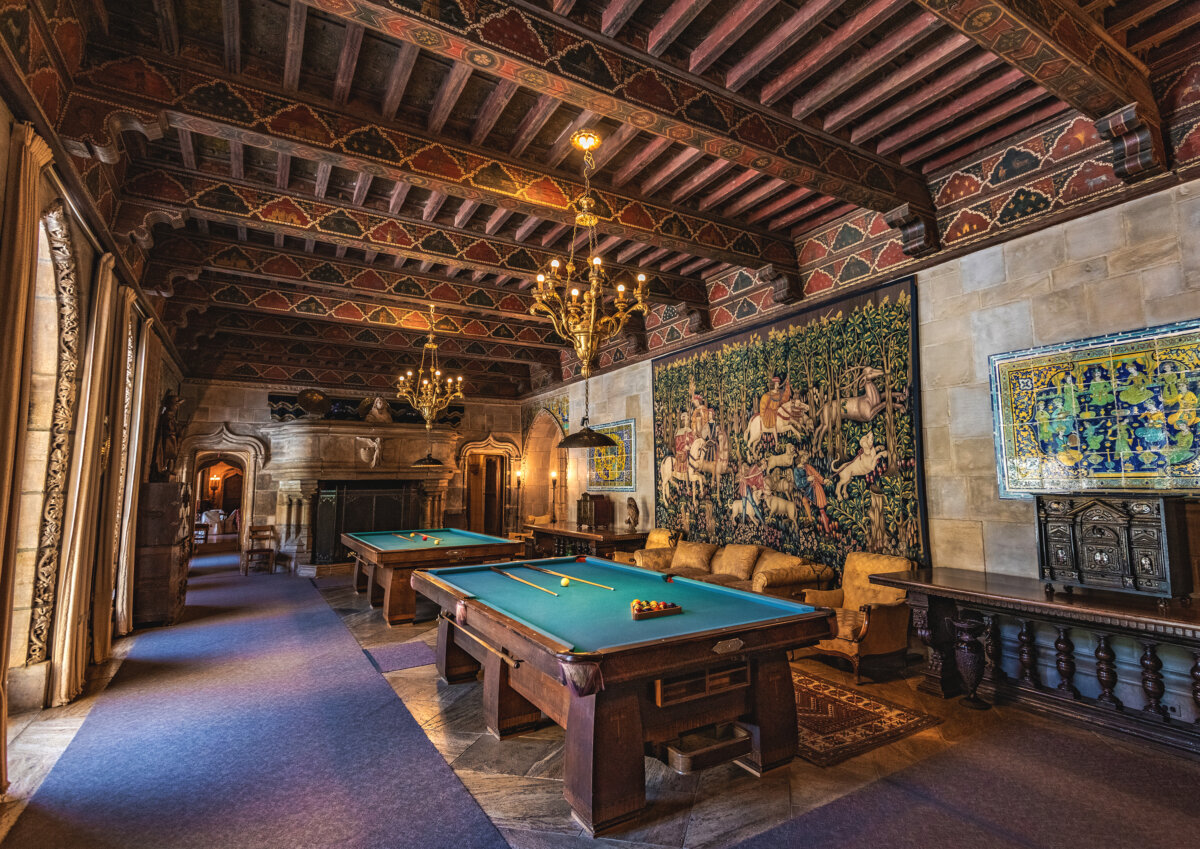
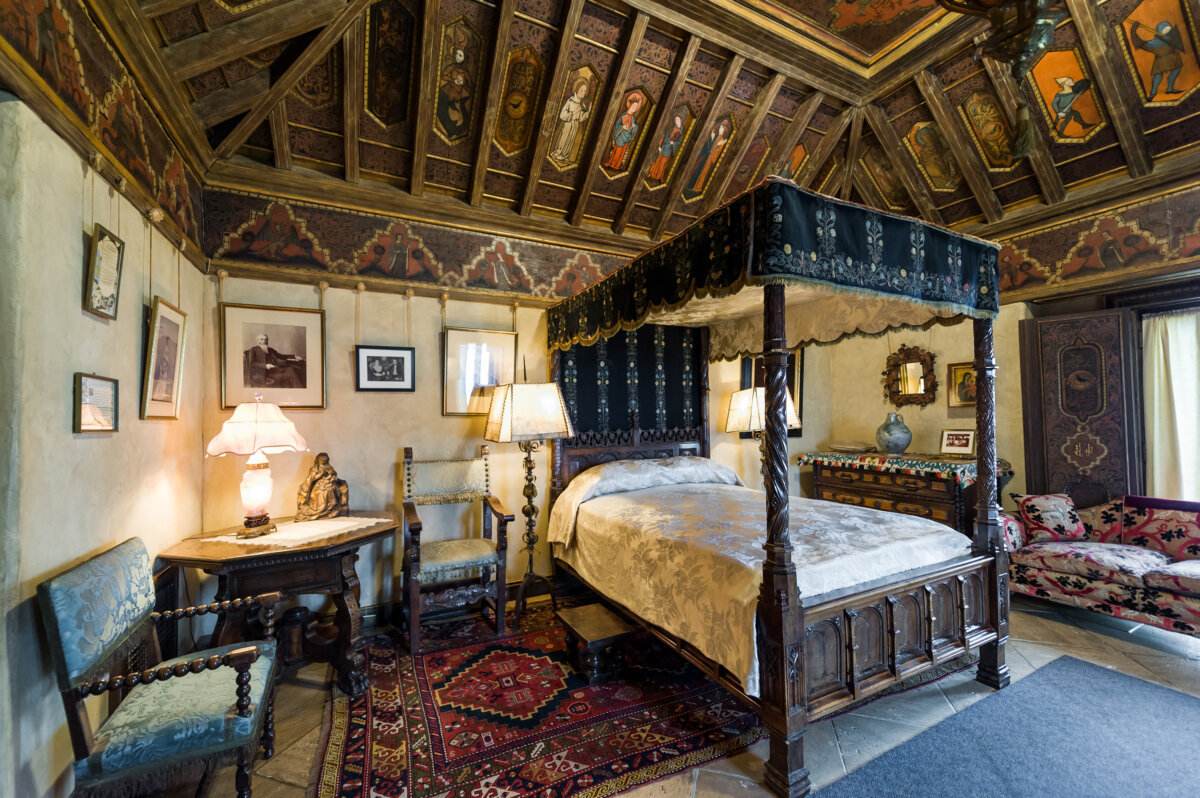
Construction of Hearst Castle began in 1919 and continued for nearly three decades. Hearst worked closely with architect Julia Morgan, exchanging thousands of detailed letters and telegrams as the ambitious project evolved. The estate combined Spanish and Italian Renaissance influences with modern reinforced concrete construction. Imported historic materials, including stone, tile, and intricately carved architectural elements, were incorporated throughout.
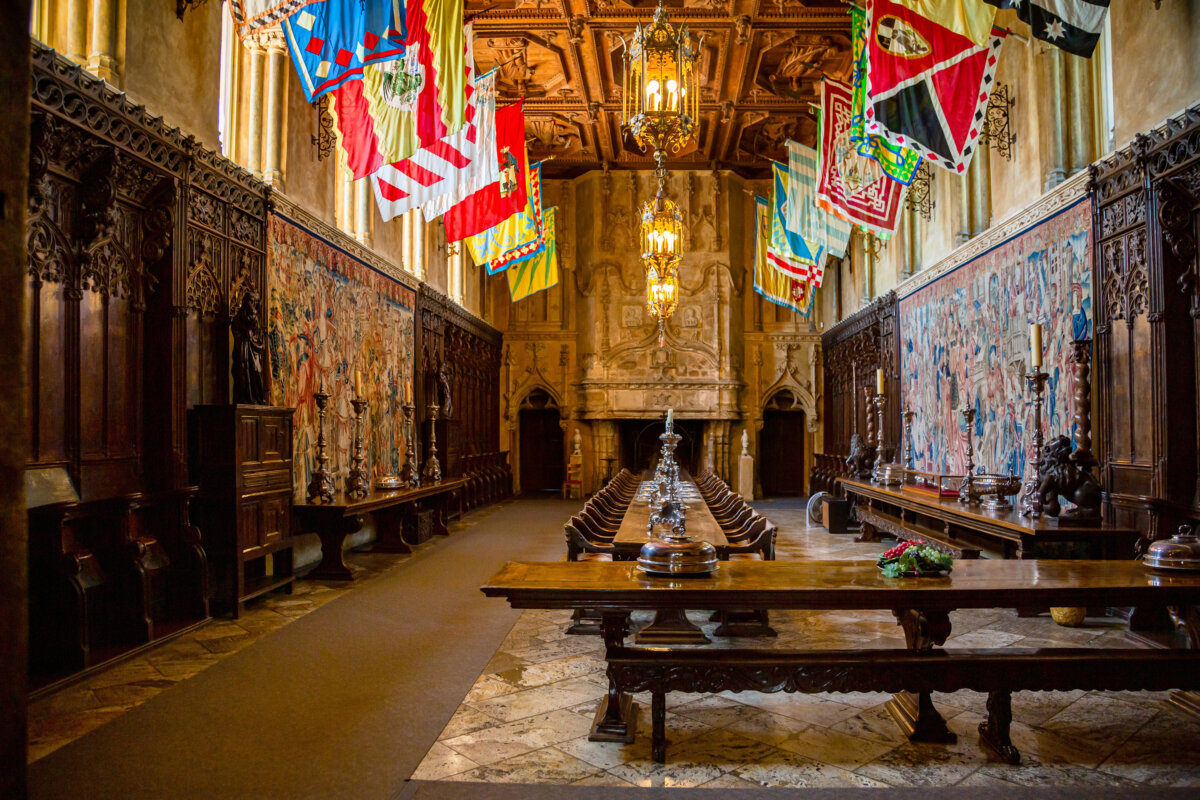
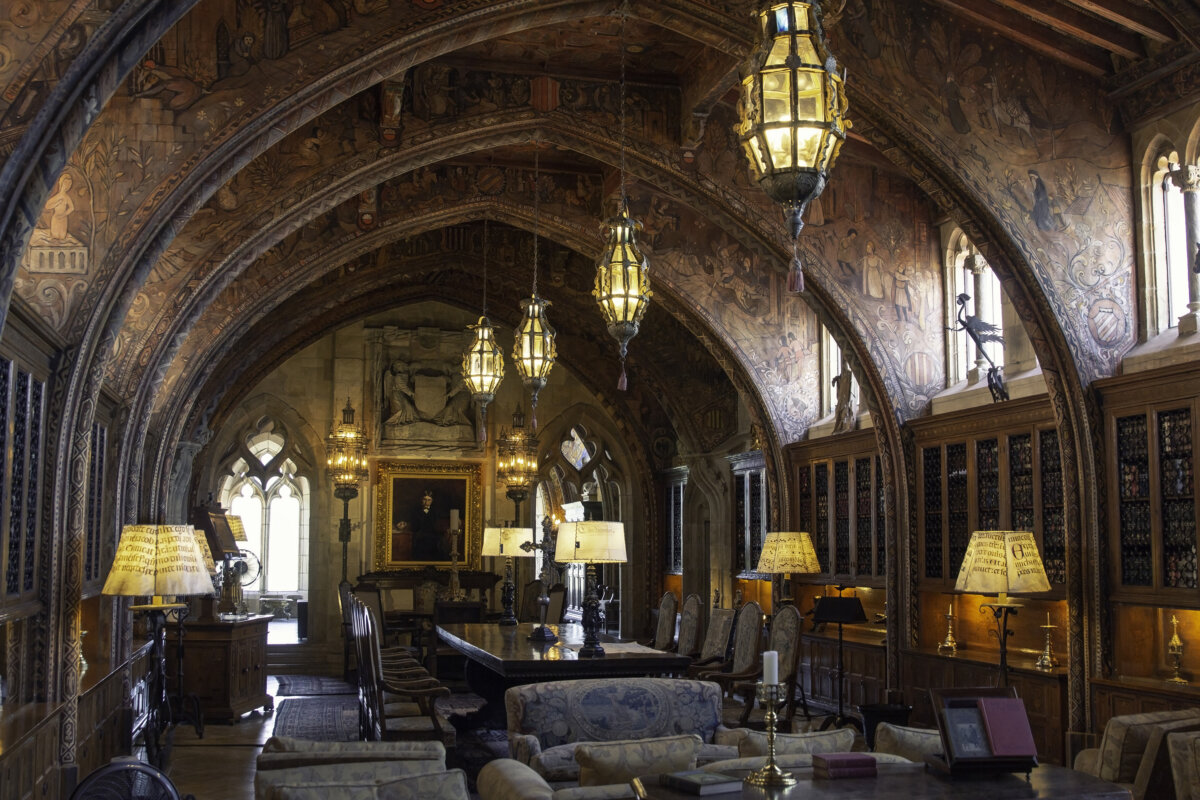
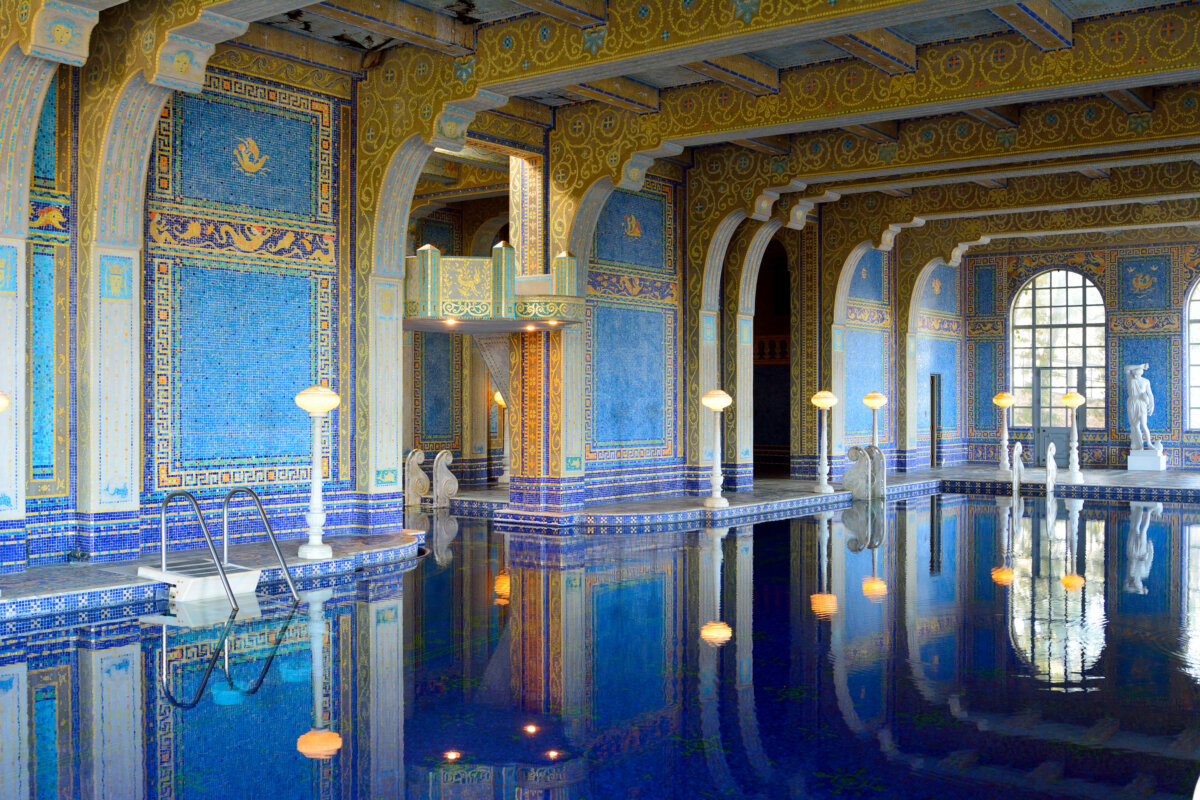
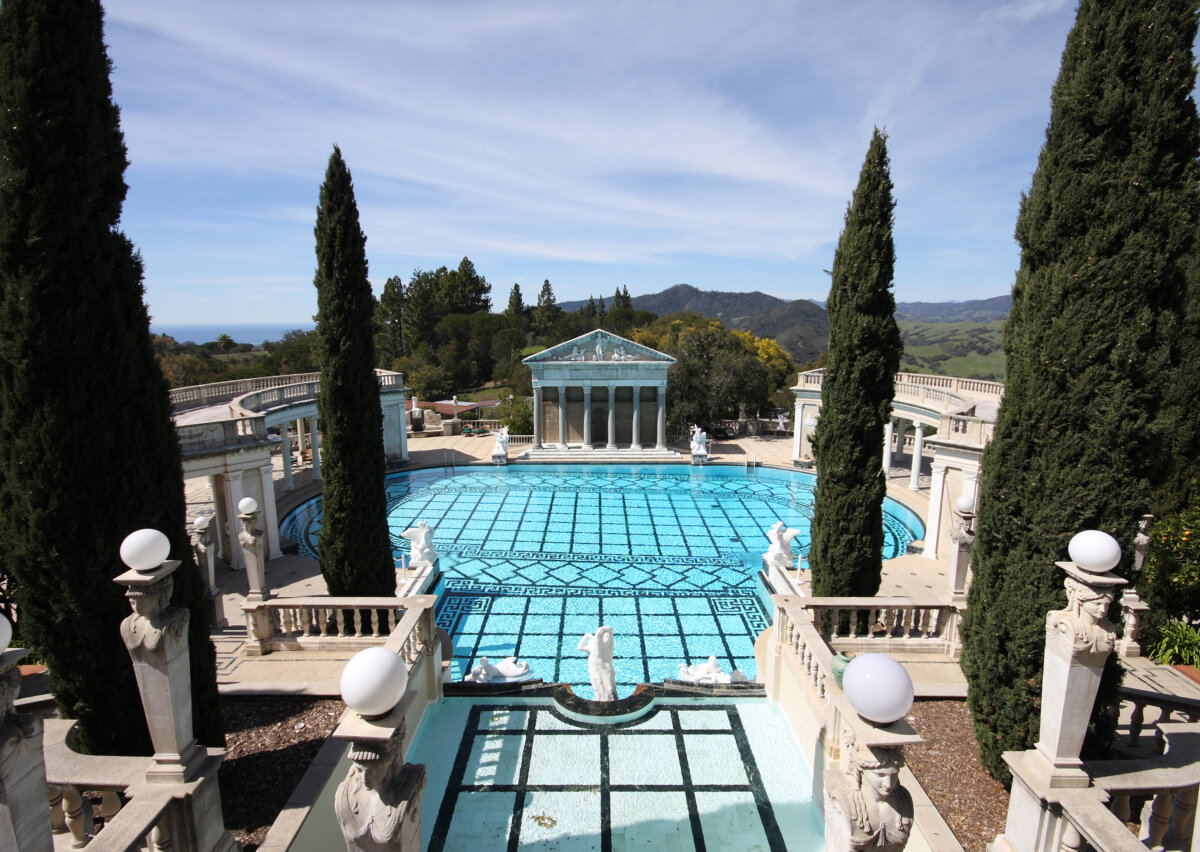
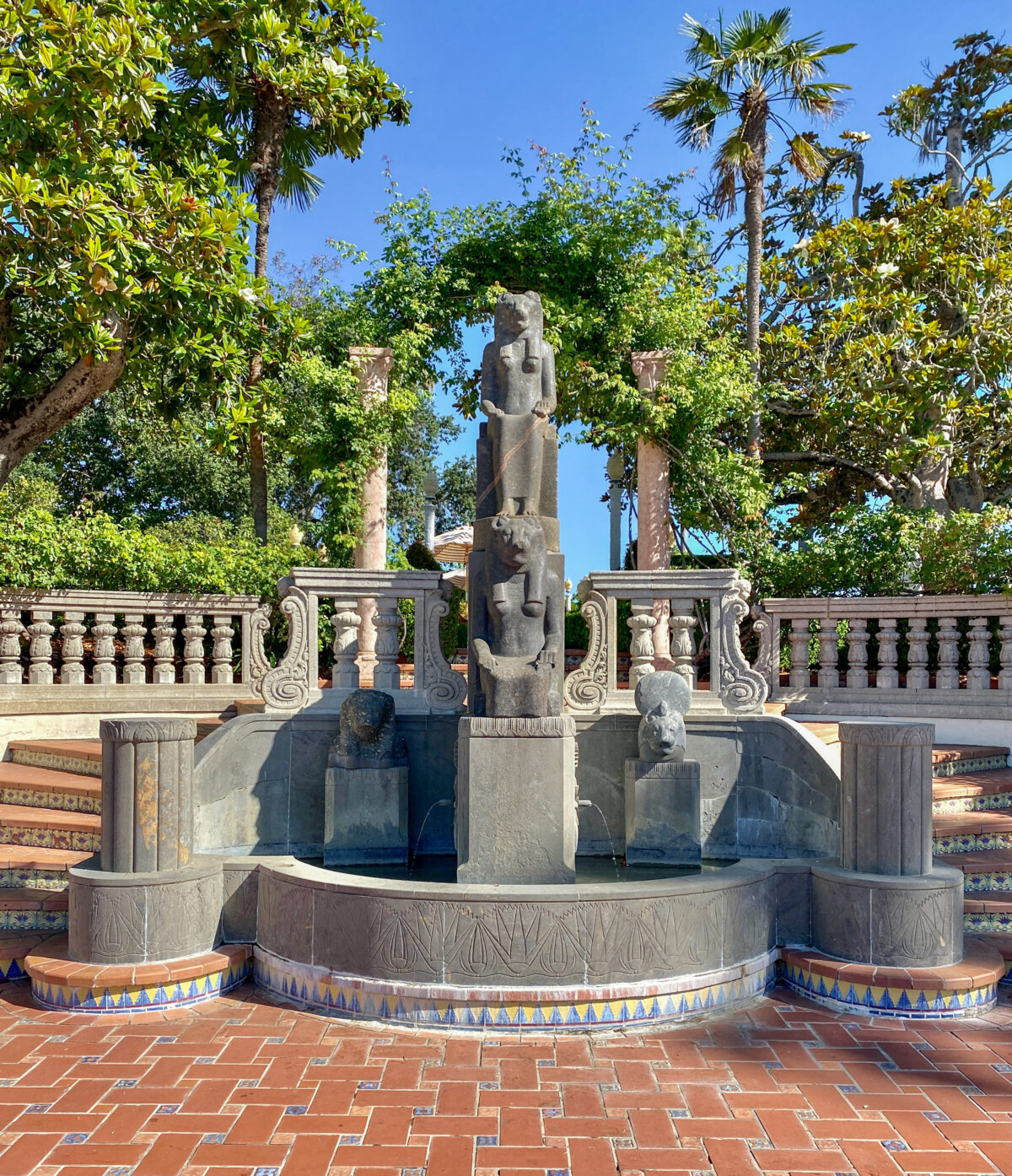
With immense wealth at his disposal, he indulged freely. His collecting strategy was simple: Buy first, decide later. Often, entire inventories were purchased from European dealers and only afterward integrated into the styling. Signature features such as Casa Grande, the elegant guesthouses, sweeping terraces, lush gardens, and the quintessential Neptune Pool reflected Hearst’s preference for grandeur and artistic expression. Hearst nicknamed the estate “La Cuesta Encantada,” or “The Enchanted Hill.”
But the estate was not only a private architectural vision—it was also a lively social hub. The estate kept expanding as the parties continued. When Hearst’s health began to decline in 1947, the unfinished estate included an impressive 165 rooms and more than 125 acres of meticulously designed gardens, pools, and terraces. It housed an extraordinary art collection drawn from Europe and the United States.
At his death in 1951, Hearst had assembled one of the largest private collections in the country, much of it at the estate, which today holds more than 20,000 objects, some thousands of years old. In 1958, the property was transferred to the state of California and opened to the public. It now operates as a state historic park and museum, a testament to a lifelong obsession with beauty and the enduring belief that great art deserves a great home.
What arts and culture topics would you like us to cover? Please email ideas or feedback to features@epochtimes.nyc.