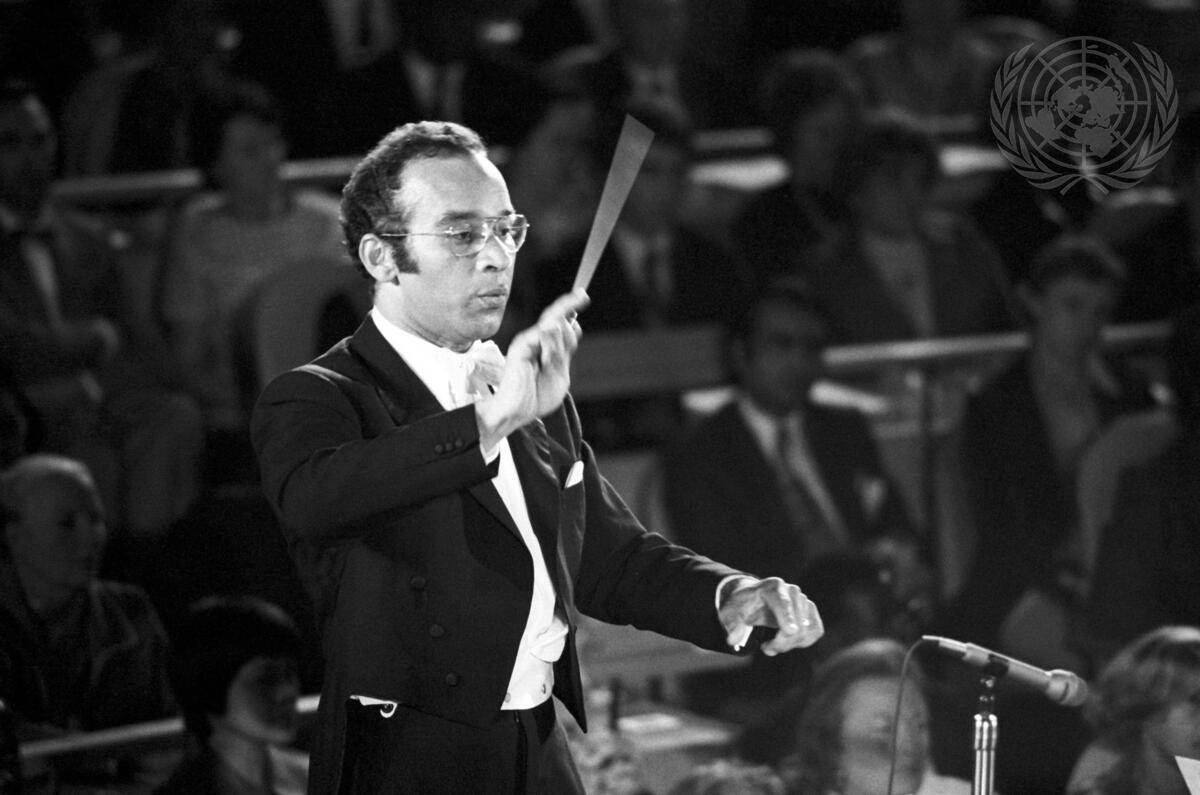
In the mid-20th century, many people in the classical music world believed that one had to be European to possess the necessary experience, training, and prestige to be a world-class conductor.
One musician defied the odds to make his way in music, distinguishing himself and his nation with his contributions to classical music.
Henry J. Lewis (1932–1996) was born in Los Angeles, on Oct. 16, 1932. His father, Henry Sr., was an automobile dealer, and his mother, Mary Josephine, was a registered nurse. After attending a Los Angeles Philharmonic (LA Phil) Symphony for Youth concert, he developed an interest in music and began playing the piano.
At the Holy Name of Jesus School, as the only black student, he played piano recitals and received musical encouragement from nuns who taught at the school. He later went to a public school, joined the band, and eventually played the double bass.
While young Henry was attending Dorsey High School, he was hired as a double bassist by the LA Phil in 1948 at just 16, making him one of the youngest musicians in the symphony’s history. The LA Phil’s music director at the time, Alfred Wallenstein, himself been a prodigious cellist, said of Lewis: “He’s exceptionally talented. He deserves every possible opportunity.”
Wanting to further Lewis’s career, Wallenstein helped him get a scholarship to the University of Southern California (USC) when he was 18. There, he could study music formally while continuing to play in the LA Phil.
Drafted to the Podium
In 1954, Lewis was drafted into the U.S. Army, and he served in Europe until 1957. During that time, he began as first bass player in the 7th Army Symphony Orchestra but soon rose to assistant conductor and eventually its conductor.
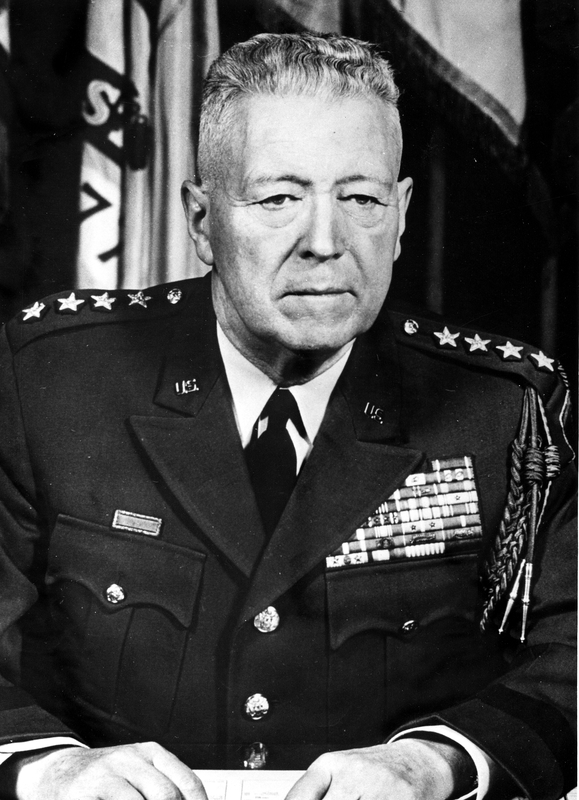
The orchestra’s performances in Germany and the Netherlands were so well received that his commanding officer, Lt. Gen. Bruce C. Clarke, wrote a letter of commendation for his return to the LA Phil. He credited Lewis’s “imagination, devotion to duty and hard work,” as well as his musicianship and artistic talents, as “an important facet of our program to enhance European-American relations.”
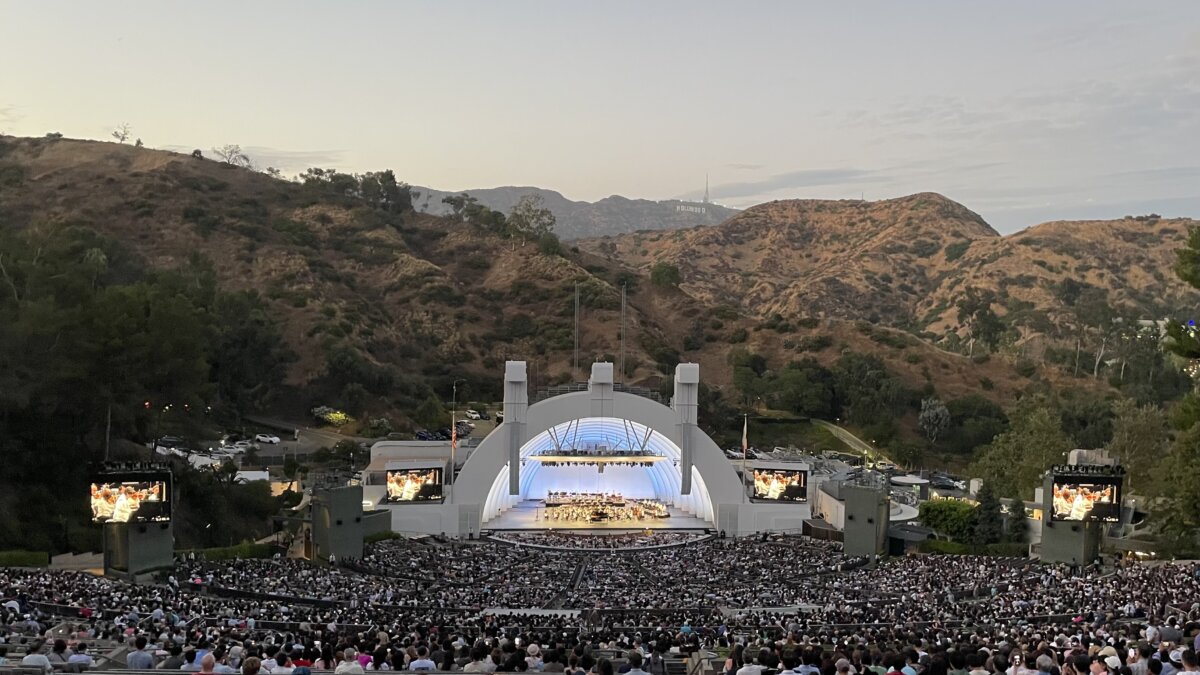
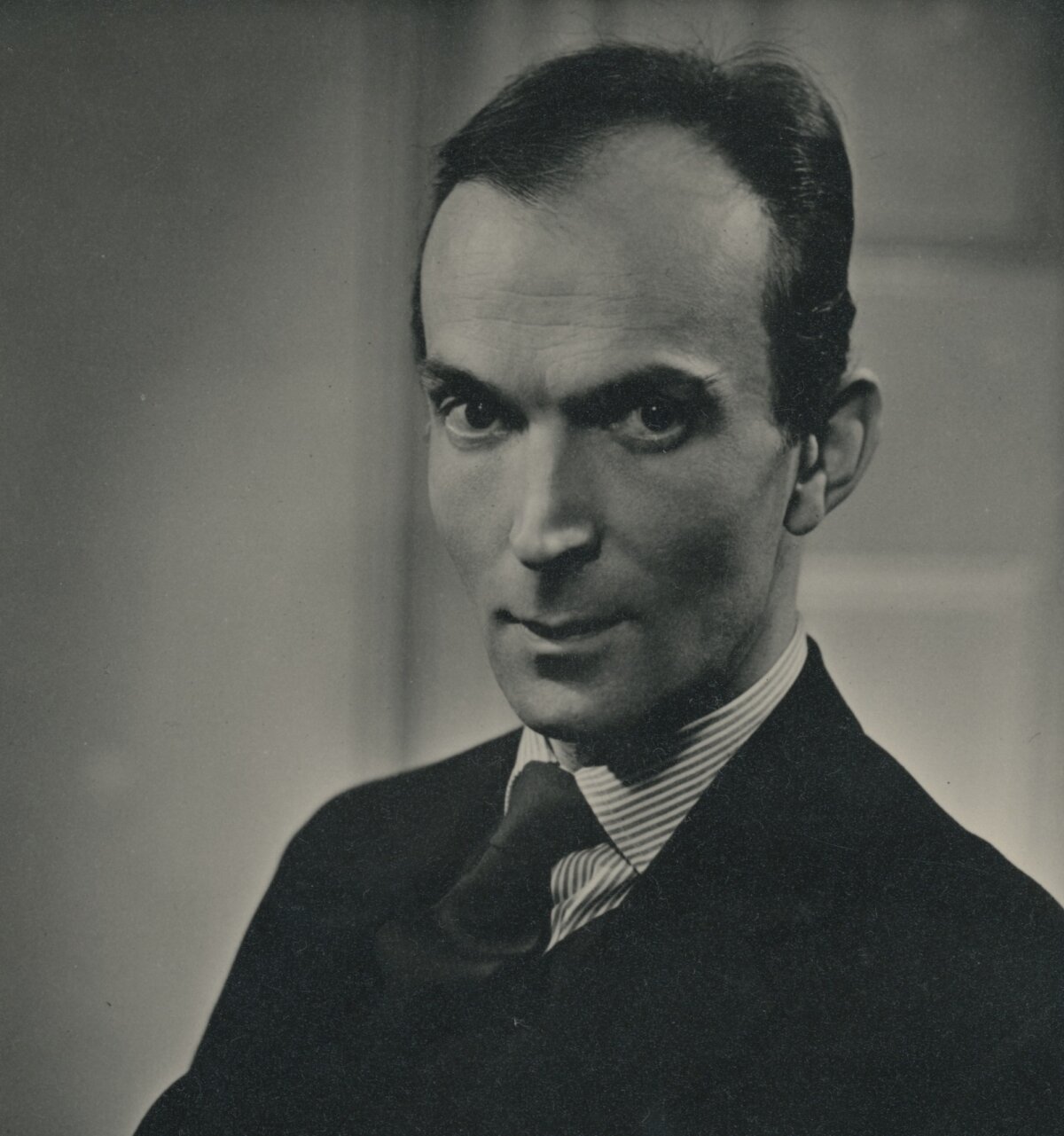
Back in civilian life, Lewis returned to the LA Phil, acting as guest conductor on several concerts on tour in 1960. The next year, he got his big break when Maestro Igor Markevitch was taken ill; Lewis was one of two young conductors who took his place on major concerts.
On Feb. 9, 1961, Lewis made history when he picked up that baton, as the first native Angeleno to conduct Los Angeles’s own symphony on a subscription series concert. The reviews called him “assured” with “a conductor’s natural flair for command,” which “proved he had the right to be there.”
Within a few years, he became the LA Phil’s assistant conductor; in that position, he conducted the Symphonies for Youth concert series. He founded the String Society of Los Angeles with several fellow LA Phil musicians.
He was also the founding conductor of the nonprofit Young Musicians Foundation Training Orchestra, which he led for its first seven seasons. In 1968, he became the music director of the New Jersey Symphony, a position he held until 1976. He would go on to conduct almost every major symphony in the United States, as well as some of the most famous in major international cities.
A Classic Love Story
Lewis met opera singer Marilyn Horne at USC. They kept in touch through letters and phone calls as their lives took different paths. In the summer of 1960, they married. In 1965, they had a daughter, Angela.
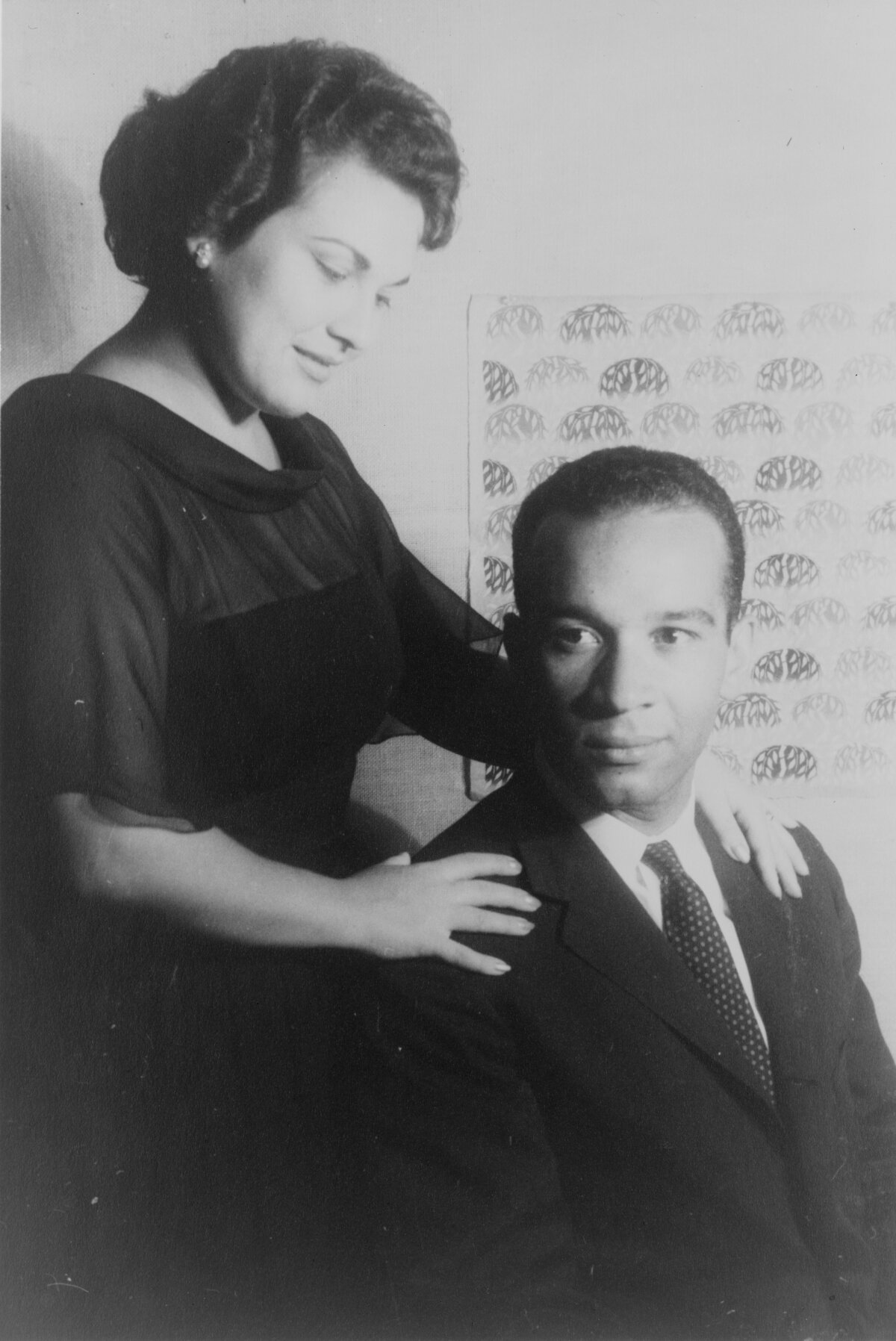
Although they shared a home in the Echo Park neighborhood of Los Angeles, their separate careers often led them in different directions. While Lewis was a highly successful conductor in his own right, his fame didn’t equal that of his wife’s and was sometimes dubbed “Mr. Horne.”
Horne credited her husband as a great mentor in the early days of her career, calling him “my prophet and my teacher and my right hand” in her autobiography. She added, “I depended on him for advice and support.”
They worked extensively together in the 1960s and 70s, making many recordings. He also frequently conducted her performances, both in concert and in full operas. She appeared on that first 1961 concert, which sealed his fame, and she also sang at several concerts with the New Jersey Symphony under his baton.
Horne wasn’t in the production of “La Boheme” when Lewis made his historic conducting debut of the opera at the Metropolitan Opera in 1972. They eventually divorced in 1979, yet they remained close friends and neither remarried.
Henry Lewis died suddenly in 1996 of a heart attack at age 63, cutting short a brilliant career. However, his legacy remains a shining example of an American success story.
What arts and culture topics would you like us to cover? Please email ideas or feedback to features@epochtimes.nyc