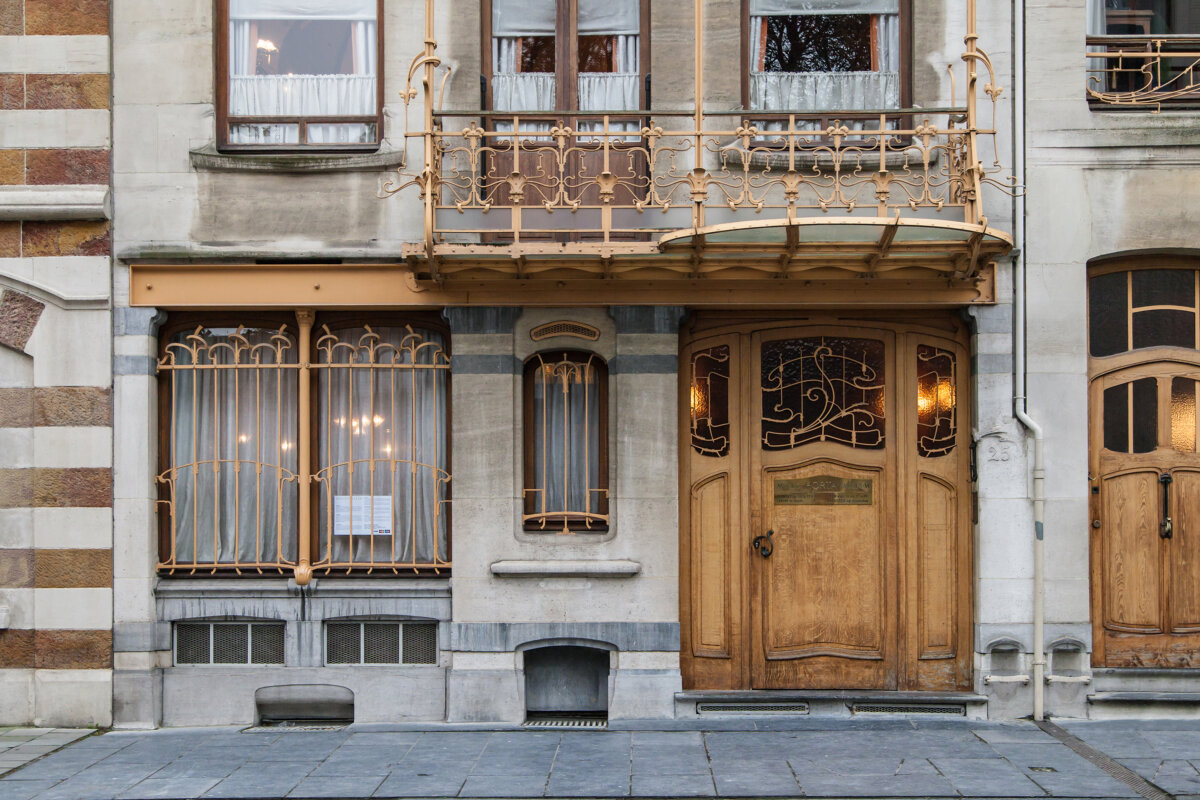
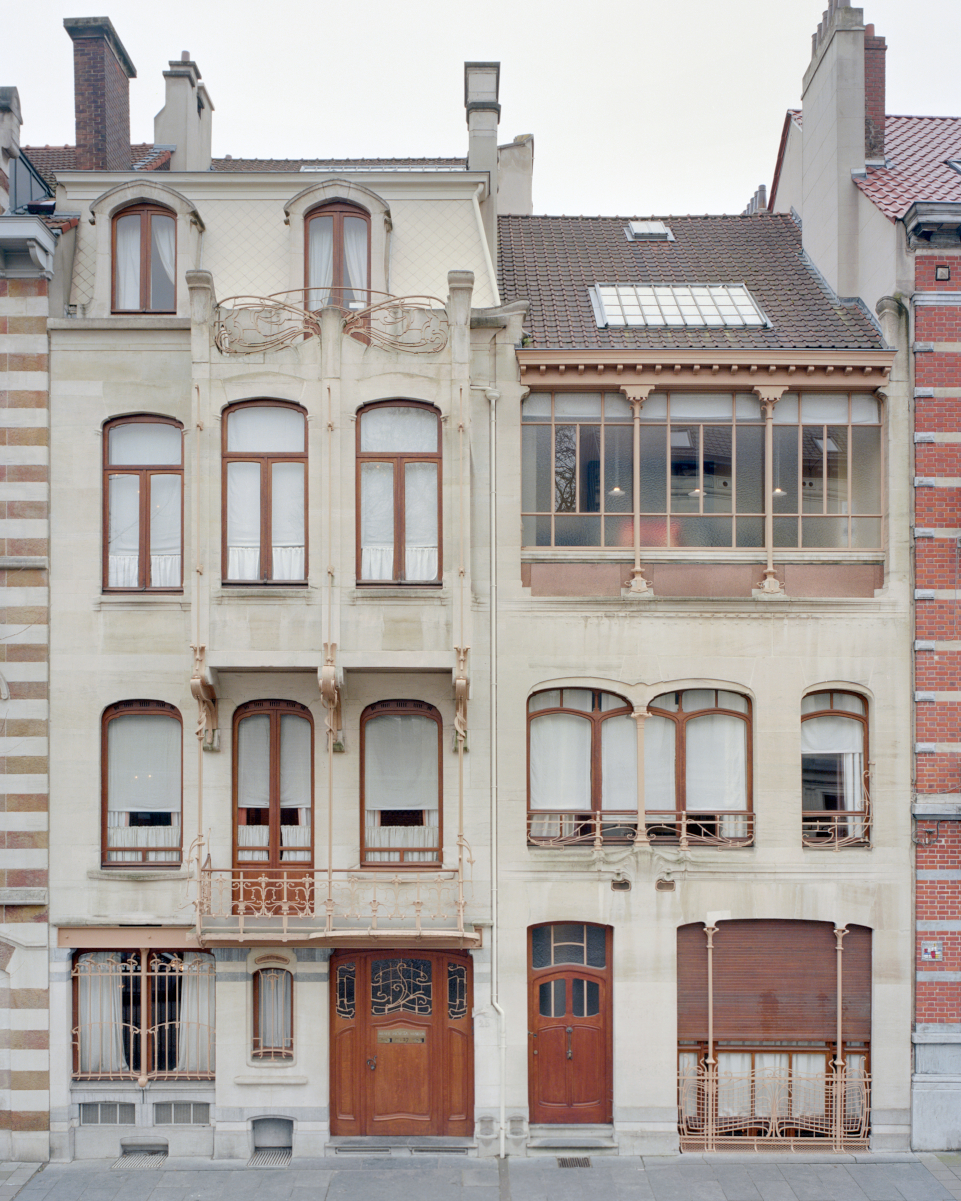
Victor Horta designed and built his home and studio at the peak of his career. The façade features a delicate iron balcony and oriels, bay windows that project from the main wall of a building. Together, these elements showcase the bold structural ingenuity that became Horta’s hallmark. (Santi Rodriguez/Shutterstock)
Curving lines bloom across every surface of the Horta Museum, twisting and spiraling like vines in a secret garden, guiding visitors along a path alive with creativity. From iron railings that coil like tendrils to ornate details echoing leaves and flowers, each room unfolds naturally into the next, revealing the ingenuity of Belgian architect Victor Horta.
Built between 1898 and 1901 and located in the Saint-Gilles district of Brussels, the museum captures a moment when architecture branched out toward innovation and artistic harmony, reflecting a growing middle class eager for natural designs. Today, the museum preserves this seamless blend of imagination, craftsmanship, and the organic beauty that defines art nouveau.
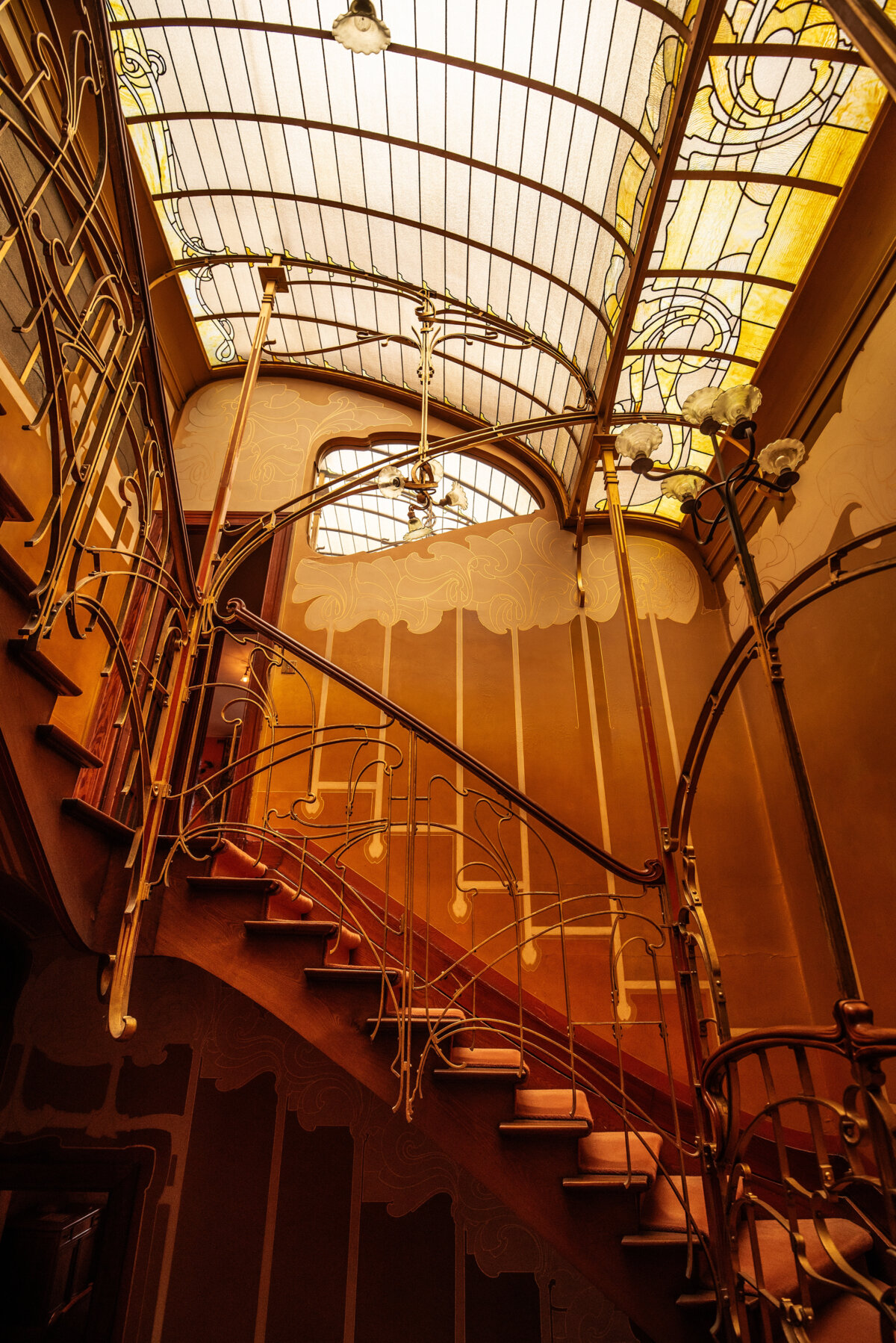
The Horta Museum is a five-level building composed of a basement, ground floor, a piano nobile, and two upper floors, organized around a central staircase illuminated by a sweeping skylight. Designed as both a home and a workspace, it functioned as a laboratory for Horta’s ideas, where architecture, interior design, and decorative arts merge into a unified whole. Each room flows into the next through curving lines that guide movement and perception, creating a sense of continuity throughout the space.
Constructed using iron, glass, wood, and stone, the building transforms industrial materials into refined artistic elements. Iron is shaped into plant-like forms in railings and structural supports, while stained glass and large windows diffuse natural light across interiors. Distinctive features include projecting windows supported by delicate iron balconies, glazed tile walls, and custom-designed furnishings that echo the building’s organic motifs.
The Horta Museum opened to the public in 1969 and is carefully preserved to maintain its original interiors, furnishings, and decorative details. Recognized as a UNESCO World Heritage Site, it remains a vital cultural landmark, offering insight into the life and work of Horta. Serving as both a preserved landmark and a living museum, the museum thrives like a carefully tended garden, demonstrating how architecture can grow into a seamless union of creativity, craft, and cultural expression.
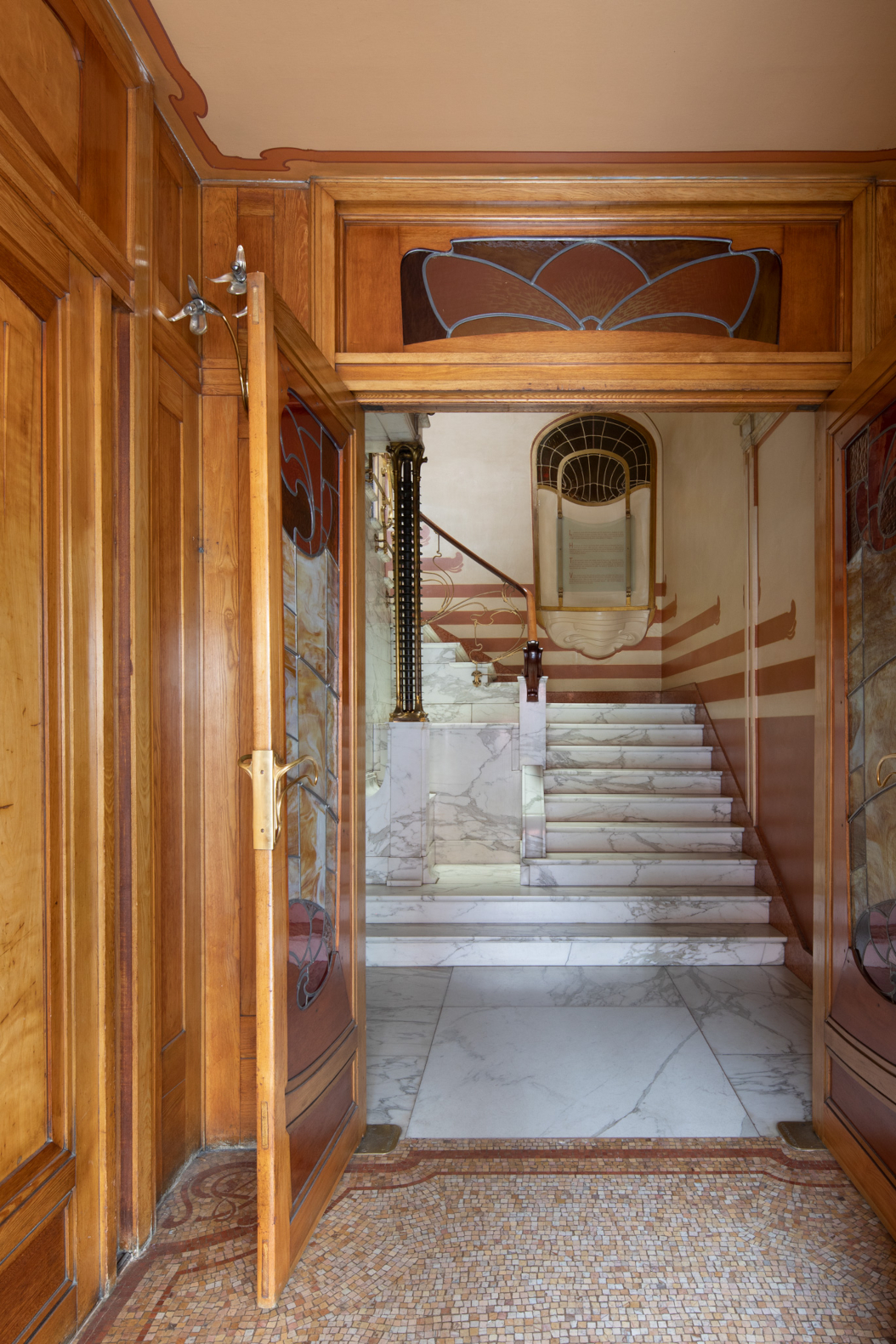
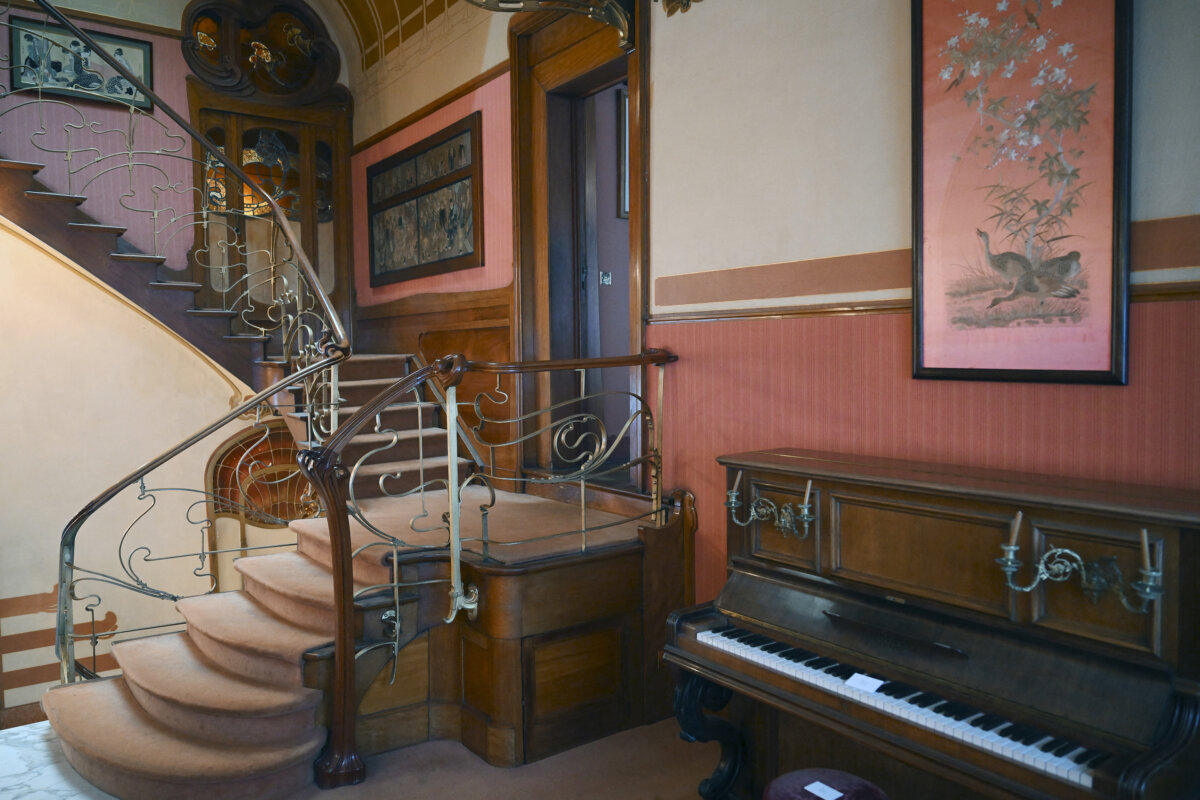
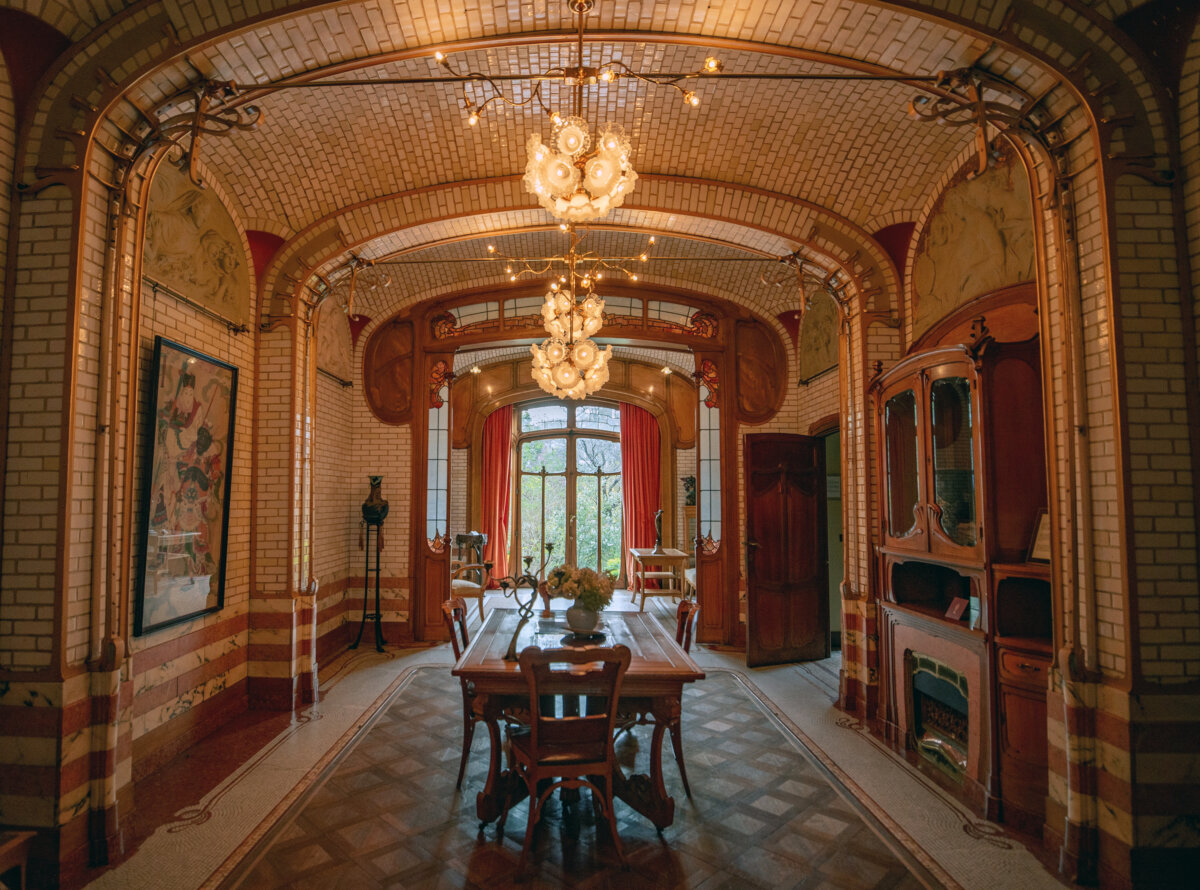
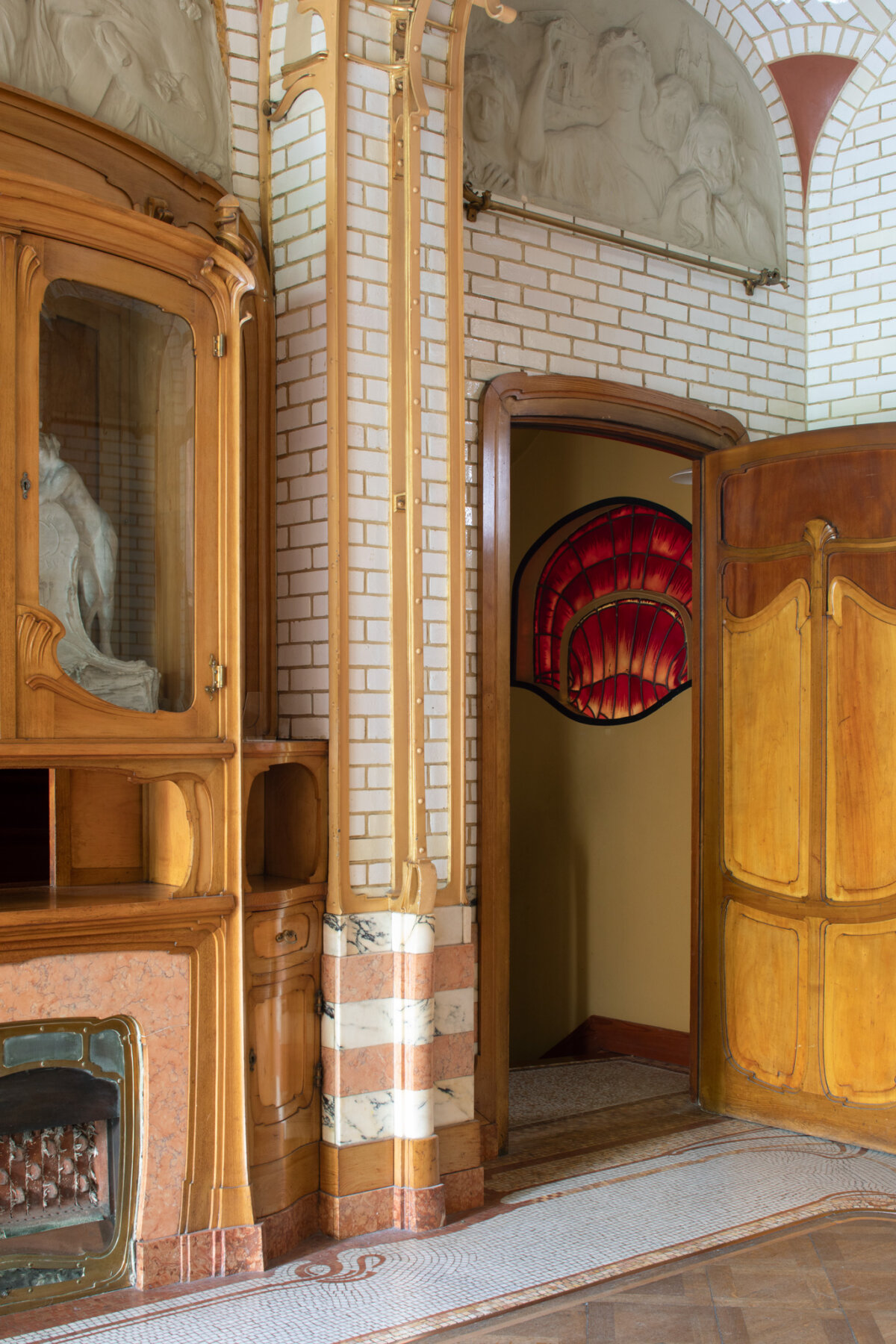
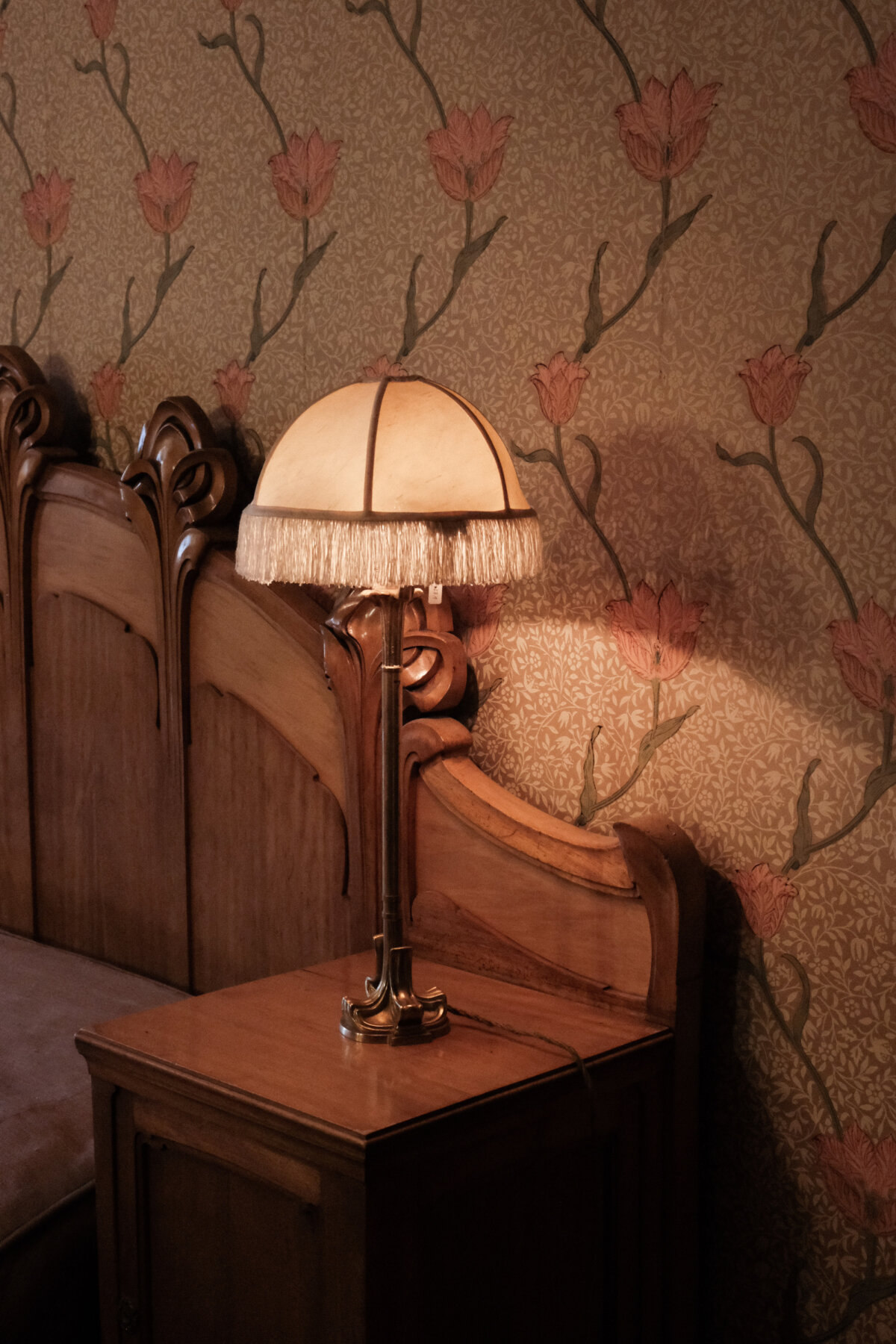
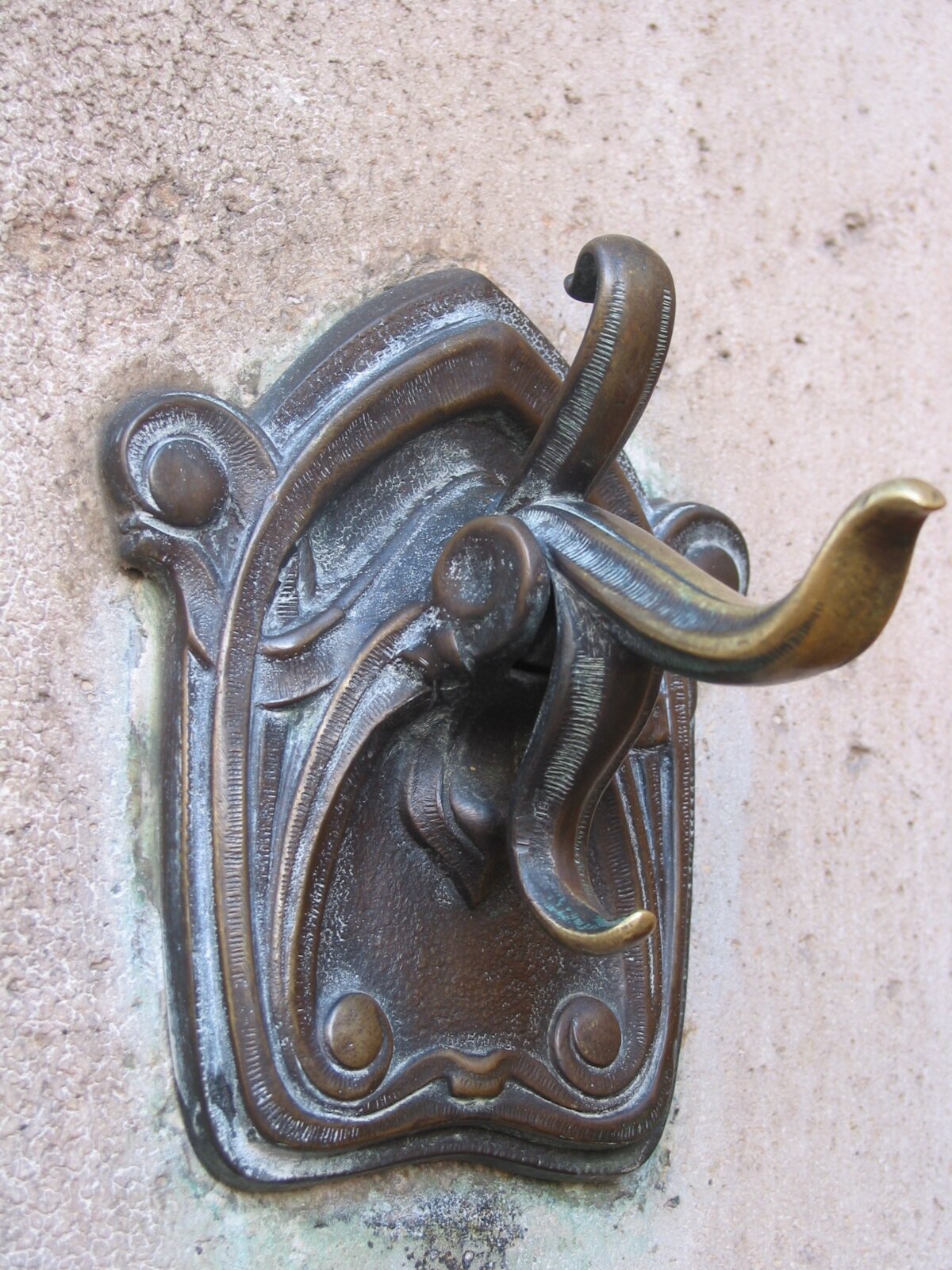
Combining carved limestone with intricate ironwork and windows of varying shapes, the exterior of the Horta Museum flows with an organic, natural rhythm. The balcony’s steel structure is seamlessly integrated into the house’s artistry, showcasing the curving whiplash lines that define Horta’s style. These sinuous, naturalistic forms were inspired by Japonisme, the Western fascination with Japanese art that emerged after Japan reopened to trade in 1853, giving the design its flowing, organic elegance. (Courtesy of Horta Museum)Across the interior, Horta’s signature curvilinear elements appear across the floors, ceilings, and windows. The first two flights of the grand staircase, which anchors the home and structures the layout, are crafted from luxurious Carrara marble. (Courtesy of Horta Museum) This first level opens onto the principal reception rooms, including the music room and dining room. The staircase features gently curving steps complemented by an intricately carved mahogany handrail, underscoring the refined restraint of the materials. Its smooth, organic woodwork pairs elegantly with the delicate iron detailing, creating a balanced and cohesive design. (Nicolas Tucat/Getty Images) Above the main staircase, a large curved stained-glass skylight with golden tones floods the space, highlighting the warmth of the interiors. This innovative design transforms the house’s central core, traditionally dark and difficult to use, into a bright, inviting area that serves as both a functional circulation space and a striking focal point of Horta’s art nouveau vision. (Veggiewayfarer/Shutterstock) The dining room features a meticulous design of white glazed bricks, exposed metal arches, and parquet flooring bordered by a tile mosaic. Ornate, overhanging light fixtures complement the large doors that open to the garden, filling the space with both natural and decorative light. (Veggiewayfarer/Shutterstock) Horta’s integration of form and function is evident in the dining room. A built-in buffet cabinet includes heating and staff access, while white glazed brick walls enhance natural light. A detailed mosaic floor anchors the space. Arched bas-reliefs by P. Braecke and a red stained-glass window in the service staircase add artistic detail. The use of iron, marble, and fine wood balances industrial structure with refined finishes. (Courtesy of Horta Museum) Horta favored painted walls, fabric panels, and decorative finishes that were fully integrated with the architecture. In some rooms, museum conservators and artists have introduced wallpaper where appropriate, carefully maintaining the original aesthetic. These additions reflect the art nouveau period, such as the Garden Tulip design by William Morris & Co. from 1885. (Courtesy of Horta Museum) Horta was both architect and designer, ensuring every detail, large or small, worked in harmony. Even a simple doorbell reflects this philosophy. Crafted to complement the overall architecture, these functional elements often feature floral or biomorphic motifs, blending utility with artistry. Such attention to detail transforms ordinary objects into integral parts of the building’s cohesive art nouveau vision, where form and function flow seamlessly together. (Jean-Pol GRANDMONT/CC-BY-2.0)
What arts and culture topics would you like us to cover? Please email ideas or feedback to features@epochtimes.nyc.
Sarah Isak-Goode is a writer and art historian rooted in the Pacific Northwest. Her name—pronounced EYE-zik-good and meaning "good laugh"—hints at the warmth she brings to everything she does. Equal parts scholar and storyteller, Sarah brings the past to life through a distinctly human lens, exploring what connects us across the centuries. Away from her desk, she feeds her curiosity through traveling, painting, reading, and hiking with her dog, Thor.