



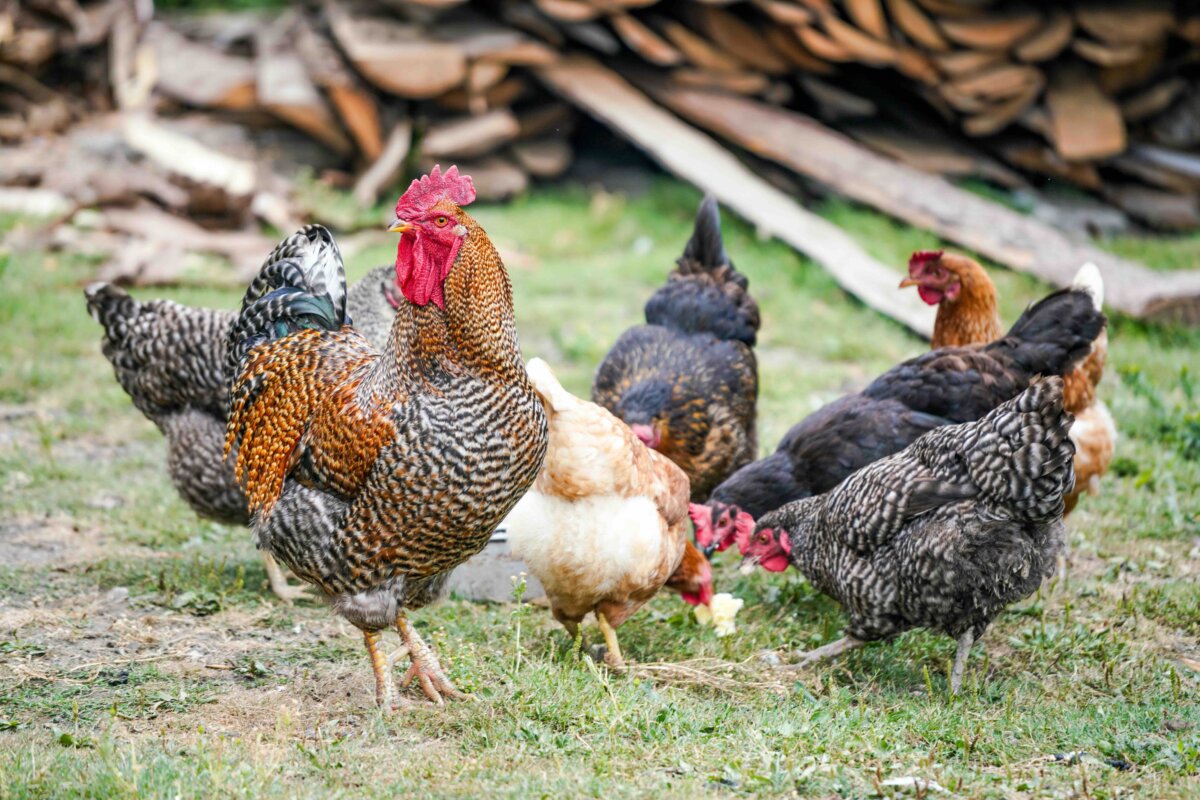
Rob McDaniel, a first-generation farmer and physician assistant from Temecula, California, never imagined he’d end up raising animals for a living. His journey into regenerative agriculture began with a personal wake-up call.
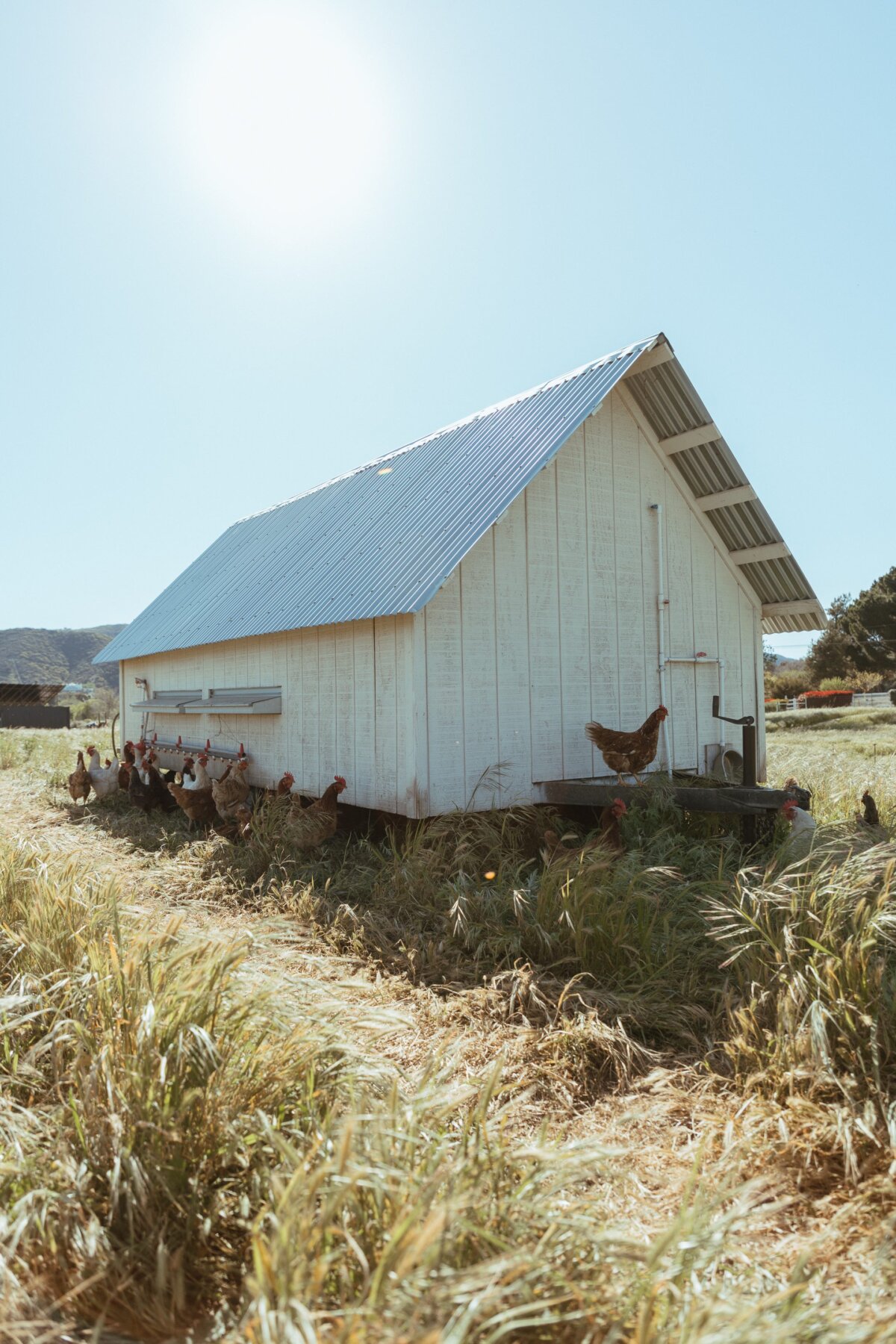
At 23, plagued by allergies and digestive issues, McDaniel began questioning the food he was eating. He realized that many food labels were misleading and that he’d rather raise his own food. In 2012, along with his father, brother, and brother-in-law, he decided to buy 50 broiler chickens and raise them in their eighth-of-an-acre backyard, letting them move around fresh pasture every day.
Their little project caught people’s attention. “We sold all 50 [chickens] before we even tried one,” McDaniel recalled. Their operations quickly grew into Primal Pastures, which now sells lamb, beef, and pork nationwide by partnering with like-minded farms.

McDaniel’s approach is rooted in regenerative agriculture, a practice that mimics nature’s cycles. On his farm, animals rotate through pastures, fertilizing the soil as they go. Letting the ground rest so that the waste can get worked in is a key component. His chickens get a natural diet of grass, bugs, and seeds, and they enjoy daily doses of sunlight and fresh air. “We like to let the chickens express the chickenness of the chicken,” McDaniel said. Happy chickens have a stronger immune system, so his birds don’t usually get sick; that eliminates the need for vaccinations or antibiotics.
However, the overwhelming majority of chickens raised in America are not so lucky. Conventionally raised animals are confined to grow-out houses where they live in cramped conditions. They’re fed large amounts of corn and soy—two genetically modified crops heavily subsidized by the government—and may never be exposed to natural light. These conditions negatively affect their health, so vaccinations and antibiotics become necessary.
And while conventional farming fattens the birds quickly and reduces production costs, the meat lacks essential micronutrients such as omega-3 fatty acids and vitamins A, E, and D, which are present in chickens allowed to forage naturally.
Animals raised the regenerative way are rare in America’s agricultural landscape and expensive for consumers. However, McDaniel believes that Americans should view nutrient-dense food as an investment in their health. “You’re paying for a premium product, but how much do you want to spend on medical bills later?” he asked.
“In the long term, your mental health, your physical health, your emotional health, all of those things are going to benefit from it. And to me, I can’t put a value on that.”
Misleading Labels
One of the biggest challenges consumers face is navigating misleading labels, as many terms do not mean what people assume. For example:
“Organic Chicken”: While this label suggests a healthier bird, it often only refers to the feed, not the living conditions. Many “organic” chickens are still raised in the same crowded grow-out houses.
“Free-Range”: This term simply means that the birds have “access” to the outdoors, which could be nothing more than a small concrete patio outside a massive industrial barn.
“Pasture-Fed”: This label indicates that the animal was fed grass at some stage in its life, which is common for young animals like calves. However, as they mature, they’re switched to a grain-based diet.
“Pasture-Raised”: While this label sounds ideal, it’s not regulated by the USDA, meaning some companies misuse it without truly providing their animals with outdoor access and natural diets.
McDaniel said that the best way to avoid being misled by labels is to know your farmer. “If you’re buying from a farm that won’t show you the chickens and won’t let you come visit, that’s a huge red flag.”
This article was originally published in American Essence magazine.
