



By Angie Hicks
Ask Angi
Your lawn and garden may get the attention, but the real framework of your outdoor space is built from hard, durable features that shape how you live outside. That framework is called hardscaping, and it’s one of the most effective ways to improve both the function and value of your home. Walkways, patios, decks, walls, and firepits don’t just look good; they guide movement, manage water, reduce maintenance, and turn a yard into usable living space.
Winter is an ideal time to plan these projects so you’re ready to build when warmer weather returns. You can get on contractors’ schedules and start planning now.
Hardscaping refers to the nonliving elements of a landscape, usually involving stone, concrete, wood, and metal. Decks, patios, driveways, fences, retaining walls, ponds, pergolas, and firepits all fall into this category.
These features give structure to your yard and help control how people, water, and sight lines move through it. They also solve everyday problems. Hard surfaces need less upkeep than turf, hold up better during droughts, and stay attractive year-round. Just as important, they expand your living space by creating outdoor rooms for cooking, entertaining, relaxing, or simply passing through without trampling the lawn.
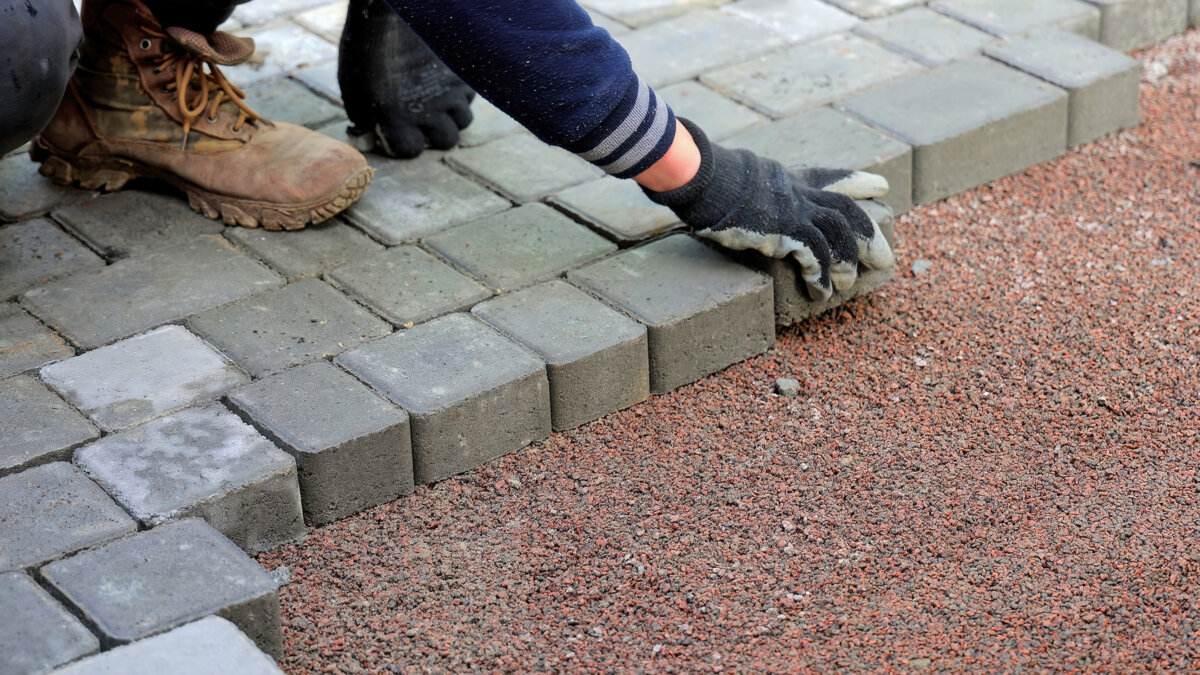
Most hardscape projects fall into a few familiar categories. Walkways and paths are among the simplest additions, but they make an outsized impact by guiding foot traffic and protecting grass and garden beds. Driveways function the same way on a larger scale. Decks and patios extend living areas outdoors. Pergolas and gazebos provide shade and create defined outdoor “rooms.” Retaining walls reshape sloped yards and control erosion.
Costs vary widely. Small projects such as prefabricated fire pits and fountains may run only a few hundred dollars. Larger installations, such as patios, retaining walls, porches, and outdoor kitchens, can climb into the tens of thousands. High-end projects can go much higher. Labor, permits, demolition, grading, drainage work, and local building costs all affect the final number.
Successful hardscaping begins with planning. Work with the natural shape of your yard instead of fighting it. Think about how people will move through the space, and avoid blocking access points or future pathways. Identify focal points, such as a tree, fire pit, or seating area, and build outward from there. Drainage deserves special attention. Hard surfaces shed water quickly, and poor planning can lead to pooling, erosion, or foundation issues. Slopes, drains, and rock channels help direct water safely away from the house. Blending plantings around solid features softens edges and keeps the space from feeling harsh or unfinished.
Some projects are manageable DIY jobs. Simple gravel paths or edging can be tackled with basic tools and patience. Anything involving structural loads, excavation, utilities, or permits is best left to professionals. Mistakes in these areas can be expensive and unsafe.
When hiring, start with a clear plan. Measure dimensions, choose materials, and decide on finishes before requesting quotes. Ask whether excavation, grading, sealing, and cleanup are included. Get at least three estimates and compare them carefully. Look for licensed, bonded, and insured contractors with experience in projects like yours. Ask for references and check reviews. Once you choose a pro, put everything in writing, including materials, quantities, timeline, and payment schedule.
Red flags include vague estimates, unusually low bids, or large up-front payment requests. If something feels off, walk away. To save money, consider bundling projects, handling basic prep work yourself, and choosing materials commonly available in your region.
Done right, hardscaping lasts for decades. With thoughtful planning and the right professional, these projects can turn your yard into a durable, usable extension of your home that works for you every day of the year.
Tweet your home care questions with #AskingAngi and we’ll try to answer them in a future column. Copyright 2026 Ask Angi. Visit at Angi.com. Distributed by Tribune Content Agency, LLC.
Dear Readers: We would love to hear from you. What topics would you like to read about? Please send your feedback and tips to features@epochtimes.nyc.
