



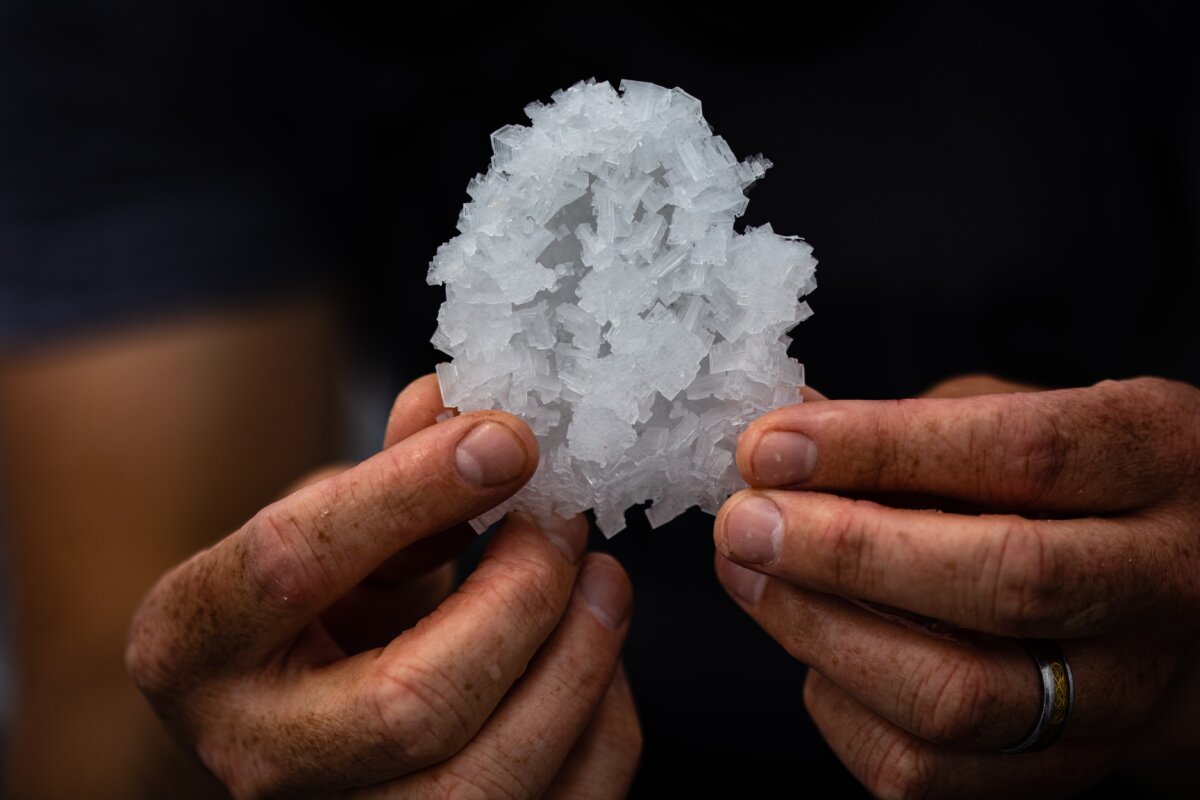
Brady Ryan’s business is like a 5th-grade science project—on steroids.
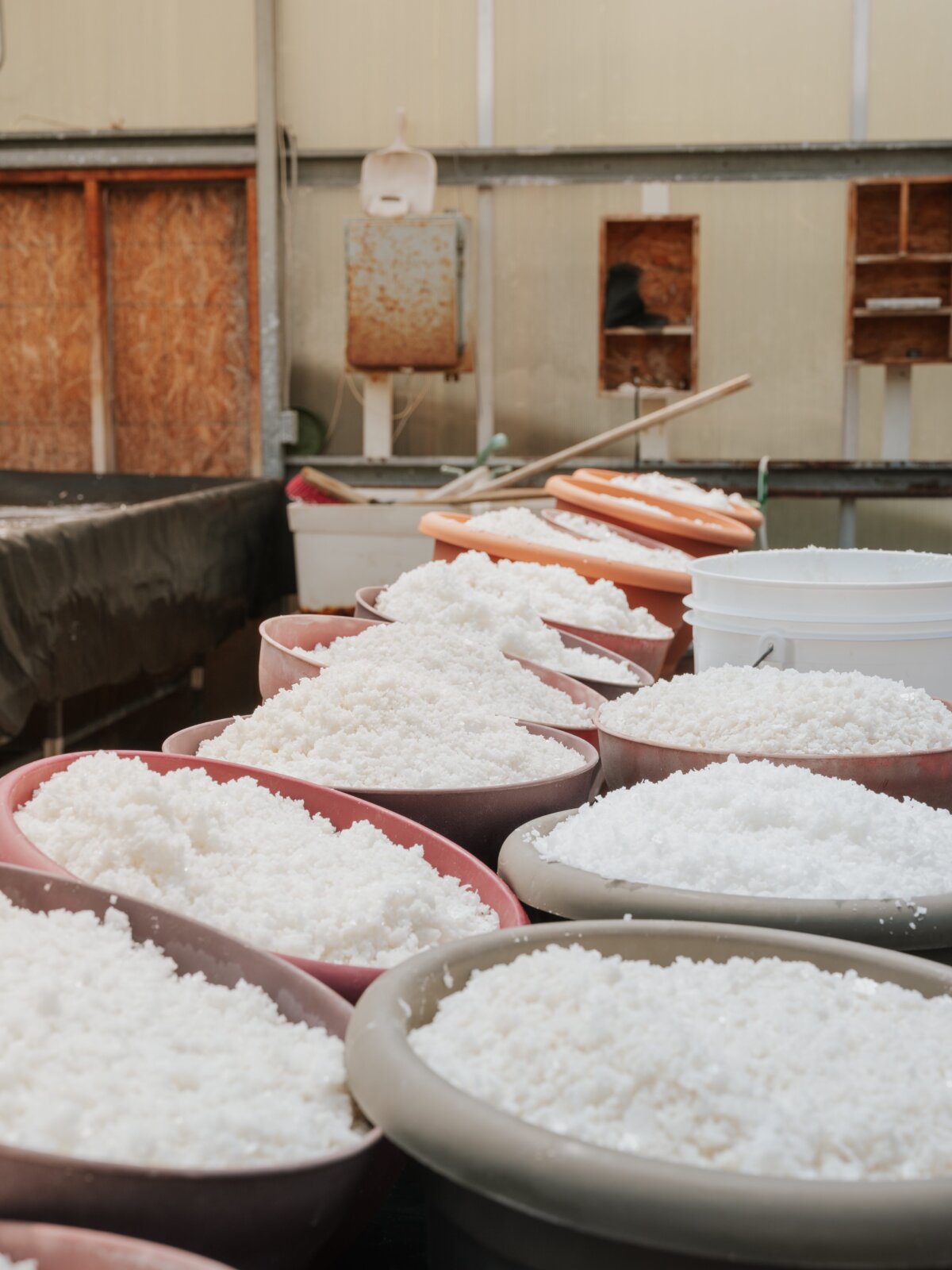
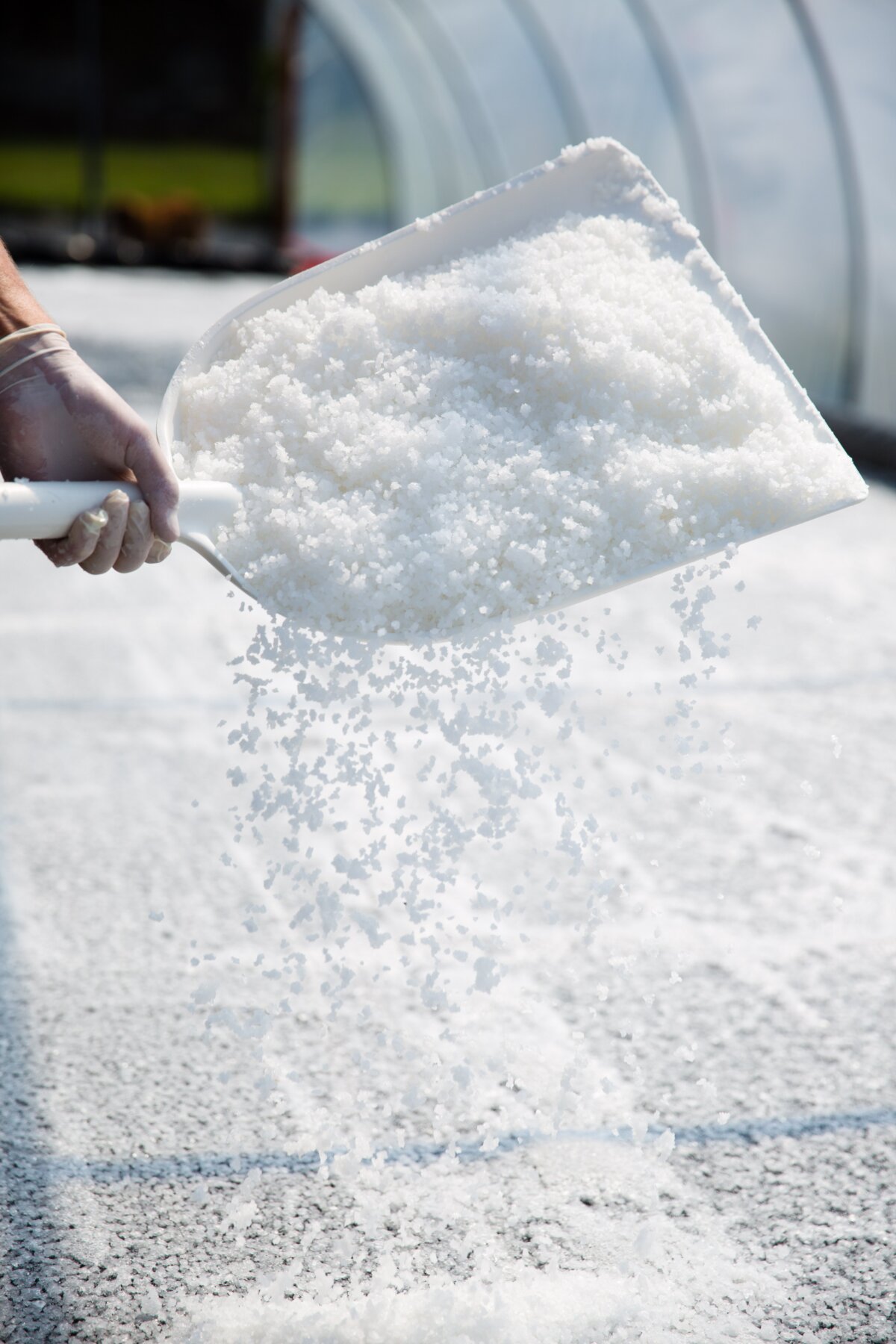
Instead of making rock candy crystals in a glass jar with sugar water, he’s growing salt crystals from seawater in 14 troughs about 6 inches deep. They are housed in large hoop greenhouses that rely on solar energy for evaporation. He’s using water from the Salish Sea, which surrounds San Juan Island just north of Seattle.
Each 90-foot trough holds 1,500 gallons of water and yields about 400 pounds of crystals, that is: salt.
Ryan’s San Juan Island Sea Salt is a thriving entrepreneurial business based on a whimsical idea he first tried out in his parents’ kitchen years ago while in college.
There, he heated saltwater in pans on the stove to make packets of sea salt for Christmas gifts. It worked, but—
“Kind of messy,” he recalled. “Not the most popular scheme I ever cooked up.”
While working at a vegetable farm a few years later, Ryan grew enamored with the idea of local, sustainable food production. Then, he heard of a visionary in Maine who had pioneered salt-making in northern latitudes by using greenhouses. Like the Pacific Northwest, Maine is beautiful but not known for hot sun; the greenhouse idea worked just fine.
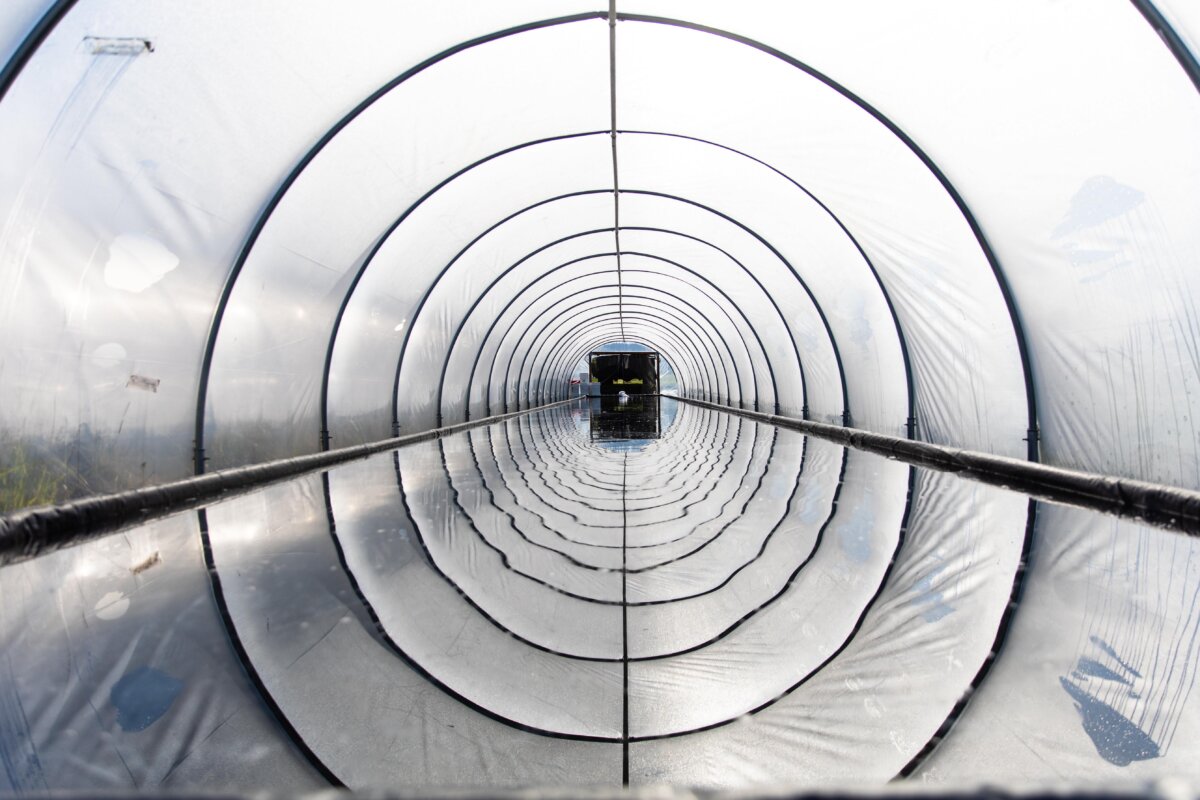
Ryan started his formal business in 2012 and found the southwest San Juan Island location ideal. His facility’s site is in the rain shadow of the Olympic Mountains and is one of the sunniest spots on the West Coast from May through September. That year, Ryan and his wife Leah Wymer sold $700 of sea salt on their first day at a farmers market.
Midsummer’s long days (13 hours of strong, direct sun) quicken the process. His “evaporation houses” create intense heat, as high as 130 degrees on a clear July day. While it takes just 3.5 weeks to produce a trough of salt in midsummer, the same amount of water could sit in a trough all winter, Ryan reports.
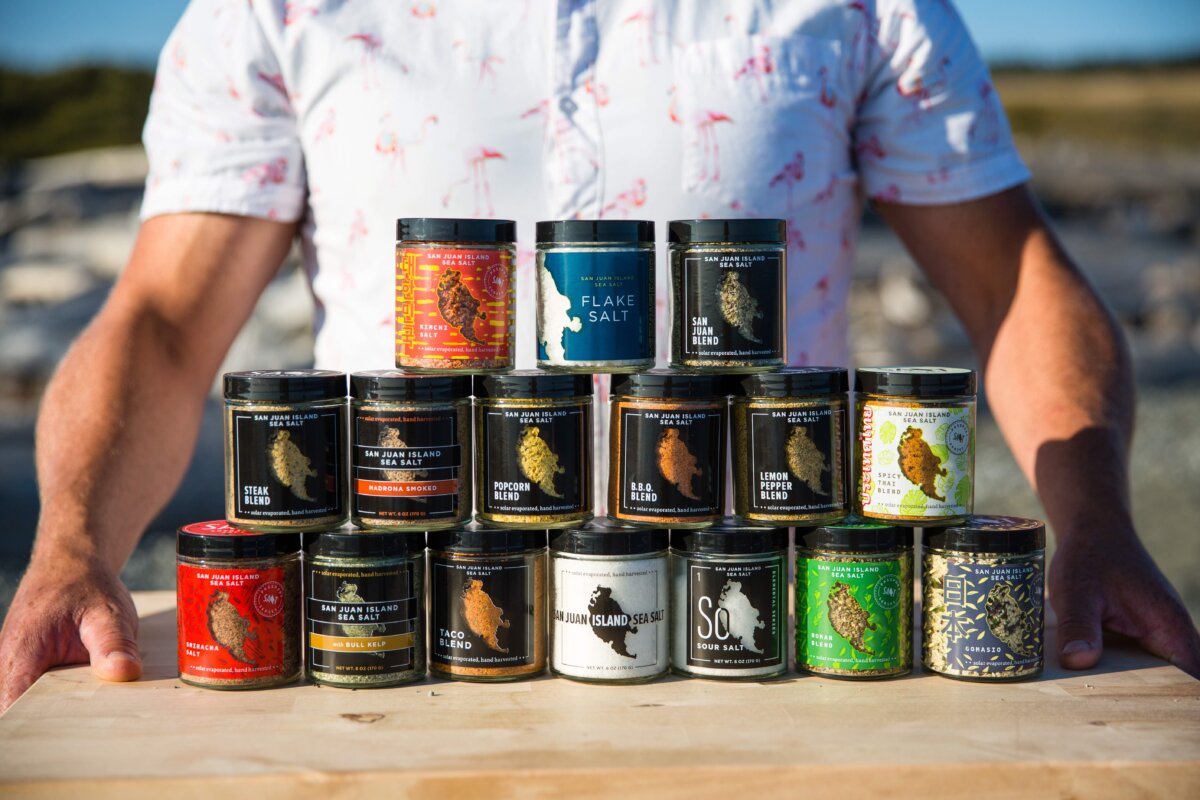
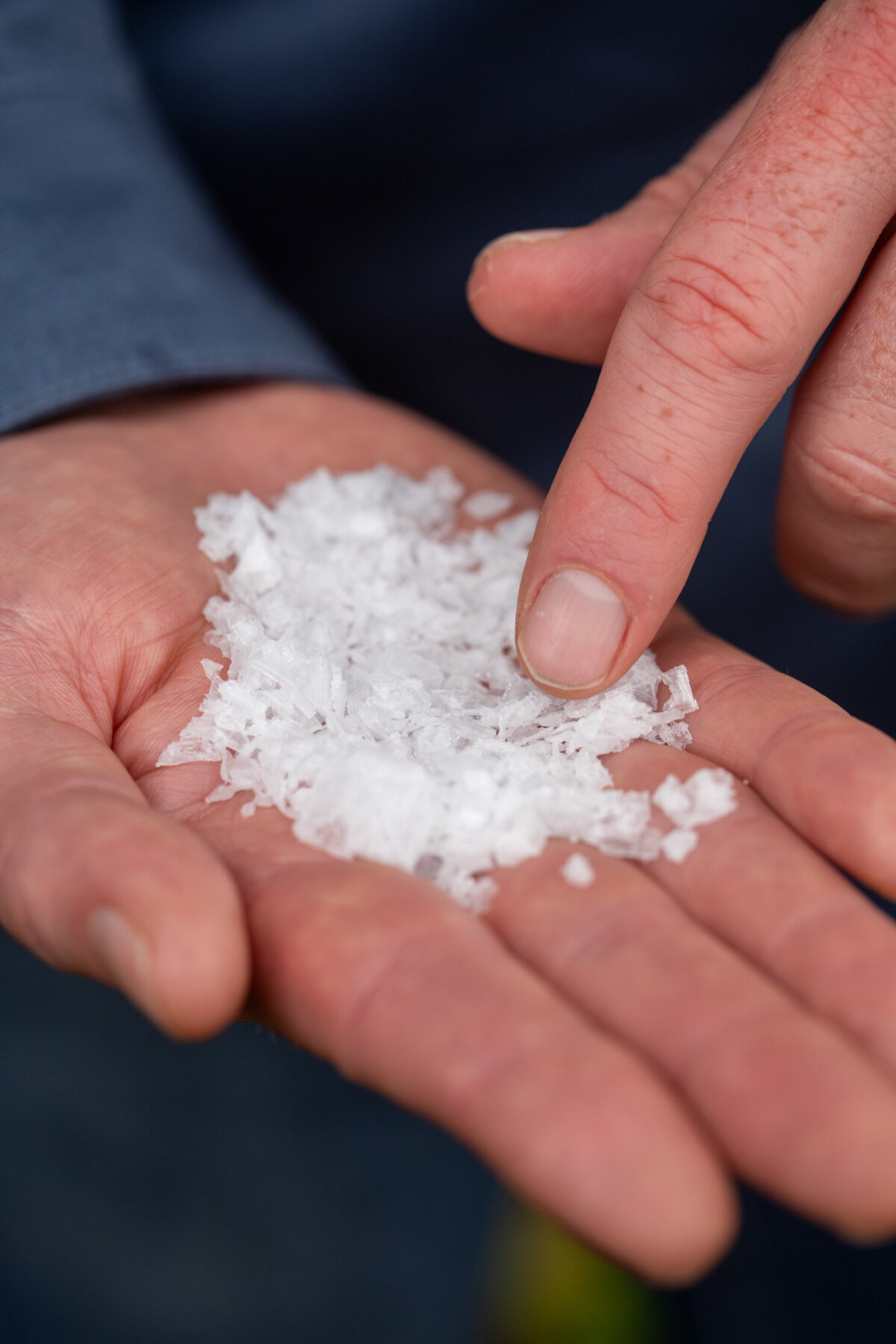
The overall result is 20,000 pounds of sea salt a year. He sells it as-is, as flake salt, or flavored with enhancements ranging from kelp to madrona smoke, 40 different products in all. A newly opened retail store in the island’s town, Friday Harbor, has proved quite successful. Here, visitors may find caramel cookies made by his wife and novelties like smoked sugar in addition to the salt products.
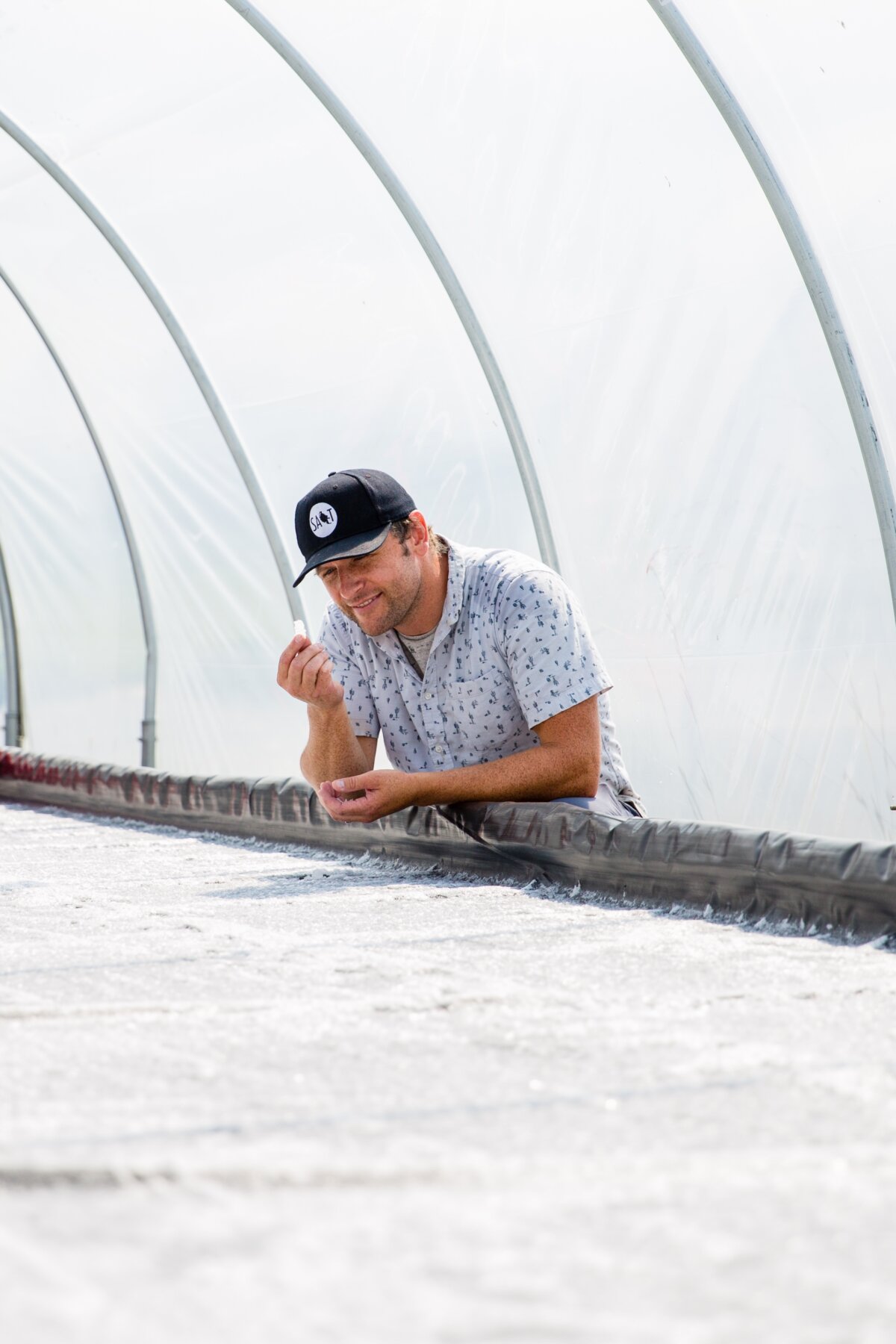
”When I started out, my initial feeling was, ‘Oh my, this is fun,’” Ryan recalled. “Now, I realize how much more we can grow the business. But make no mistake, harvesting salt is still magical.
“I can’t say I grew up dreaming about sea salt, but I definitely grew enamored with the idea of local production of something. So, we make salt in a cool way, in a cool place, and it tastes great.
“I love letting nature do its work. I’m like any farmer, it fills me with pride and joy that people love my crop,” Ryan reported.
An ebullient, plainspoken, hands-on business owner, for Ryan the ethos of salt-making is such an avocation that he and his wife are contemplating an agritourism sideline in which visitors can witness the operation firsthand. It all begins with the company’s 50-year-old flatbed Ford, “Fred,” which hauls seawater in a large tank from a nearby private beach to the production facility. There, the water is sluiced through a filter into the evaporation houses. “Sunshine and seawater. It’s a simple formula,” is the company’s slogan.
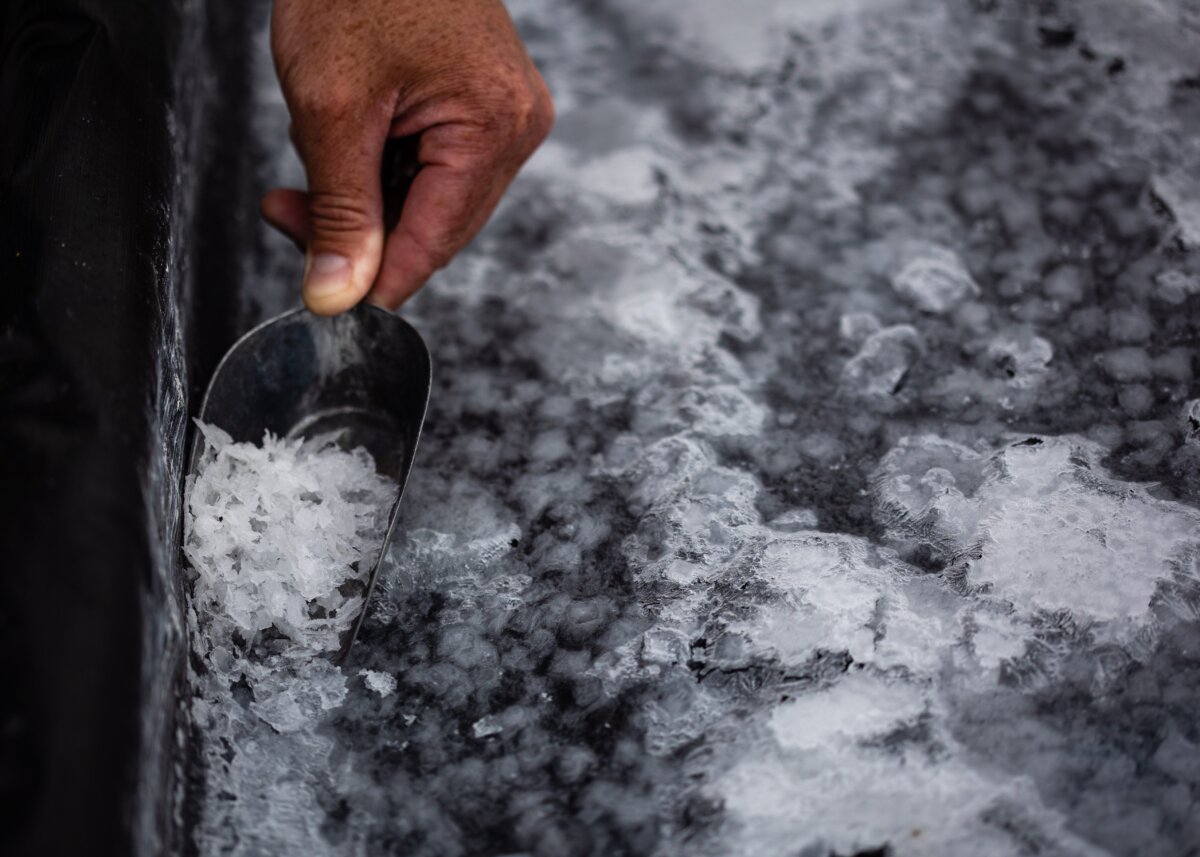
Ryan is among perhaps a dozen artisan salt-makers in the United States who have turned one of humankind’s oldest trades into a 21st-century niche business that now enjoys great visibility. Grocery store shelves that used to hold just two industrial brands of salt now stock three or four times that many, from across the globe as well as America. Branded sea salts are proudly tabbed in fine dining menus, and though dietitians say there is no proven significant health benefit, sea salt fans savor the condiment’s high mineral content.
No one has an exact count in the United States, but in the British Isles, the EcoSal trade group reports 21 artisan salt-makers. Dozens more around the world range from indigenous peoples in Mexico and Hawaii making salt exactly as it’s been done for countless generations, to 21st-century innovators utilizing sparkling new facilities.
They are practicing an ancient craft many thousands of years old; archaeologists have found evaporative salt flats in northern England dating back to 3800 B.C. The original impetus for salt making was apparently the shift to an agricultural lifestyle in which humans vastly boosted their food-calorie access but lost the salt content that hunter-gatherers gained from game and fish.
Ancient Chinese pharmacology texts from 4,700 years ago describe 40 different kinds of salt. The mineral was used in early Egyptian religious offerings, and it was a key commodity traded by the Phoenicians. Centuries later, Roman soldiers were sometimes paid in salt—the genesis of the word “salary.” In medieval Europe, Venice’s Mediterranean hegemony was greatly boosted by the trading city’s monopoly on salt supplies.Although Mesoamericans made salt in Central America centuries ago—and likely traded it with more northerly peoples—the art didn’t take hold in North America until after the American Revolution. Before then, settlers in the Colonies relied on British salt shipped across the Atlantic. When war came, salt disappeared; the first American salt-maker set up a facility along the Jersey shore in 1777.
As the now familiar big brands came to dominate store shelves, artisan salt-making largely disappeared until the late 20th-century revival of a focus on gourmet, handcrafted sustainable ingredients.
In the meantime, salt gained a bad reputation as a key element in the rise of cardiovascular disease, especially high blood pressure.
Though American artisan salt-makers shy away from health debates, the UK Salt Association argues that the dangers are exaggerated. “It has been painted as the villain in our store cupboard, responsible for everything from high blood pressure to osteoporosis. However, increasingly, experts worldwide are questioning the suggested links between salt and cardiovascular disease. There is also growing evidence that some groups—notably the elderly, pregnant women, and those who exercise—may be at risk from responding to blanket advice to reduce salt intake,” the trade group declares on its website.
Dietitians point out that Americans’ excess sodium levels are largely due to a modern diet highly reliant on takeaway fast foods and ultra-processed groceries. Virtually all packaged foods feature large portions of salt (and sugar).
“Seventy percent of the average American’s sodium intake comes from takeout and packaged foods—not from the salt shaker at the dinner table,” reported Chicago-based dietitian Cindy Chan Phillips. “As a result, the average American daily intake is 4,000 milligrams, almost twice the recommended 2,300 milligrams. Though some question the basis for that number, anyone who’s at risk for hypertension should actively manage their salt intake,” Phillips advised.
Roughly speaking, a teaspoon of industrial table salt equals the daily recommended amount; sea salt is somewhat less concentrated in sodium.
“That said, sodium is essential to survival. It’s a key electrolyte. It keeps our blood in balance. And I certainly understand the appeal of sea salt—it carries the mystique of the ocean, it enhances flavor, it seems more natural than industrial white table salt.
“My mother is 95, and she loves salt. So we dietitians say the answer is cook at home, pay attention to your preparations, use salt wisely and consciously,” Phillips said.
“Eating mindlessly is not good for us in many, many ways.”
Shall we take that advice with a grain of salt? Many grains, please. The artisan salt revolution makes it possible for Americans to choose those grains of salt wisely and well—and savor the result.
____________
From Sea to Salty Sea
Over the eight or more millennia of salt-making, humans have discovered numerous ways to harvest this vital substance. While virtually all salt on Earth was once sea water, oceanic salt is harvested in many different places, ranging from deep mines to salty bogs and seashore marshes to salt springs far inland.
Earth’s oceans average about 3 percent salinity, and unrefined sea salt is generally about 70 percent sodium chloride, with many other minerals that add flavor and trace nutritional elements. Industrial salt makers of what’s known as “table salt” generally produce nearly pure sodium chloride, with small amounts of anti-caking agents and iodine added. “Sea salt” is usually free of additives.
Sea salt is typically packed and sold as is, larger crystals not ground fine like table salt. Store shelves these days feature artisan salts from around the world—Ireland to the Himalayas—and American salt-makers represent a coast-to-coast array of styles and production techniques. All offer their products online as well as at their facilities.
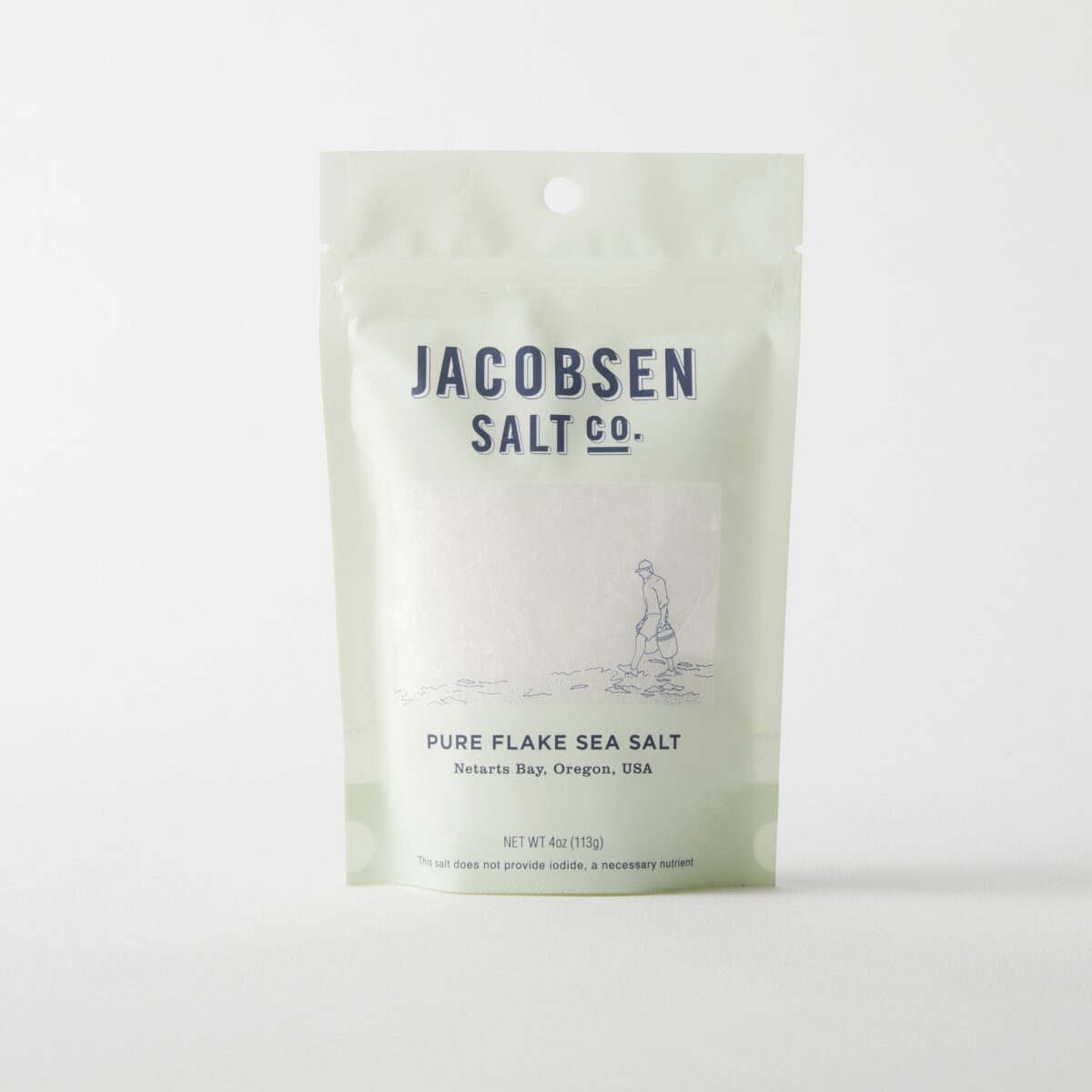
Jacobsen Salt Co.: Located on the Oregon coast near Tillamook, Jacobsen, founded in 2011, pumps water from a pristine bay famous for its oysters, which help filter the water naturally. At its saltworks, the water undergoes a multi-step filtration, evaporation, and drying process. The resulting sea salt is hand-harvested and sorted to produce a sparkling ivory salt known for its “bright” taste and satisfying crunch. These larger crystals are beloved by gourmet chefs for finishing meats, vegetables, and baked goods.
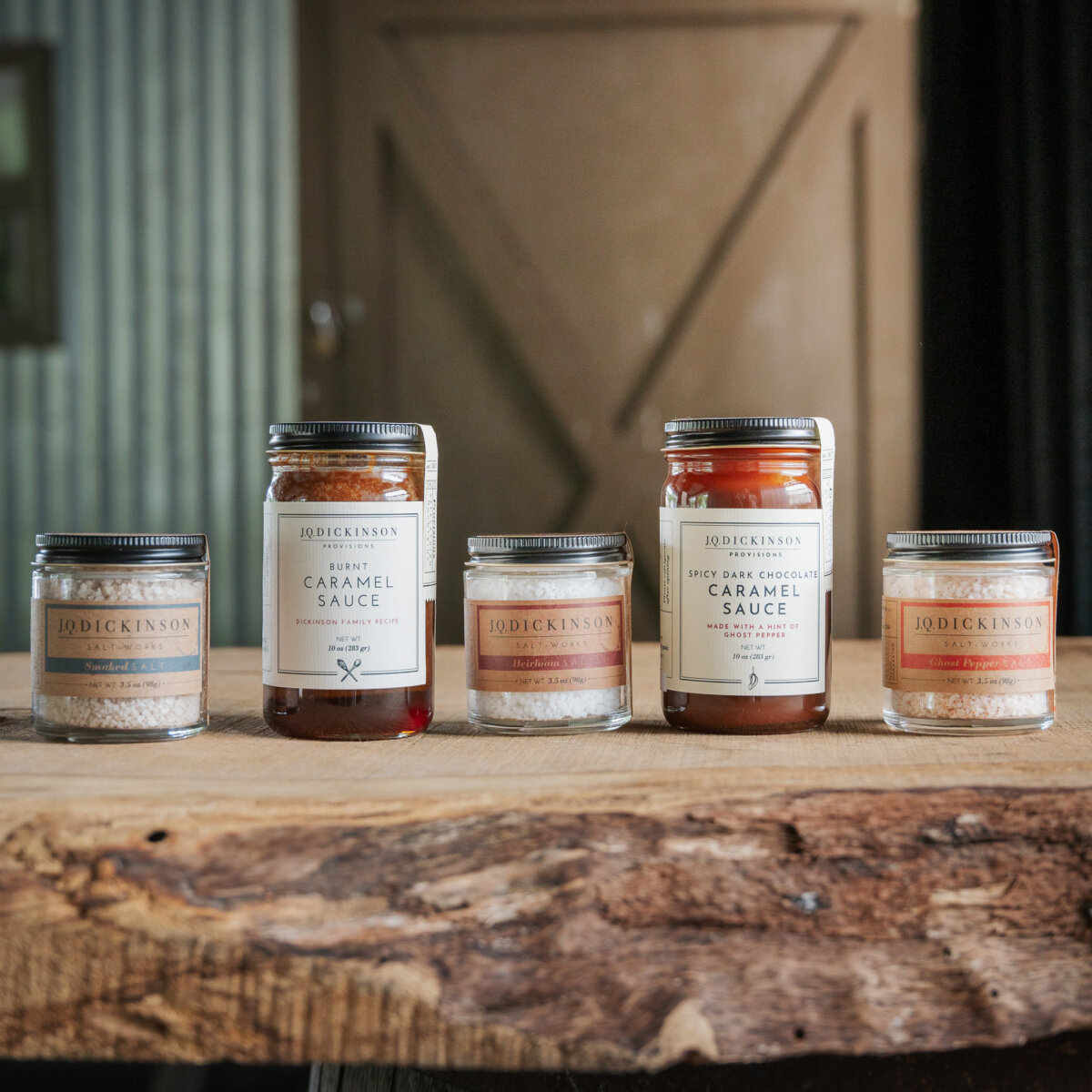
JQ Dickinson Saltworks: This West Virginia producer is a seventh-generation family company dating back 200 years that draws on ancient seawater buried beneath the Appalachian Mountains. Pumped to the surface, the water is reduced to brine, then heated in solar greenhouses and harvested by hand from the troughs using wooden rakes. Kanawha Valley salt won a prize for best in the world at a World’s Fair in London—in 1851.
Amagansett Sea Salt: Located far out on the tip of Long Island, this company utilizes Atlantic Ocean water for its solar salt-making. It’s evaporated in open-air salt pans called salterns—utilizing what is likely the oldest of all salt-making techniques. Founded in 2011 by two former attorneys, the company literally makes salt by hand, using buckets to gather seawater and relying only on the sun, wind, and sea air for evaporation. The resulting salt is slightly softer than most other salts.
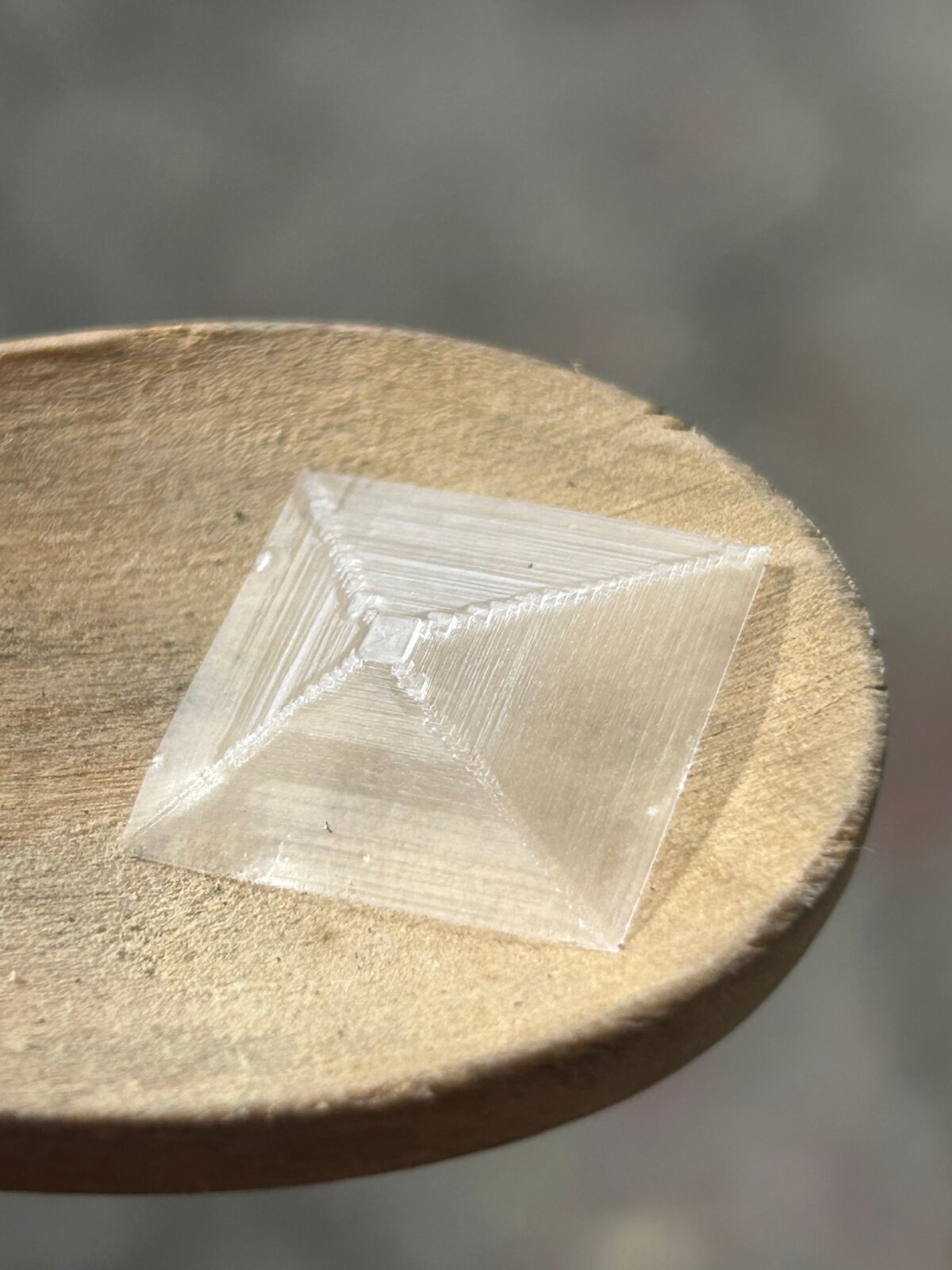
Two Daughters Sea Salt: This small Maine company harvests water in Penobscot Bay and first uses wood-fired boilers to reduce it to a thick brine—one of humanity’s oldest salt-making methods, used in Japan for centuries. After that, the brine is reduced to salt crystals using the power of sunshine. One of their products, nigari, is lower in sodium than most salts and may be helpful for people who need to reduce their sodium intake.
This article was originally published in American Essence magazine.
