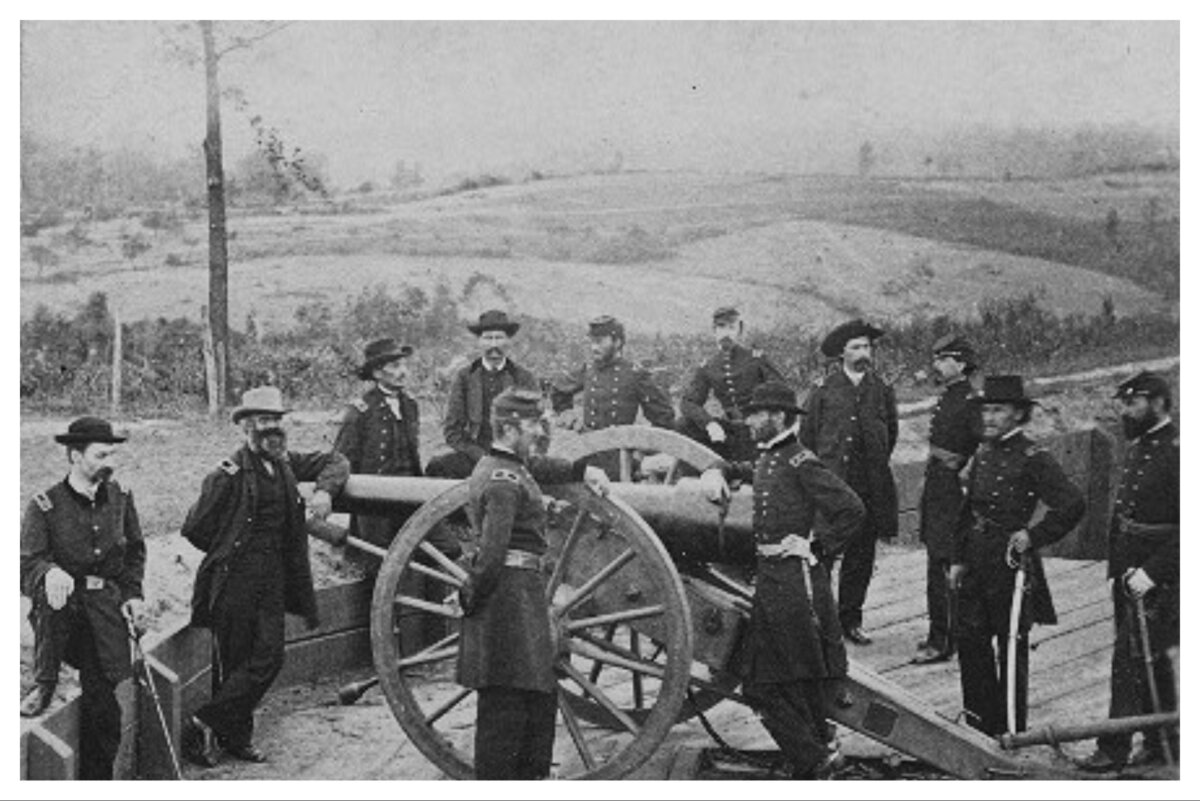
Nearly 100,000 Union soldiers marched across the Tennessee-Georgia border. Having been instrumental in the victory at the Battle of Chattanooga, which opened up the South to a Union invasion, Gen. William Tecumseh Sherman now had his sights on Atlanta.
In early May 1864, Sherman’s army reached Rocky Face Ridge in northwest Georgia. Sherman was calculating in his attacks and was by no means a slapdash commander, even when he possessed superior numbers. Unlike his superior officer, Ulysses S. Grant, the general-in-chief of the Armies of the United States, Sherman did not attempt to overrun defenses at the cost of high casualties.
“Its glory is all moonshine,” Sherman once said of such attacks. “[E]ven success the most brilliant is over dead and mangled bodies, with the anguish and lamentation of distant families.”
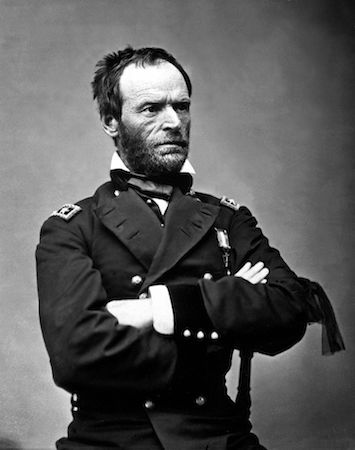
On the other hand, compared to his Confederate counterpart, Gen. Joseph E. Johnston, who waited atop the Rocky Face Ridge, he was not overly cautious.
Sherman studied the high, 10-mile long rock face and carefully considered his options. His Union Army heavily outnumbered the Confederates’ approximately 54,000 (that number would increase by 15,000 within the month). Sherman’s army was divided into three forces: the Army of the Cumberland (60,000), the Army of the Tennessee (25,000), and the Army of the Ohio (13,000). Despite the numerical superiority, the Confederates held the high ground. Ordering a Union charge against the defensive positions would have diminished its advantage. Sherman decided on a more strategic alternative.
Sherman ordered Maj. Gen. George H. Thomas of the Cumberland and Maj. Gen. John M. Schofield of the Ohio to demonstrate along the north and west portions of Rocky Face Ridge to keep the Confederates’ attention. Meanwhile, Maj. Gen. James B. McPherson’s Army of the Tennessee would move south and slip through Snake Creek Gap to reach the town of Resaca in order to destroy the enemy’s supply base.
The plan seemed to work without error in the early going. The Confederates focused their attention on the attacking armies of the Cumberland and Ohio, while McPherson moved toward Resaca. Expecting minimal resistance at Resaca, McPherson’s army neared the town. However, the resistance was apparently formidable enough to cause McPherson to grossly overestimate the Confederate numbers, and he called for a retreat. It was a grave mistake. Upon his return, Sherman told his protégé, “Well, Mac, you missed the opportunity of your life.”
The five-day Battle of Rocky Face Ridge did force the Confederates to give up some ground, but was far from realizing Sherman’s hopes. Patience, however, soon presented another opportunity.
Johnston’s Fabian Victories
On May 19, the typically cautious Johnston saw an opportunity to turn the tables and informed his army that they would soon attack. The attack was called off by the most unlikely officer.
Confederate Gen. John Bell Hood was known among his fellow officers and subordinates as an aggressive tactician. He had a poor reputation among his military contemporaries. Soldiers tended to believe he was too careless with their lives, and fellow officers often viewed his aggression as a lack of prudence. Even Robert E. Lee, commander of the Confederate armies, warned that Hood was “all lion” and “none of the fox.” That warning was issued to Confederate President Jefferson Davis, who liked Hood. Davis not only disapproved of Johnston’s Fabian strategies but disliked the man himself and was strongly considering replacing him with Hood.
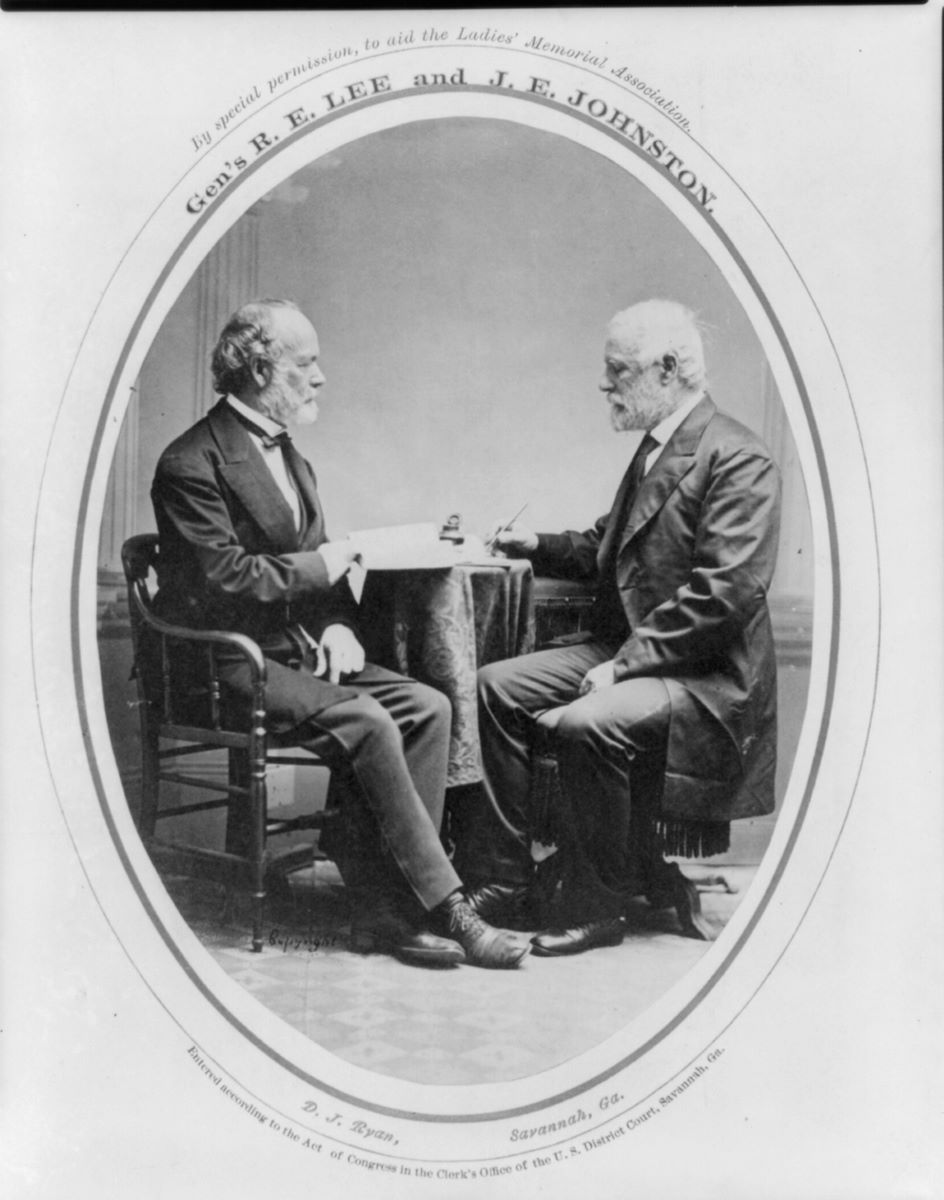
Considering the dichotomy of the two Confederate generals, they seemed to swap tactical perspectives where Johnston became opportunistic and Hood believed the attack was too risky. With the attack called off by Hood, the Confederates moved closer to Atlanta. Throughout May, there were small battles and skirmishes, including those in Adairsville and Cassville. Johnston moved his troops behind Etowah River and set up camp at Allatoona Pass—a strong defensive position. Sherman decided against a frontal attack and chose to pursue a route southwest of Johnston’s position.
Johnston received intelligence of Sherman’s movements and sent Confederate forces to meet the threat. Among the Confederate troops were Brig. Gen. Marcellus Stovall’s Georgia brigade who positioned themselves at the New Hope Church cemetery, using the tombstones for cover. The Battle of New Hope Church was a defensive victory for the Confederates, which cost about 400 casualties, about a quarter of the losses suffered by the Union. This was followed by the Battle of Pickett’s Mill a day later on May 27 when the Union tried to flank “the extreme right of the enemy’s position.” The Union casualties were about equal to those at New Hope Church.
Applying Pressure
Sherman continued to press the issue, trying to outmaneuver Johnston. The Confederates continued to stave off being overrun. The Union, however, was slowly making inroads, and Johnston soon noticed that the enemy was coming close to enveloping his army. Johnston made the decision to fall back further east and set up another defensive position at Kennesaw Mountain, about 25 miles outside of Atlanta. By June 19, Johnston’s army again held the high ground and was entrenched along the seven-mile stretch of the mountain.
Sherman believed Johnston had overstretched his lines and that the defensive position was full of paper tigers. His supposition was wrong.
On the morning of June 27, more than 50 Union cannons roared to life to start the first formal frontal attack of Sherman’s Atlanta campaign. The Confederates were not overstretched and were prepared for the attack. By noon—after only four hours of fighting—the Union troops quit the effort.
Sherman remained prudently aggressive. On July 2, he was able to make progress against the Confederates, forcing Johnston to withdraw further toward the capital city. Sherman kept the pressure on, conducting a feint against Johnston’s left flank, and causing him to retreat further. By July 9, the Confederate Army’s defensive position was a precarious four miles from Atlanta.
Gain and Loss
Word quickly spread throughout the city that Atlanta was doomed to be captured. Citizens fled in a panic, many leaving their crops unharvested.
Davis felt the panic from the Confederate capital in Richmond, Virginia. He wrote to Johnston asking his plans and hoping his general would take the fight to Sherman. When Johnston indicated that the city might soon be left to the protection of the militia, Davis could take no more. He fired Johnston and placed Hood at the helm of the Confederate Army of Tennessee.
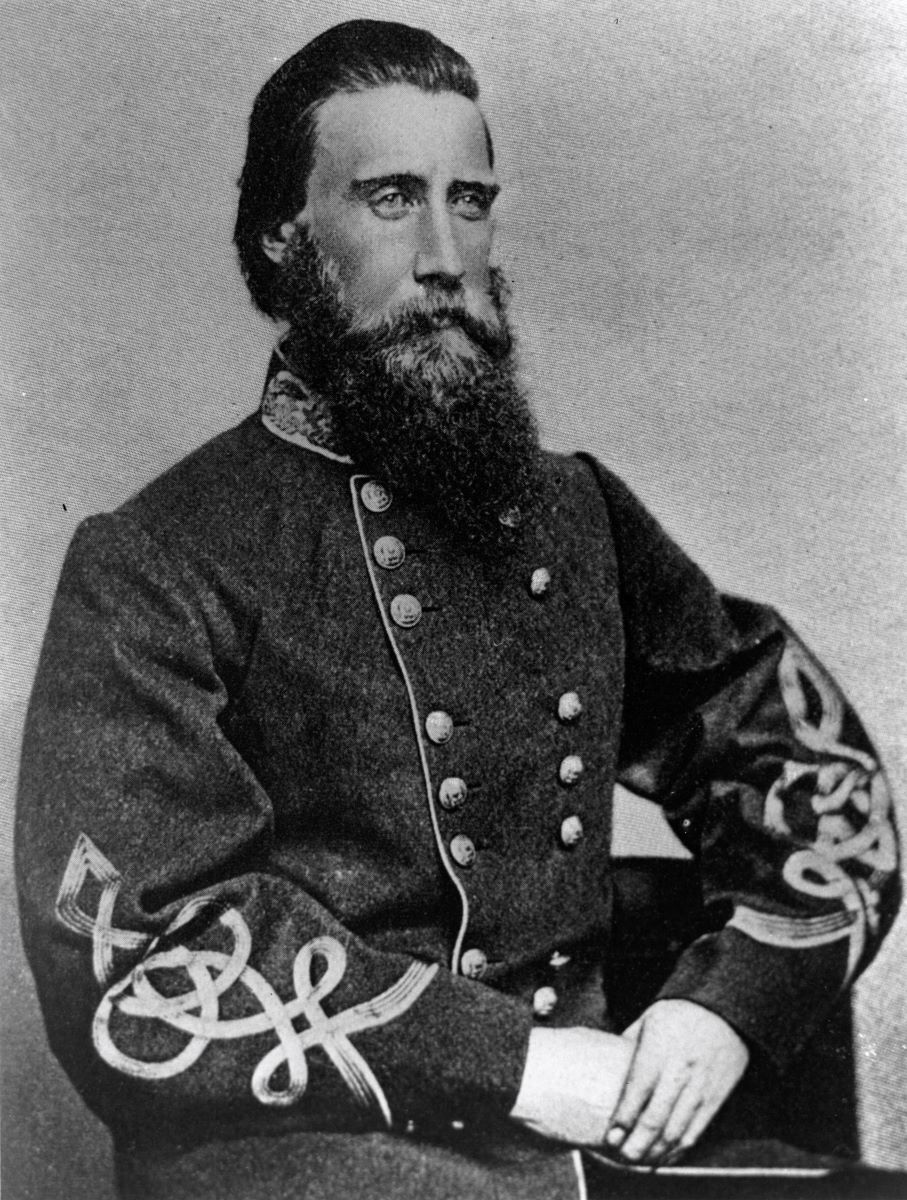
Sherman’s patience had paid off. With Hood leading the Confederate army, he would finally get the fight he had been hoping for. The Union general ordered his three armies to surround Atlanta, sending the Cumberland Army west of the city, and the Tennessee and Ohio armies to the east. Sherman’s primary objective was not to bombard the city but to cut the city off from its railroad transports. The last railroad that continued to supply the Confederate Army was the Macon & Western Railroad, located south of the city, which connected to the Atlanta & West Point Railroad.
On July 20, Hood pursued the Cumberland Army, hoping to catch the Union soldiers as they crossed Peach Tree Creek north of Atlanta. By the time the Confederates arrived, hours behind Hood’s schedule, the Cumberland soldiers had already crossed over. Hood attacked anyway, resulting in heavy Confederate losses.
The Confederates withdrew to their defenses in Atlanta. Hood then planned an attack against McPherson’s Army of the Tennessee, which took place on July 22. Known as the Battle of Atlanta, the fighting was heavy with Confederates exploiting gaps and Union officers working to fill them. Around 2 p.m., McPherson stumbled upon enemy soldiers. While attempting to escape capture, he was shot in the back. His body was brought to Sherman, who wept upon seeing him.
“The whole of the Confederacy cannot atone for the sacrifice of one such life,” Sherman said.
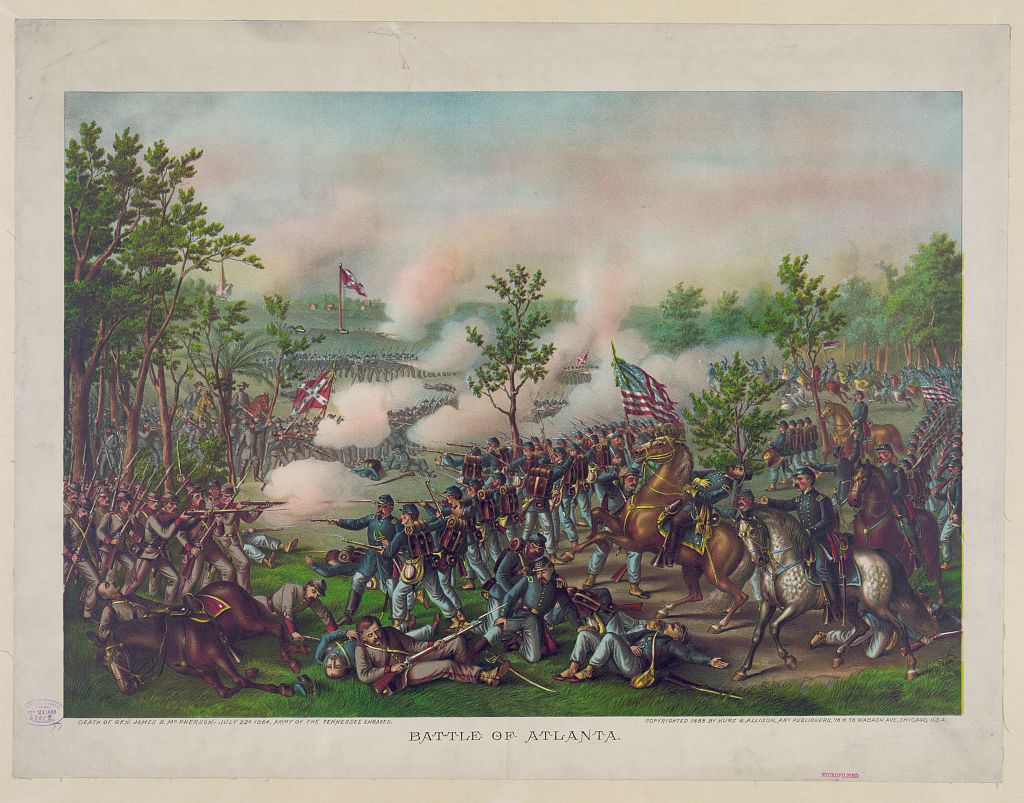
The Battle of Atlanta ebbed and flowed, but was ultimately a Union victory, resulting in approximately 3,600 Union and 8,500 Confederate casualties.
‘Atlanta Is Ours’
As July gave way to August, Sherman attempted to maneuver his troops further west in an attempt “to draw the enemy out of Atlanta by threatening the railroad.” These efforts resulted in the battles of Ezra Church (July 28) and Utoy Creek (Aug. 5–7). Over the course of eight days and three battles, Hood’s casualties reached approximately 15,000 to Sherman’s 6,000. The historian James M. McPherson, in his classic Civil War book “Battle Cry of Freedom,” noted that the Union inflicted “half as many casualties on Hood’s army in one afternoon as it had suffered in ten weeks under Johnston.”
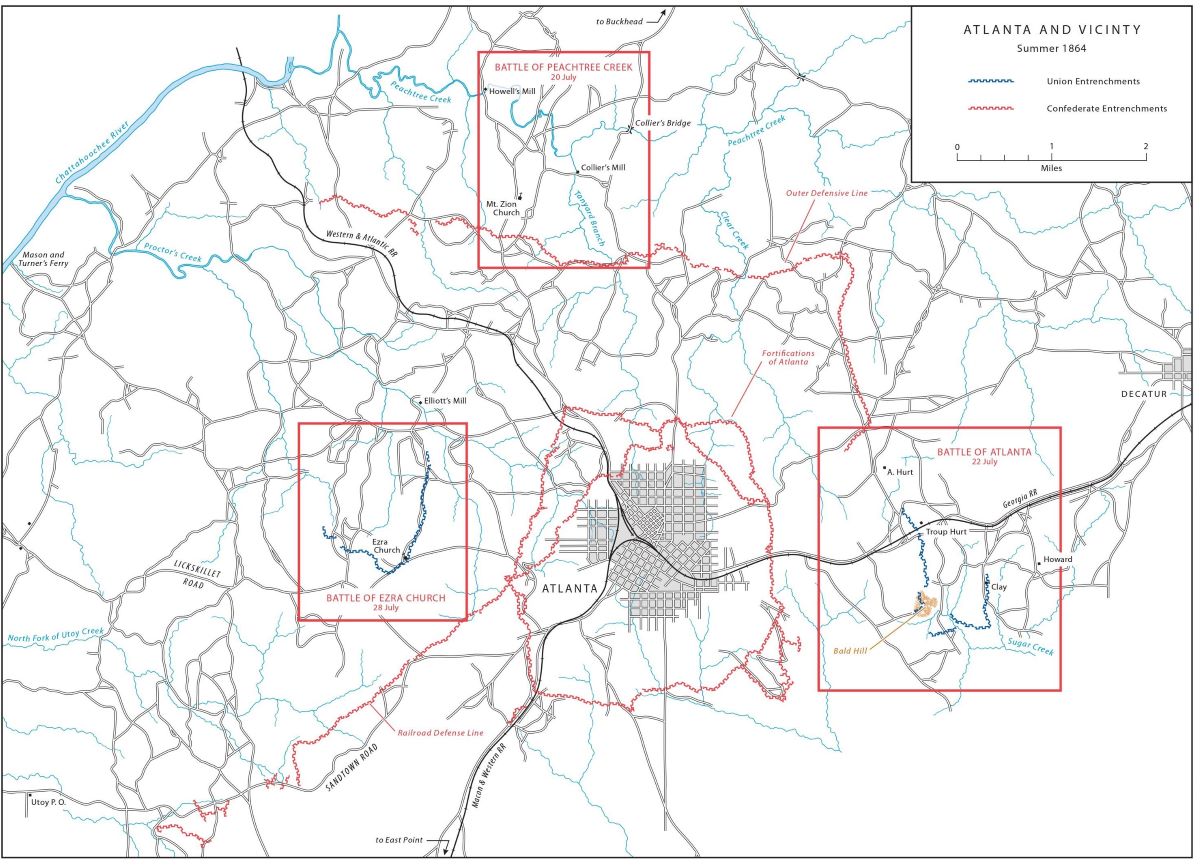
Regardless, Hood and the Confederates remained in Atlanta. Thus, Sherman decided upon the traditional route to capitulation: He besieged the city.
Throughout August, the Southern press tried to maintain Confederate morale regarding Atlanta, predicting that by the end of the month “the Yankee forces will disappear.” It was wishful thinking at best. Hood and his generals attempted to fend off Sherman’s armies, as well as attempted to cut off his supply line—all to no avail. It was evident, however, that the final Confederate lifeline—the Macon & Western Railroad—would need to be cut if Sherman was to break through.
On Aug. 25, Sherman sent most of his infantry toward Jonesborough, about 17 miles south of the city. Hood countered by sending Lt. Gen. William Hardee with two corps. Hood underestimated how many troops Sherman had sent to destroy the supply lines. When the two forces met on Aug. 31, Hardee’s troops proved no match for the Union infantrymen. Heavily outnumbered, they were quickly repulsed. Hood called back one of Hardee’s corps, anticipating a direct attack by Sherman on the city. Hardee, who had arrived in Jonesborough in an inferior position, was now even more vulnerable. The following day, Union troops broke through Hardee’s single corps.
Hood had hoped his aggressive tactics would push Sherman away from Atlanta, but they had only helped draw him into it. The South’s supply lines were finally cut, and Hood could now clearly see the writing on the wall. It was during this week in history, on Sept. 2, 1864, that Hood withdrew his troops and surrendered Atlanta, destroying supplies and ammunition as they withdrew. The following day Sherman informed Washington of the result: “So Atlanta is ours and fairly won.”
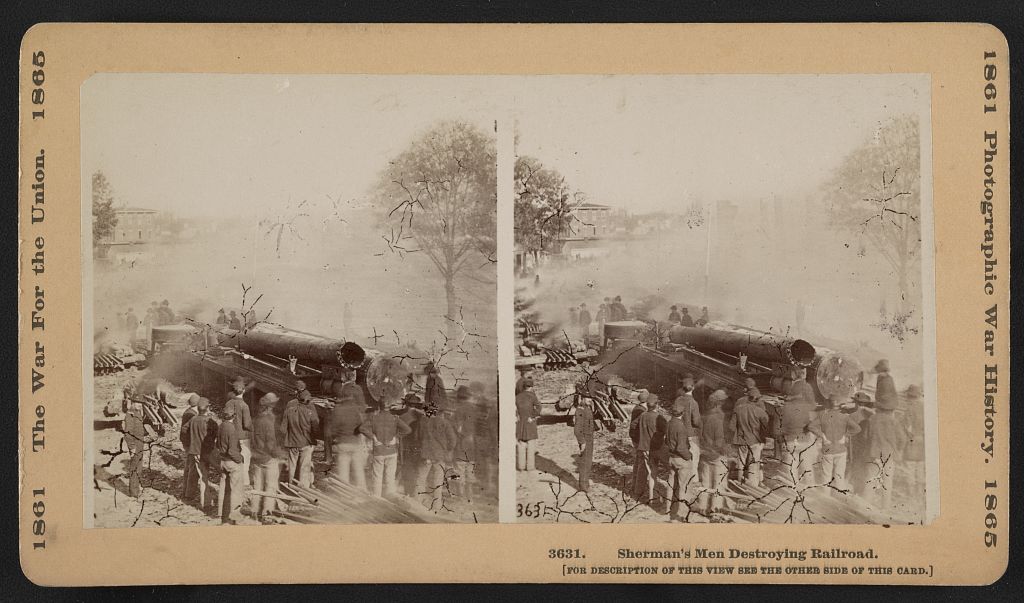
It was a momentous military accomplishment for the Union. Sherman, however, now eyed Georgia’s oldest city—the coastal city of Savannah—and, on Nov. 15, he began his historic March to the Sea.
Never miss a This Week in History story! Sign up for the American History newsletter here.
What arts and culture topics would you like us to cover? Please email ideas or feedback to features@epochtimes.nyc.