



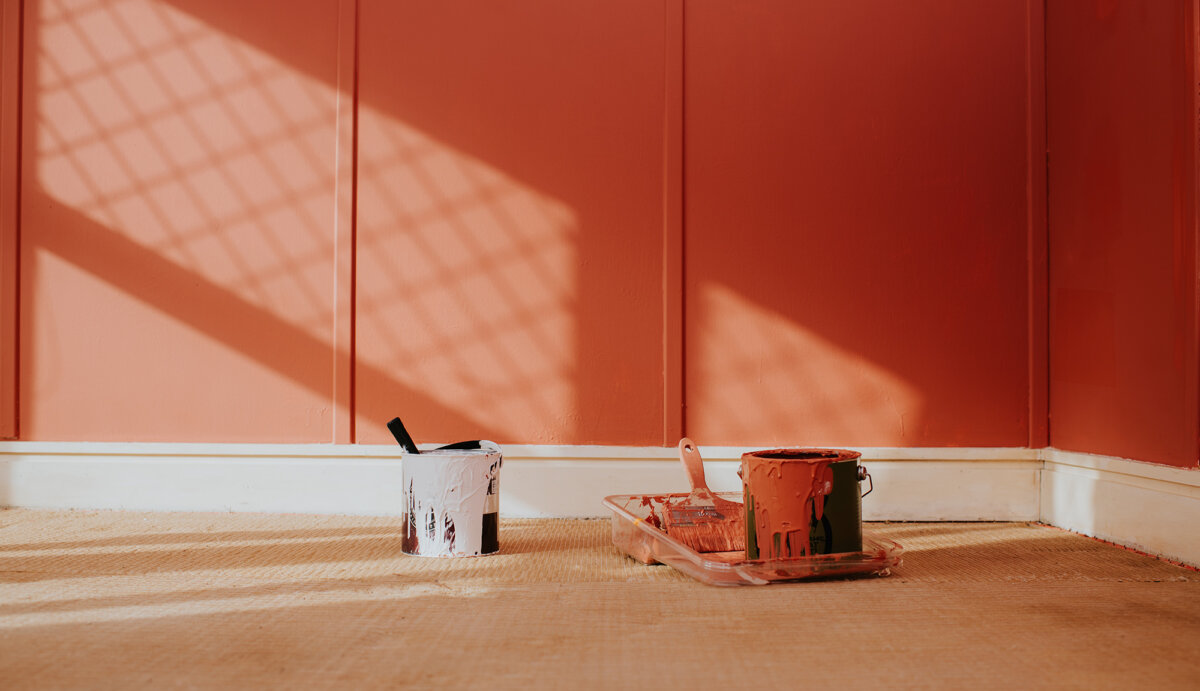
Painting is a chance to make a home look new again. Exterior paint improves curb appeal and home value. It’s also a chance to fix minor problems and cosmetic defects and seal up the house to help protect it from the elements.
Interior paint is easier to clean and maintain than exterior finishes. If you cook a lot or have kids, opt for a washable paint for high-use areas such as kitchens, bathrooms, halls, and children’s rooms.
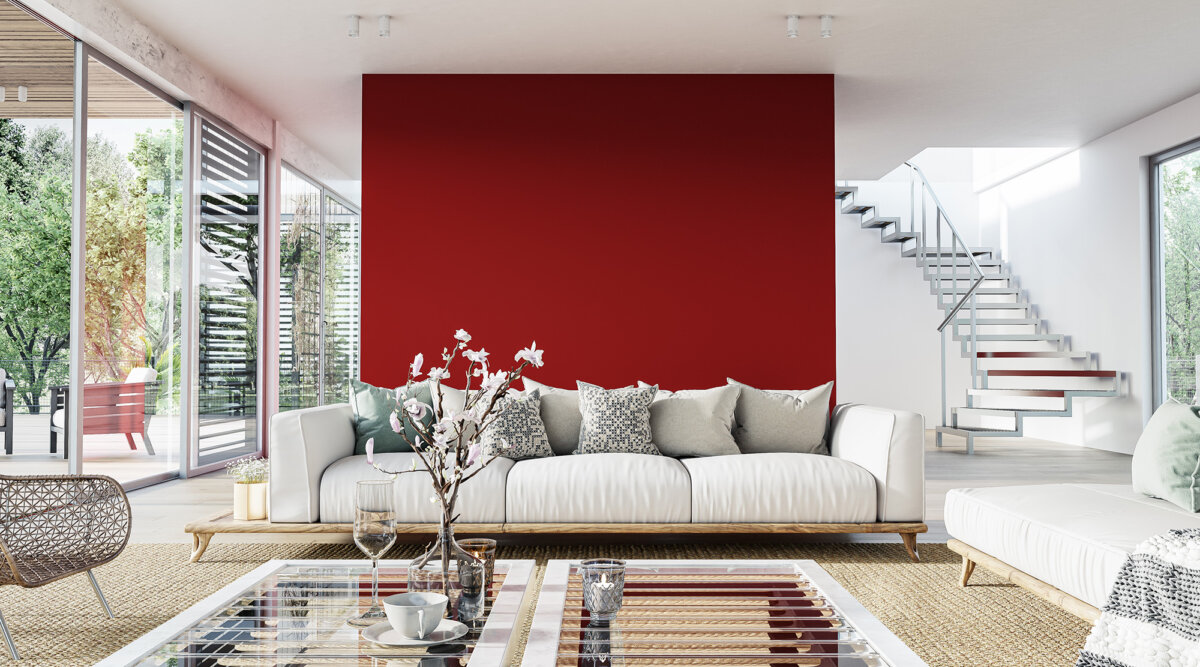
New paint is also an opportunity for a color change. Going darker can make a room cozier, while a light color or white will reflect natural light better to make a space seem larger and more airy. Or, perhaps, paint a single accent wall a different color for dramatic impact. Outside, color selection is just as important.
Energy Efficiency
Neutrals are a safe option. Exterior whites, creams, beiges, and light grays are recommended when selling a home because they are bright and welcoming, and by reflecting light, they can make a home seem larger. Light reflection also means lower air conditioning bills in summer—a big plus in warm climates. They also outlast trends. On the downside, they show dust, dirt, pollution, and mildew and may make a house harder to heat during a cold winter.
Darker colors such as navy, forest green, deep brown, charcoal, and black are sophisticated and often trending. They can hide flaws such as uneven surfaces, previous stains, and new dirt and offer a crisp look when paired with lighter trims. They help keep a home warmer in winter. On the downside, they can make a home seem smaller, increase cooling costs, and be more prone to fading.
Oil and Water
Latex (water-based) paints are popular for a reason. Simply put, they are easy to work with, boasting low odor, fast one- to two-hour dry/recoat times, and easy soap and water cleanup. They are less likely to yellow and hold their color longer. They are great for interior walls and ceilings—and exterior DIY jobs as well.
Oil-based paints are extremely durable, resisting scratches, stains, and scuffs. They also tend to go farther with fewer coats and adhere to most surfaces. They are the go-to paint for backyard metal furniture and sheds and also work well on exterior doors, windows, and trim. If it’s already painted in oil, it may be best to stick with oil. Just keep in mind that it will take six to 24 hours to dry (and potentially longer to fully cure), require paint thinner for cleanup, can yellow, and is not as color-retaining as a latex gloss.
In the middle is acrylic paint, which is a type of latex paint with added acrylic resins. It dries to a water-resistant finish and is dry to the touch in 30 minutes, but takes longer to fully cure. This versatility makes it a top choice for both interior and exterior walls and trim. It’s highly resistant to weathering, including ultraviolet damage, and adheres well to various surfaces while offering easy soap and water cleanup.
A Primer on Primer
Have you heard the phrase “oil and water don’t mix”? That’s where primers and sealers come in. They allow a seamless transition from oil-based to water-based paint, gloss finish to flat (even if they were both latex), and extreme color changes. It should also be used on thirsty surfaces, such as new drywall, to keep it from absorbing excess paint. Choose a stain-blocking primer to prevent the bleed-through of old water spots on ceilings, ink marks on kids’ room walls, tannins in wood, and drywall repairs.
All-in-one paints and primers are designed to eliminate the extra step needed on walls in good condition (i.e., no major paint type, finish, or color change, or serious stains), including new drywall or drywall repairs.

Finishing Touch
Flat finishes are non-reflective, making them both elegant and great at hiding wall imperfections. A top choice for adult bedrooms, living rooms, and textured walls and ceilings, they are best in areas not subject to scuffs and stains. Matte finishes offer similar properties while being more washable, making them suitable for dining rooms, exterior walls, and siding.
Family rooms, kids’ rooms, halls, and woodwork will do best with a satin/eggshell finish that is both washable and resistant to scuffs and stains. The low-luster sheen is a sophisticated yet durable choice for exterior surfaces, including trim.
Semigloss has long been the choice for doors and trim. The same easy-to-clean, gentle shine works well in kitchens, bathrooms, and laundry/utility rooms and is a more resilient exterior trim choice.
At the shiniest and most resilient end of the spectrum, gloss (high-gloss) works well for front doors, exterior trim, cabinets, and furniture.
Smart Shopper
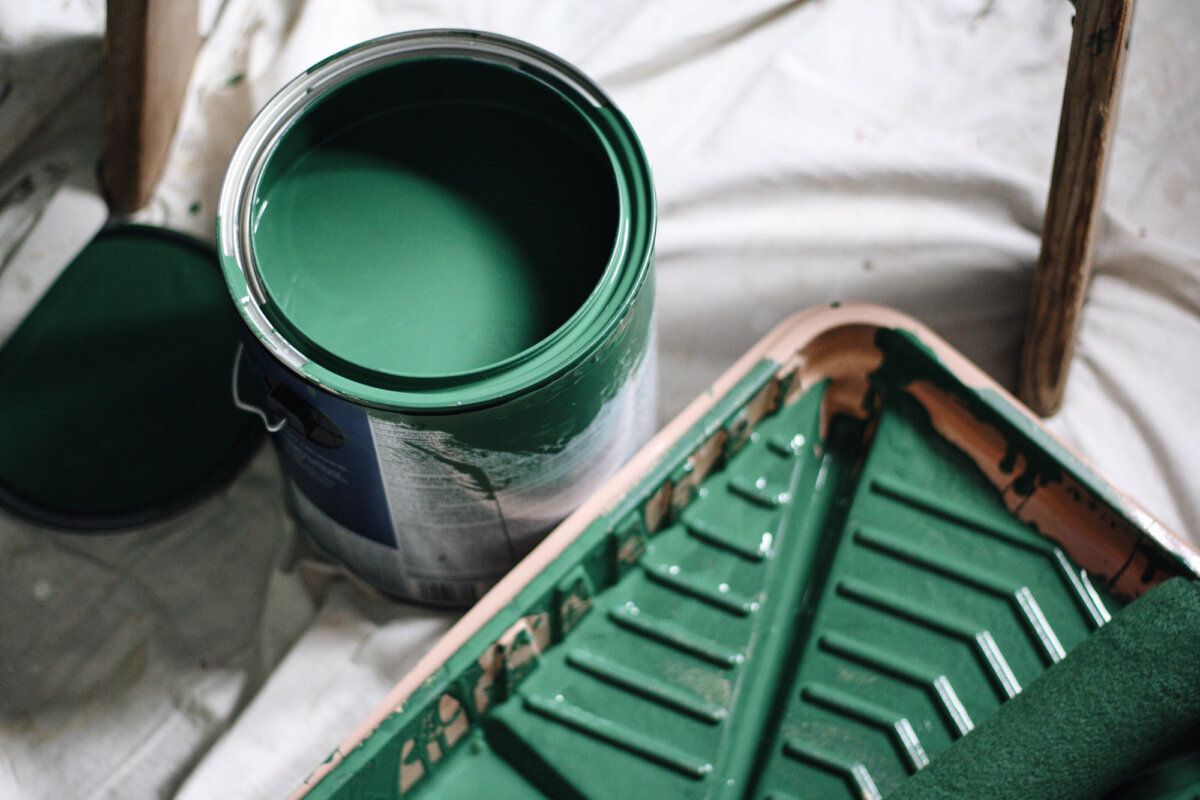
Don’t cut corners on paint quality. Check the coverage per can to save time and make sure that you don’t buy more than you need.
For interiors, a washable paint is easiest to keep looking fresh. Exterior paints should offer ultraviolet protection and moisture resistance (weather resistance), robust color retention (fade resistance), a flexible finish that can withstand temperature changes, and a long lifespan to extend the time between repaintings. Mildew resistance is important in humid or rainy climates.

________________________
The Tools
Paintbrush or roller? Most jobs need both. Use brushes for trim, woodwork, and cutting in corners, and rollers for walls and ceilings.
Brush Selection
Natural bristle brushes have good paint-holding capacity and give a smooth coat due to their split ends. However, they don’t do well with water-based paints. Modern synthetic bristles are designed to mimic natural characteristics and work with all paints.
Keep on Rollin’
Natural rollers are preferred for oils and synthetics for water-based paints. Smooth surfaces and detailed work (doors, windowsills) need a short 1/4-inch nap and a 2 1/2- to 3-inch-wide mini roller. Walls get a medium standard-width roller with a nap of three-eighths of an inch, increasing to a 3/4- to 1 1/2-inch nap for rough to extremely rough surfaces (stucco, masonry, decks).
Power Painting
Power rollers work like a regular roller without having to dip into the paint tray. Paint sprayers excel at uneven surfaces (siding, fences). Practice spraying on a scrap piece of drywall or cardboard. Before painting, meticulously cover surrounding floors, ceiling edges, nearby plants (if outdoors), and anything else in danger of being accidentally painted.
