Some composers are instantly recognizable by name. Others have penned compositions that we frequently hear on the radio. One composer isn’t familiar to most Americans, either by name or through his music.
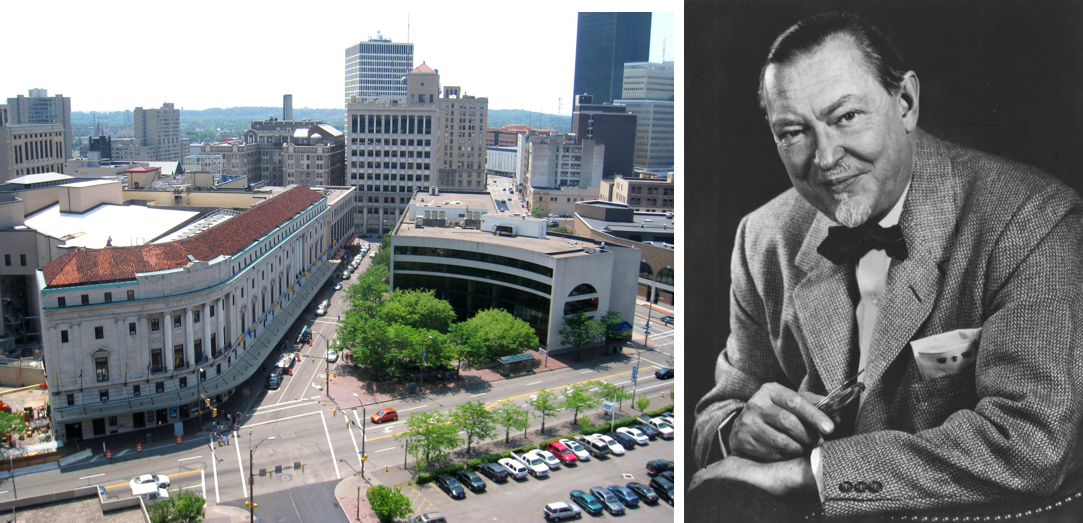
Nevertheless, Howard Hanson (1896–1981) greatly influenced the development of composing, teaching, and performing classical music in the United States.
He taught at the Eastman School of Music, one of America’s foremost music schools, for 40 years. Through his teaching, compositions, writings on music theory, and his inspiration of young musicians, this composer shaped classical music in the 20th century.
He promoted traditional music as an “American Neoromantic composer par excellence” in Walter Simmons book, “Voices in the Wilderness: Six American Neo-Romantic Composers.”
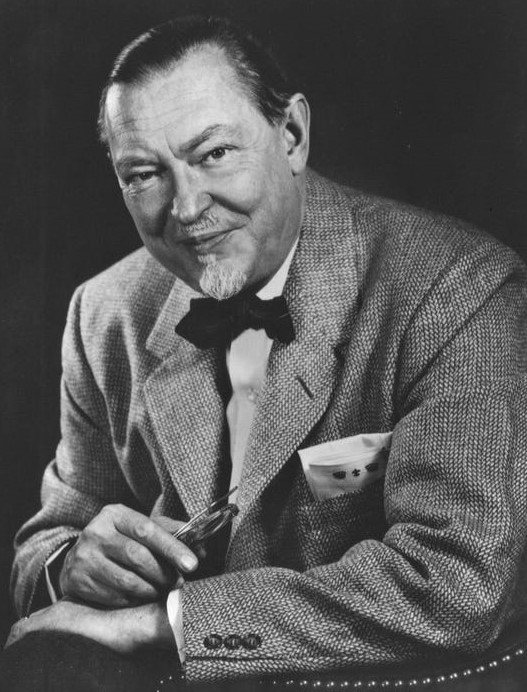
Eastman School of Music
Born in Nebraska in 1896 to Swedish immigrant parents, Hanson spent the better part of his life dedicated to higher musical education. His mother instructed him in music from infancy.
He received his formal education at Luther College in his hometown of Wahoo, the Institute of Musical Art in New York (the forerunner to The Juilliard School), and Northwestern University in Illinois.
This rich education is even more impressive because Hanson received his degree from Luther College at age 14 and was appointed head of the department of theory and composition at the College of the Pacific in San Jose, California, before turning 20. In 1919, he became dean of the college’s Conservatory of Fine Arts.
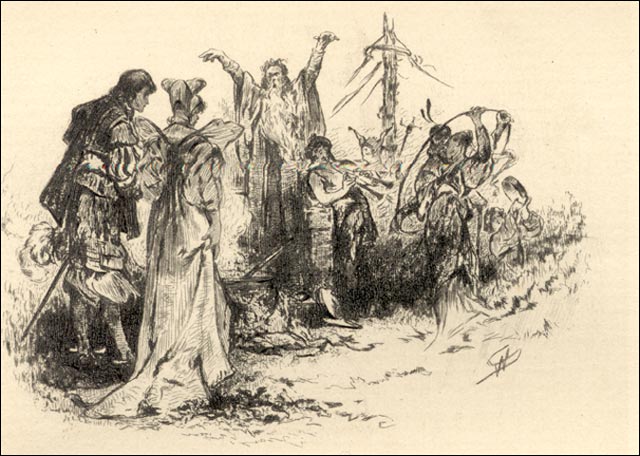
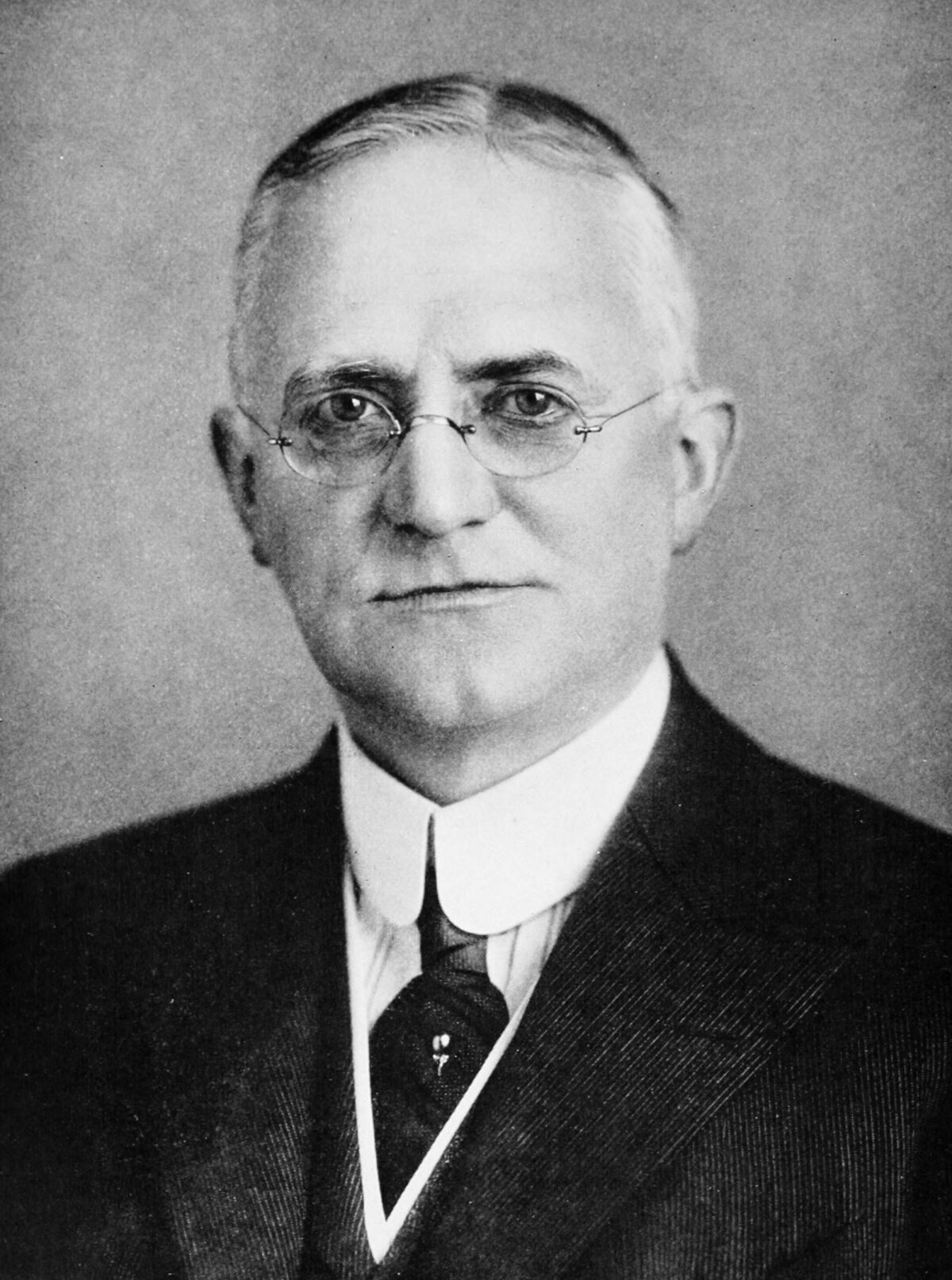
Hanson came to the attention of George Eastman and University of Rochester president Benjamin Rush Rhees when he conducted his Symphony No. 1, “Nordic,” in a performance by the Rochester Philharmonic Orchestra.
In 1924, the newly formed Eastman School of Music appointed Hanson its director. Eastman funded the school, the University of Rochester’s first professional school.
Eastman was a photography pioneer who founded Eastman Kodak Company. Although he had little personal understanding of music, he believed passionately in the importance of music education in America.
Hanson was a director of the school from 1924 to 1964. He turned the fledgling program into one of the finest music institutions in the nation. He improved the curriculum, brought in excellent faculty, and started many important new programs, which eventually developed into the Festival of American Music.
Robert Sproull, who was president and CEO of the University of Rochester at the time of Hanson’s death, paid tribute to the composer’s impact on the school:
“The Eastman School is his creation. Through it and its graduates, he established musical education in America at a significantly higher level—and on a much larger scale—than anyone else had ever dreamed. He is known throughout the world as a composer, conductor and educator.” Although still respected by music scholars, his average Americans no longer remember him.
Champion of American Music
While at Eastman, Hanson composed extensively and mentored many students who went on to become influential musicians themselves. However, his most lasting contribution was his advocacy and performance of thousands of new works by young American composers.
Upon becoming director of Eastman, he immediately embarked on his passion project, to provide a platform for young composers to have their works performed professionally and skillfully.
That project came to fruition in 1925 as the American Composers’ Concerts, free concerts presented by Eastman. The first concert on May 1, 1925, featured works by promising young American composers, all of whom went on to have meaningful careers in music. Among them was a then unknown Aaron Copland.
In his unpublished autobiography, Hanson explained his desire “to attempt to set up at the Eastman School a ‘laboratory’ for young composers, whereas gifted young men might come and hear their works performed by a competent professional orchestra and under circumstances where compositions could be played without consideration of the box office.”
After a few successful years of the American Composers’ Concerts, Hanson spearheaded a four-day music festival to be to be held each spring at Eastman. The Festival of American Music was an annual tradition at Eastman until 1971.
In 1935 and 1936, he instituted two additional orchestra-centered programs, the Annual Symposium of American Orchestral Music and the Symposium of Student Works for Orchestra.
The Rochester Philharmonic accompanied these concerts until Hanson founded the Eastman-Rochester Orchestra in 1939. The orchestra brought together the best players from the Rochester Philharmonic, Eastman’s faculty, and the music school’s advanced students.
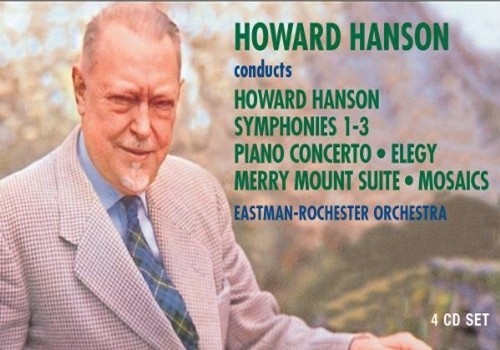
Besides live performances, the Eastman-Rochester Orchestra also made over 100 records for three prominent labels under Hanson’s baton. The recordings included his own works and other American compositions.
Between 1925 and 1971, the American Composers’ Concerts presented over 2,000 works by more than 900 composers. Besides new works, Hanson also explored and performed the compositions of earlier American composers.
On the radio, he presented an accurate picture of the history of music in the United States. It wasn’t an overstatement when his New York Times’s obituary asserted that “nearly every American composer after World War I was in his debt to some degree.”
A Composer and More
Hanson was a veritable giant in the field of American music. He received a remarkable 36 honorary doctorates during his lifetime. He was a respected member of many pedagogical and academic organizations. In 1960, he also wrote and published one music textbook.
Beyond all these accomplishments, however, Hanson was a great composer in the neo-romantic style. While other American composers turned to dissonance and atonality, Hanson wrote sweeping melodies in the traditional style of his Scandinavian ancestry.
He penned seven symphonies, numerous band works, chamber music, several other orchestra pieces, and what some consider the first fully American opera.
For his personal compositions and his inspiration of others, Hanson deserves credit as an American musical legend.
What arts and culture topics would you like us to cover? Please email ideas or feedback to features@epochtimes.nyc.