




Just this past September, the Philippines and the United States celebrated the 80th anniversary of Victory over Japan (V-J) Day, the day of Japan’s official surrender, in the northern part of the archipelago. V-J Day officially ended World War II.
Italy also celebrated the anniversary of the end of its Nazi occupation in April this year. The Liberation Day celebrations included parades and free entrances to museums and parks.
These two countries are featured in a new work of historical fiction by Angela Shupe. Her debut novel, “In the Light of the Sun,” follows a family torn apart by the war, mirroring her own mother’s and aunt’s ordeals during that time. For this project, she interviewed relatives and people who knew her family during the war. She also immersed herself in extensive research, specifically on the plight of the Filipinas held hostage by the Japanese. Though some parts are fictionalized, this is essentially Shupe’s family story.
Two Sisters, Two Countries
The Grassi family has made a comfortable home in Floridablanca, a town north of Manila, where the family of five children have thrived in their tropical sanctuary, with the imposing Mount Arayat in the background. Though their Filipina mother died after giving birth to the youngest child, Enzo, there is never a shortage of love and familial support. In fact, their Italian paternal grandmother (Nonna) often visits and is quite close to her grandchildren.
It is 1941. Nineteen-year-old aspiring opera singer Rosa Grassi is in Florence, Italy, for voice training at a conservatory. Rosa is staying with Nonna, who was a prima donna in her heyday. As Rosa walks to class and back to Nonna’s home, she can’t help but notice that under Benito Mussolini, Blackshirts and the Florentine Fascist police are brazenly roaming and bullying ordinary Italians. Even the slightest whiff of negative talk becomes cause for a serious beating.
Rosa personally experiences harassment and also faces discrimination. Her own Uncle Lorenzo, Nonna’s younger son, calls her a “mezzosangue”—“half-blood” or “mixed race”—under his breath. Her singing career takes a decrescendo when one of the professors gives her a low mark simply because her “mixed heritage is an affront” to him.
Trying to stay out of trouble and keeping her head down, Rosa finds that circumstances and events hit too close to home; eventually, she takes more decisive actions.
Meanwhile, in the Philippines, waiting in the wings is younger sister Caramina. On her 14th birthday, the Japanese bomb the airfields close to where she lives. The family lives close enough to the air base that the explosions reverberate throughout their home, knocking down the ice box, shattering windows, and toppling the beautifully decorated cake that was to be for her birthday celebrations.
Weeks pass and when news arrives that the Japanese soldiers are headed in their direction, the family decides to move to the mountain farmlands, hoping that they can remain in hiding until the war is over.
Caramina, on the brink of womanhood, has her innocent eyes opened, not just to the brutality of war but also to the savagery that can be wrought on defenseless women.
One War, Two Theaters
The novel is unique in that it follows one timeline that flip-flops between two countries. Both sisters are going through their own—very different—experiences of the war. The setting (European cultural city versus Asian rural village) plays a big factor in these. While Rosa is somewhat untouched and above the fray because of her nonna’s status in Italy, Caramina does what she can to stay away from the encroaching Japanese. Shupe does not go into very disturbing, graphic details, but readers can easily infer what is happening in a scene (or what has happened off-pages). It is a chapter in the Pacific theater that is not often written about.
The first half of the book sees most of the action in the Philippines, which makes for a nerve-wracking page-turner, especially when Caramina and Enzo are temporarily separated from the rest of the family.
The events pick up on the Italian side in the latter part of the book. The short-lived rejoicing, when Italy aligns itself with the Allies, takes an ugly turn when the Germans declare war and promptly occupy Italy. The Nazi claws close in on Rosa (and even Nonna), and the suspense doesn’t let up until the Allies finally take over Rome.
Finding Their Voices
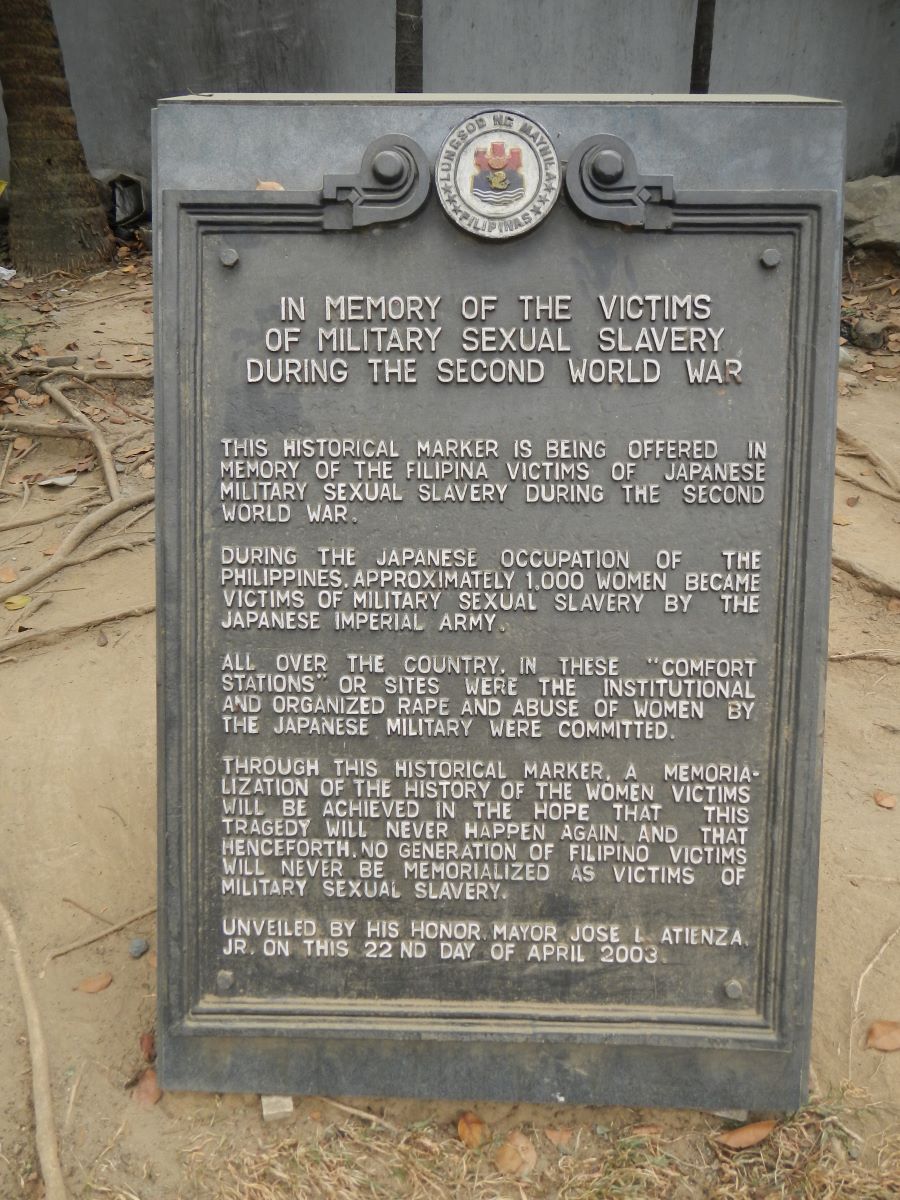
Unlike other WWII historical novels, “In the Light of the Sun” touches on subject matter that has been taboo for the longest time, especially in the Asian countries occupied by the Japanese. The experiences of the “comfort women” have long been swept under the rug for many years after WWII, resurfacing only in the 1990s.
This novel reminds us of war’s horrors. And for Shupe, it is a way to remember the stories of her mother and aunt—stories that are part of their personal history.
Despite the often uncomfortable topics presented in the book, it ends with how the Grassi girls fare after the war—a reminder that when all seems dark and gloomy, a little sunlight always brings a ray of hope.

‘In the Light of the Sun’
By Angela Shupe
WaterBrook: Oct. 7, 2025
Paperback, 384 pages
What arts and culture topics would you like us to cover? Please email ideas or feedback to features@epochtimes.nyc
