



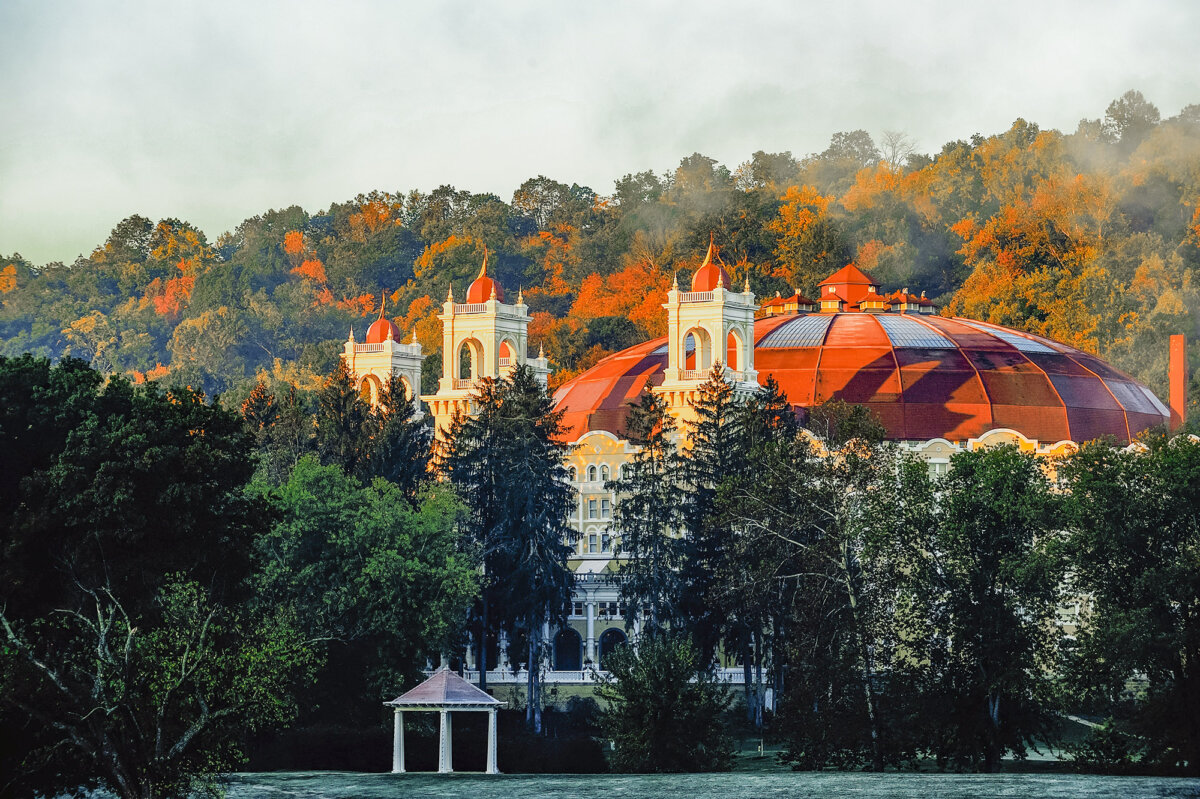
It should have been a fairly straightforward two-hour highway-drive due south from Indianapolis International Airport. But thanks to some lost signal, an outdated GPS, and perhaps a bit of Google’s mysterious hankerings for the road not taken, I found myself on narrow, unlined country roads and even ended up on a dirt lane for a bit. But the beauty of forest right up to the edge of the road, the surprising hills of southern Indiana, and a weaving path with the occasional intrusion of a small farm have their charm.
My destination, French Lick and West Baden Springs, known together as Springs Valley, are conjoined historic spa towns dating back to the 19th century, and home to respective namesake hotels listed in the National Register of Historic Places. I could appreciate a drive through scenery that recalled a time before interstates or even state highways. Like these country roads, the story of French Lick is one of rise and fall and rise.
The Waters
When I told others of my trip plans, most replied, “Oh, Larry Bird!” Basketball fans know this is the NBA legend’s hometown; one of his monikers helped the rest of us remember the place: “The Hick from French Lick.” But its spa fame is older than the sport itself. The area’s fame extends back to the mid-1800s, when the area’s mineral springs were said to cure any ailment.
“At that point in time, there was no truth in advertising. They could say whatever they wanted to,” said Sandi Woodward, program manager at the nonprofit Indiana Landmarks. She said people claimed “that it cures everything from senility to sterility and whatever lies in between,” even alcoholism.
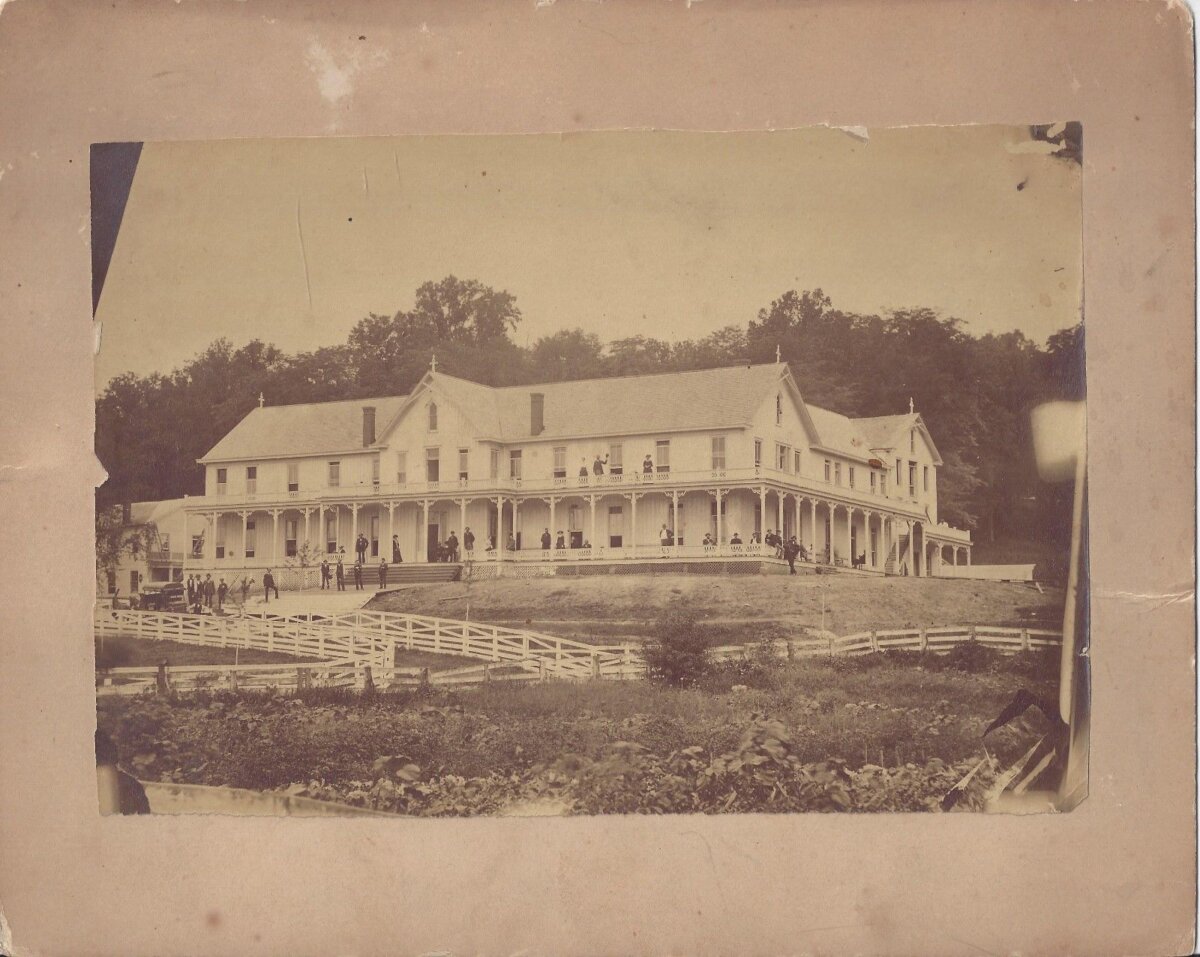
Dr. William Bowles started canning and selling the water for medicinal purposes sometime in the 1840s. As business grew, he built a hotel in 1845 on the site of present-day French Lick Springs Hotel. A busy man, he leased the property to another doctor, John A. Lane, who managed it successfully for five years before paying Bowles for a marshy plot of land a mile away.
That’s where, in 1854, Lane opened Mile Lick Inn, named for its distance from the competition. The village that formed around it was christened West Baden Springs, after Wiesbaden, a famous spa town in Germany, and the hotel took the same name.
Success From the Ashes
Many historic hotels first had a wood-built version that succumbed to fire. Neither of these properties escaped that fate. French Lick Springs Hotel had already expanded into a larger complex but in 1897, flames took down the main building. Businessman and politician Thomas Taggart rebuilt the hotel in 1901, bringing a new opulence to the property.
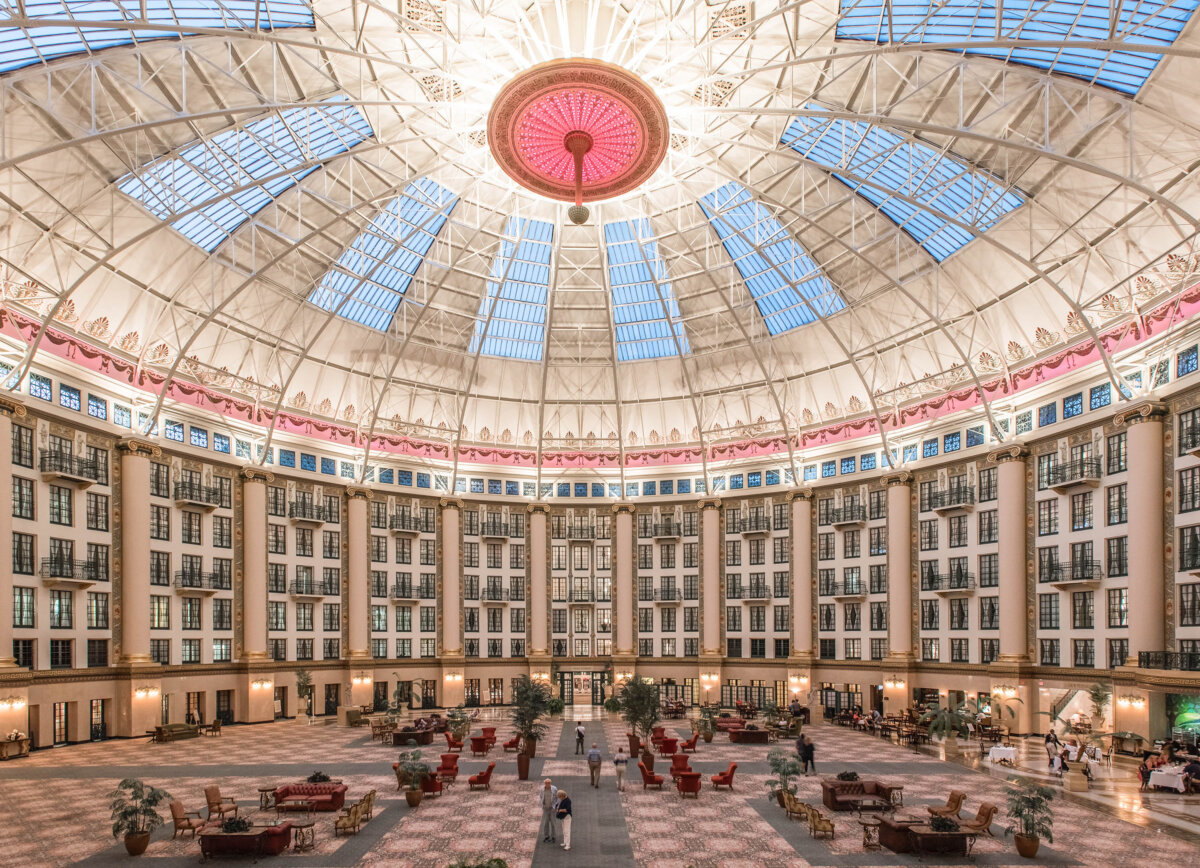
Then on June 14, 1901, West Baden Springs Hotel burned to the ground. Owner Lee Sinclair rebuilt it in remarkable style in just under a year. The Louisville Courier-Journal celebrated it as the Eighth Wonder of the World, especially for its central steel-and-glass, free-span dome. It remained the largest such structure until the completion of the Houston Astrodome in 1965.
But the rise from the ashes didn’t last long. After the turn of the century, spa interest declined while the popularity of illicit gambling grew. No one knows for sure, but estimates suggest that by the 1920s, there were as many as four dozen places to gamble, from casinos, salons, and supper clubs to private homes.
But then the Great Depression took its toll. The West Baden Springs Hotel closed, and in 1934, the Jesuits bought the property for $1. They used it as a seminary for the next 30 years. Furthermore, Las Vegas rose in prominence in the 1940s, and mob powers in Sin City didn’t appreciate the competition. (They ironically brought the matter up with the federal government. In 1948, the IRS and state governor came in and shut down all the gambling.)
Abandoned by the Jesuits, the West Baden Springs Hotel had fallen into grave disrepair. The Cook Group, founded by Bill Cook, a billionaire Hoosier who made his fortune in medical devices, worked with Indiana Landmarks and other parties in 1992 to stabilize the structure, in hopes that it could someday be revitalized. In 2005, Cook bought the French Lick Springs Hotel. He closed it for a year for renovations (while supplementing staff unemployment income to cover the gap), and re-opened it with 443 guest rooms. In 2006, Cook and his team did the same with West Baden Springs Hotel, while also adding the (now legal) French Lick Casino to the mix, and uniting the two formerly competing hotel properties under a single owner for the first time as French Lick Resort.
The Attraction of History
Tourism blossomed after 1887 when rail came to Springs Valley, connecting it to Chicago, Indianapolis, and Louisville. The railway, nicknamed The Monon, adopted the three anchor destinations as the official company name 10 years later.
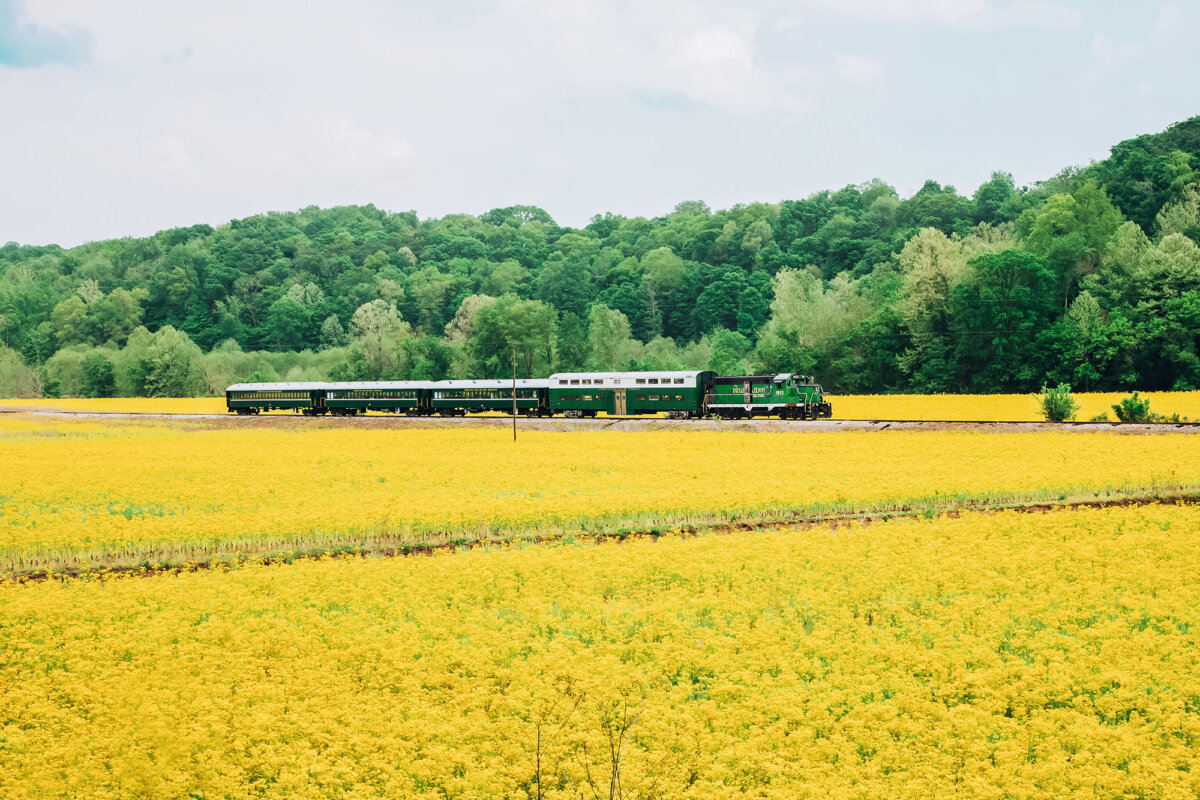
Today only the French Lick Scenic Railway still runs. It takes tourists on scenic out-and-back rides on a 20-mile stretch through Hoosier National Forest. Riders will pass through the half-mile Burton Tunnel, the second-longest railroad tunnel in the state. The company offers various themed trips throughout the year, the biggest being the Polar Express, which runs from Nov. 1 until Christmas.
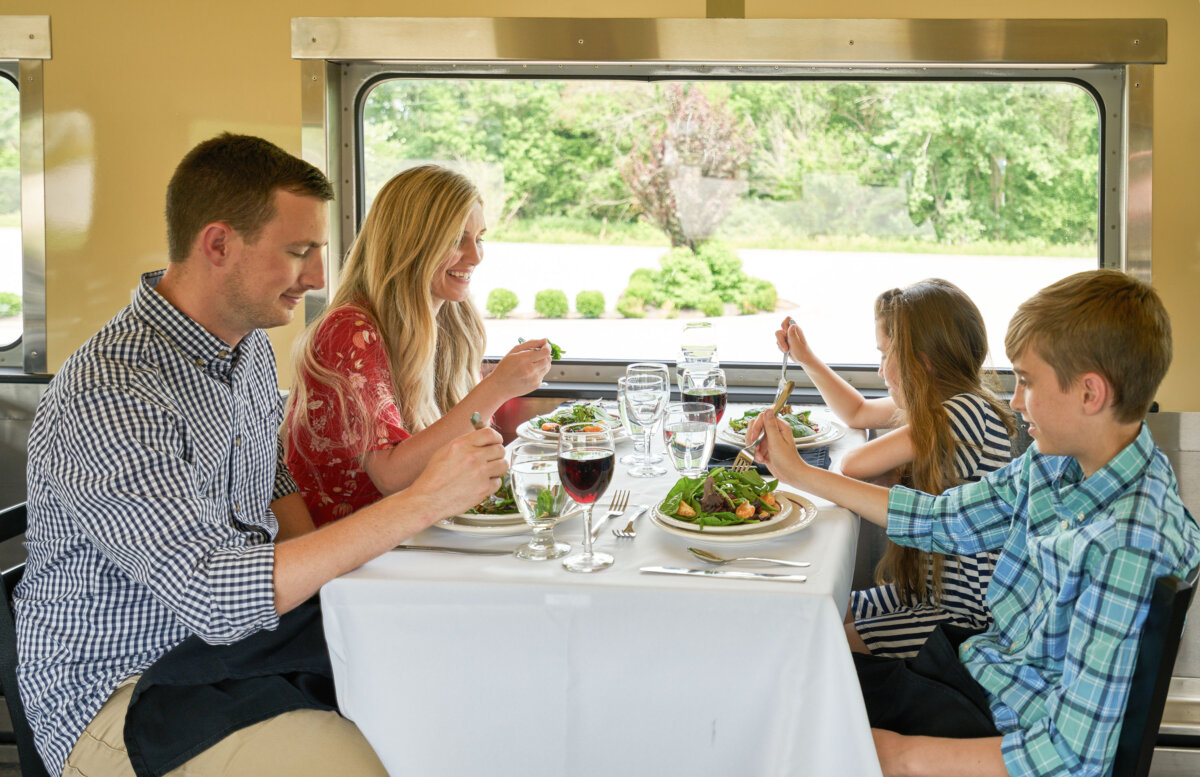
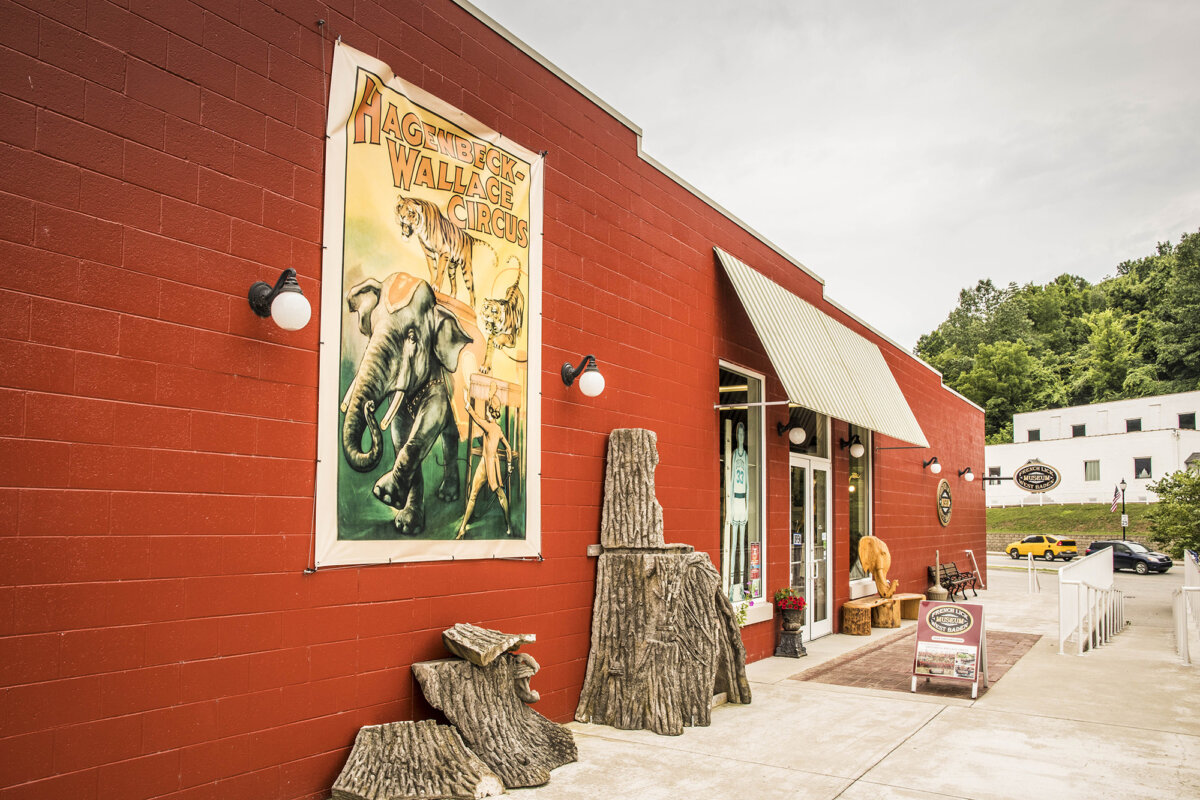
Whether it’s a two-hour behind-the-scenes tour of the hotels, a guided trolley ride, or even a walking tour of French Lick, Springs Valley’s stories are part of the experience. Walk up Larry Bird Boulevard to see the namesake’s bust outside the Springs Valley Teen Center, and stop in at the French Lick West Baden Museum across the highway from French Lick Springs Hotel. It includes some of his jerseys and a wooden backboard from the old Springs Valley High School gym.
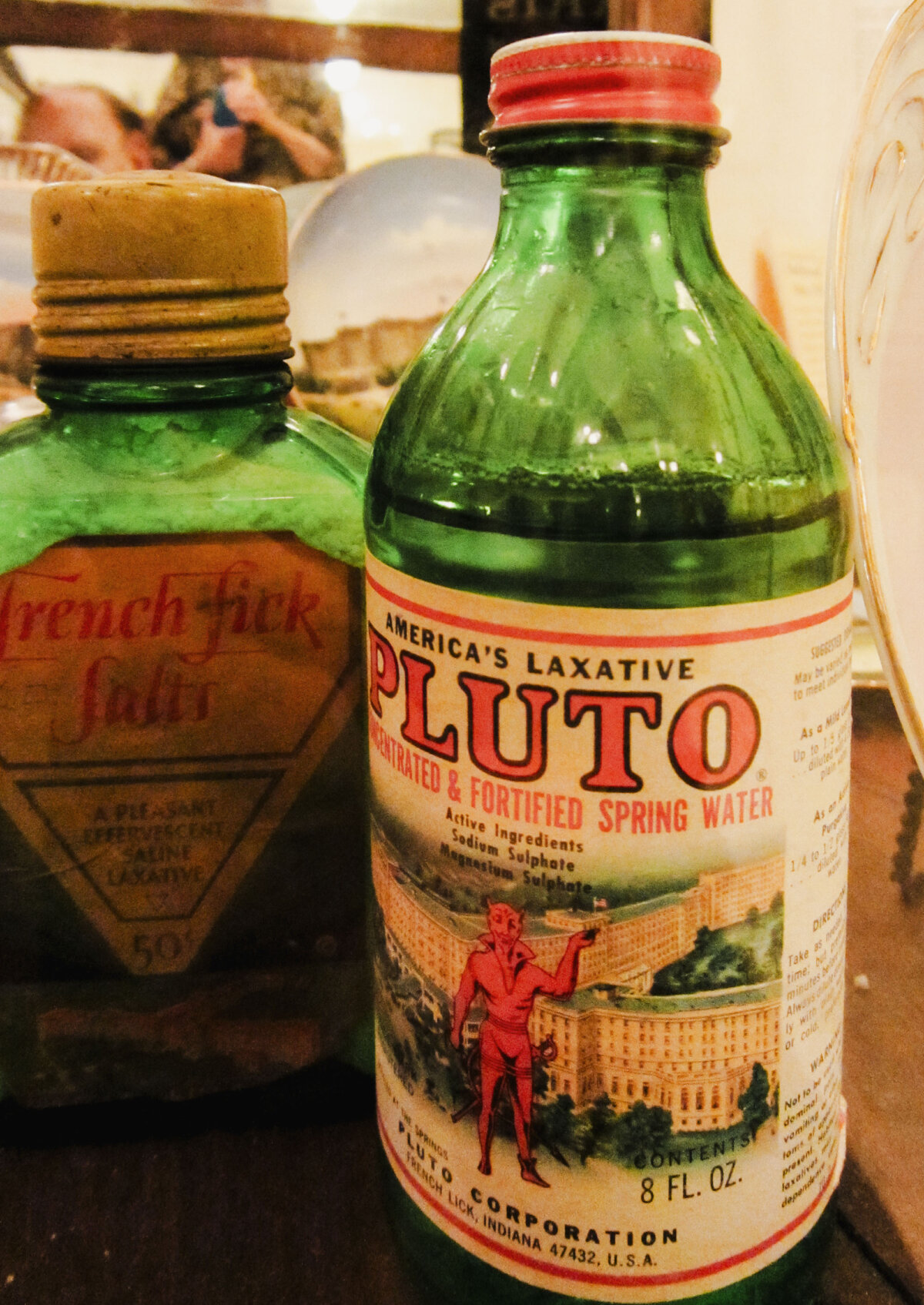
On the trolley tour, Jeff Blaine, the resort’s historian archivist, pointed out the 1913 home of Pluto Water, known for its laxative powers, as indicated by its ad slogan: “When Nature Won’t, Pluto Will.” Bottled here until 1971 when traces of lithium were discovered in the water, the Pluto Corporation pivoted into cleaning supplies.
“Now I didn’t tell you this,” Blaine laughed, remembering his late father, “He would often say that the Pluto Corporation had always been in the cleaning business.”
Visiting the Resort
I passed through the West Baden Springs Hotel’s 200-foot-diameter atrium on my way to check in and couldn’t help but stop and crane my neck to stare at the dome six stories above. In the evening, the glass lights up colorfully and guests admire it from their balconies among the inward-facing rooms. The 1902 structure seems like a glowing science-fiction starship. A hotel restaurant and bar are beneath, along with a welcoming lobby with a few loungers that allow guests to recline and appreciate the sight.
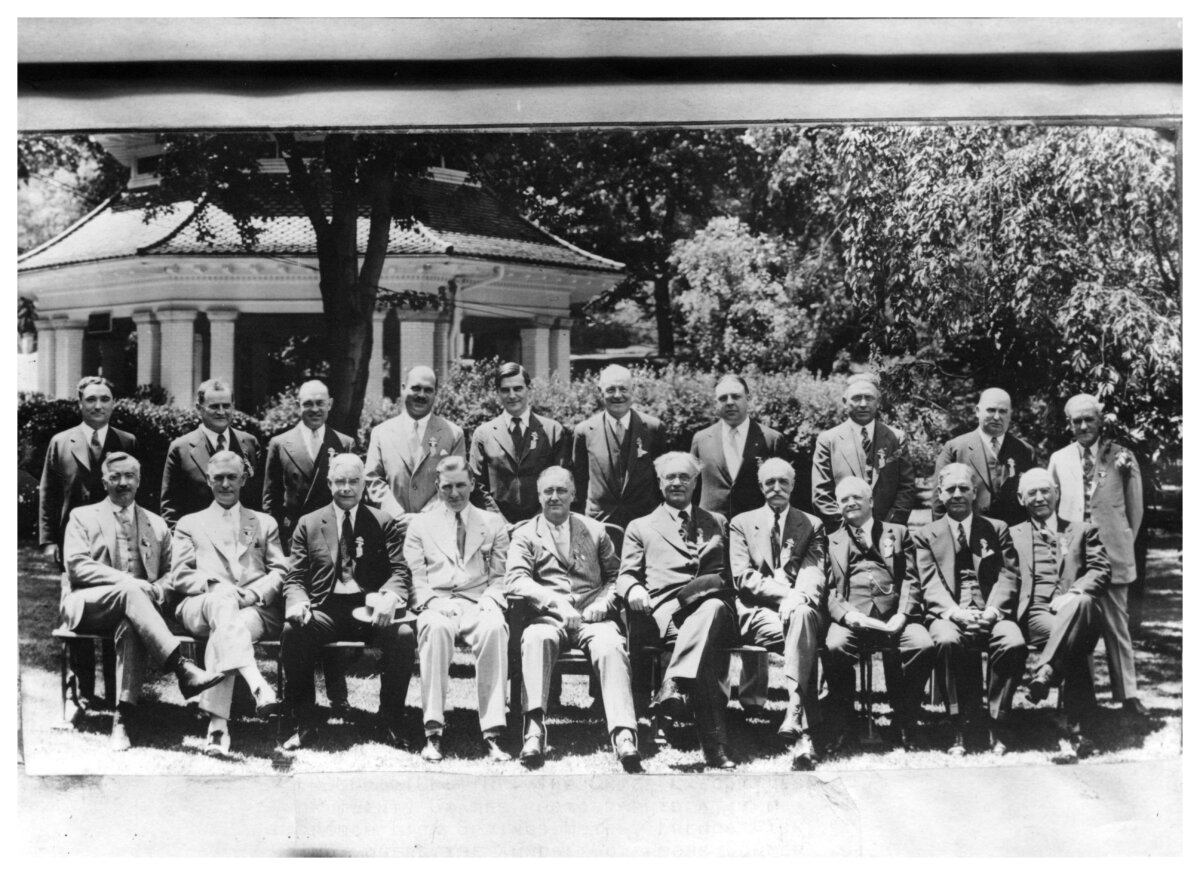
I took the shuttle to French Lick Springs Hotel for fine dining at the 1875: The Steakhouse and found more history. Chef Louis J. Perrin first served tomato juice as a substitute beverage to guests in 1917 after he ran out of orange juice one morning at breakfast. Franklin D. Roosevelt reserved the ballroom for a fundraiser to start his 1931 presidential nominee campaign.
I walked the trails in the woods behind West Baden Springs Hotel, a bit of a birders’ hotspot, and I was met by riders on horseback heading away from the resort’s stables. The 204,303-acre Hoosier National Forest, which surrounds Springs Valley on three sides, has more than 200 miles of hiking trails. The trailhead for the moderately challenging 5.6-mile loop Buffalo Trace Trail is a short walk from either hotel.
Later in the afternoon, I soaked in a heated bath of the sulfurous spring water at the spa. The next morning, I enjoyed the quiet serenity as I watched the steam drift off the warm outdoor pool, while a couple of early risers swam laps in the indoor pool.
Come for the Links, Stay for the Sunset
The resort features two championship courses, including one designed by Donald Ross in 1917, as well as two nine-hole courses. It also has access to another championship course, Sultan’s Run, a 30-minute drive away in Jasper. But the star of the show is the course by legendary designer Pete Dye. Dye lived in Indiana, yet hadn’t been asked to propose a design for the resort’s signature course. His wife, Alice, caught wind of the oversight and made sure he was invited. He had doubts about the rugged terrain and access to water that didn’t drain the community dry. But he designed a rain reservoir system to keep irrigation self-sustaining, and ended up sketching the course’s design on a napkin.
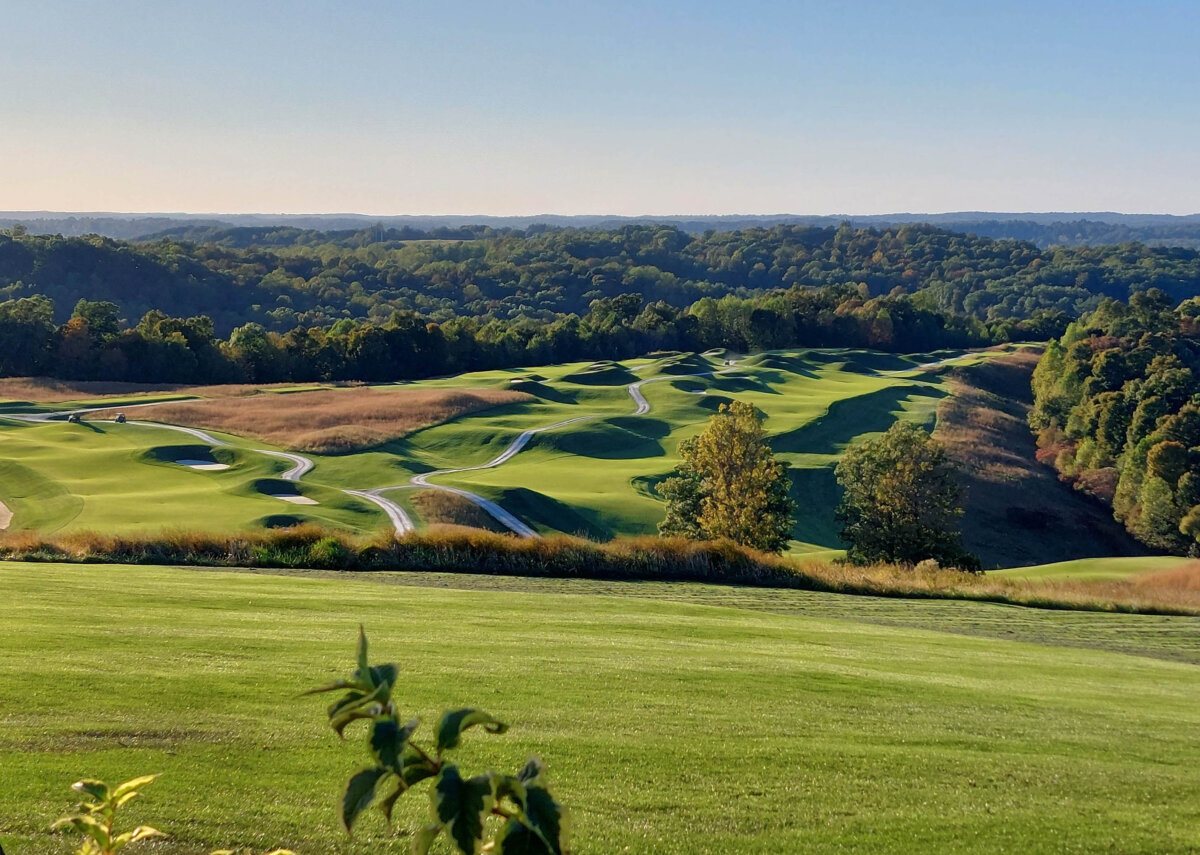
I’m not a golfer, but I highly recommend a stop at the clubhouse inside The Mansion atop Mt. Airie. Once billed as the highest point in Indiana, this limestone mount originally hosted a 100-foot-tall tower and observatory. Thomas Taggart, the former owner of French Lick Springs Hotel, replaced the observatory with a 1929 mansion built for his son Thomas D. Taggart and his family. This now functions as the clubhouse. I’m told there are spirits in the house, other than the bottles behind the bar, and who would blame them? The view is terrific.
I can’t speak to the waters’ medicinal qualities, but this place’s natural beauty is undeniable. Before dinner in The Mansion restaurant on my final night, I step out onto the back patio with an Old Fashioned to take in the sunset. Hills roll away like waves. Tucked into the dense trees, the smooth contours of the emerald fairways spread below me like a map. The mists creep in from the forest and rise into the shadows, and the sun sinks into the horizon until the hilltops are islands in a sea of clouds. A fitting finale to my time in French Lick.
If You Go
Getting there: Indianapolis (IND) and Louisville (SDF) are two of the closest airports to French Lick.
Dining: Dining at the clubhouse for the Pete Dye course is typically reserved for golfers, but special Sunday evening sunset dinners are scheduled seasonally, and lunch is open to the public in April and October.
