Once someone asked the famous songwriter Cole Porter who wrote the song “Some Enchanted Evening.” “Rodgers and Hammerstein,” he sighed. “If you can imagine it taking two men to write one song.”
With Porter, it only took one extraordinary man. In 1998, the New York Times noted:
“Porter was possibly the greatest popular song writer of the 20th century. Of the more than 800 songs he produced during his life, dozens have become standards and are still constantly being re-recorded today. … For all his breezy cosmopolitanism, insistent name-dropping and devilishly clever rhymes, his songs come from the heart.”
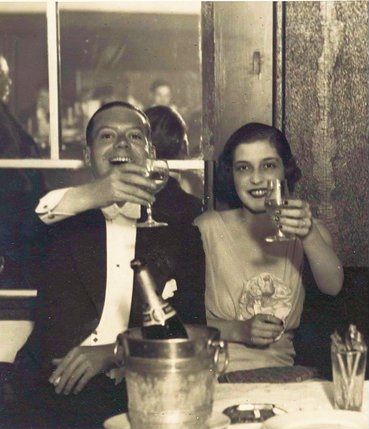 Cole Porter with Betty Shevlin Smith in the 1920s. (Public Domain)
A Midwestern Youth
Porter was born in 1891 in the town of Peru, Indiana—which old-timers pronounced “PEA-roo” at the time. His grandfather, James Omar “J.O.” Cole, the richest man in Indiana, intended a sensible future for the boy. Porter’s mother quietly disagreed and encouraged her son’s creativity. By age 6, he was playing piano and violin. At 10, he wrote his first song.
J.O. paid for his grandson’s education—first at the elite Worcester Academy, where Porter was valedictorian; then at Yale, where he wrote over 300 songs for college shows and a football fight song that is still sung at Yale today. He entered Harvard Law School to please J.O., but when he switched his major to music, he only told his mother, who heartily approved.
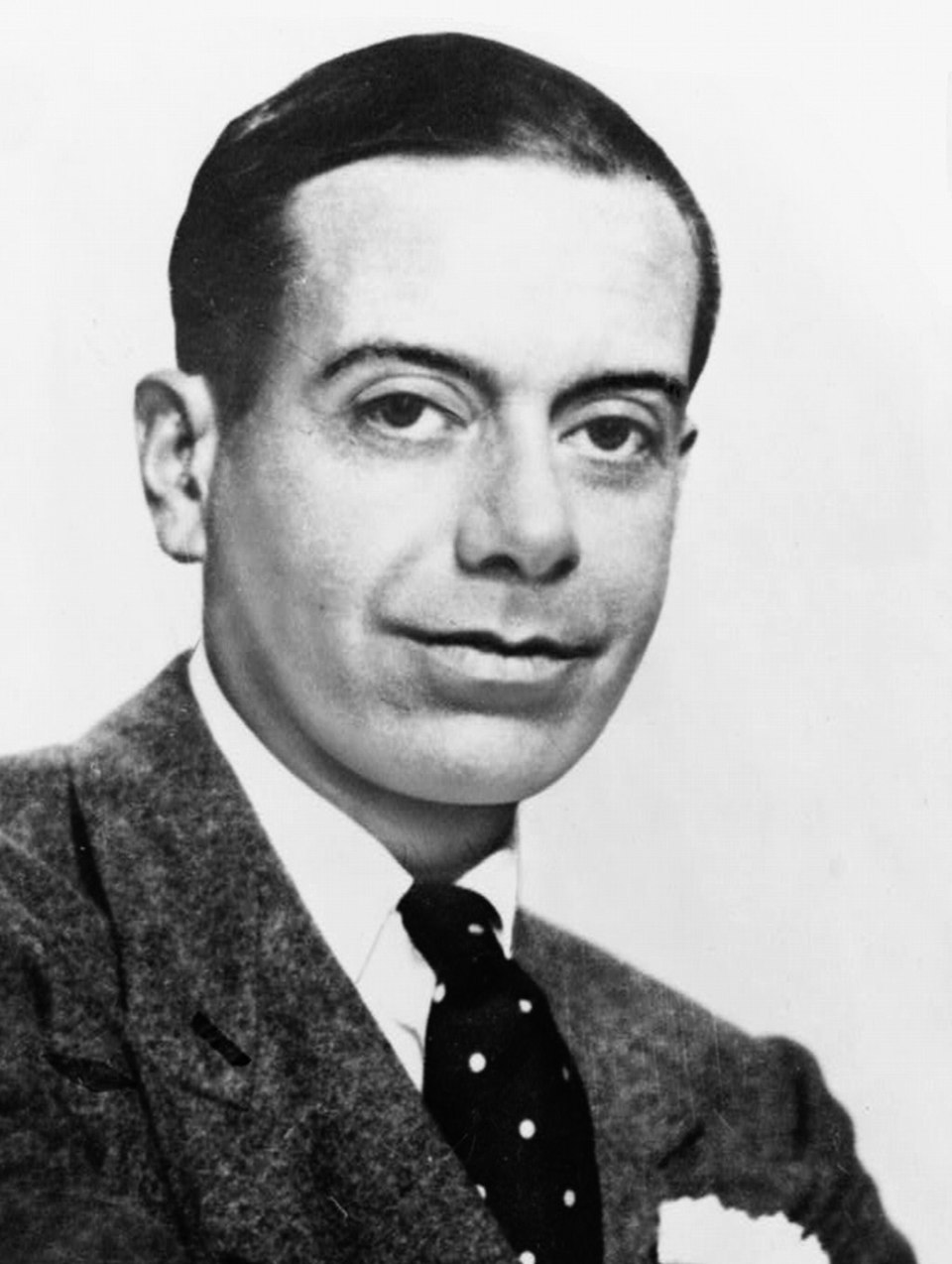 Cole Porter in the 1930s. (Public Domain)
In 1916 he co-wrote a show, “See America First,” which was sure to make him the toast of Broadway. It closed after 15 performances. Discouraged, Porter headed to Europe. He may have done military service in France, but this has been disputed. He does seem to have worked for relief organizations.
Porter made many friends in Paris: artists, celebrities, and various unemployed aristocrats who were knocking around Europe at the time. Elsa Maxwell, the famous “hostess with the mostest” who knew everyone who was anyone, became a close friend, as did Monty Woolley (“The Man Who Came to Dinner.”)
After returning to the United States in 1918, Porter met a beautiful Kentucky socialite, Linda Lee Thomas, who had divorced her abusive husband. They quickly became inseparable, married the following year, and became one of the most famous, and famously happy, couples in global high society. They remained together for the rest of their lives.
Linda’s money and social connections and Porter’s eventual inheritance from J.O. allowed them to travel the world in luxury and give and attend the swankiest parties in New York and Europe.
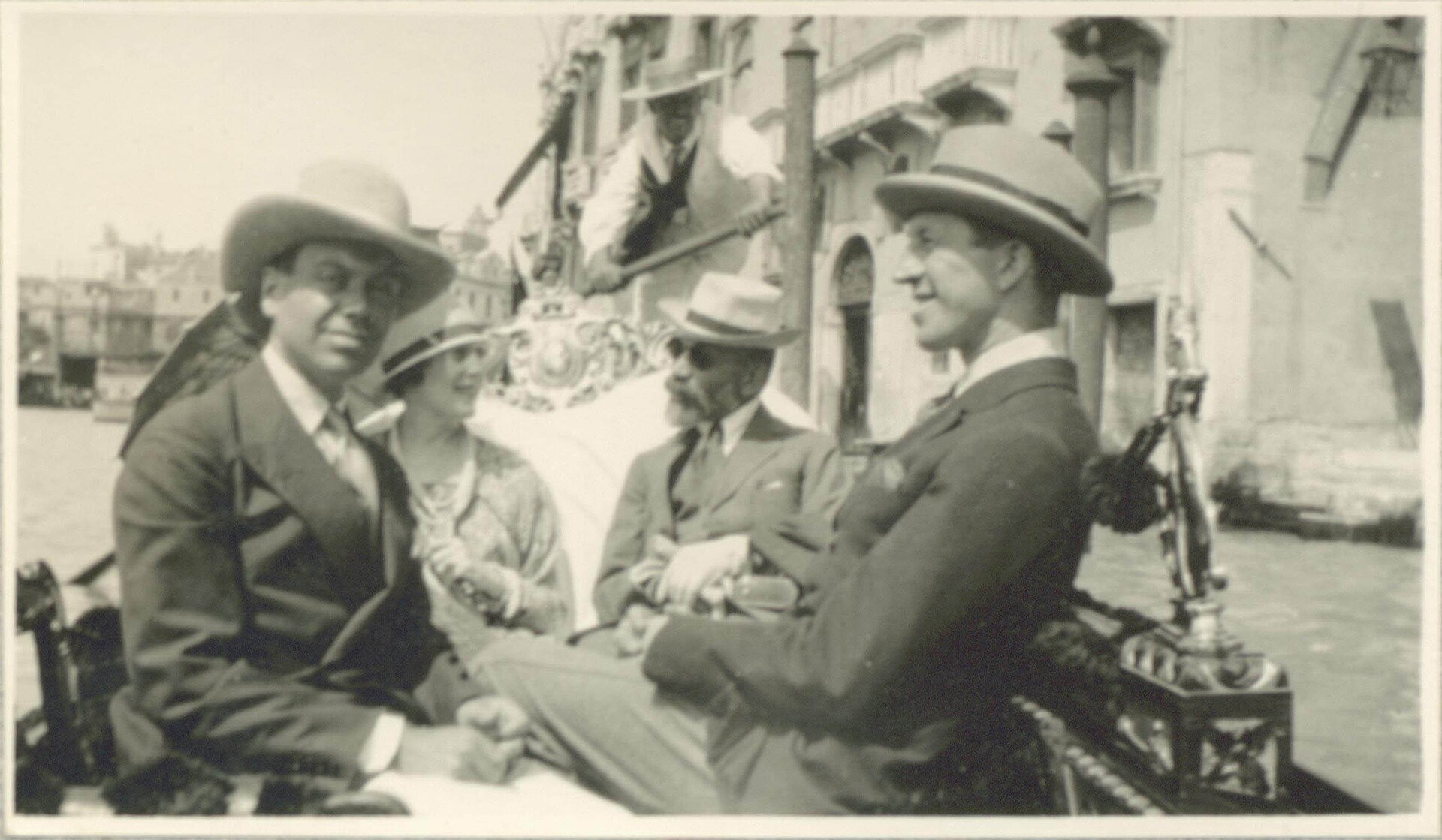 (L–R) Cole Porter, Linda Lee Thomas, Bernard Berenson, and Howard Sturges in a gondola in 1923. (Public Domain)
Long-Sought Success
This led some to conclude that Porter was a wealthy dilettante, an amateur who shouldn’t be taken seriously. But he had studied musical composition in France, becoming what American Songbook expert Alex Wilder called “the most thoroughly trained musician of all [his peers.]” Porter set his brilliant lyrics to melodies every bit as polished, eloquent, and original.
Porter finally found success on Broadway in 1928. Before long, Americans were enjoying regular doses of his cosmopolitan wit and wordplay, even his double entendres that were subtly risqué, but never vulgar.
His humor and verbal facility are on full display in this famous list song:
You’re the top!
You’re the Coliseum
You’re the top!
You’re the Louvre Museum
You’re a melody from a symphony by Strauss
You’re a Bendel bonnet
A Shakespeare’s sonnet
You’re Mickey Mouse!
All through the 1930s, Porter shows lit up Broadway, headlined by his favorite stars, among them Fred Astaire, Ethel Merman, Bob Hope, and Jimmy Durante. “Anything Goes,” starring Merman, was a high point. Today it’s regularly revived everywhere from high schools to Broadway.
Porter’s cheerful, jaunty personality belied his rock-solid work ethic. Over his career, he wrote both music and lyrics for every kind of song.
List songs: “You’re the Top,” comedy songs: “Miss Otis Regrets,” dance songs: “Begin the Beguine,” even a cowboy song: “Don’t Fence Me In.” And of course, he wrote every kind of love song. Joyful: “It’s De-lovely.” Pensive: “I Concentrate on You.” Fun: “I Get a Kick Out of You.” Yearning: “I’ve Got You Under My Skin.” Defensive: “Get Out Of Town.” And sad: “Ev’ry Time We Say Goodbye.”
Compared to Spanish or Italian, rhymes are scarce in the English language. Porter had a nearly unique ability to find surprising ones again and again, even prodigious triple rhymes, as in these lines:
Some get a kick from cocaine.
I’m sure that if
I took even one sniff
It would bore me terrif —
ically too.
But I get a kick out of you.
For radio airplay, Cole provided a substitute opening: “Some like that perfume from Spain.”
Unconventional and Unstoppable
“Night and Day,” written for Astaire, is a special case. Porter claimed the song’s insistent rhythm was inspired by the thrumming of ship engines during his and Linda’s voyage to Fiji. The song broke the mold with its length (48 bars rather than the standard 32) and even more so with its startling verse. A single note is repeated 35 times, emphasizing the idea that the singer can’t stop thinking about his beloved, night and day.
Porter played the new song for his friend, Monty Woolley, who reacted badly: “I don’t know what this is you are trying to do, but whatever it is, throw it away.” Porter didn’t, happily, and it became what the American Conservative calls “the greatest love song produced by a Broadway show.”
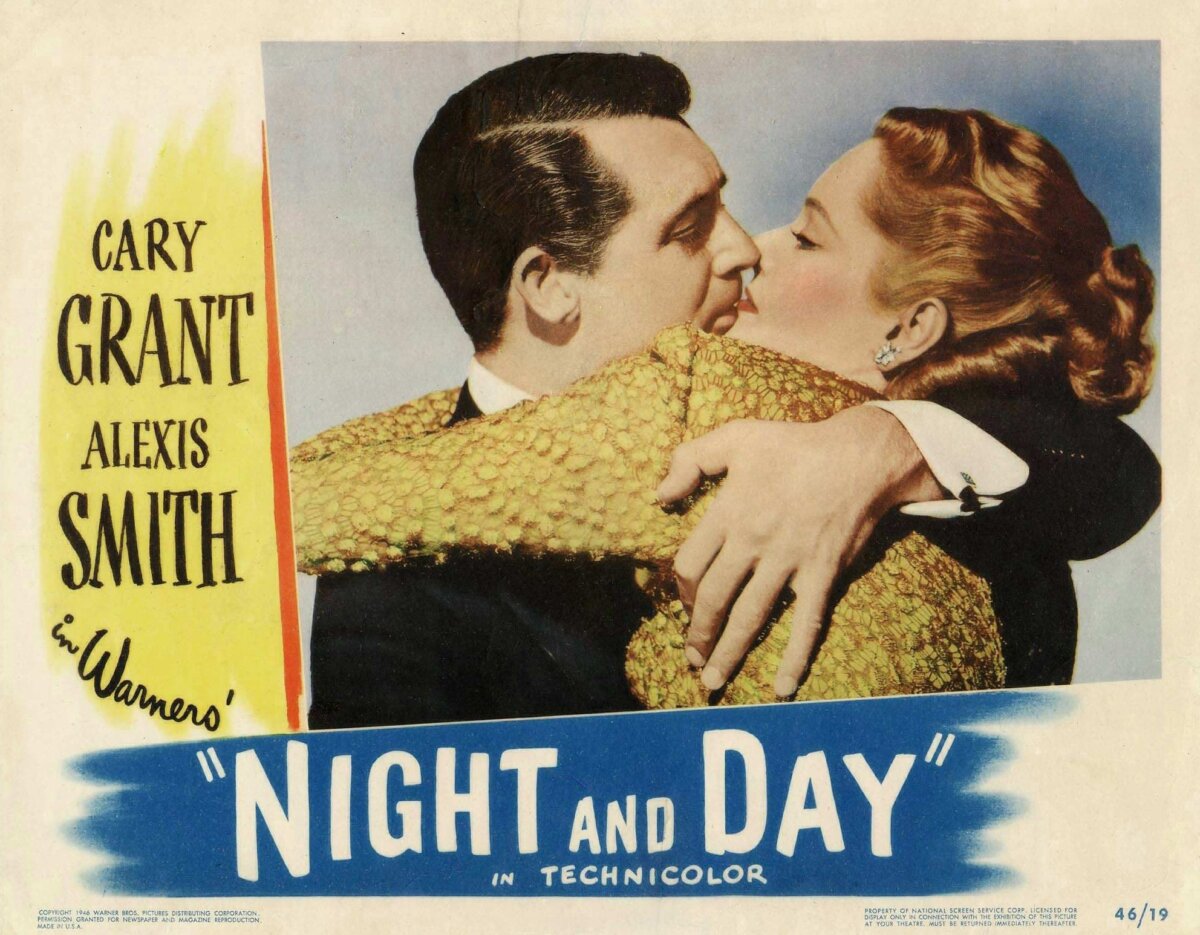
In 1946, Hollywood released a musical biography of Porter called (what else?) “Night and Day.” It was mostly fiction, but Porter was pleased to be portrayed by the dashing Cary Grant.
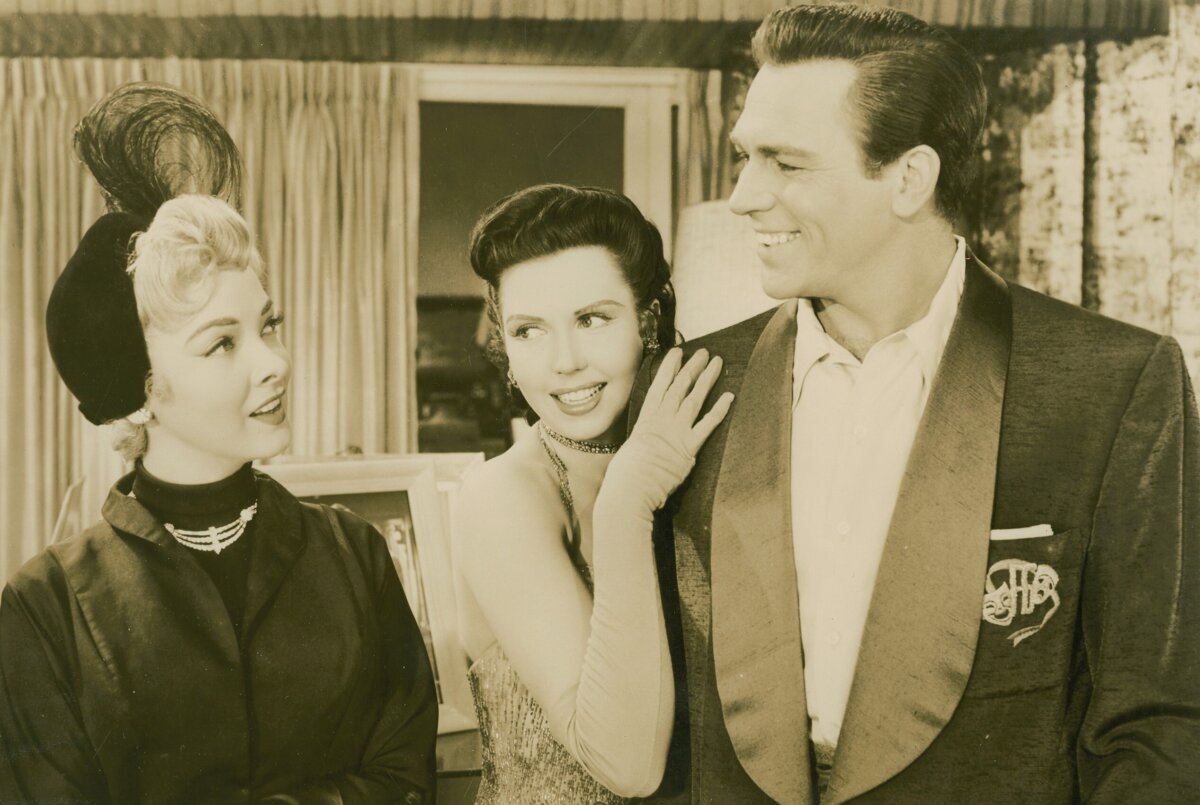
After various hits and flops, Porter reached the summit of his career in 1948 with “Kiss Me Kate,” a twist on Shakespeare’s “Taming of the Shrew.” The comical story of a headstrong actress who can’t decide whether she hates her ex-husband or loves him is decorated with “So in Love,” “Too Darn Hot,” and other terrific numbers.
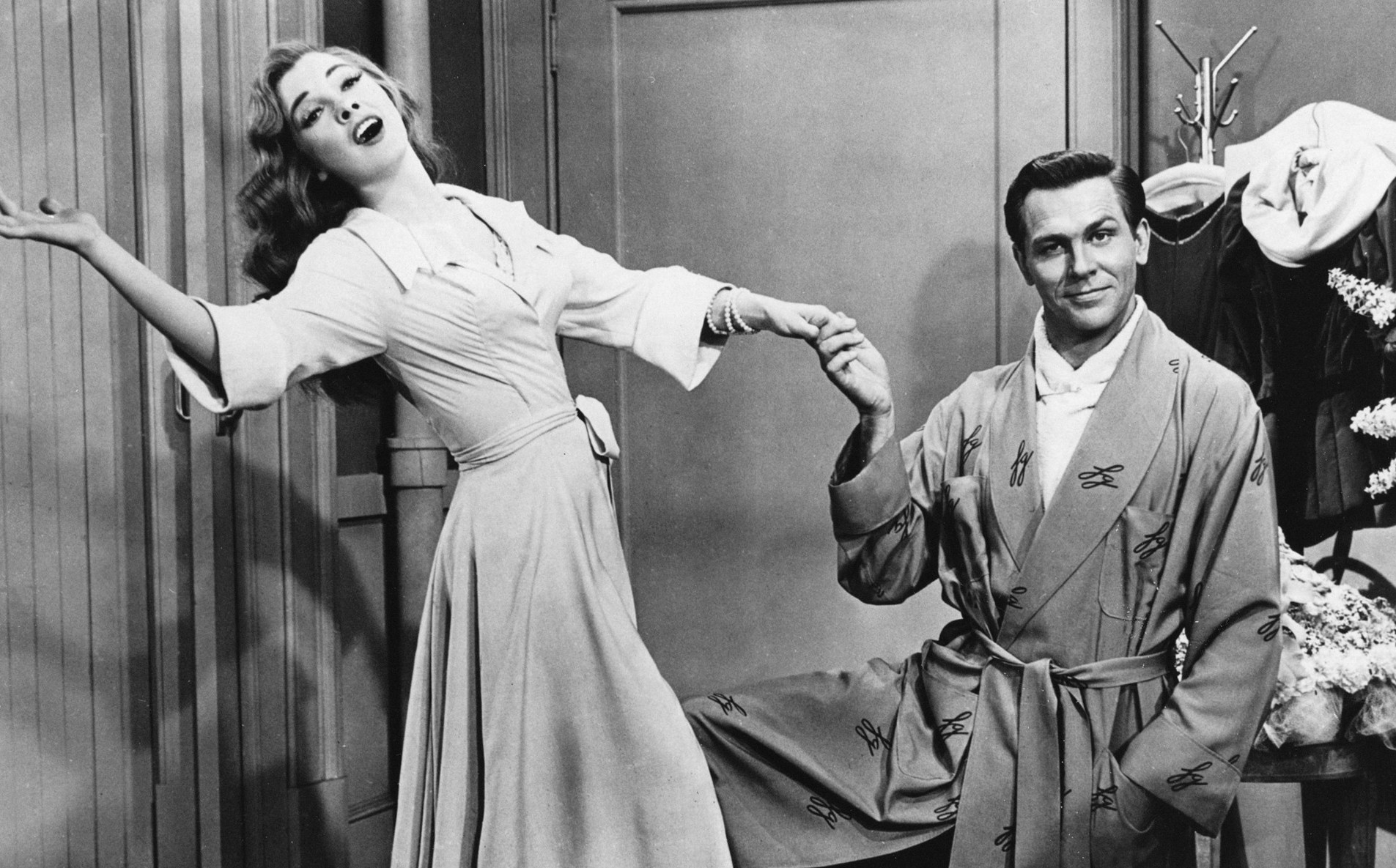 A publicity still for the 1953 film “Kiss Me, Kate” starring Kathryn Grayson and Howard Keel. (MovieStillsDB)
“Kiss Me Kate” played a staggering 1,077 performances on Broadway and won the first Tony Award for Best Musical. A hit movie version and countless revivals since testify to its outstanding qualities. On the occasion of a 2024 London production, the Financial Times called the show “the ultimate Broadway musical from the golden age.”
In 1954, Porter was in Hollywood finishing the score of “Silk Stockings,” while Linda was in New York being treated for emphysema. Learning her condition was dire, he jumped on a plane and rushed to her bedside. Holding his hand, she whispered, “If only I was important enough so that a flower or something would be named for me.” After she passed, Porter had a beautiful new rose named “Linda Porter.”
Porter’s contemporaries often expressed their respect and admiration. Ring Lardner wrote that “Night and Day” set his ear “flopping … from the sheer magnificence of the lines.” In a letter to Porter, the great Irving Berlin paraphrased his own song: “Anything I can do, you can do better.”
 Porter named the rose after his wife, who mentioned wanting to be important enough to have a flower named after her. (Javier martinlo/CC BY-SA 3.0)
A Downward Spiral
Porter’s achievements are even more remarkable when you consider the 1937 horse riding accident that left him, in spite of 33 operations, in constant pain for the rest of his life. He soldiered on, writing prolifically for Broadway and Hollywood. But in the early 1950s, the deaths of his beloved mother and his wife sent him into deep depression.
When his leg was amputated in 1958, he lost heart completely and never composed again.
Porter died in 1964. “And all in a moment,” music journalist Lauren Hunter wrote last in 2025, “America had lost one of its greatest ever songwriting sons. They knew, even then, that they would never see his like again.”
What arts and culture topics would you like us to cover? Please email ideas or feedback to features@epochtimes.nyc