



People can be funny—even snobbish—about cruises.
“Oh, I’d never get on one of those ships,” I hear them say. “I like to truly experience a destination on a deeper level.” Things like that.
How do I respond? I tell them that the only people who don’t like cruises are the ones who have never taken one.
You see, I used to be one of those travelers in the first camp. I was a backpacker who slept in the hard second-class seats on overnight trains, survived on street food, and rode on the sweatiest buses you can imagine. And you know what? There’s value in that kind of travel, in digging deep. And I still enjoy that, too. (Well, maybe not the sweaty buses.)
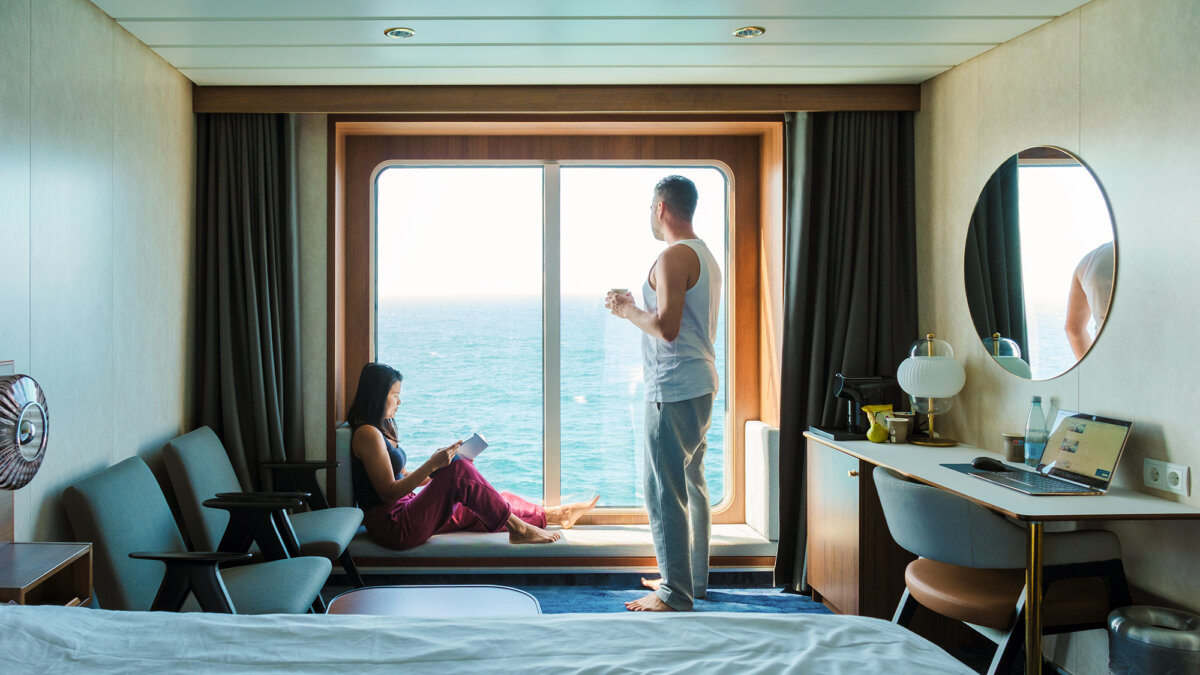
Then, I took a cruise. And from the moment I embarked, I was entirely enchanted by the whole experience of unpacking my suitcase just once and being spirited away on the waves to ports unknown (at least to me). I loved opening the curtains of my cabin in the morning and finding the finest kind of surprise: a brand-new destination, just beyond the balcony.
I’m about to board my 92nd voyage and have sailed to dozens and dozens of countries. Antarctica and the Arctic, yes, but also Aruba and Egypt and New Zealand and Japan. In this article, I will try to convince you that, in certain cases, cruising is absolutely the best form of travel. Here’s why—and how—a cruise might work for your next vacation.
Do as Much as You Like
I’m a veteran of busy itineraries. You know what I’m talking about. Tuesday and Wednesday in Paris, then drag your bag to Gare du Nord to head through the Chunnel to London, then fly to Scotland on Friday. That kind of thing.
The beauty of a cruise is that you can pick and choose with minimal pain. No hoisting a heavy carry-on into an overhead bin or running to catch a train because your taxi got stuck in traffic on the way to the station. Instead, settle into your stateroom and schedule your tours. Did you take a full-day Tuscan wine tour on Saturday? Maybe just chill on the ship on Sunday. Then take a half-day walking tour in Monaco on Monday.

A Sampling of Destinations
The most common comment I get when I mention that I love cruising is that “you don’t get to really experience a destination!” But I’d argue that there’s a definite upside to the fact that ships are constantly in motion.
Sure, if you’ve always dreamed of visiting Rome or Istanbul or Sydney, it makes total sense to schedule a traditional, hotel-based, multi-day trip there. But when you take a voyage, whether on a river or ocean or expedition, you get a glimpse of a whole bunch of places. It’s a perfect way to fall in love with a port destination that you can visit later, maybe next year, for a longer stay.
Access to Inaccessible Places
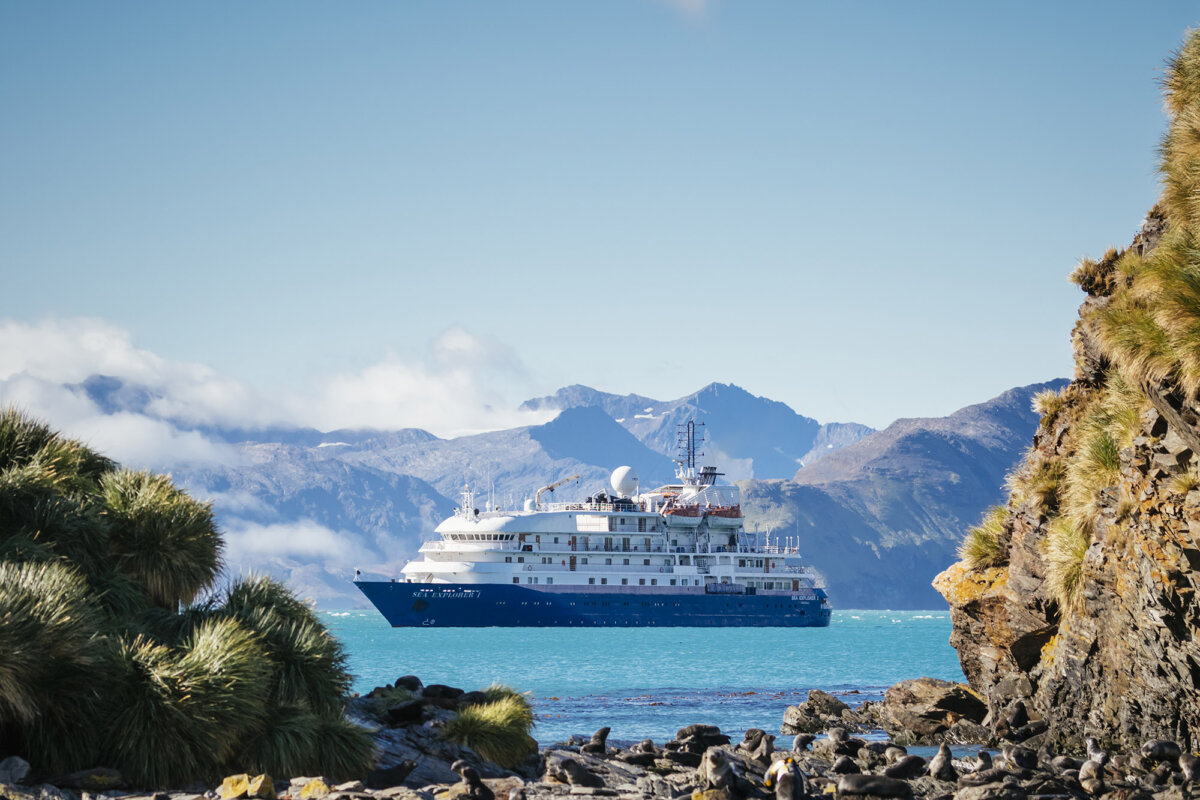
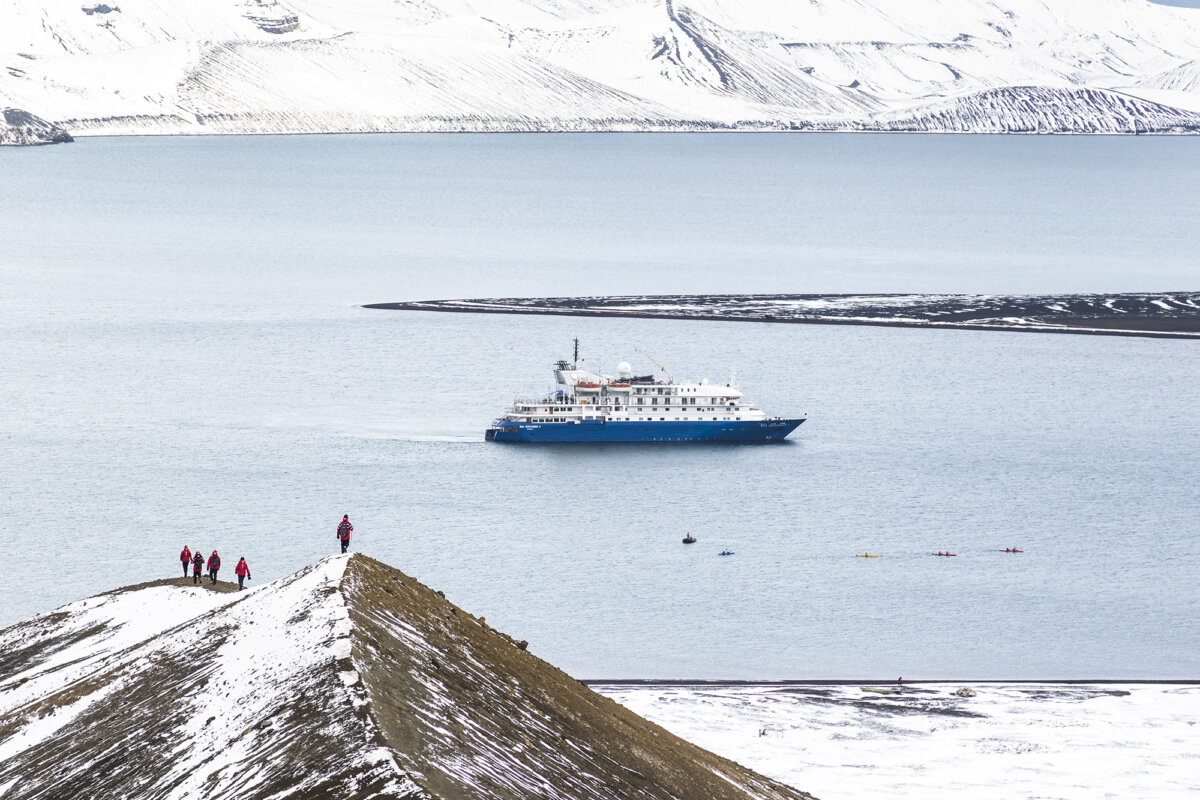
The truth is, there are far-flung places in this world that can be accessed only from the water. This is especially true of the polar regions. If you want to visit Antarctica or the North Pole, ships are pretty much the only way to get there.
This doesn’t just apply to expedition voyages. For example, on a Mekong River cruise with AmaWaterways, our ship alighted at a remote island in the middle of that mighty river. We visited a friendly and fascinating village. Unjaded locals greeted us warmly.
We walked through their way of life, living in open-sided homes on stilts and working on small farms. The experience culminated in a modest, unpolished, truly genuine cultural performance rich with song and dance. This is an island totally cut off from roads and an unforgettable experience that would have been impossible—except on a cruise.
Ship Size Matters
Big or small? Veteran cruisers often have very firm opinions on which one’s better. You can now book passage on mega-ships such as MSC World America that carry more than 6,000 guests, or small, boutique vessels with companies such as Secret Atlas that host just a dozen at a time.
I like both, but prefer smaller ships with fewer than 1,000 people on board. On river cruises and expedition vessels, which typically carry fewer than 200 people, intimacy and esprit de corps often form throughout the voyage. You learn the names of your fellow travelers and crew members remember you.
But on big ships, you get all the crazy (and fun) toys. Royal Caribbean’s surf simulators and zip lines. Norwegian Cruise Line’s go-carts. Carnival even has a roller coaster on board.
The key is to find your sweet spot. Think about what’s most important to you. Is the ship itself your destination? Or would you like to visit small, lesser-known ports where only more diminutive vessels with shallower drafts can dock? Finding the right-size ship is just as important as the itinerary—perhaps even more so.
You’ll Always Have a Soft Place to Land
I’ve sailed to some of the world’s harshest environments, from thick, multi-year sea ice in the farthest reaches of East Antarctica to the extreme tropical heat and humidity along the murky, mysterious waters of the Brazilian Amazon. But whether you freeze or swelter or feel just plain exhausted after a day of touring, cruising means that you’ll always return to a comfortable place at the end of the day.
Home will be your stateroom, where you’ve already unpacked, your toothbrush is waiting in a cup, and a change of fresh clothes is waiting in the drawers. You can have a hot shower, maybe even a steak dinner, and will return to a cabin that’s been crisply turned down. You may even find a mint on the pillow.
As a big fan of cruises, let me just say that it doesn’t get much better than that.
_____________________
3 Quick Tips for 1st-Time Cruisers
Cruise tour: When you board the ship, ask at the reception desk whether a crew member can take you for a little tour. You’ll get acquainted with the facilities—from restaurants and bars to the quietest place to sit poolside with a thick book—much more quickly than if you tried to find everything yourself.
Seasickness: Each person has his or her own level of tolerance for rocky waters, and until you start cruising, it’s hard to know how your body will react. It’s important to bring a small combination of potential solutions, from ginger tablets to more powerful medicines such as Dramamine or meclizine. If rough seas are predicted, always take your tablets before the ship starts to rock and roll.
Don’t miss the sail-away: It’s always a super-special moment when the crew casts lines and the vessel leaves the wharf, so make sure that you’re on the outer decks for the occasion. The embarkation port and shoreline fade off the stern while a whole ocean’s worth of adventures awaits, just beyond the horizon.
