



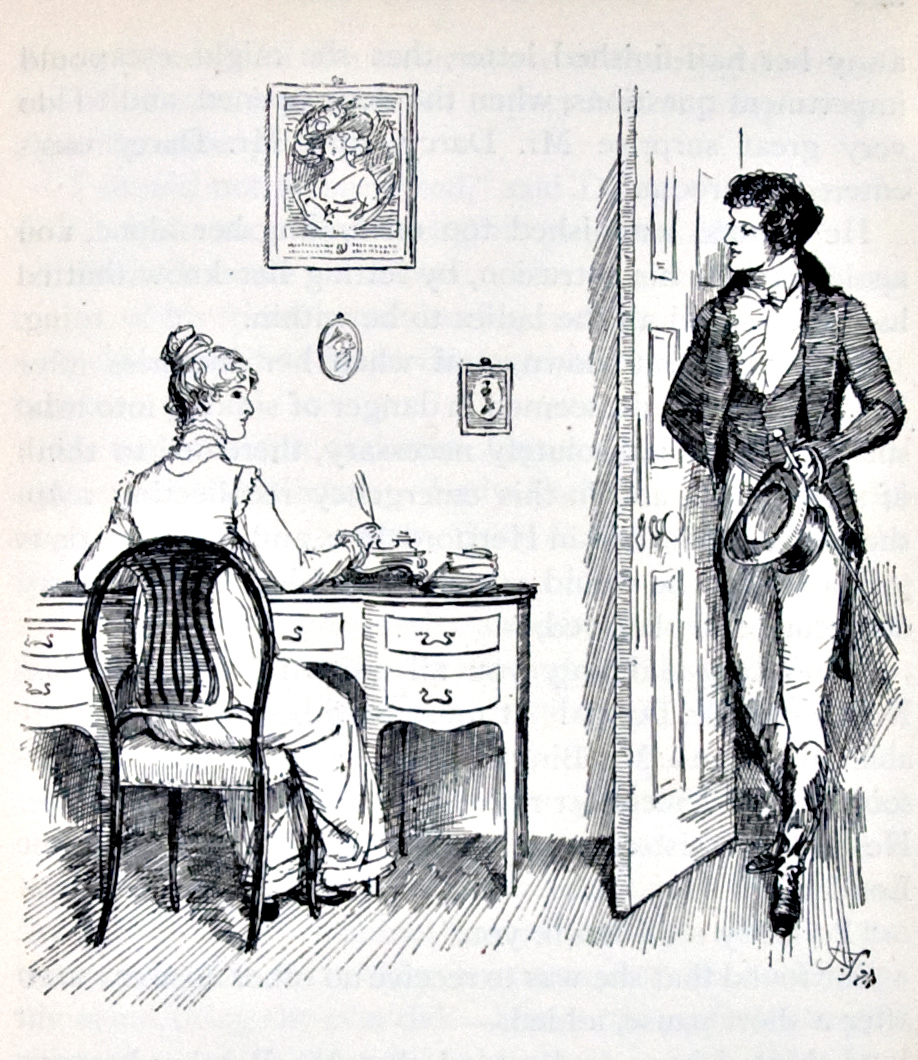
A few weeks ago, I was suddenly accosted by my roommate on the matter of my fondness for Jane Austen; she took umbrage at my use of the word “suitor” in the modern age. In a much perturbed and concerned tone, she asked: “Marlena, why do you like Jane Austen so much anyways? Her books are all about gossip and parties, and you don’t seem like the kind of person for that.”
I was greatly amused by the question. I also understood it, because, as a consequence of movie adaptations in recent years and general unfamiliarity with her works, the unfortunate Ms. Austen has acquired a reputation as a writer of mushy romance novels.
If the only fruit of her books was to produce a host of female readers swooning over Mr. Darcy, I would not only agree with the men who think there’s nothing for them in her works, but I would join them in finding the books not worth my time.
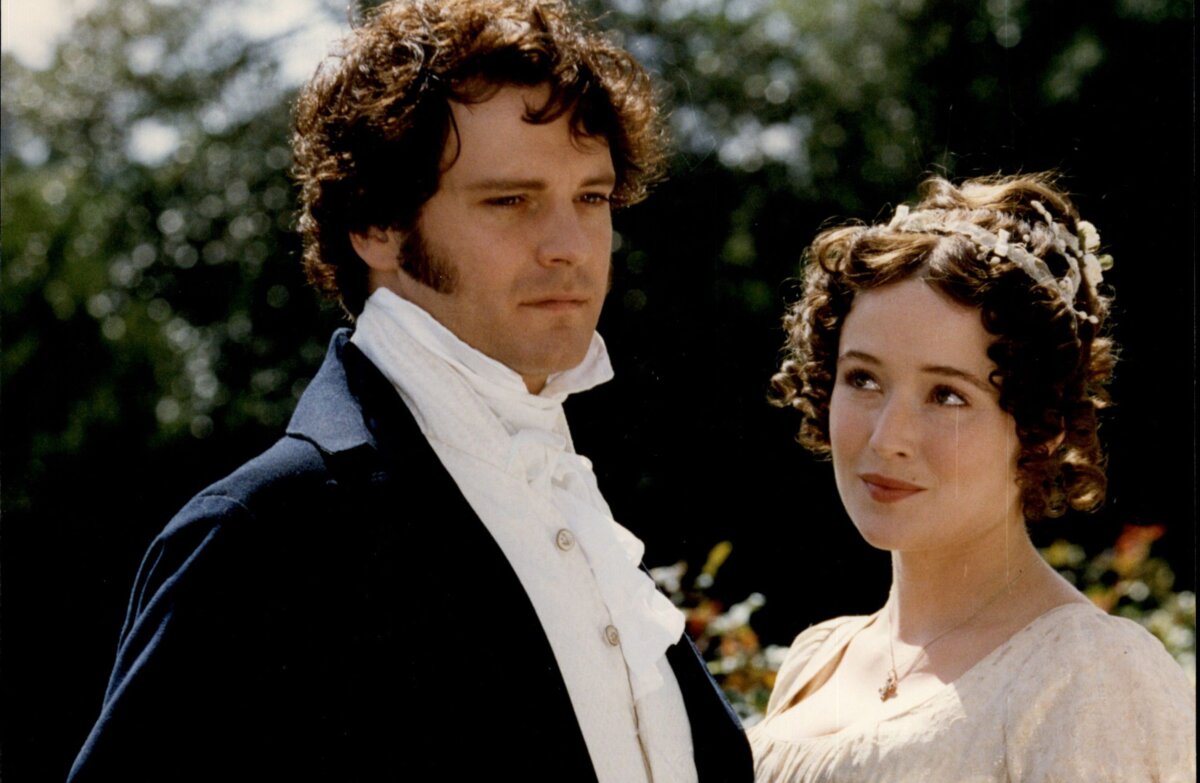
Yet as we near Jane Austen’s 250th birthday on Dec. 16th, it seems remarkable that her works should still have such a devoted following if there’s nothing more to them than tea parties and unrealistic ideals for girls to sigh over.
I will therefore attempt to answer the question I’ve received so many times: What makes her works so special and enduring. The following are some of my own reasons for liking her and are the opinions of one belonging to the number of “partial, prejudiced, and ignorant” historians, as Jane Austen called herself.
Human Nature
Austen’s works are enduring because human nature is enduring. They resonate with every generation because every generation, while thinking itself exceptional, enjoys the same old human follies and suffers from the same old human errors.
Austen was the writer of the human heart. She had a keen understanding of its most intimate workings. Yes, those workings do encompass romantic love, but they also encompass the other forms of love: affection and friendship. They also encompass the more selfish workings of the heart and its struggle between vice and virtue. The questions of morality Austen confronts are the same every age confronts in different settings.
Oftentimes, readers might look at her works, or the works of other great classic authors, and think, “Well this is interesting to read about, but it never happens in this day and age.” Yet Austen captures such minute social interactions as they arise, not from the peculiarity of the circumstances of her time, but from the peculiarity of different personalities being thrown together.
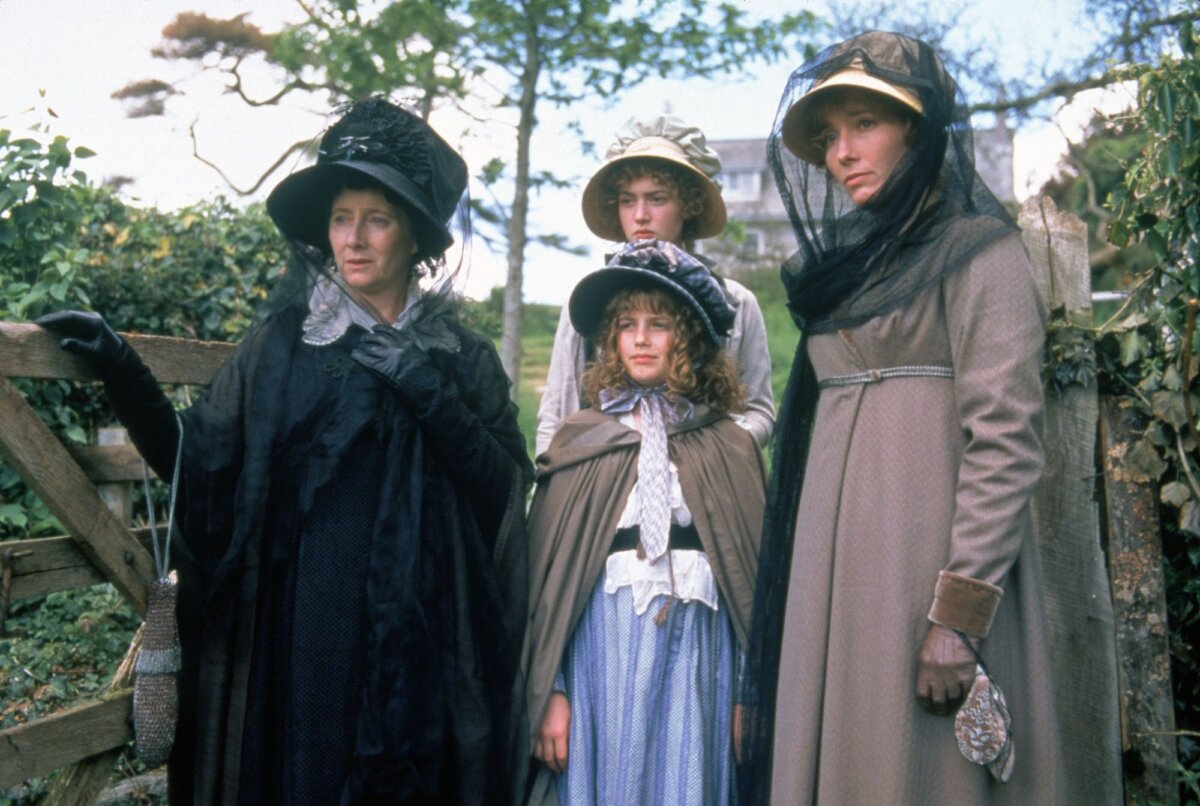
These interactions repeat themselves today under different circumstances. For example, when my grandfather passed away, the events in my family reminded me of those at the start of “Sense and Sensibility,” when the Dashwood family had to leave their home after the death of Mr. Dashwood.
Such happenings and the resulting family interactions, we often think, are caused by the way society functioned at the time and belonged exclusively to the Regency era. Yet when they take place under different trappings in our age, it is comforting to know these same sufferings are not unique to us.
If a writer truly understands human nature, readers can turn to their works and see how their characters reacted to conflicts that people struggle with today. We can see either how they overcame those conflicts, or we can see the mistakes they made so that we can avoid making them ourselves.
The Value of the Family
Austen’s works are very family-centric. They focus on the dynamics that occur within a family and between one family and another. In advising her niece about writing, Austen famously said, “Three or four families in a country village is the very thing to work on.”
On reading her works, one easily sees that her characters do not operate in a vacuum but are closely entangled in one another’s lives. What one person does affects others, perhaps even others they hardly know. The characters that act for themselves alone or who try to distance themselves from their families (whatever the faults of that family may be) are usually met with disastrous consequences.
The family is shown to be the most basic building block in society in each of Austen’s novels. When something occurs that strikes at those foundations, the whole microcosm is shaken. The greatest sources of conflict and the greatest threats to happiness within that microcosm are ones which threaten the family structure or spring from disordered relationships and understandings of marriage.
Each of Austen’s novels ends in marriage. In her society, a proper understanding and valuing of that sacred event are so important to the preservation of the family and, thereby, the whole of society.
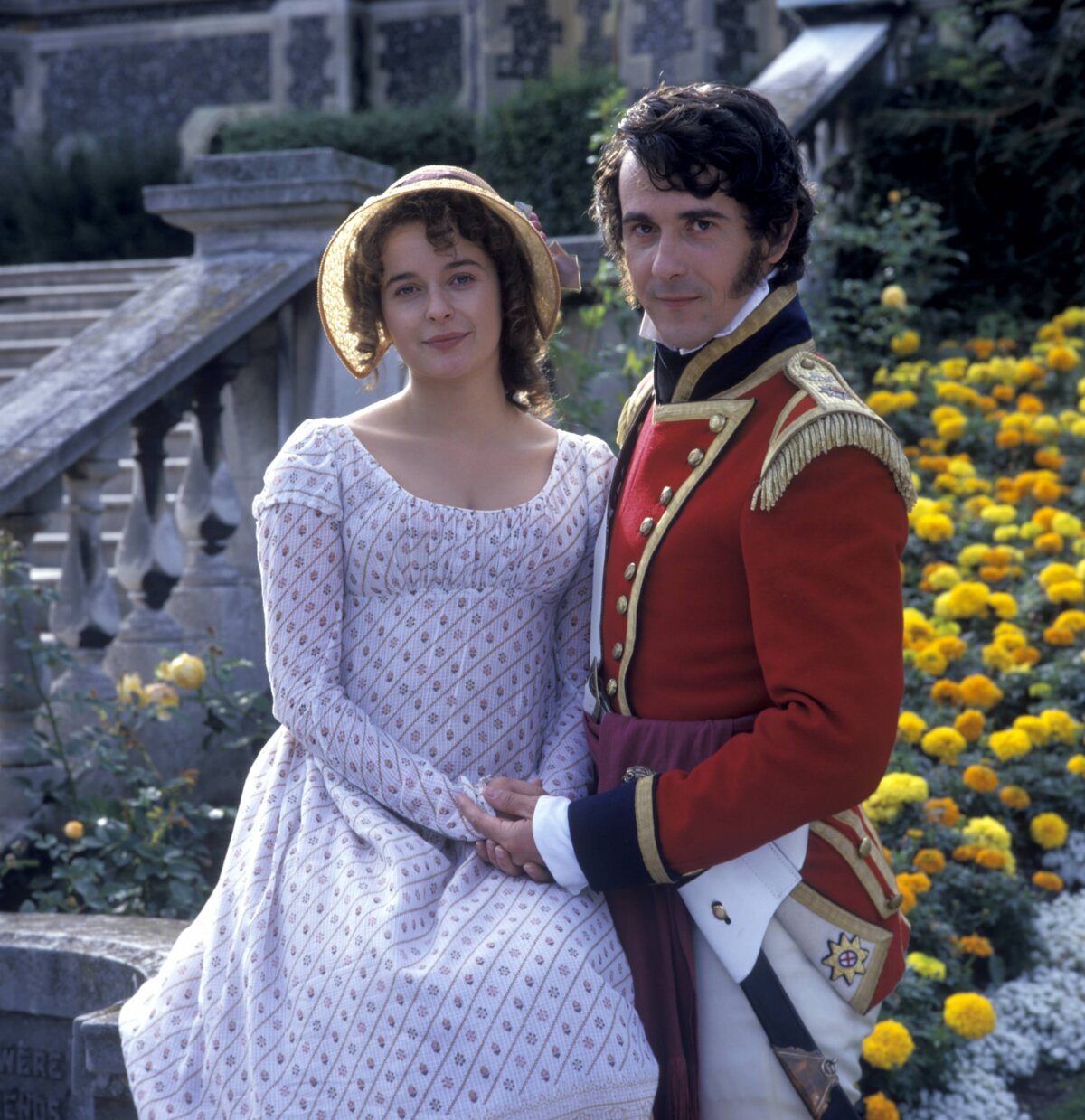
In “Pride and Prejudice,” when Lydia elopes with Mr. Wickham in selfish disregard for the consequences to her family, it sends a ripple effect throughout the family that extends to the Gardiners and Mr. Collins. Lydia’s elopement forces others to spend their time and resources in order to restore her reputation and arrange the marriage for her.
In “Northanger Abbey,” Isabella’s selfishness and disordered view of marriage, which she pursues for wealth and social status, leads her to break her engagement with James Morland in favor of Capt. Tilney. Not only does she lose the happiness and stable position she might have enjoyed, she ruins her friendship with Catherine Morland. Her actions also set off a chain of events that lead Gen. Tilney to send Catherine away from Northanger Abbey.
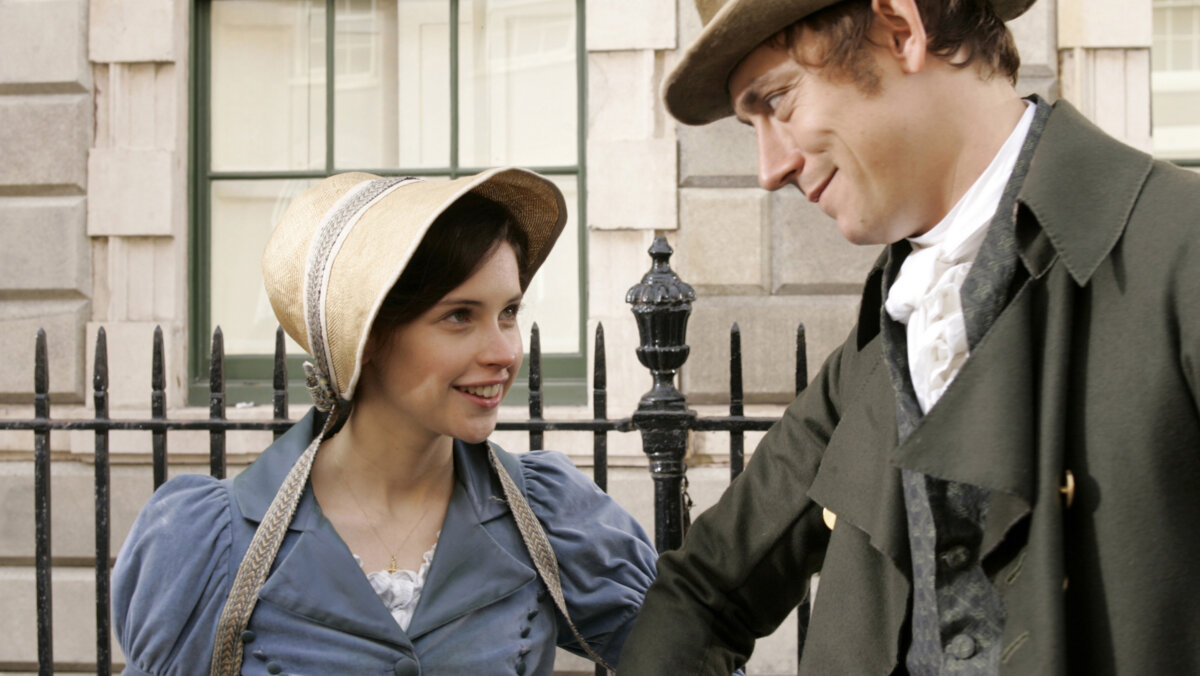
Similarly, in “Mansfield Park,” Maria’s act of adultery does more than upset her family and hurt their reputation. It also serves as the catalyst for the conversation between Edmund Bertram and Mary Crawford; Edmund’s eyes are opened to her selfishness and stops pursuing her.
In all these cases, the one who acts selfishly causes strife within the family and has little understanding of the sanctity of marriage. They end up either alone or in an unhappy marriage without the wealth they desired.
Heroism in the Everyday
Finally, one criticism often leveled against Austen’s works by modern readers is that not much of anything happens. The events which make up the major plot points are simply the occurrences one might encounter in everyday life.
But herein lies Austen’s artistry: She shows that it doesn’t require grand or spectacular events to grow in virtue or achieve happiness in life. It is the ordinary moments of everyday life that serve as opportunities for heroic virtue.
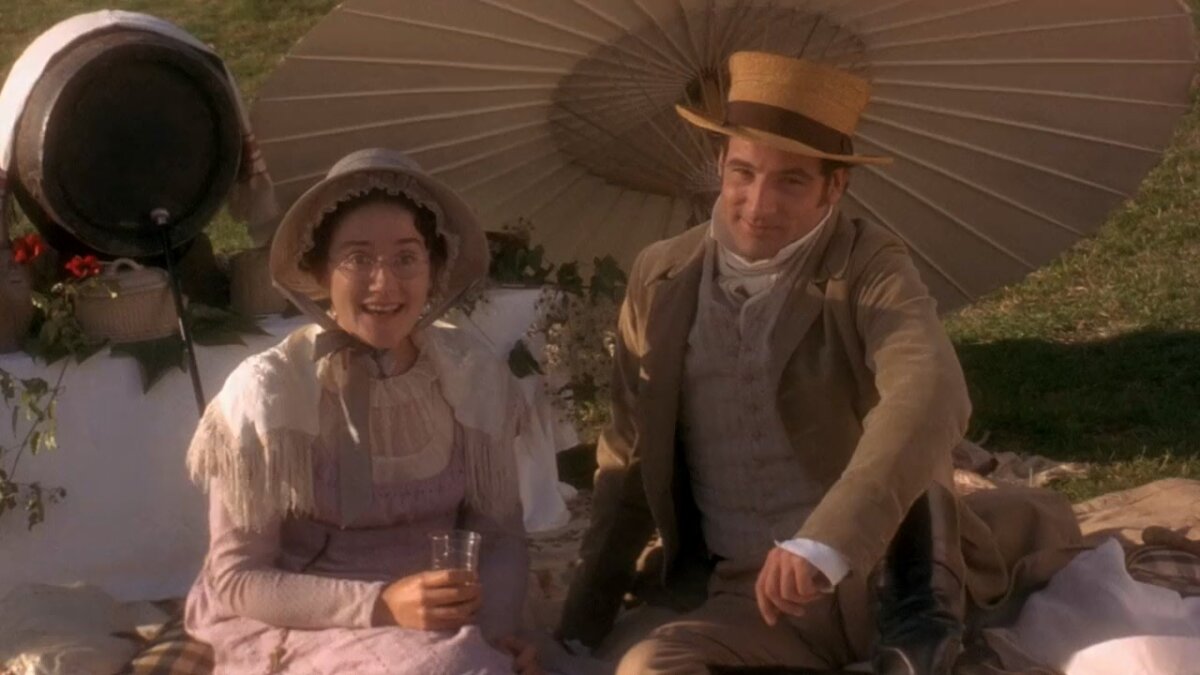
In “Emma,” the event which serves as a turning point for Emma’s character and brings about her change of heart is when she makes a thoughtless, insensitive comment to Ms. Bates. Likewise, the “Pride and Prejudice” moment of illumination and repentance for Elizabeth comes simply after reading Mr. Darcy’s letter.
It is the heroines’ receptivity and humility that allow these moments to become such catalysts for their growth as characters. From that point on, they use the opportunities afforded by daily life for small acts of service and love, and these lead to the cultivation of both their virtue and relationships.
If the combined force of these arguments should prove insufficient to a would-be reader of Austen, perhaps the added weight of the sheer beauty of her prose would be inducement enough to read her works. Part of the charm of her works is that such eloquence is used to describe everyday, minute interactions and happenings.
Austen’s beautiful writing lends a dignity and grace to everyday life that elevates the mind and makes the reader want to approach their own life with greater attentiveness and grace. Austen’s works inspire one to lend sincerity to the famous, insincere utterance of Miss Bingley: “I declare after all there is no enjoyment like reading!”
What arts and culture topics would you like us to cover? Please email ideas or feedback to features@epochtimes.nyc
