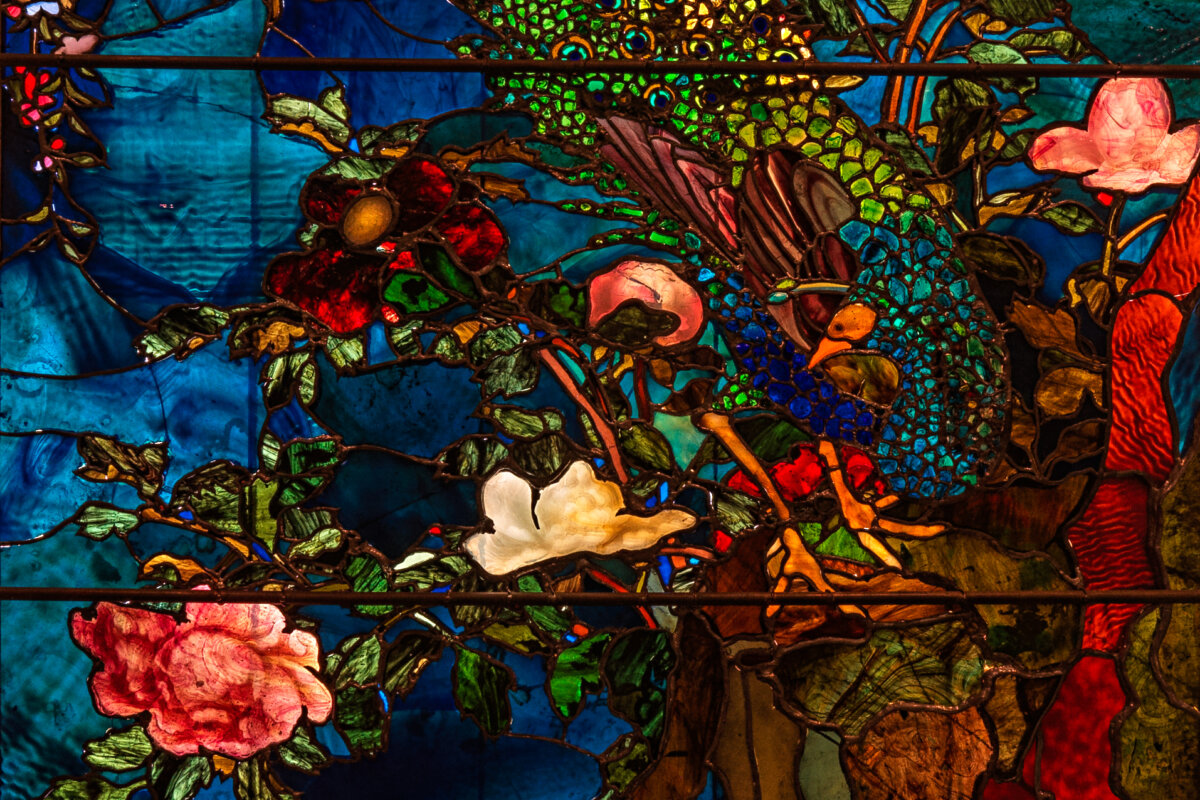
John La Farge (1835–1910) was one of the most important American artists of the 19th century. He was an accomplished painter, in both oil and watercolor, a muralist, and an illustrator; however, he achieved his greatest renown as a designer of stained glass windows.
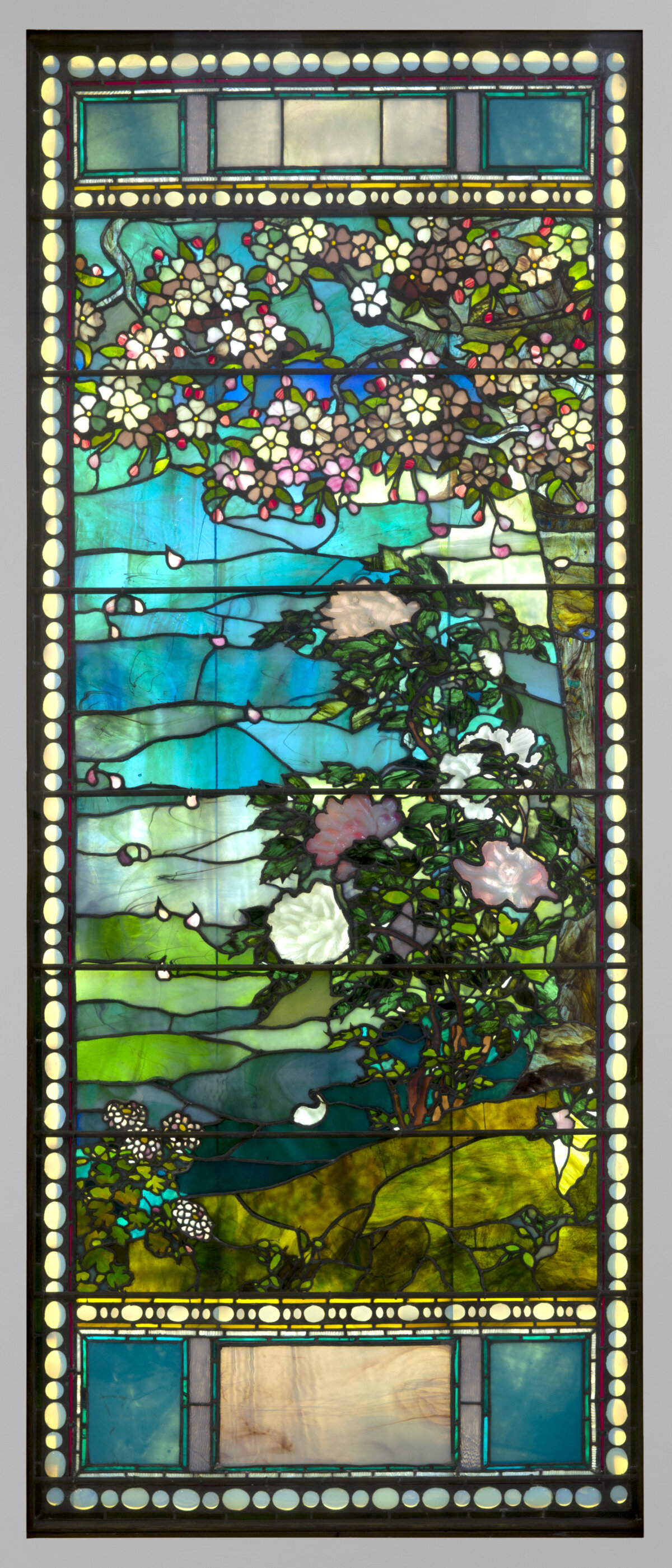
In this medium, La Farge’s only rival was his Gilded Age contemporary Louis Comfort Tiffany (1848–1933). Today, Tiffany is better known. Although he may have won the battle of name recognition, La Farge’s magnificent work deserves equal attention. Exploring a series of windows La Farge made with the subject of peonies, one marvels at his technique and aesthetic.
The Lesser Known Decorative Artist
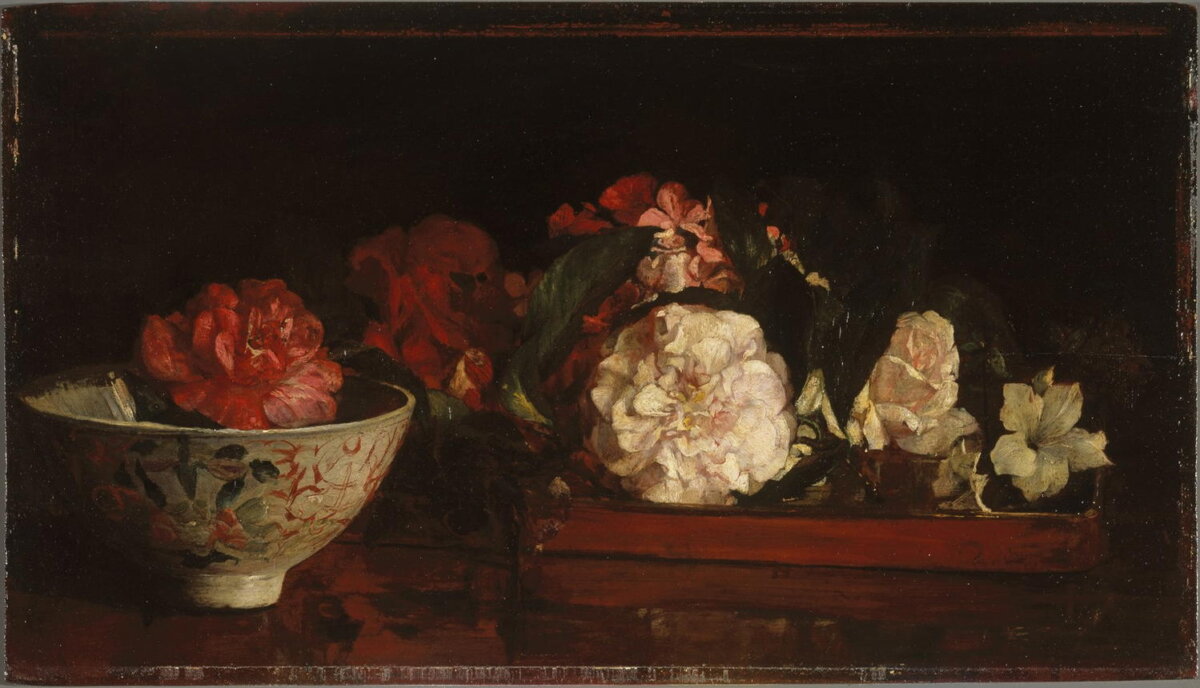
Born in New York City to a wealthy family of French origin, La Farge received his first art lessons from his maternal grandfather, a painter of miniatures. He continued artistic instruction while preparing to become a lawyer and was able to pursue painting full-time upon coming into an inheritance. During his early career, La Farge focused on easel paintings, working in the genres of still life, in which he is considered a master, and landscape.
The production of stained glass windows had remained virtually the same since the Middle Ages. Details were painted on with either enamels or dark opaque glass paints and then fired. La Farge wanted to advance the medium so that it would feature richer hues, textures, perspective, and details without the use of a paintbrush. He went on to create unprecedented windows.
Both La Farge and Tiffany used a special kind of glass in their oeuvre that they combined or layered with glass of solid color to create dazzling effects in the way a painter would build glazes of colors.
The Metropolitan Museum of Art explains, “By 1881, each had patented an opalescent glass, a unique American phenomenon, which had a milky, opaque, and sometimes rainbow-hued appearance when light shone through it.”
La Farge was the first of the two men to incorporate opalescent glass into windows and receive patents for the products. However, Tiffany was the better promoter of his name and unique art.
Japanese Influences
While La Farge studied medieval ecclesiastical windows, he looked to Asian sources for inspiration when designing his stained glass. He was one of the first Western artists to incorporate properties of lyrical Japanese designs into his work, including asymmetrical compositions and broad, flattened planes of color. His wife was the granddaughter of Commodore Matthew Perry, the American who had opened up trade between Japan and the United States, and La Farge had access to the family’s collection of Japanese art.
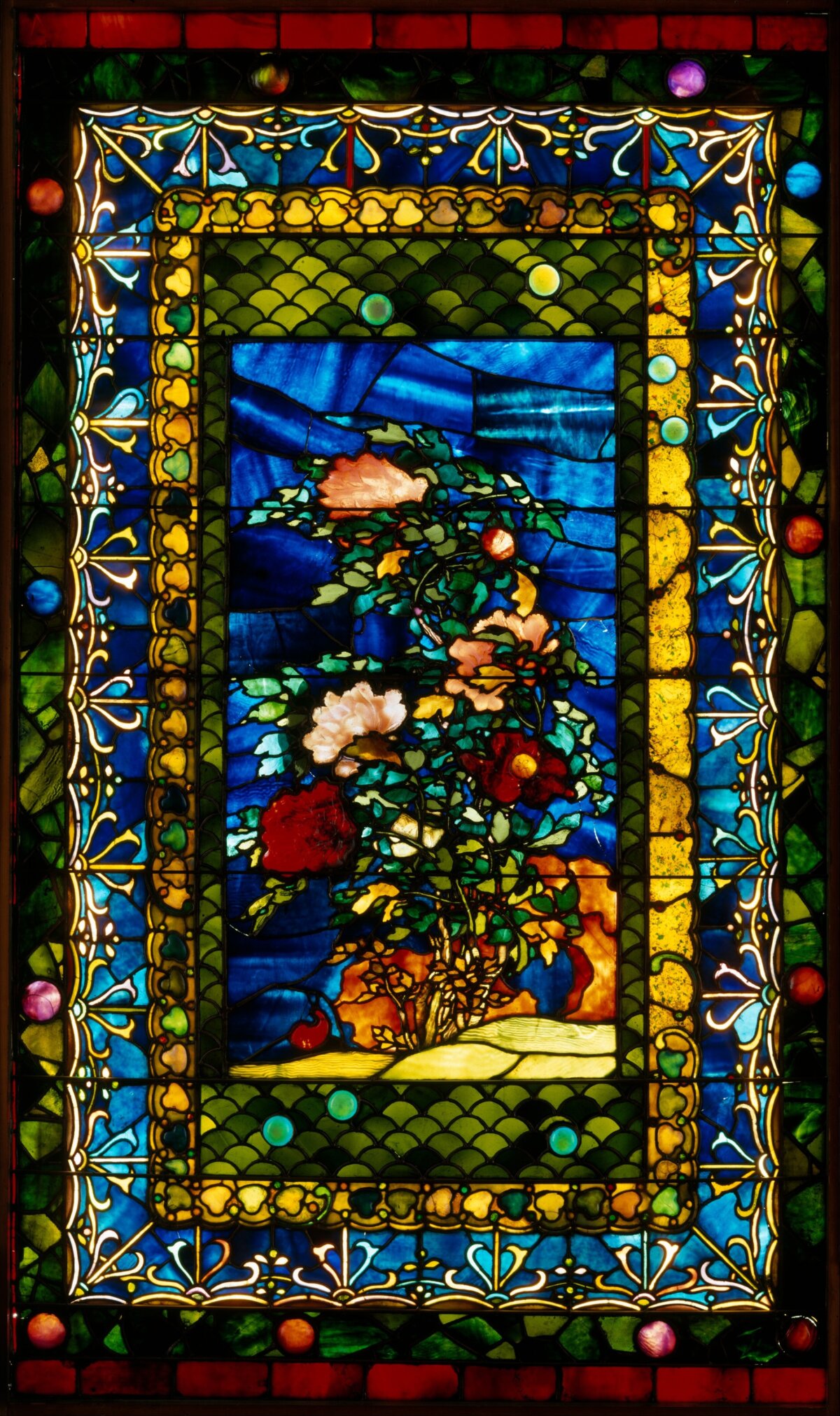
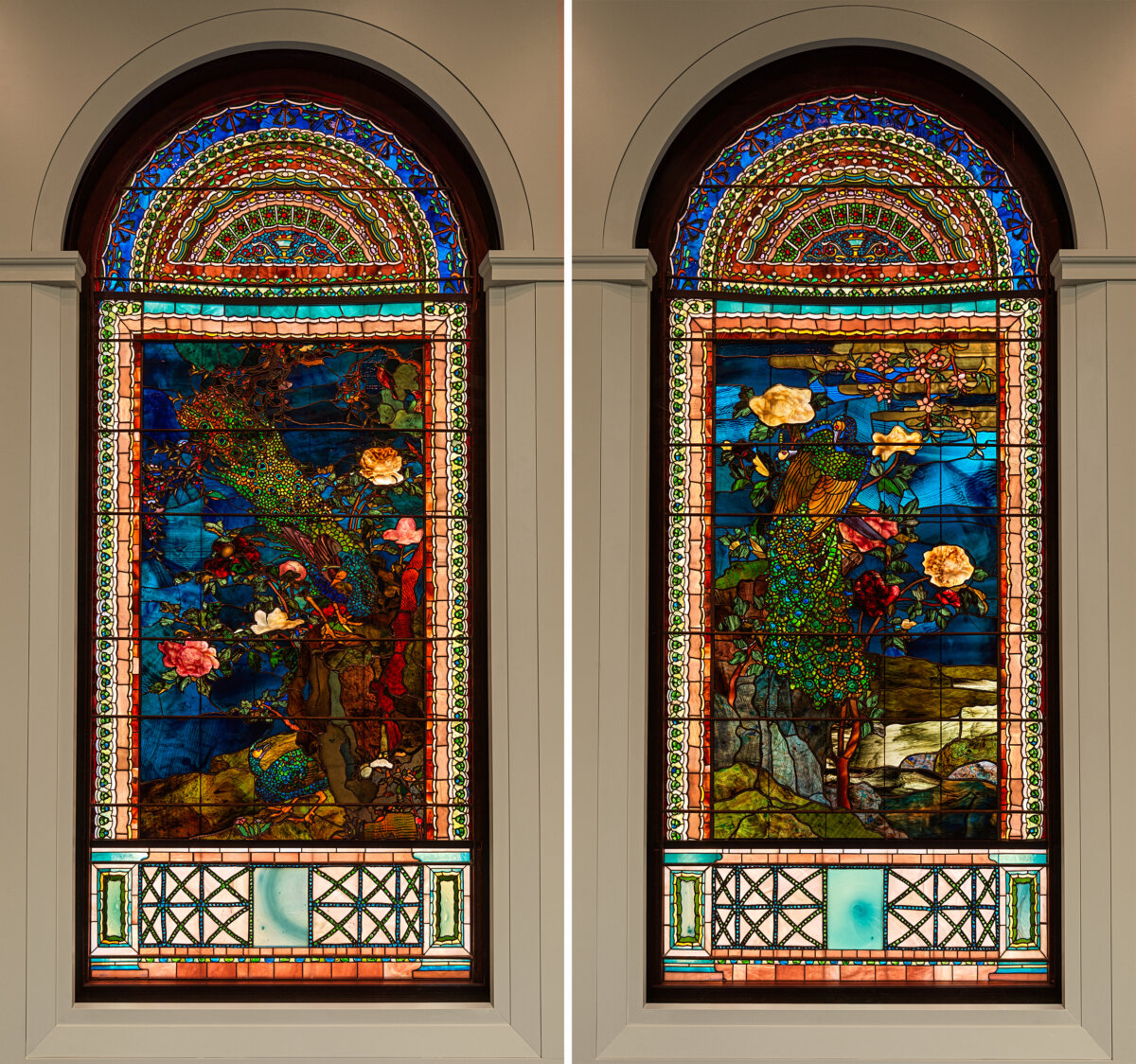
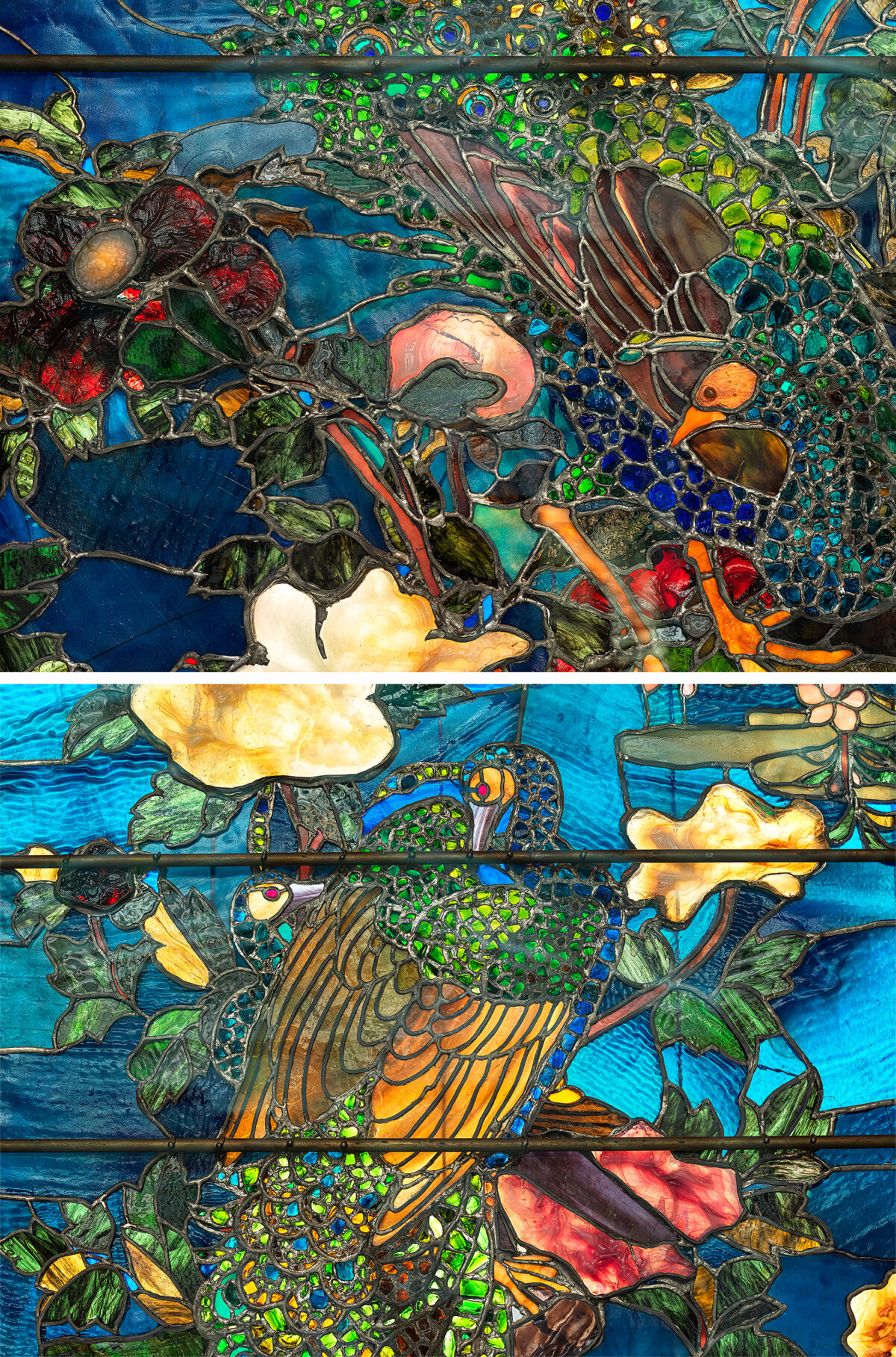
The collection of the Smithsonian American Art Museum includes “Peacocks and Peonies I” and “Peacocks and Peonies II,” both from 1882. These windows were made for the large, luxurious hall of the Boston house of Frederick Lothrop Ames, a railroad magnate. While they also depict peonies, elements in these windows differ from those in the first in the series.
The Smithsonian notes, “For the composition, he borrowed from many cultures: the central panels with the bird and flower motif evoke Chinese and Japanese screens; the lower panels emulate Pompeian architecture; and the transoms above recall the tympanum above the door to a Romanesque cathedral.”
What arts and culture topics would you like us to cover? Please email ideas or feedback to features@epochtimes.nyc.