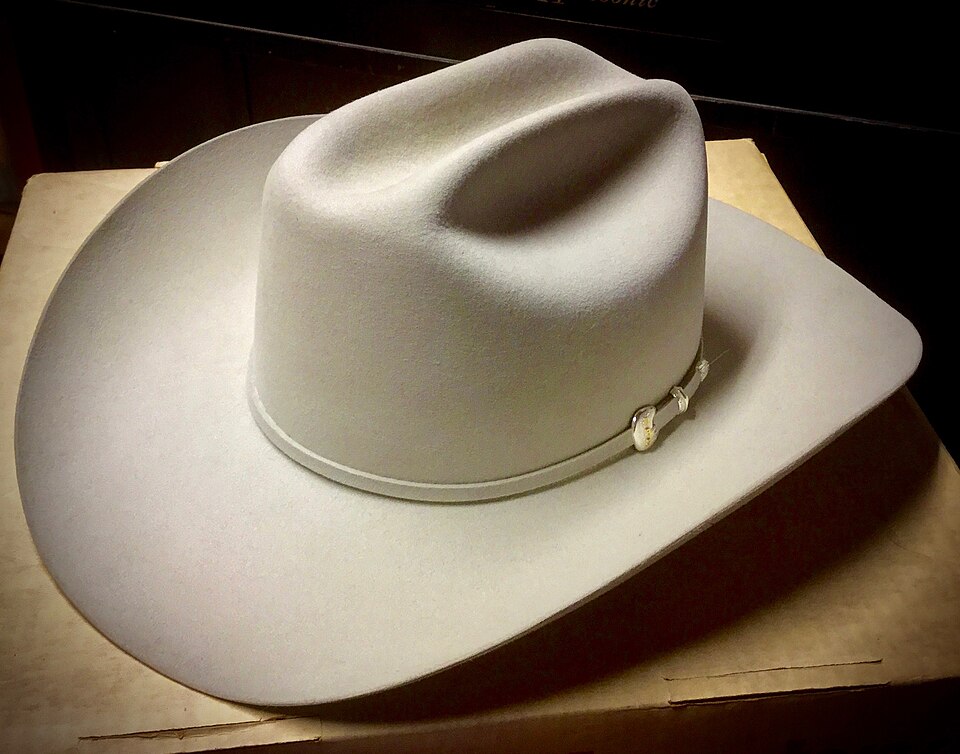
Before it became shorthand for rugged individualism—before it rode cattle drives and drifted across the silver screen—the cowboy hat was a practical fix to a stubborn problem. At the center of that solution was John B. Stetson, a New Jersey hatter’s son who turned utility into legend.
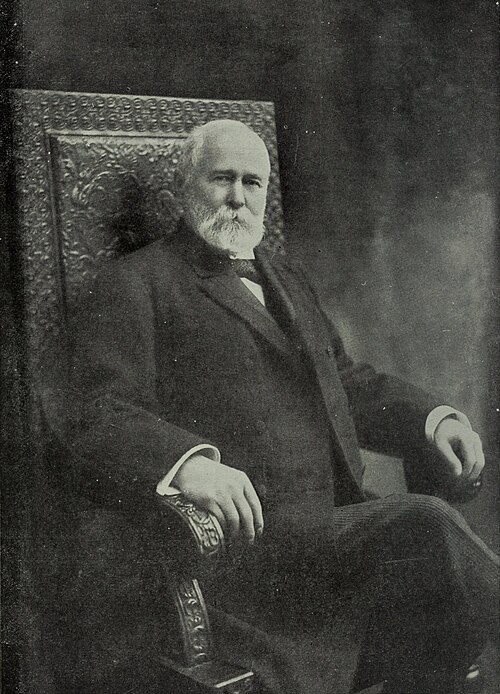
Stetson was born in 1830 in Orange, New Jersey, into a family of hat makers. His father, Stephen Stetson, made hats the old way, by hand, and John learned early how raw fibers could be coaxed into form. It was skilled work, but not glamorous. Nothing about his beginnings suggested he would help define the look of the American West.
A Practical Fix for a Harsh Land
Illness changed his trajectory. In his 20s, Stetson was diagnosed with tuberculosis and headed west, seeking drier air and second chances.
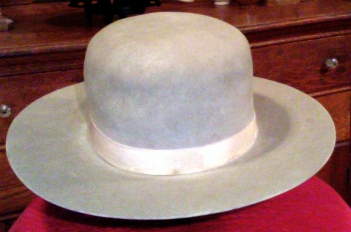
What he found was a landscape that punished weakness and rewarded practicality. The sun was relentless, storms came fast, and the cold had a way of cutting through whatever you wore. Most hats of the time—narrow-brimmed, easily misshapen—were poorly suited to that reality.
Stetson saw the gap and filled it.
Drawing on his training, he fashioned a hat from felted fur—dense, water-resistant, and durable. It had a wide, flat brim to throw shade and a high crown that gave it structure and presence. It wasn’t decorative. It didn’t need to be. It worked.
Later known as the “Boss of the Plains,” the design was almost austere in its simplicity. That, perhaps, was the point.
There’s a well-worn story that Stetson made the first version of the hat while out West, using it to demonstrate his skill. Whether embroidered over time or not, the story rings true in spirit. He understood that a good idea means little unless people can see it, hold it, trust it.
Back East: Turning Skill into a Business
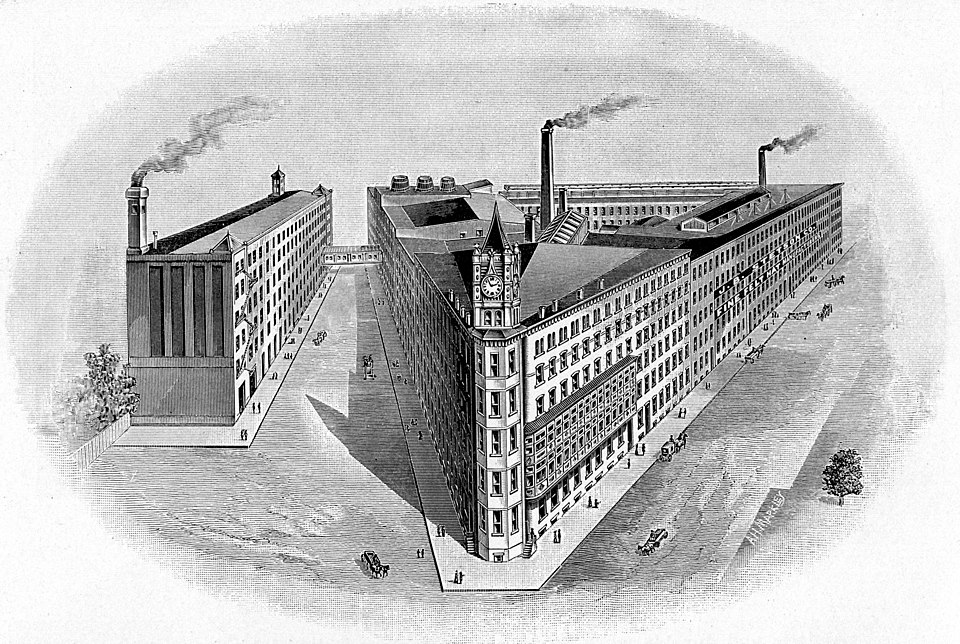
When he returned East, he didn’t slip back into the trade—he expanded it. In 1865, he opened his own factory in Philadelphia and began producing hats at scale. But scale alone wasn’t the innovation. Stetson insisted on consistency, on quality, and branding them with his name, something uncommon at the time. A Stetson wasn’t just a hat; it was a guarantee.
The West took notice.
His hats moved along rail lines and through word of mouth, landing on the heads of cowboys, ranchers, and drifters who cared less about fashion than survival. A Stetson could block the sun, shed rain, and hold its shape after hard use. It might serve as a bucket, a pillow, or a fan in a pinch. It earned its place.
Cowboys soon made the hat their own. They pinched crowns, curved brims, and added personal touches. What began as a uniform design loosened into regional styles and individual statements.
From Tool to Legend
As the mythology of the American West gathered force in the late 19th century, the Stetson rode with it. Performers like Buffalo Bill Cody carried the image into Wild West shows, projecting it far beyond the plains. The hat, once strictly functional, became symbolic—an emblem of independence, grit, and a certain cultivated bravado.
Back in Philadelphia, the business surged. Stetson’s factory grew into one of the largest hat-making operations in the world, employing thousands. Despite the scale, the product retained its identity. Every hat still traced back to the same idea: Solve the problem first and let everything else follow.
Stetson did not live to see just how far that idea would travel. He died Feb. 18, 1906. By then his company was firmly established and his name widely known. The full flowering of the cowboy hat as cultural shorthand belonged to the 20th century.
Today, the cowboy hat survives in many forms—on working ranches, on stages, in cities that have never seen open range. Its outline is unmistakable. Strip away the mythology, and you’re left with something simpler: a man, a problem, and a solution that held up.
What arts and culture topics would you like us to cover? Please email ideas or feedback to features@epochtimes.nyc