



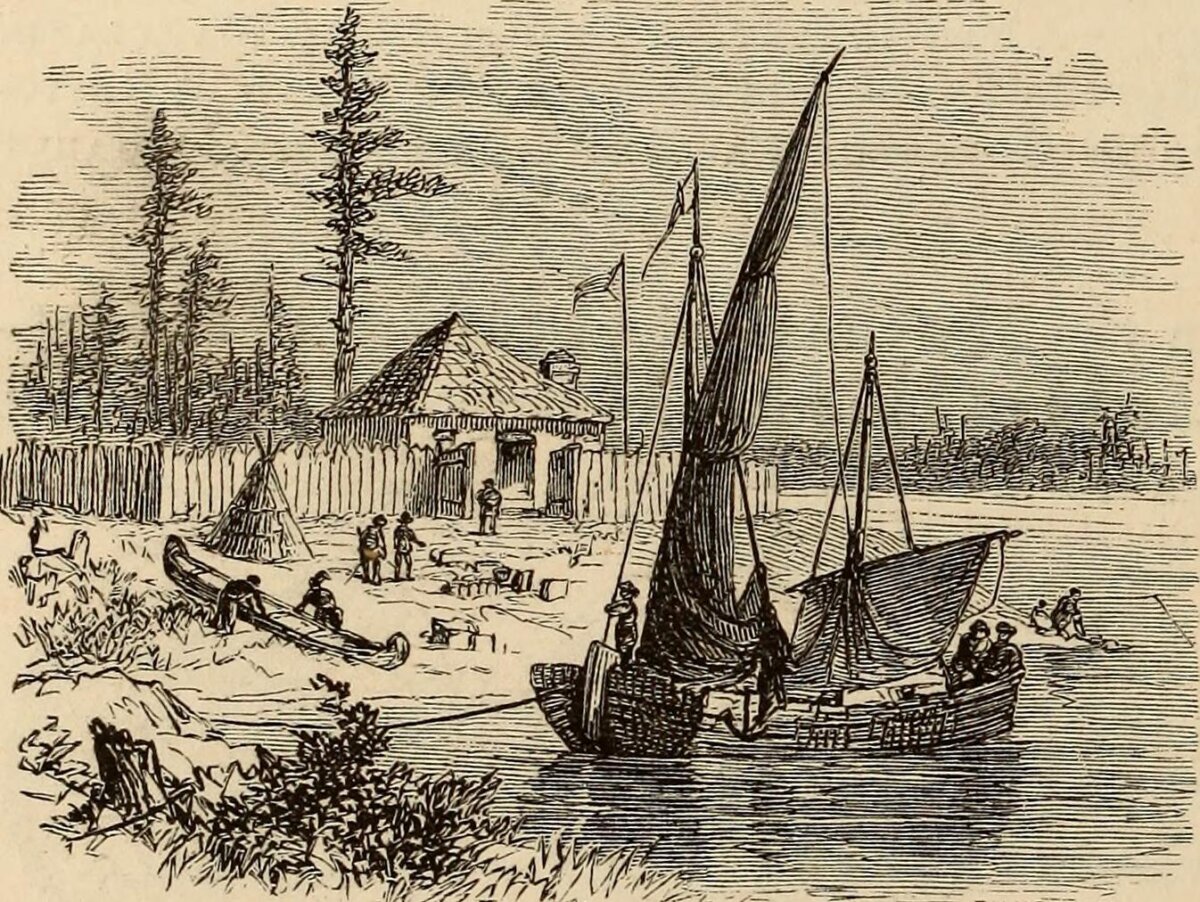
Plymouth and Jamestown are probably best known as the earliest permanent English settlements successfully established in the 1600s. With the Plymouth colony lasting more than 70 years and Jamestown nearly 100 years, these colonies had a lasting impact on early colonial America.
These early colonies expanded and went on to found new settlements in other areas. The Plymouth Colony moved outward—including, but not limited to, Duxbury and Marshfield to the north, Taunton and Bridgewater to the west, and even to Windsor in present-day Connecticut.
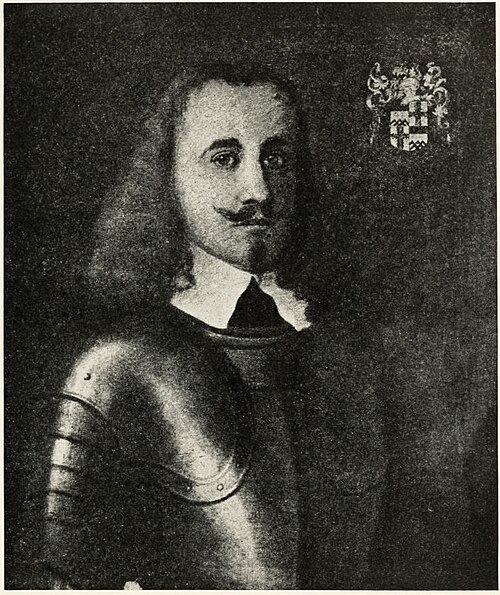
Jamestown settlers did the same. William Claiborne, who arrived in the Virginia colony in 1621 from his hometown of Kent, England, was hired as a colonial surveyor. Capt. John Smith, who explored and drew a detailed map of the Chesapeake Bay, most likely inspired the 21-year-old adventurer, who traveled up and down the bay, meeting and dealing with Native American tribes.

Six years later, Claiborne was given the license to trade in the Chesapeake area. This motivated him to boldly explore more areas, leading him to the largest island on the bay: Kent Island.
The Island Settlement
Located less than 10 miles to the east of what is now Annapolis, Maryland’s capital, Kent Island is the gateway to the state’s Eastern Shore. But before Maryland even existed, Claiborne claimed the island for Virginia in August 1631 and saw it as an ideal central location for his trading business. He established his settlement in the southern end of the island, naming it after his hometown: Kent Fort.
Claiborne arrived with a company of 16 men and one indentured woman, along with seven hired hands. According to a 1903 report by Maryland historian Bernard C. Steiner, “[Claiborne’s men] built there … a church, a windmill, a palisaded fort, and a shed for the storage of … furs. … In the precincts of the fort, they cultivated corn and tobacco, cut pipe staves, and fed cattle and hogs.” One year later, in 1632, a Protestant clergyman and his wife joined the group.
The Calverts’ Claim
Back in England, the Calvert family, granted the peerage of Lord Baltimore, received a royal charter from King Charles I “for a certain lot of land … situated north of the Virginia colony, and westward from the settlements at Plymouth and Boston.” This included both sides of the Chesapeake Bay. Aside from economic reasons, the Catholic Calverts had intended to build a religious haven for those facing persecution in England.
As the first Lord Baltimore had passed away before this gift was bestowed, it fell to his son, the second Lord Baltimore, Cecilius Calvert, to secure this new land. In 1633, he sent his brothers Leonard and George on the merchant ship Ark and the light sailing ship Dove to do just that.
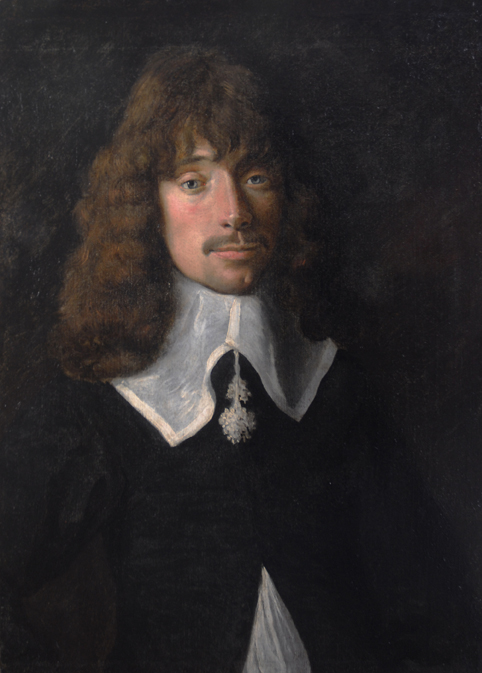
The following year, they first arrived on St. Clements Island, where a Thanksgiving Mass was offered—the first time a Catholic Mass was celebrated in the English-speaking colonies—and then went on to St. Mary’s City, where they established their settlement. St. Clements Island, located on the eastern shore of the Potomac River—the second-largest tributary of the Chesapeake Bay—is often referred to as the birthplace of Maryland.
The Calverts had heard of Claiborne’s occupation of Kent Island, which fell within the boundaries of the charter granted to them. They informed Claiborne that he was now a tenant and would need to apply for a license to trade in the Province of Maryland. Profits from trade with Native American tribes now rightfully belonged to the Calverts.
Claiborne Fights Back
Needless to say, Claiborne refused to acknowledge the Calvert family’s authority over Kent Island. Even the Virginia Gov. John Harvey withdrew his support of Claiborne due to political pressure. After all, who would want to go against the English king!
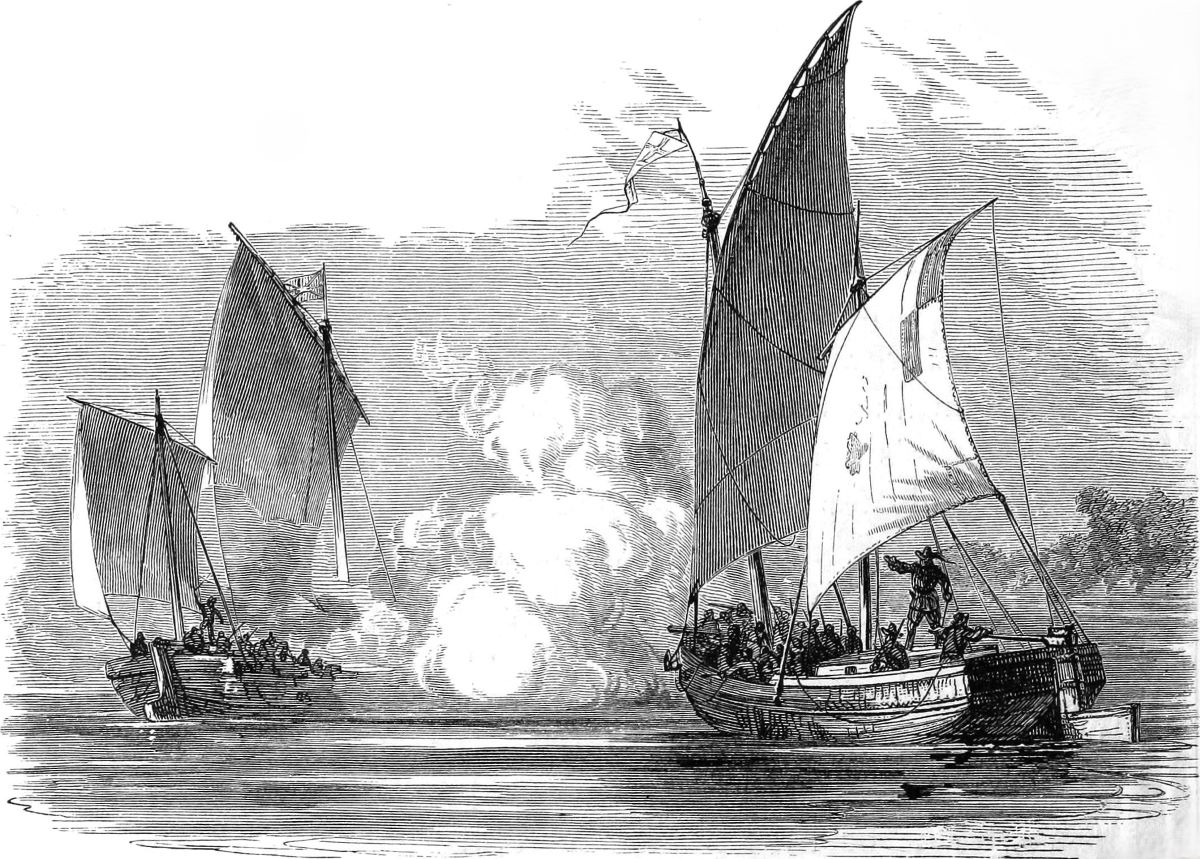
A long legal battle ensued, in which Claiborne reiterated his claim over Kent Island. Tensions between the Kent Fort and St. Mary factions rose. On April 5, 1635, Claiborne sent Capt. Thomas Smith on a light sailing ship, the Long Tayle, to trade with Native Americans near St. Mary’s City. They encountered Calvert’s men, leading to the boat being confiscated and the Kent folks borrowing a canoe to row back to the island.
More than two weeks later, Claiborne’s Lt. Warren was sailing along the Pocomoke River on the armed sloop Cockatrice when he spotted one of Calvert’s ships. Warren tried to sneak up on the big ship but discovered too late that another Maryland ship was nearby. The Virginian ship fired first, killing a Marylander. The Maryland ships returned fire, killing the captain and a few others. The remaining crew surrendered. The battle was brief and is now known as the Battle of Pocomoke Sound, one of the first recorded naval battles on North American shores—between Englishmen at that.
Later that same year, Claiborne’s Long Tayle, helmed this time by his brother-in-law John Butler, seized a Maryland ship laden with goods headed for the Eastern Shore. Coupled with the attacks on Calvert’s ships, Claiborne’s men were condemned as “felon pyrates and murthers” by the Maryland General Assembly. As such, Claiborne’s associates became the first documented pirates in the Chesapeake. Though he was accused but not convicted of piracy, his land and goods were confiscated, and his reputation was destroyed.
While Claiborne was in England in 1638, trying to reclaim his rights to Kent Fort, the Calverts occupied Kent Island. The legal dispute was not resolved until 1652, when English courts finally ruled in favor of the Calvert family.
Clearing the Air
Though history itself has been written by the events and circumstances of the past, some questions remain: Is St. Mary’s City really Maryland’s first settlement, or is it Kent Island? With the overlap of the Virginia and Maryland territories, where does Claiborne’s Kent Island settlement fall? And were the charges of piracy and murder justified?
In an interview with John Conley, a board member of the Kent Island Heritage Society, he clarified that although Kent Island was settled before St. Mary’s City, it was settled under the Virginia charter. It is, therefore, “safe to say that [Kent Island] is the oldest English settlement in today’s Maryland.”
Conley also shared that in 1917, more than 280 years after Kent Island was settled, a descendant of Claiborne, John Herbert Claiborne, argued in a book about his ancestor that the charter granted to Lord Baltimore allowed claims only to lands “not yet cultivated and in possession of savages or barbarians having no knowledge of the Devine [sic] Being.” By the time the Calverts arrived, Kent Island already had a church and a Protestant minister.
He also defended his ancestor, saying that because the legal claim had not been settled until 1652, the Calverts committed “an act of unjustifiable robbery” when they occupied Kent Fort. He concluded that Claiborne should not have been charged with piracy. Conley agreed, saying that Claiborne was more of “a rebel, not a pirate.”
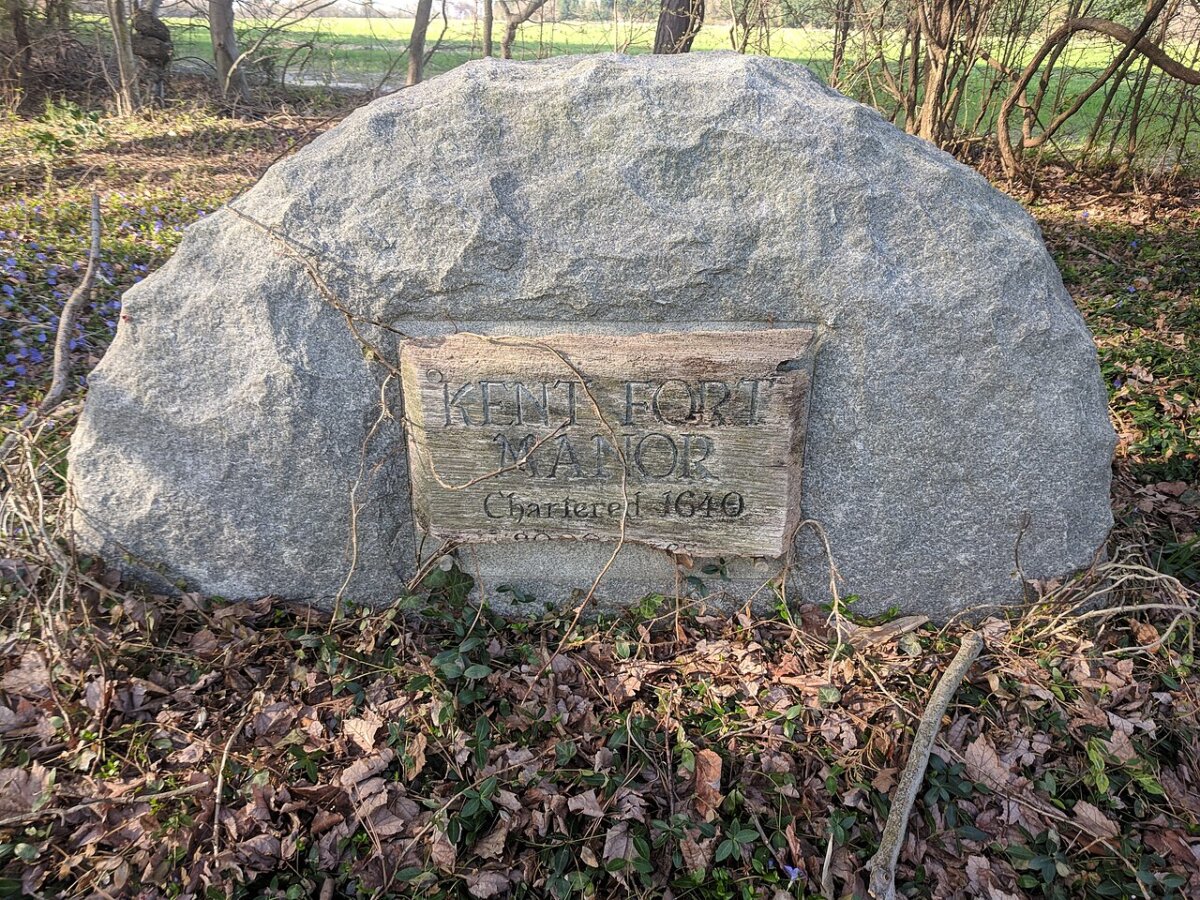
Today, the approximate site of Kent Fort is marked by a stone on what is now farmland. Though the exact location continues to elude historians and archaeologists, finds of fused beads and early accounts from manuscripts and land grants paperwork point to its general location. A collaboration between current landowners and the archaeological community will be necessary to commence excavation. Hopefully, this occurs sooner rather than later, before this part of history is lost.
What arts and culture topics would you like us to cover? Please email ideas or feedback to features@epochtimes.nyc.
