Depicting a historical figure on film is a difficult task. When that individual is revered as a noble or holy person, the task is much harder. Perhaps the hardest individual to present in a movie is Jesus Christ. It’s no easy feat to ask an actor to play a man who is considered by many to be the Son of God.
As Hollywood grew more influential in the 20th century, serious-minded audiences often wondered why filmmakers insisted on focusing on dark, sinful, and crime-based stories.
Religious epics were time-consuming to make and to watch, and they were either big hits or big flops. Cecil B. DeMille is still remembered for his groundbreaking biblical epics, like “The Ten Commandments.” However, after DeMille’s 1927 silent film “King of Kings,” Hollywood avoided films for decades that actually depicted Jesus Christ with an actor.
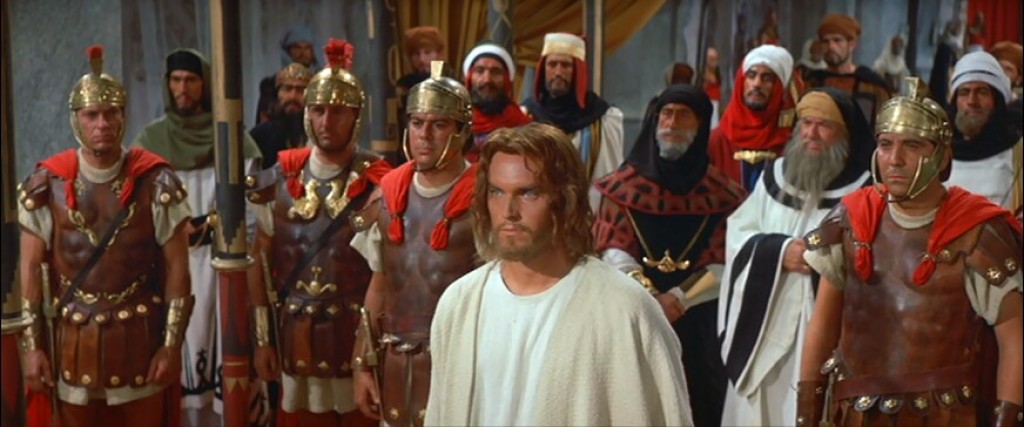
All that changed in the 1960s with two big budget films about the Messiah’s life, which were epic in both length and cost: “King of Kings” (1961) and “The Greatest Story Ever Told” (1965).
The Hardest Story Ever Told
Hollywood avoided casting an actor as Christ for years after H.B. Warner attempted the role in the 1927 film and this was viewed as being disrespectful.
“King of Kings” cast the fresh-faced Jeffrey Hunter in the starring role, as he was already an established American actor. Although the bright-eyed thespian was 33 at the time of filming, the age when Jesus died, he looks too boyish to embody God incarnate. IMDb (Internet Movie Database) notes that the film was derisively nicknamed “I Was a Teenage Jesus.”
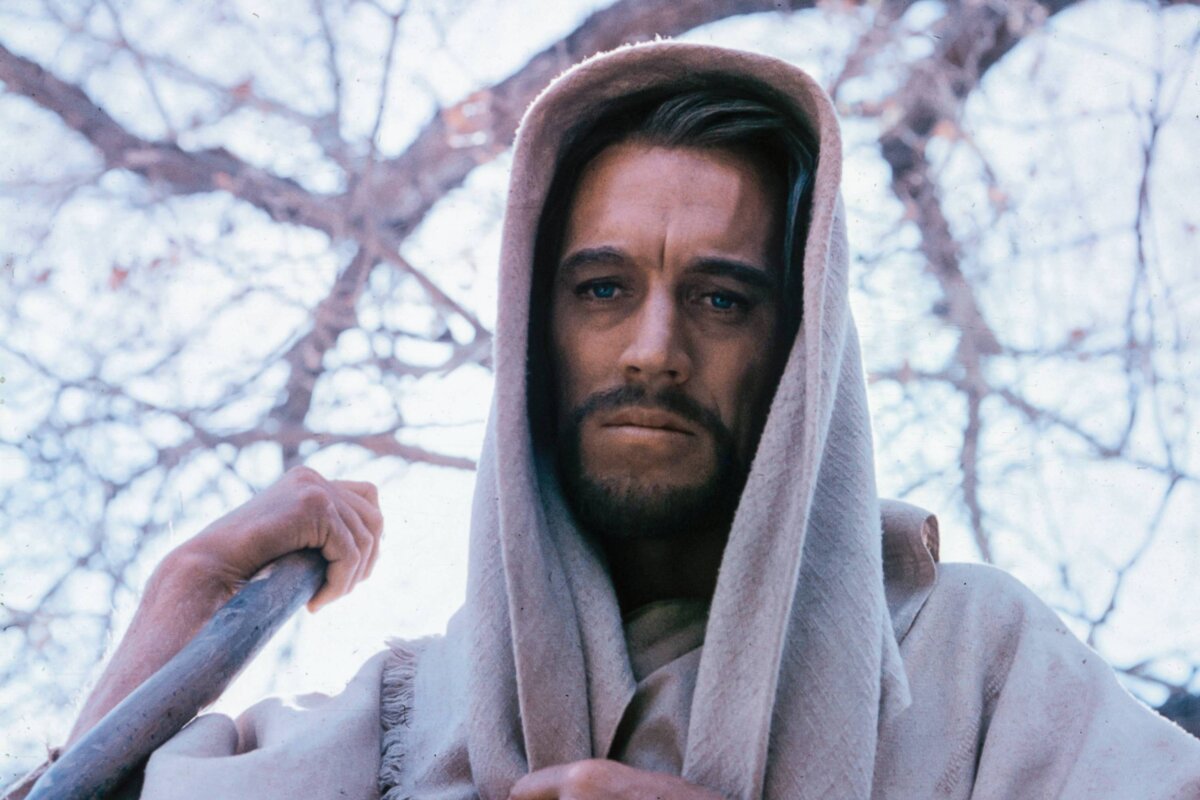
When George Stevens made “The Greatest Story Ever Told” a few years later, he sought more anonymity for his central character by casting an actor who wouldn’t be recognizable to American audiences: Max von Sydow. This Swedish actor has the mature, drawn appearance most people associate with Jesus, and his vaguely foreign accent gives his speech dignity.
Nevertheless, Stevens’s use of unknown actor to play Christ seems like a futile effort when he’s surrounded by a veritable Hollywood who’s who of stars in almost cameo appearances. This prompted prominent film critic Bosley Crowther to write: “The most distracting nonsense is the pop-up of familiar faces in so-called cameo roles, jarring the illusion.”
Although it shared the name of the 1927 film, the 1961 movie wasn’t a remake. It wasn’t even directly related to that film aside from the fact that both movies were supposedly based on biblical accounts of Jesus’s life.
The development of “King of Kings” began in 1951 with director John Farrow’s proposed film “Son of Man.” Farrow quit the project in 1959 over creative differences as production began to take it in different directions from his vision. Ultimately, Nicholas Ray directed, and Philip Yordan wrote the script, which was based on the four Gospels.
The 1965 film was based on Fulton Oursler’s 1949 novel “The Greatest Story Ever Told.” The film began as a half-hour radio series in 1947 written by Henry Denker based on the four Gospels. George Stevens produced and directed the film, co-writing the screenplay with James Lee Barrett.
The Longest Story Ever Told
“King of Kings” is 2 hours and 48 minutes long. “The Greatest Story Ever Told” was 4 hours and 20 minutes in its original release length. The latter film has been cut several times over the years, but even the shortest version is over 3 hours long.
The excessive runtime is to be expected due to this story’s epic proportions, yet the frustrating element of both films is how much the sprawling script still overlooked.
“King of Kings” runs 13 minutes before the story of Jesus’s birth even enters the plot, as Joseph and Mary are crossing the desert. After that, another 21 minutes passes before Jesus as an adult (Hunter) enters the story. The film’s extended opening is dedicated to “setting the scene.” The disjunct depiction of historical events involves Roman and Jewish leaders in the days leading up to Christ’s birth.
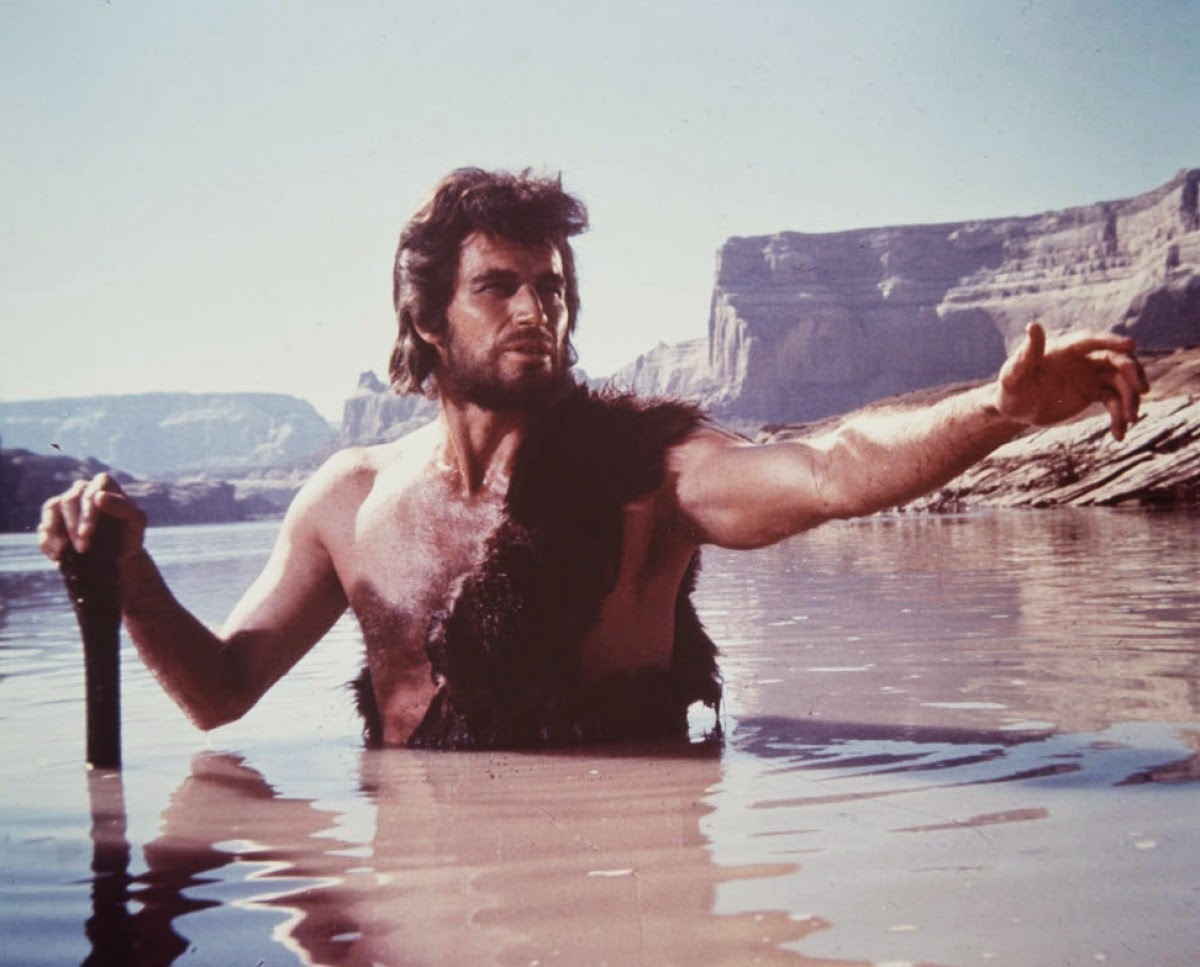
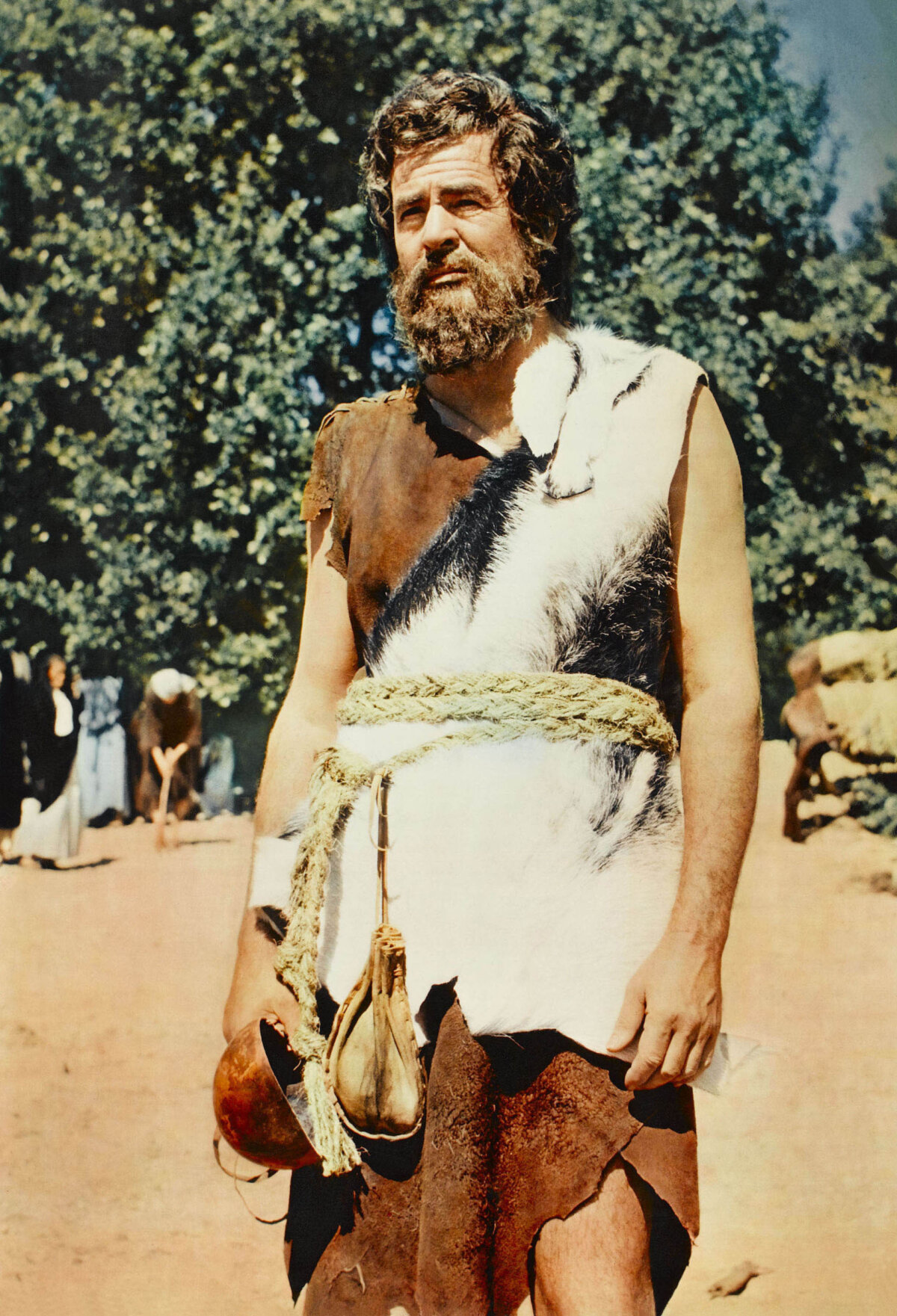
Once the film gets into the timeline of Jesus’s life, much screentime is dedicated to figures who received only a few lines of mention in the Bible. For instance, there’s an extended subplot about John the Baptist (Robert Ryan), who looks decades older than his six-month-younger Messianic cousin). The plot was lifted directly from Oscar Wilde’s play “Salome.”
One of the most important characters later in the film is Barabbas (Harry Guardino), a seditious murderer whose release was demanded by the crowd instead of Jesus in the Bible; this film depicts him as a violent counterpart to Jesus and a close ally of Judas Iscariot, Christ’s betrayer.
“The Greatest Story Ever Told” starts with more promise, showing a dramatic tableau of the infant in the manger. The action starts dramatically. An aged Claude Rains gives his powerful final film performance as the elderly King Herod. However, the 60-odd other stars of varying fame aren’t as effective in their roles.
From a surprisingly understated Dorothy McGuire as Mother Mary to a comically intense Charlton Heston as John the Baptist, many of these talented stars were illogical or downright bad choices for the roles in which they were cast.
The most infamous of such cameos in this or any other biblical epic was the one-line appearance of John Wayne (yes, THE John Wayne) as the centurion who proclaims Christ’s divinity after his crucifixion.
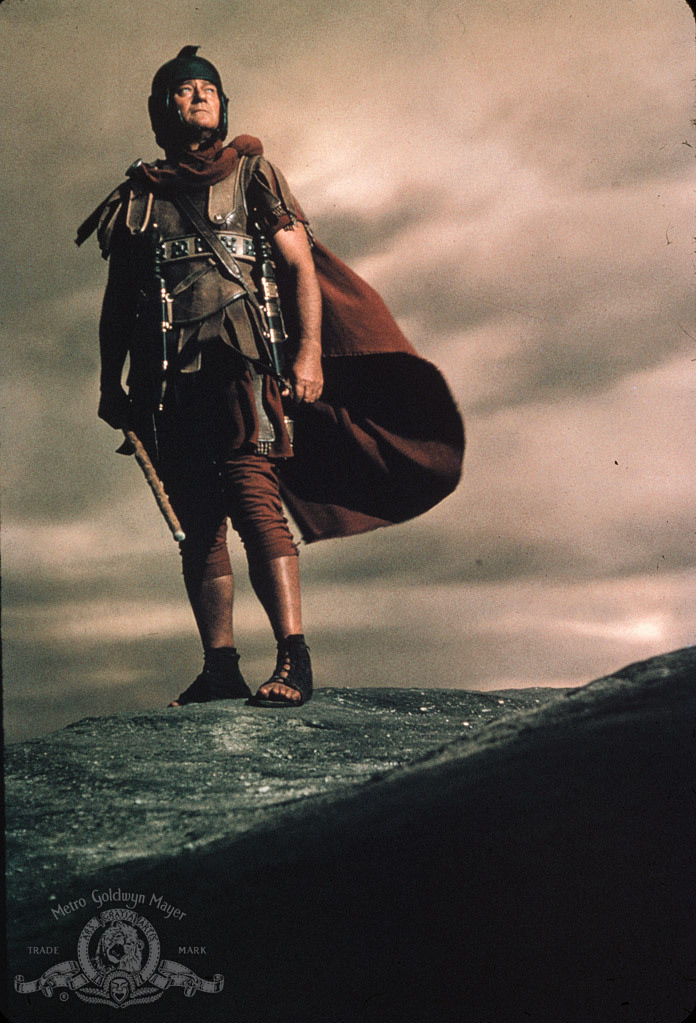
While not as obvious as in the earlier film, “The Greatest Story Ever Told” had its share of Hollywood’s additions to liturgical tradition; this served only to draw time and attention away from events described in the Gospels.
Both films inexplicably passed over some of Jesus’s most dramatic miracles, like turning water into wine, walking on the water, and feeding a crowd of 5000. Instead, the later film spent a significant amount of screentime on an unbelieving cripple who becomes a faithful follower after his healing (Sal Mineo); a blind man from Nazareth who is miraculously healed (Ed Wynn); and an unidentified onlooker who keeps popping up in dramatic closeups (Van Heflin). It’s especially hard to take Wynn’s dramatic performance seriously if you have any awareness of his celebrity as a comedian.
Two Valuable Portraits
These films are ironic contradictions. “King of Kings” was poorly received by critics, yet it was a box office success. On the other hand, “The Greatest Story Ever Told” received generally favorable response from critics, yet it was a box office failure.
Poor box office singlehandedly halted the production of biblical epics because of its inability to resonate with audiences. Both films leave much to be desired in terms of scriptural accuracy and the most respectful depiction of Christ possible.
Nevertheless, each of these films has a deep intrinsic value for viewers, especially at Eastertime. While Christmastime fills every shopping center and radio station with beloved carols to remind us of the holiday’s sacred roots, Easter has been completely taken over by bunnies and chocolate eggs in pop culture.
Films that depict the Passion of Christ remind us of the season’s traditional meaning, even when less than religiously accurate.
Whether you’re a devout Christian or an agnostic who wants to learn more about the life of Jesus, both of these movies are dramatic, gripping portraits of Christ’s life. They can spark deep conversations and will inspire viewers to search the scriptures to discover the stories for themselves.
What arts and culture topics would you like us to cover? Please email ideas or feedback to features@epochtimes.nyc