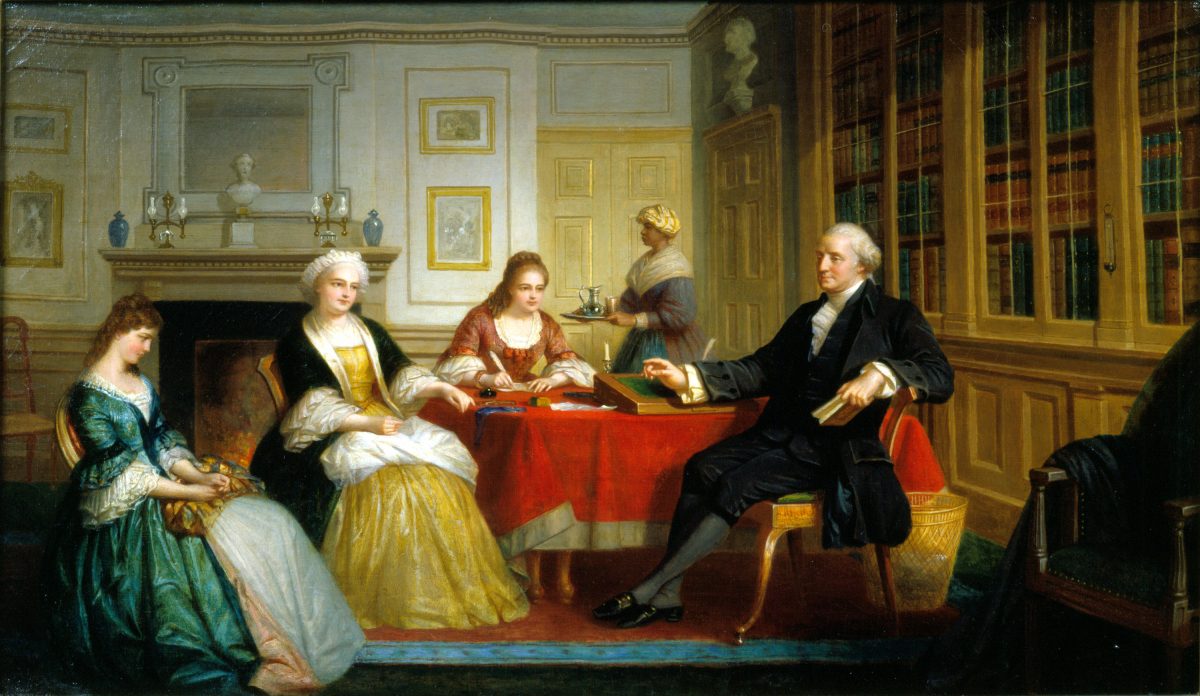
In 1789, the very first first lady of the United States, Martha Washington (1731–1802), wrote to Mercy Otis Warren—a writer and strong supporter of American liberty—describing her longing for home, Mount Vernon. Near the end of the letter, she added a remark that neatly summed up the quiet grit behind the sacrifices she had made for her country:
“I am still determined to be cheerful and to be happy in whatever situation I may be, for I have also learnt from experiance that the greater part of happiness or misary depends upon our dispositions and not upon our circumstances; we carry the seeds of one, or the other about with us, in our minds, wherever we go.”
It was a philosophy that served her well in peace and in war.
Becoming Mrs. Washington
The daughter of John and Frances Dandridge, Martha grew up about 35 miles from Williamsburg, Virginia’s colonial capital. As a girl, she rode horses, practiced social skills, and learned to read and write. She grew into a strong-willed, bright, charming, and attractive young woman, with a penchant for reading the Bible daily.
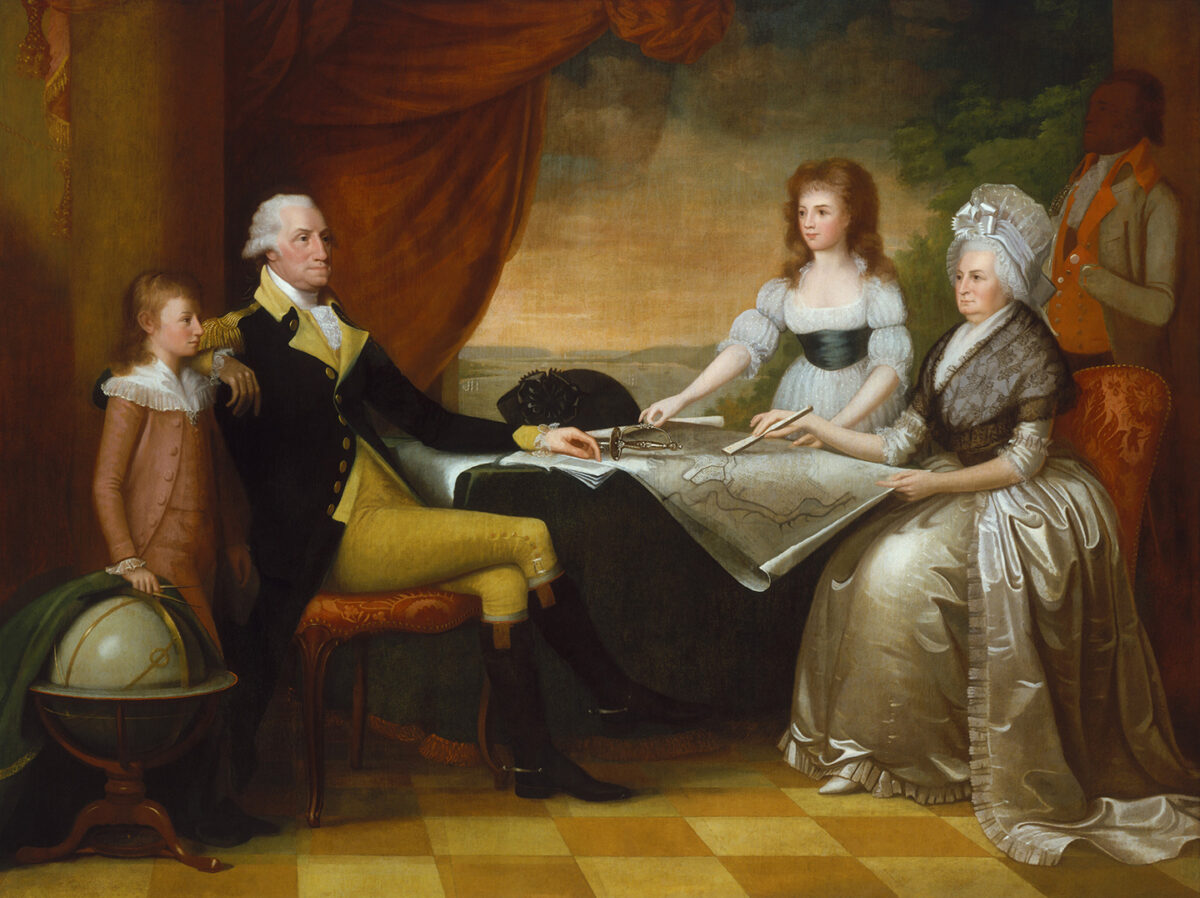
At 18, Martha met Daniel Custis, who was 20 years older and the son of a wealthy landowner. At first, the elder Custis opposed the marriage, considering the Dandridges a cut below in the social strata, but he eventually gave way, and the couple married in 1750. Daniel Custis died just seven years later, leaving Martha the mother of four young children, all of whom she would outlive. With her husband’s death, she also became the owner of more than 17,500 acres of land and several hundred slaves, making her one of the wealthiest women in the colonies.
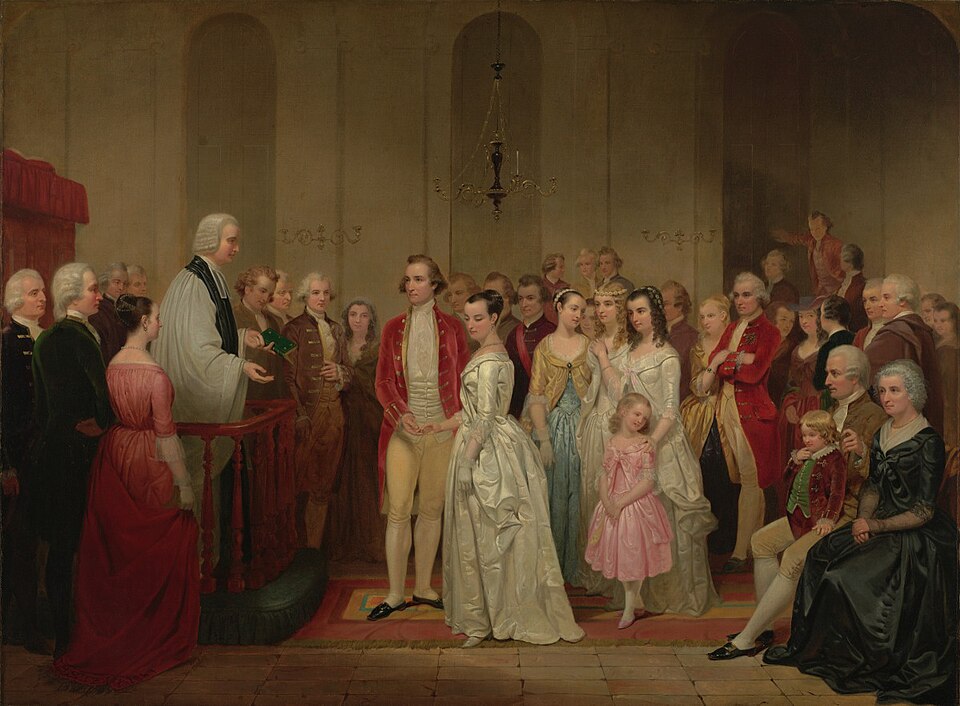
In 1759, Martha married Gen. George Washington, and they made Mount Vernon their permanent home. Evidence shows the two were attracted to each other and that this attraction deepened with the passing years. When war with Britain erupted and Washington became the general of the American forces, Martha, an ardent patriot, played a key role in his command.
The Lady Goes to War
While her heart remained fixed on home, at her husband’s urging, Martha spent about half of the Revolutionary War in winter quarters with Washington, his officers, and men. Before her first such adventure, she had to be inoculated against smallpox, a new procedure that would protect her from that highly contagious disease.
While wives of other high-ranking officers often joined their husbands in winter quarters, Martha is the premier example of their importance to the cause. For months at a time, she boosted the morale of her husband and the troops. She brought the soldiers clothing and medicine, tended the sick and wounded, and added a touch of grace to the rough quarters. In 1780, she also helped raise money for the soldiers, increasing public awareness of the part she played in the fight for liberty.
Washington considered Martha’s role so critical that he arranged for Congress to pay for her travel during visits to the camps.
No Rest for the Weary
With the war over, Martha looked forward to the peace of the plantation beside the Potomac River. Yet when the nation called for Washington to become its first president, she put aside these longings for home, and joined him, first in New York City, for this inauguration, and then in Philadelphia, when the nation’s capital shifted there. During the first year of her husband’s term, she wrote to her niece Fanny of the constraints accompanying her position: “I think I am more like a state prisoner than anything else, there is certain bounds set for me which I must not depart from.”
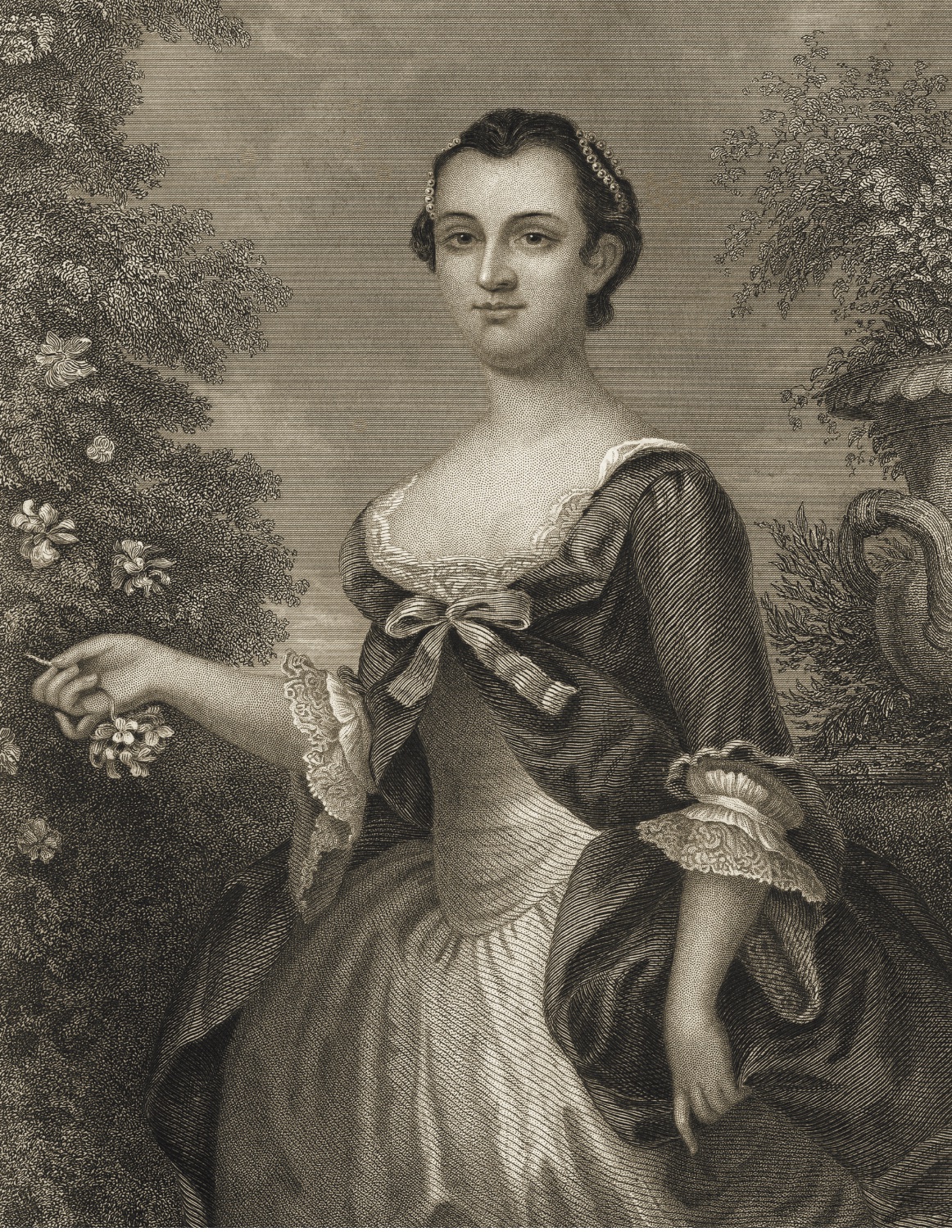
In her letter to Mercy Warren, she wrote: “I little thought when the war was finished, that any circumstances could possible have happened which would call the General into public life again. I had anticipated, that from this moment we should have been left to grow old in solitude and tranquility togather: that was, my Dear madame, the first and dearest wish of my heart.”
She noted that her husband was “perfectly in unison” with her preference for private life, yet she wrote: “I cannot blame him for having acted according to his ideas in obaying the voice of his country.” When the country later called for a second term, Martha, again disappointed but also understanding of the young nation’s need of her husband, answered that call as well.
Legacy
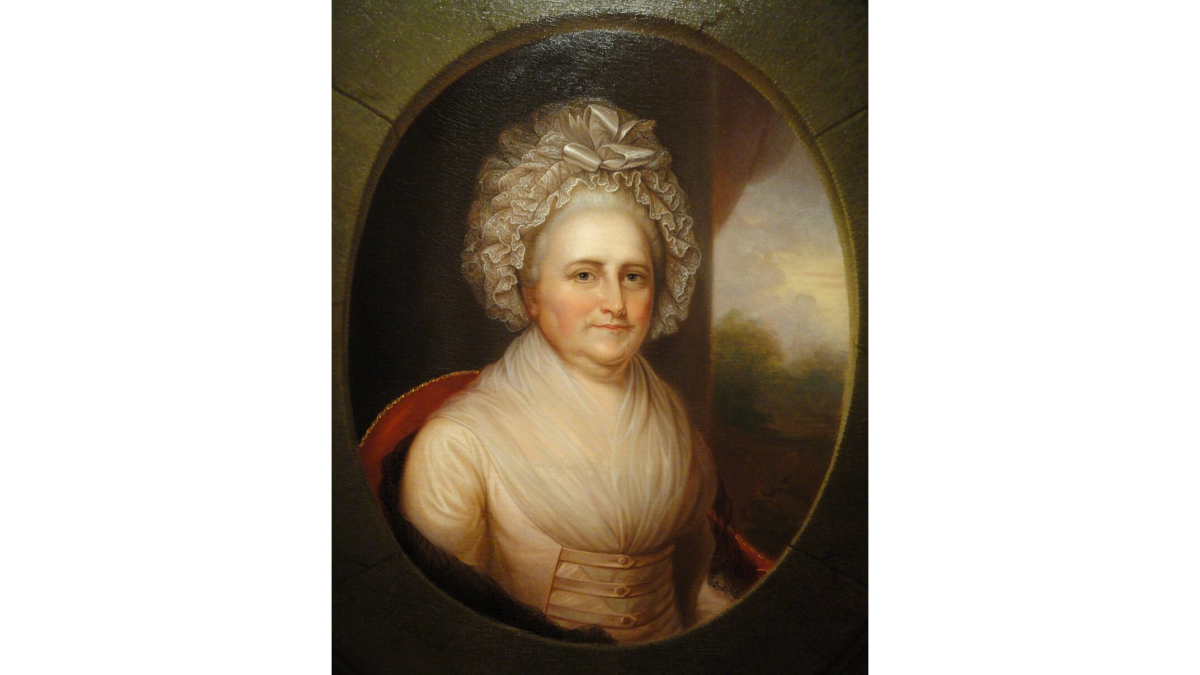
Martha was acutely aware that the practices and policies she set as first lady would become precedents. She brought charm, kindness, and grace to her position. She hosted weekly receptions that allowed members of Congress and local citizens to meet her husband. For formal affairs, she arranged the dinners and helped direct the conversations. Guests generally referred to her as “Lady Washington,” though some also called her by the awkward title, “our Lady Presidentess.”
Perhaps her greatest contribution was to give up her desire for private life for her country. The best of America’s first ladies have shown that same spirit of sacrifice.
Following her husband’s death in 1799, Martha aged rapidly. She moved from their shared bed chamber to a smaller room, openly wept at his loss, and seemed ready for death when it came. A short obituary in a Georgia newspaper summed up her character: “To those amiable and christian virtues, which adorn the female character, she added dignity of manners, superiority of understanding, a mind intelligent and elevated. The silence of respectful grief is our best eulogy.”
What arts and culture topics would you like us to cover? Please email ideas or feedback to features@epochtimes.nyc