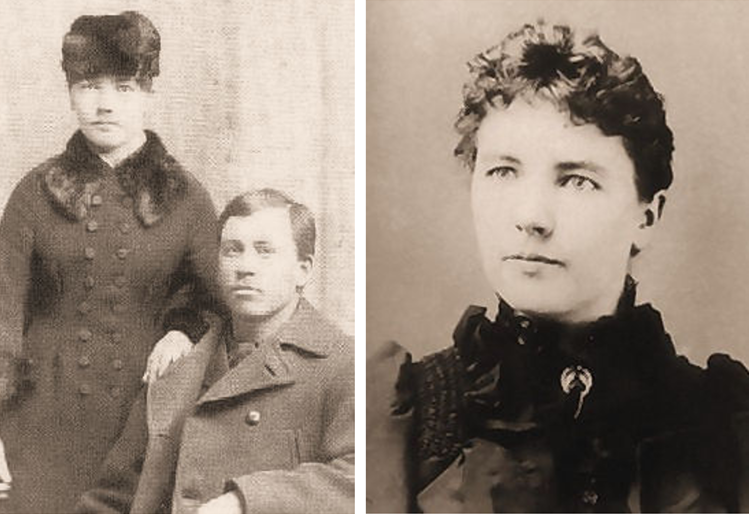
Pioneer families left the comforts on America’s East Coast to face danger, hardship, and disease out west. Perhaps one of the greatest literary portraits of the challenging yet inspiring lives of those who settled America’s prairies is a series of books based on the real experiences of a woman who lived through it.
Laura Ingalls Wilder (1867–1957) wrote a series of children’s books, “Little House on the Prairie,” based on her childhood experiences.
‘Pioneer Girl’
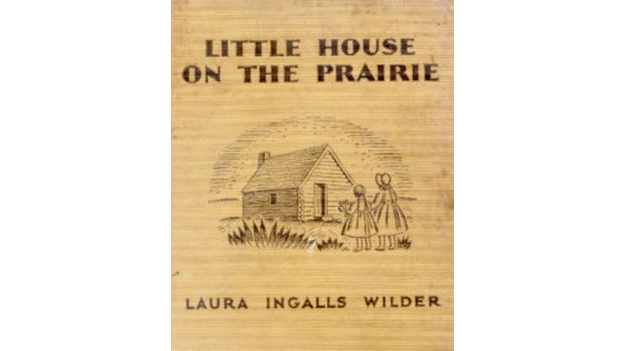
In 1929–1930, Laura wrote her autobiography, “Pioneer Girl,” based on the experiences of her childhood on the prairie. This wasn’t the first time Laura had tried her hand at writing. She’d penned a column about farming life, “As a Farm Woman Thinks,” for a farm magazine called Missouri Ruralist from 1911 through the mid-1920s.
She occasionally wrote featured articles for other publications, as well, including the St. Louis Star, McCalls, and The County Gentleman. This income supplemented the Wilders’ finances for years.
As Laura and her husband, Almanzo, approached retirement age, their daughter, Rose, who was herself a published writer, encouraged Laura to write her memoirs. Rose predicted that 20th-century Americans would be entertained and educated to learn about what their pioneer ancestors experienced.
Somewhere during the process, Laura’s draft had the title “When Grandma Was a Little Girl,” highlighting how comparatively recent this seemingly distant chapter of American history still was.
She set to work with cheap notepads and pencils, and she didn’t stop until she’d filled 60 writing tablets with her recollections. Rose submitted her mother’s edited manuscript of “Pioneer Girl” to several publishers.
They all rejected the simple, homespun story of a prairie family’s resilience, which was intended for adult readers. Many reasoned that the recent Stock Market Crash and ensuing Great Depression made publishers leery to gamble on an unpublished memoirist with an unusual type of life story.
Harper & Brothers (now HarperCollins) saw the story’s potential, but they envisioned a different format. Instead of a single-volume memoir for adult readers, they suggested a series of shorter books for children.
The editors encouraged her to make it as detailed as possible: “The more details you can include about the everyday life of the pioneers, such as the making of the bullets, what they eat and wear, et cetera, the more vivid an appeal it will make to children’s imaginations.”
The ‘Little House’ Series
“Little House in the Big Woods” was published in 1932, making Laura a published novelist for the first time at age 65. This book, like the others that followed in the series, is considered “semi-autobiographical fiction.”
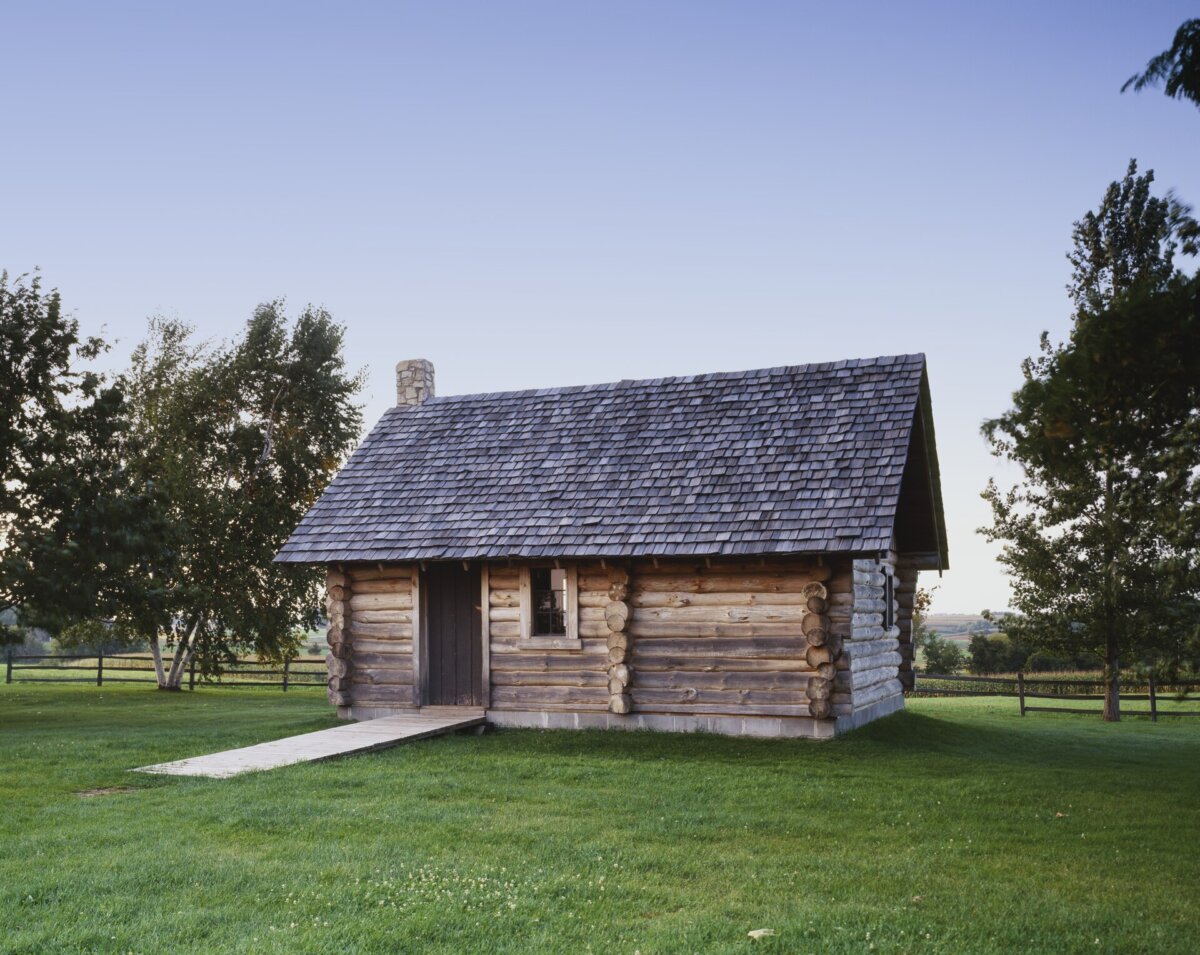
Some of the details were changed and removed to make the stories palatable and appropriate for children. For instance, a few of the darker passages in “Pioneer Girl” that involved some neighbors didn’t make it into the “Little House” books.
Laura’s age was also changed from 3, as she was in real life, to 5; the publisher found it unrealistic that a 3-year-old would have such vivid memories.
“Big Woods” was followed the next year by “Farmer Boy,” which departed from the Ingalls family’s story to recount the childhood of Laura’s husband, Almanzo. This book was the only one not to win a Newbery Medal, the highest recognition in children’s literature.
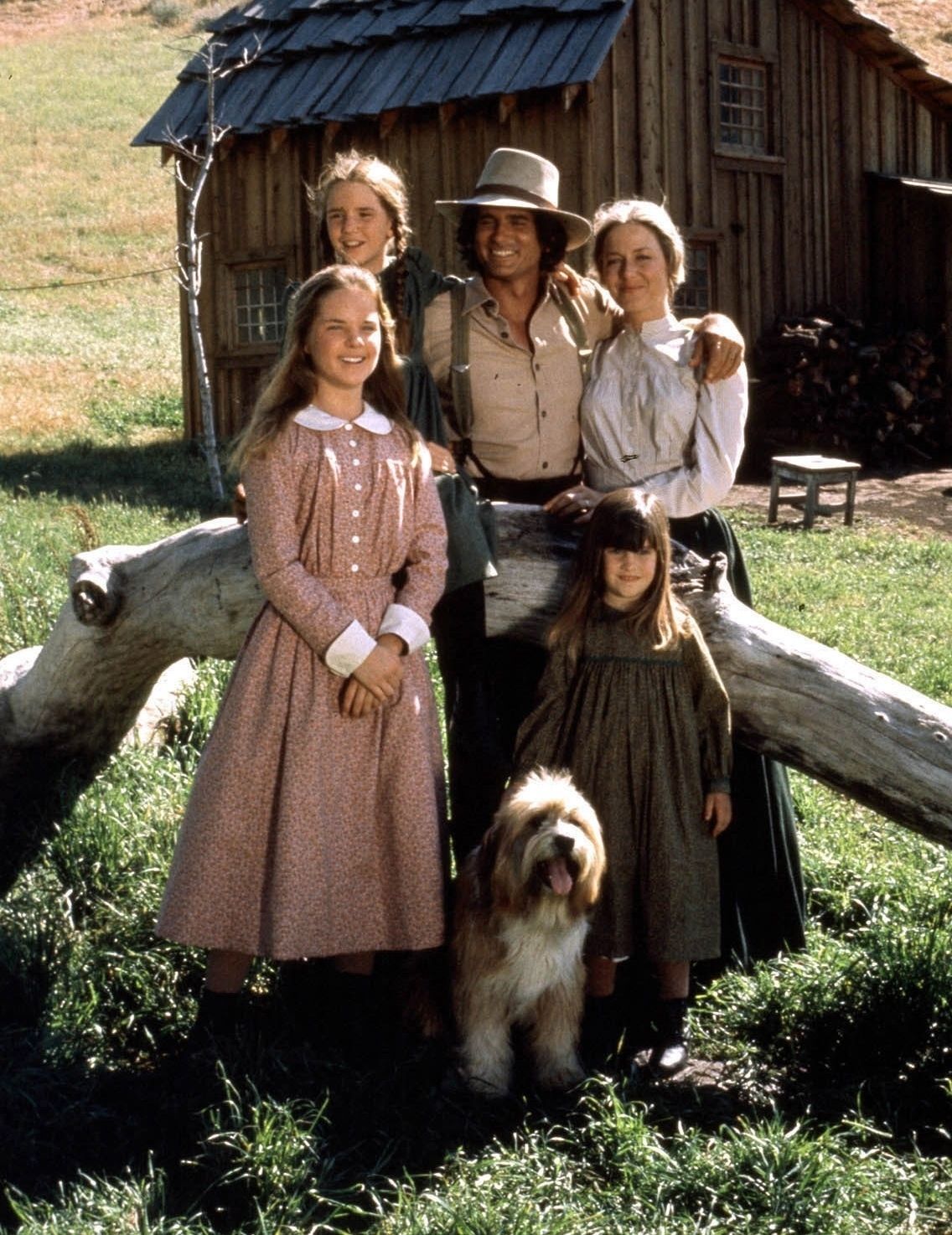
It was, however, successful enough to be followed by a third book, “Little House on the Prairie.” This third volume returned to the Ingalls family, immediately following the events of “Little House in the Big Woods.” It would supply the name for the main adaptations of these books.
Throughout the remaining years of the 1930s and the early 1940s, five more books were published in the series: “On the Banks of Plum Creek” (1937), “By the Shores of Silver Lake” (1939), “The Long Winter” (1940), “Little Town on the Prairie” (1941), and “These Happy Golden Years” (1943). These novels followed the Ingalls family throughout the four daughters’ childhood.
Although the first edition of “These Happy Golden Years” ended with the note “The end of the Little house books,” Laura wrote the manuscript for a ninth book in the series. The unedited draft was discovered among her papers after her death and published in 1971 as “The First Four Years.”
As the title indicates, it recounts the events of her first four years of marriage, including the three years she’d promised her new husband to try farming and the fourth “year of grace” she gave the experiment.
A Wonderful Childhood
Because of its overwhelming popularity, the “Little House” series has continued to flourish in the years since Laura’s death, becoming an entire franchise. In addition to “The First Four Years,” HarperCollins published two additional books under the “Little House” imprint, both collections of Laura’s letters and diaries: “On the Way Home” (1962) and “West From Home” (1974).
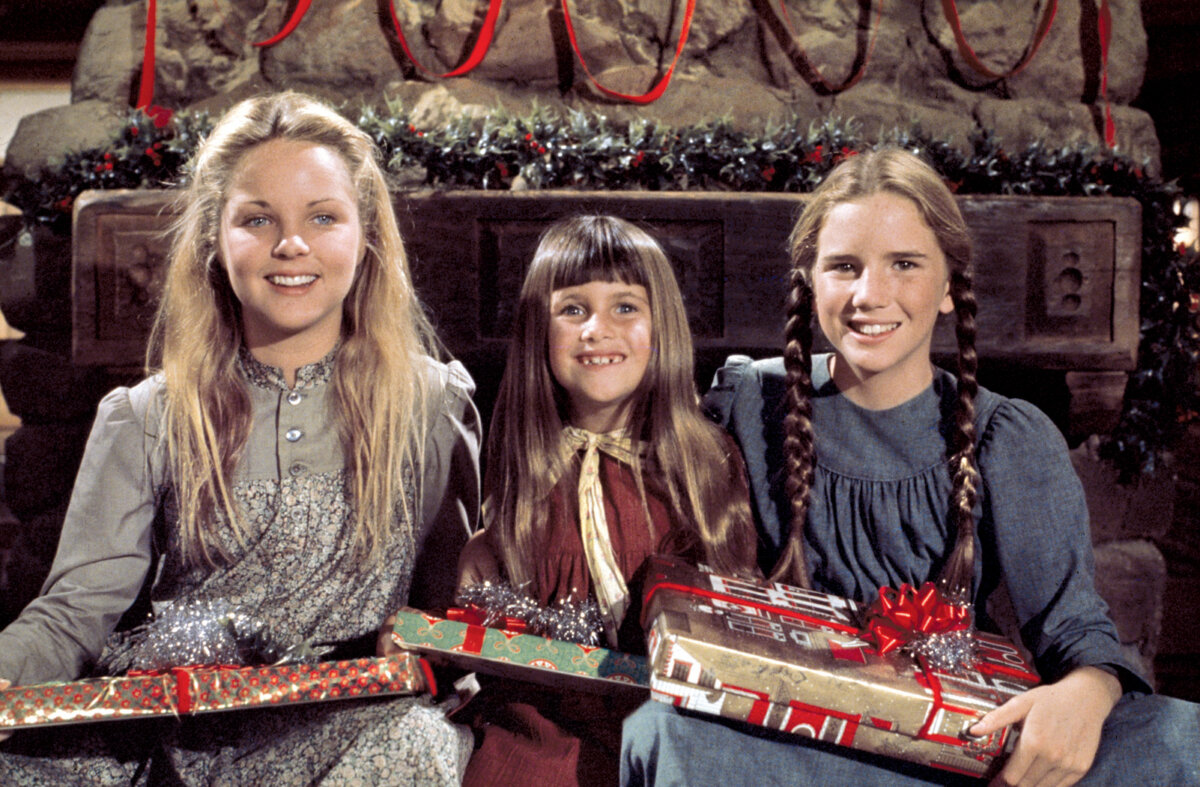
Beyond these authenticated works, there have been several popular television and streaming series based on these books; four spinoff series about other female relatives have been published.
Upon the first publication of “Little House in the Big Woods,” Laura’s heartfelt stories about her family were an instant success. Readers of all ages cherished the tales of American resilience and the unbreakable pioneer spirit.
No doubt these books were a great comfort and inspiration to Americans facing their own seasons of poverty and loss during the Great Depression, the Dust Bowl, the Bank Panic, and World War II.
As letters of praise and thanks poured in, Laura realized “what a wonderful childhood I had had.”
What arts and culture topics would you like us to cover? Please email ideas or feedback to features@epochtimes.nyc