



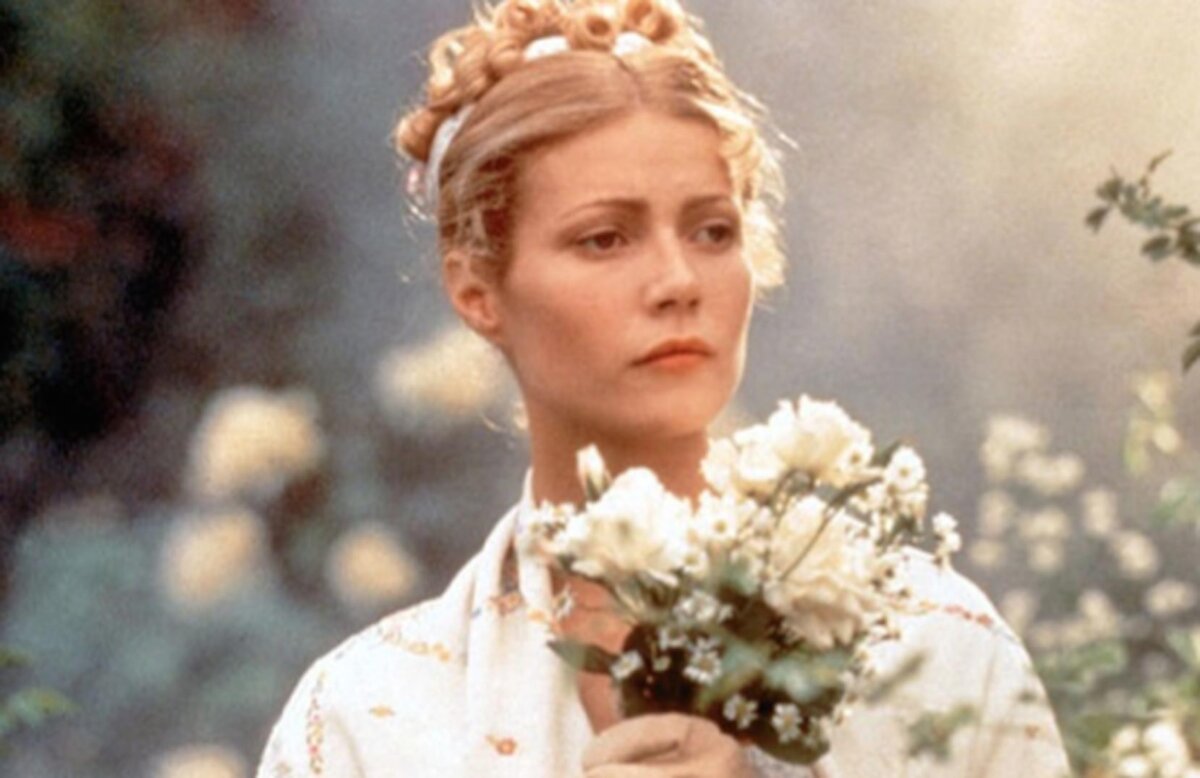
In her novel “Emma,” Jane Austen sets out to create a character she thought no one but herself would much like. Emma Woodhouse possessed many glaring imperfections. Yet, despite the character’s vanity and the novel’s poor example of friendship, Emma remains one of Austen’s most beloved heroines. This is because the heroine has the humility to honestly recognize her failings and is quick to repent.
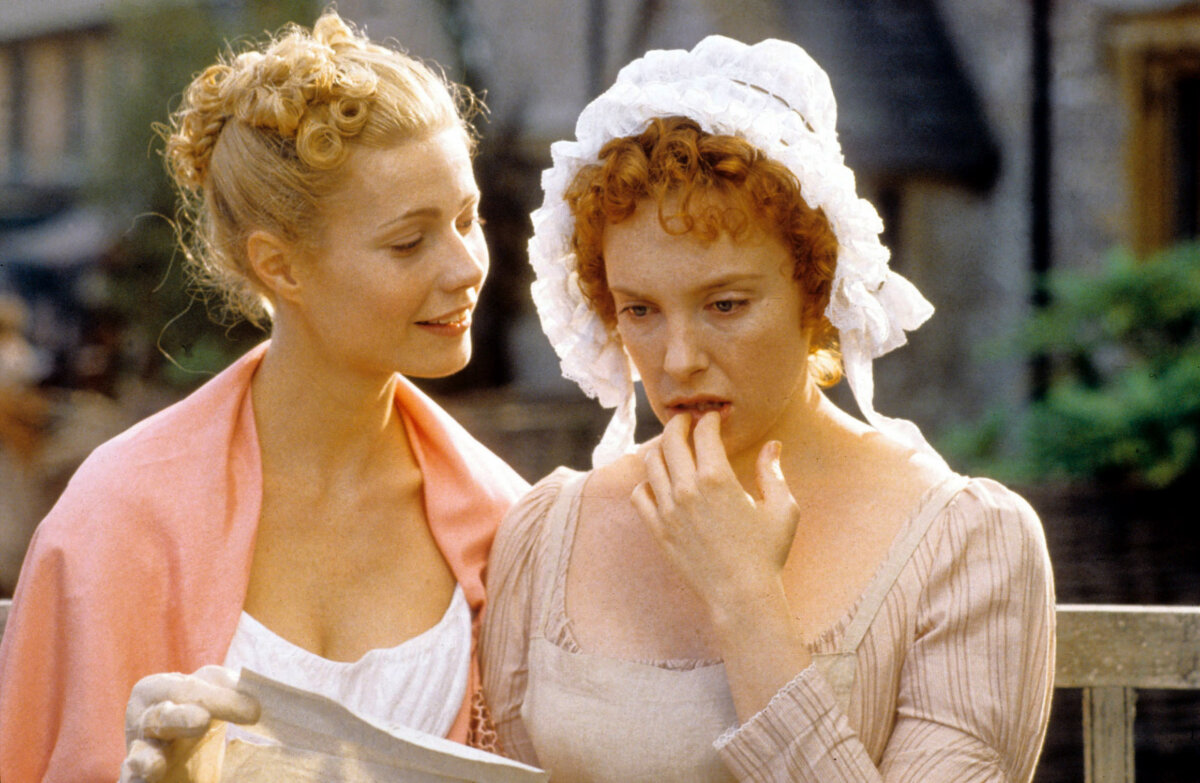
Though primarily considered a romance novel, Austen’s “Emma” is, at its core, an examination of the nature of friendship. Emma’s friendship with Harriet Smith, with all its flaws, actually ends up being the seedbed for Emma’s character growth. This is despite Emma’s belief that the benefit of the friendship would be almost exclusively Harriet’s.
The Types of Friendship
In the “Nicomachean Ethics,” Aristotle distinguishes between three types of friendship: pleasure, utility, and virtue or character (perfect friendship). The first two types of friendship are formed, not out of a genuine interest in the good of the other, but because the other person can provide some desired good. Aristotle writes:
“Now those who love each other for their utility do not love each other for themselves but in virtue of some good which they get from each other. So too with those who love for the sake of pleasure; it is not for their character that men love ready-witted people, but because they find them pleasant.”
Those who seek friendship of utility seek some good from the other person, and those who seek friendship of pleasure seek only what is pleasurable in the other person. Neither loves the person for their own sake.
Aristotle continues, “These friendships are only incidental; for it is not as being the man he is that the loved person is loved, but as providing some good or pleasure” (Book VIII, 3).
Once that good or pleasure is no longer provided, the friendship dissolves.
On the other hand, perfect friendship exists between those alike in virtue. They desire the other’s well-being purely because of their goodness and not out of any ulterior motive. Though the wish for such friendship can arise quickly, Aristotle says that the friendship itself requires time and familiarity to form because it requires a deeper acquaintance with the other’s character. There is an equality implied in this friendship: The two are friends for their own sake rather than incidentally.
Different Life Stations
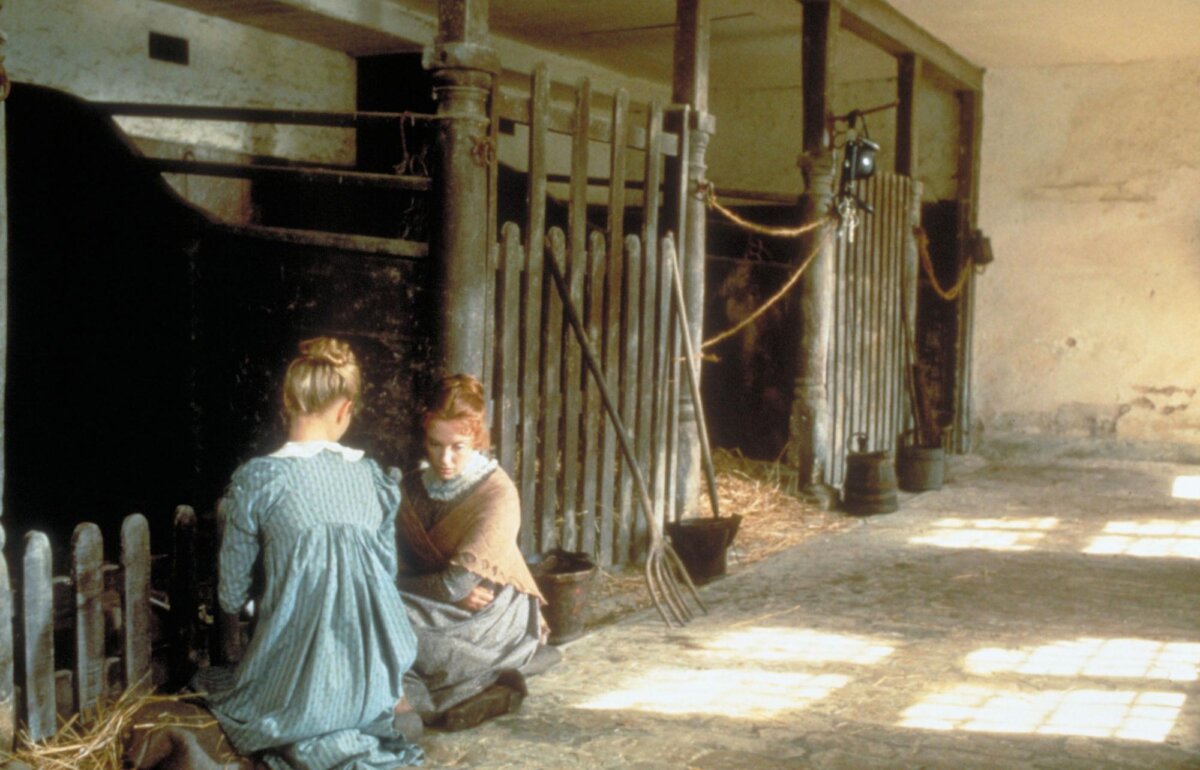
In friendships of inequality, for example, between those of different stations or ages, the love is not proportional. The one of a higher station should be loved more than he or she loves, and he or she should also be the more useful of the two. Such is the friendship between Emma and Harriet.
The first line of the book tells us that Emma is “handsome, clever, and rich, with a comfortable home and happy disposition.” Her flaw is “the power of having rather too much her own way, and a disposition to think a little too well of herself.”
By contrast, Harriet is 17 (almost four years younger than Emma), was placed at a boarding school, and is of unknown parentage. She is beautiful and well-mannered, qualities that endear her to Emma, but she is described as not being particularly clever and is in awe of Emma and her station.
Under the guise of generosity, Emma determines to form the friendship in order to do good for Harriet and raise her in society: “She would notice her; she would improve her; she would detach her from her bad acquaintance, and introduce her into good society; she would form her opinions and her manners. It would be an interesting, and certainly a very kind undertaking; highly becoming her own situation in life, her leisure, and powers.”
Through the other characters’ assessment of the friendship, the reader sees that, though Harriet is described as greatly improved in terms of character, Emma thrives off the praise she receives for bringing about that character development. The pleasure of the friendship for Emma is that her own capabilities and virtues are thrown into sharper relief when she is able to operate under the guise of helping Harriet.
Mr. Knightley, perceiving Emma’s consciousness of her benefit upon Harriet’s character, says, “You are anxious for a compliment, so I will tell you that you have improved her.” When Mr. Elton praises Emma for having so shaped and added to Harriet’s character, Emma says, “Great has been the pleasure, I am sure. I never met with a disposition more truly amiable.”
Skewed Matchmaking
Emma decides to play the matchmaker between Harriet and Mr. Elton, whom she believes would be worthy of a friend of hers. She persuades Harriet to reject Robert Martin. As a farmer, Martin is too far beneath Emma’s rank for her to want to associate with anyone connected with him.
She tells Harriet that marrying Martin “would have been the loss of a friend to me. I could not have visited Mrs. Robert Martin, of Abbey-Mill Farm.” She even tells Mr. Knightley, “What! think a farmer, (and with all his sense and all his merit Mr. Martin is nothing more), a good match for my intimate friend!”
Emma manipulates Harriet into shifting her affections from Robert Martin to Mr. Elton, convincing her (and herself) that Mr. Elton is in love with Harriet. When Mr. Elton professes himself in love with Emma instead, Emma has to “destroy all the hopes she had been so industriously feeding—to appear in the ungracious character of the one preferred—and acknowledge herself grossly mistaken and mis-judging in all her ideas on one subject, all her observations, all her convictions, all her prophecies for the last six weeks.”
Harriet, however, on hearing the news, responds with humility and selflessness. She doesn’t assign blame to anyone. Emma is “really for the time convinced that Harriet was the superior creature of the two—and that to resemble her would be more for her own welfare and happiness than all that genius or intelligence could do.” While Harriet is therefore the superior in terms of virtue, Emma is the intellectual and social superior.
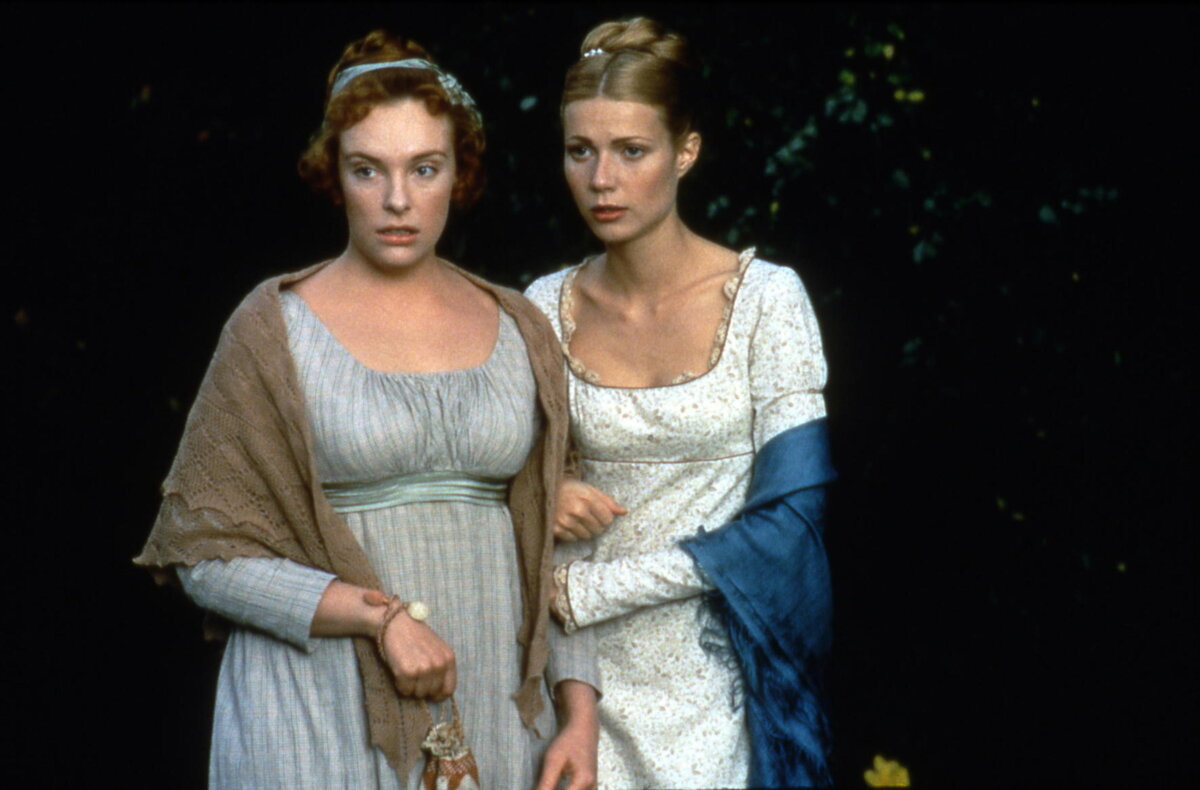
The unequal friendship between the two would, by all appearances, seem to fulfill Aristotle’s requirement that the superior (Emma) provide greater utility while the inferior (Harriet) have a greater love. Harriet, being in awe of Emma’s goodness, stands more to gain socially from the friendship.
Mr. Knightley’s Advice
However, Mr. Knightley, Emma’s long-time friend and of her rank, clarifies that the matter does not come down to Harriet being the more virtuous, saying that “her character depends upon those she is with.” As the reader sees throughout the novel, Harriet lacks steadfastness. The importance she places on class and social standing fluctuates depending on her company. When she is with the Martins, for example, love and virtue carry greater importance, but when she is with Emma, class and appearance are the chief goods.
It could be debated whether Harriet really needs Emma’s help. Mr. Knightley repeatedly states his opinion that the friendship will do more harm than good; it inflates Harriet with ideas of her own beauty and self-importance until no man will be good enough for her.
C.S. Lewis observes in “The Four Loves” that there is a sort of affection between patron and protégé. The patron who feels a “ravenous need to be needed will gratify itself either by keeping its objects needy or by inventing for them imaginary needs. It will do this all the more ruthlessly because it thinks (in one sense truly) that it is a Gift-love and therefore regards itself as ‘unselfish.’”
Emma operates under the impression that her motives are unselfish, but Mr. Knightley argues that whatever Harriet may gain in terms of refinement or social standing, Emma’s help will not increase Harriet’s happiness, which is not worth sacrificing for the sake of the other goods.
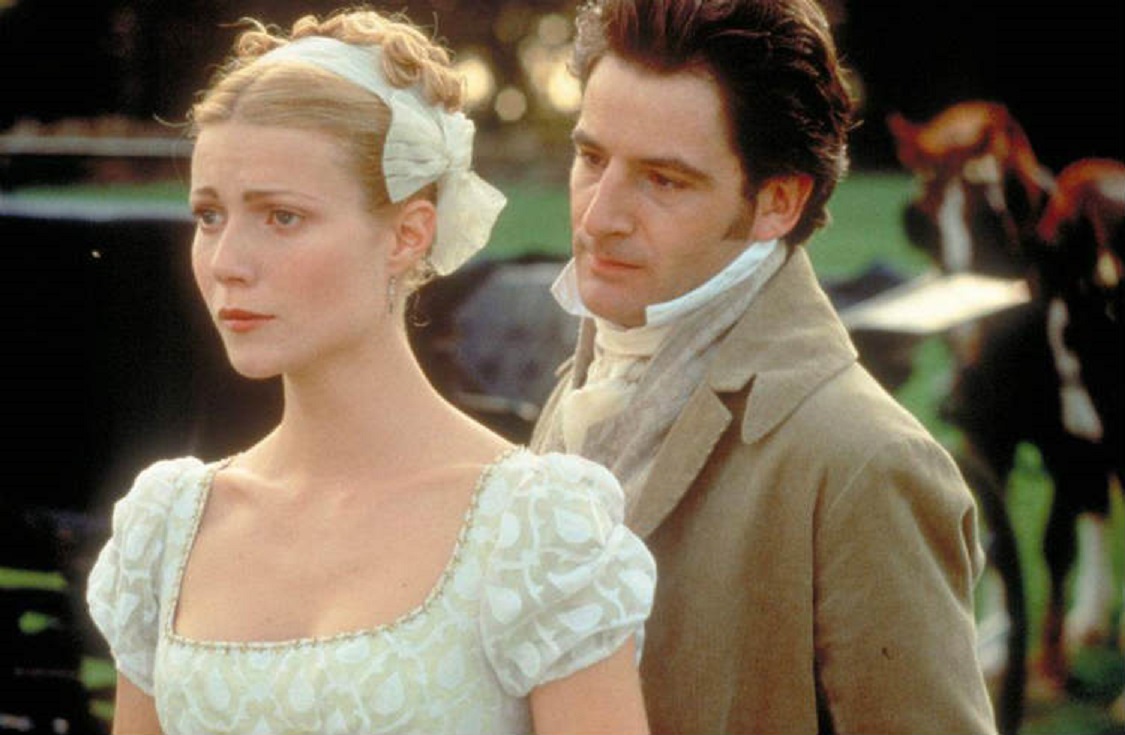
C.S. Lewis continues, referencing Austen’s novel: “Emma intends that Harriet Smith should have a happy life; but only the sort of happy life which Emma herself has planned for her.” Emma is not the sort of teacher who desires the moment when her student should outstrip her or outgrow the need for her.
As the friendship progresses, Austen shows us that work must be done in one’s own heart in order for it to be ready to accept higher loves that are offered to it. Even if one has the opportunity to form friendships of virtue or to receive deeper forms of love, it will be unable to receive them or appreciate them. A person must first grow in virtue itself, arriving at the point of considering what can be given rather than what can be received.
Throughout the novel, Emma receives opportunities for more equal friendships. As she learns from her mistakes in her friendship with Harriet, she becomes better prepared to accept higher forms of love.
At the end of the novel, it’s clear that her friendship with Harriet is not what Aristotle would call a “friendship of virtue.” Emma’s humility and willingness to admit her mistakes, however, enable even an imperfect relationship to help her grow in virtue. The relationship opens Emma’s eyes to the contrast between her selfish friendship with Harriet and a complete friendship between equals.
What arts and culture topics would you like us to cover? Please email ideas or feedback to features@epochtimes.nyc.
