



“I don’t build because I am an architect. I can create true architecture because I do not build.” Paradoxical as they may seem, the meaning behind those words captures one man’s simple but profound principles.
It was during those years of establishing himself as an architectural theorist that Krier said he did not build because he was an architect. The comment was partly a quip about how rare it then was for serious architects—architects committed to timeless beauty and enduring quality—to be commissioned to build anything. At a deeper level, it challenged the notion that architects should maximize how much they build out of devotion to productivity for its own sake, profit, or to keep up with shifting fashions.
Krier’s comment also pointed to his positive vision of what an architect is. For him, a serious architect’s work consists largely of restoration, moderate renovation, and forming the next generation of architects in sound principles. Rather than find plausible “reasons” for building, the serious architect will build only as need arises. Building works that stand the test of time further reduces how much serious architects will build—partly because more time and effort must be devoted to such works, partly because building replacements will rarely be necessary.
The architect who said this did not just play a leading role in the revival of traditional styles but, for decades, was arguably the greatest in his profession. Leon Krier he passed away on June 17 at 79 years of age.
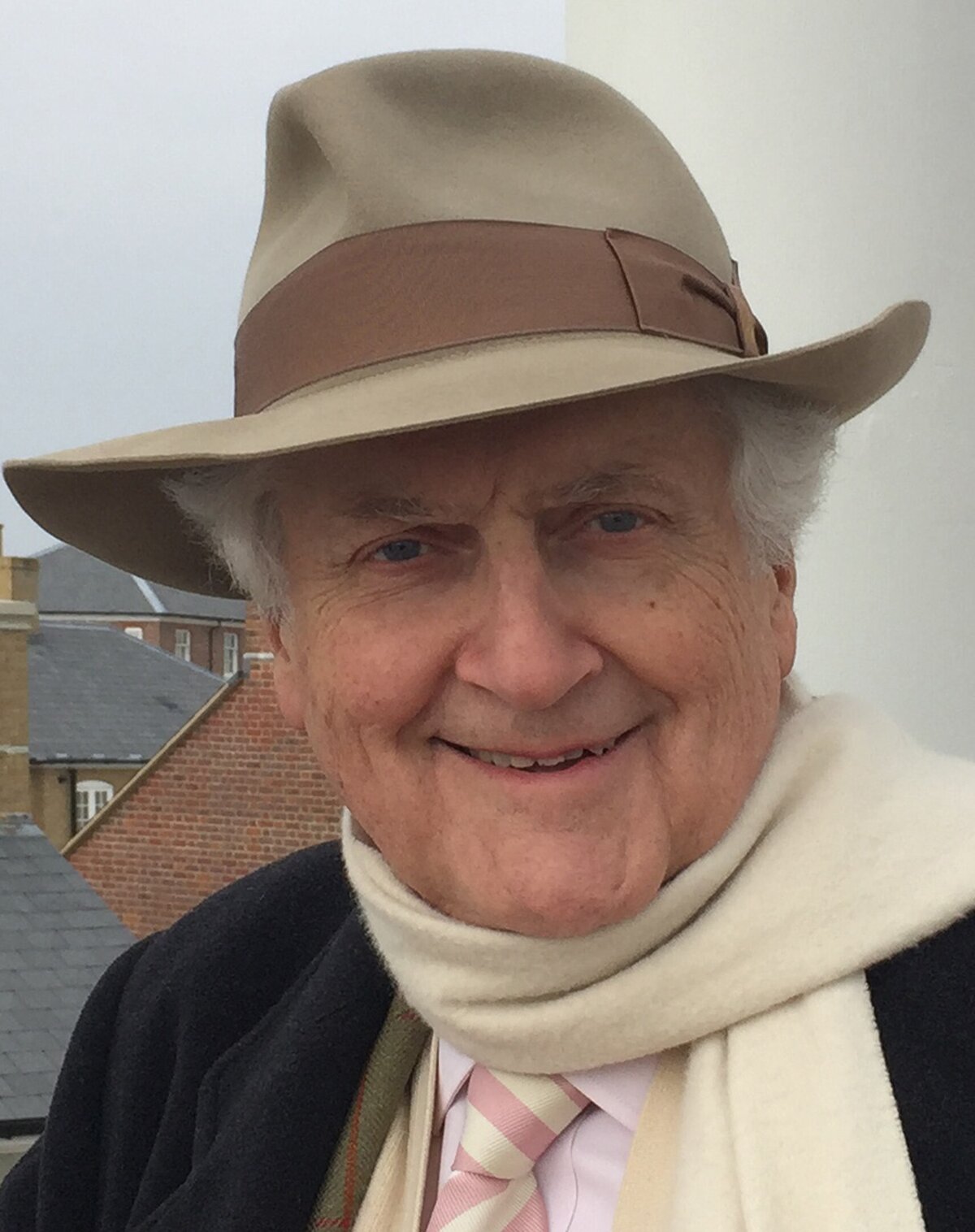
Born in Luxembourg in 1946, Krier received a classical secondary education and trained as a pianist. In 1967, he left his home country to study architecture at the University of Stuttgart. An attraction to architectural modernism led him to Stuttgart, but over time he came to see that style as aesthetically vacuous and remained for only two terms.
Over the next six years, Krier completed his professional on-the-job training while working for British architect James Stirling and Germany’s Josef Paul Kleihues.
Krier’s first opportunity to embrace architectural beauty and traditional styles came in 1974 when he began teaching at the British Architectural Association’s independent School of Architecture in London.
Writings
Over the next decade, Krier established himself as a leading proponent of traditional architecture. By 1985, he had published five books: “Rational Architecture,” “Houses, Palaces and Cities,” a volume of his own drawings, and two historical studies. He wrote numerous articles while also teaching at London’s Royal College of Art, Princeton University, and the University of Virginia.
In time, Krier would write several more books and teach at Yale University. He played a key role in the founding of Charleston, South Carolina’s New School for Traditional Architecture & Urbanism and the Prince of Wales’s Institute of Architecture (now called The King’s Foundation).
While first establishing himself as an architectural theorist, Krier made his famous remark about not building because he was an architect. It was a quip meaning that there were too few commissions at the time to design expensive buildings of timeless beauty and enduring quality.
On a deeper level, his remark challenged the idea that architects should be constantly building and rebuilding as much as possible, either for the sake of “productivity” and profit or to keep up with shifting fashions.
A Different Vision
Krier proposed a different vision for the profession. Designing and building new structures were certainly part of that vision, but only as a need arose, and not after searching for plausible projects. A good architect will not need to build much because what he builds will stand the test of time. Restoring traditional designs in architecture and passing on sound principles to the next generation are among the good architect’s major tasks.
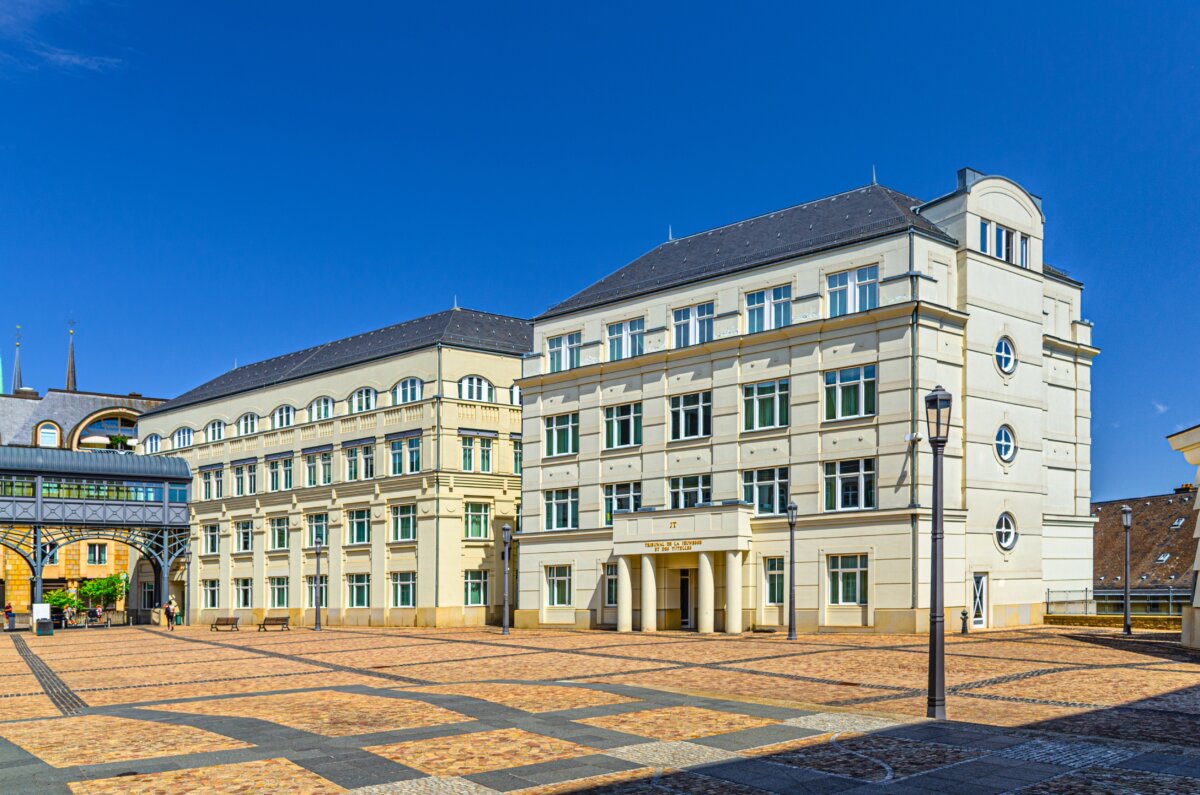
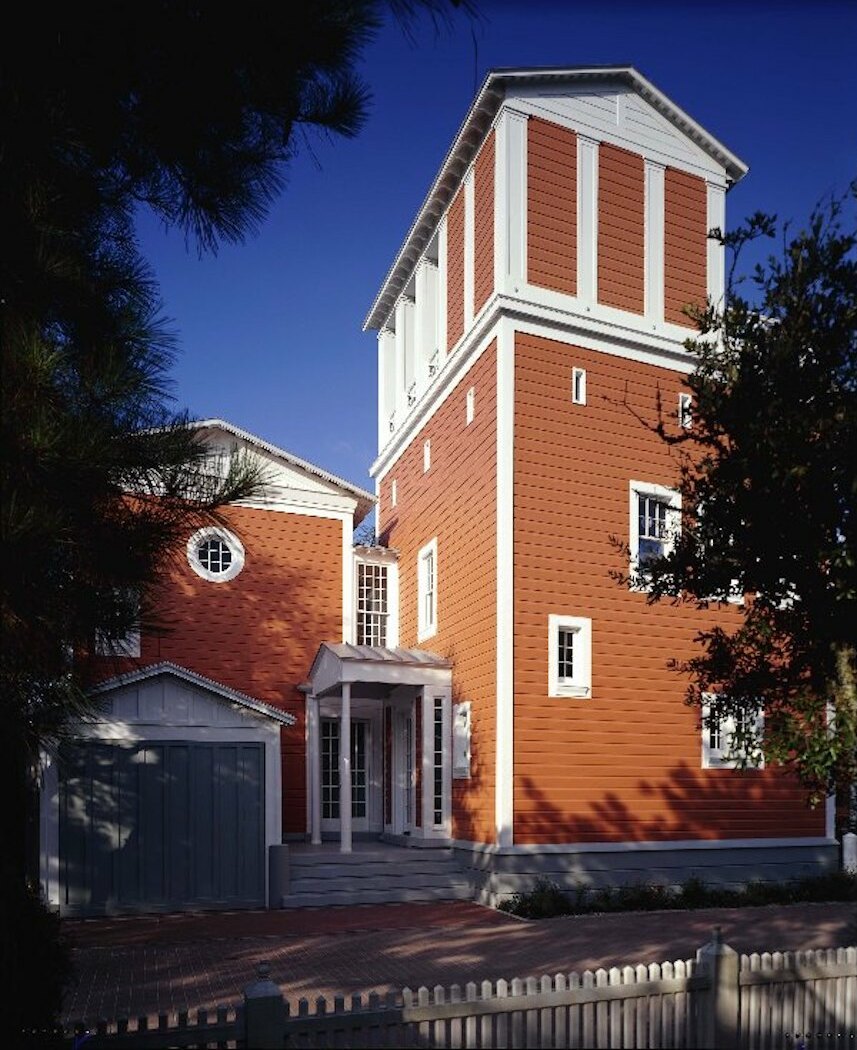
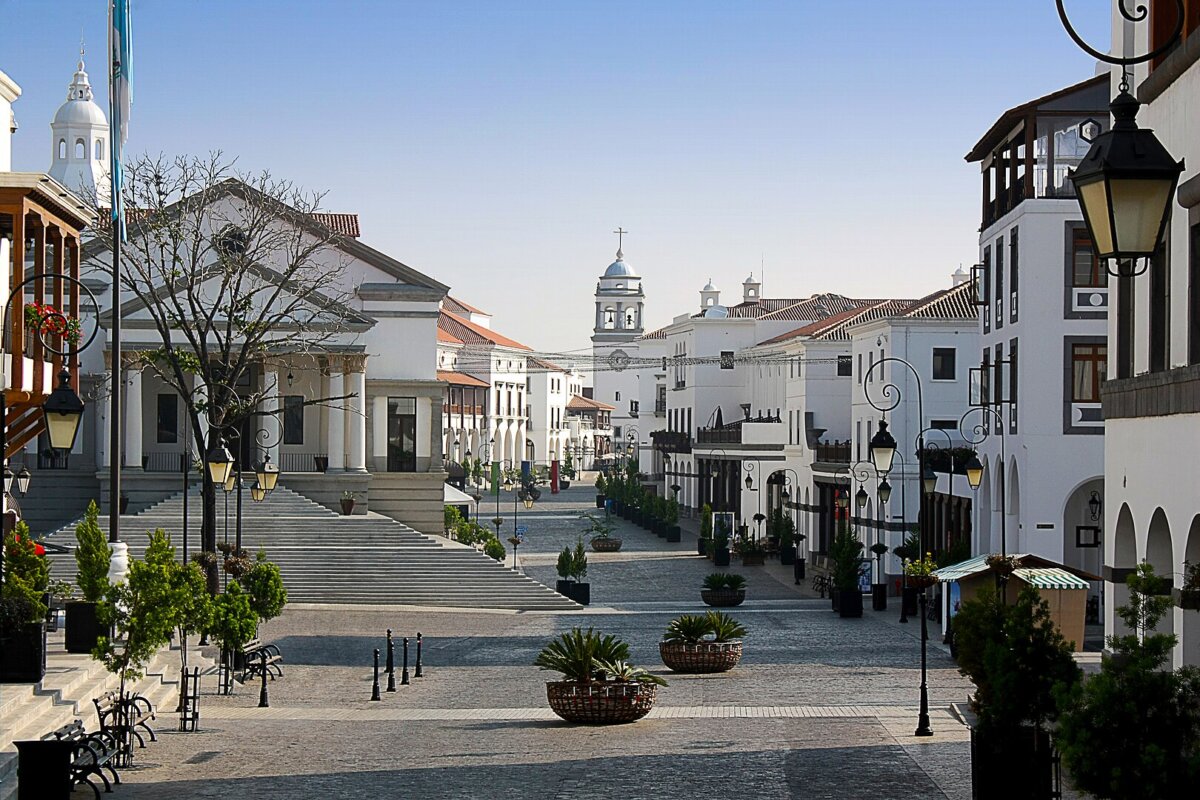
Once given the opportunity to design in traditional styles, Krier became prolific. One of his major projects was Poundbury. An extension to the English city of Dorchester, it was the first important work of traditional urban expansion in decades. He helped design and guide similar initiatives, including Guatemala’s Ciudad Cayalá, Florida’s resort village of Seaside (which inspired Poundbury), Citta Nuova in Italy’s Alessandria, and his native Luxembourg’s Cité Judiciaire.
Krier’s influence played a role in several other structures. Among them are Portugal’s Archaeological Museum of Sao Miguel de Odrinhas, the Village Hall in the Floridian town of Windsor, and the Jorge M. Perez Architecture Center (home to the University of Miami’s School of Architecture).
‘New Classicism’
Krier’s designs for urban expansion brought together and influenced two distinct but frequently overlapping movements—“New Classicism” and “New Urbanism.”
New Classicism is concerned with architectural style. Despite its somewhat confusing name, it is not committed to the strict classicism of ancient Greek and Roman architecture, the Italian Renaissance, and subsequent revivals. It’s committed to natural standards of beauty seen in a multiplicity of traditional styles, including Gothic, Baroque, vernacular, and even non-European architectural schools.
Another key aspect of New Classicism is its difference from the various 19th-century revivals of classicist, Gothic, Baroque, and others. Those movements largely based their magnificent achievements on efforts to authentically replicate and freeze in time the styles of this, that, or the next historical period. Architects even attempted to design Gothic revival train stations in the way they imagined medieval architects would have if more modern forms of transportation had existed in their day.
New Classicism takes a different approach. Using natural standards of beauty and architectural tradition as its starting point, it tweaks, adapts, and evolves from within tradition, just as most great architectural movements did in the past.
New Urbanism is more concerned with city planning than architectural style. Its basic principle is eminently traditional. Cities should be dominated by networks of largely self-contained neighborhoods, within which strong communities can develop. Each should include a mixture of buildings and outdoor areas serving residential, professional, and recreational purposes. Large buildings should be used in a thoughtful placement to serve walkability and mixed-use housing.
The modern side of New Urbanism is seen in neighborhood designs that accommodate factors unique to modern life. Its overlap with New Classicism is the belief that buildings should have the beauty which contributes to human happiness rather than be based solely on utilitarian dictates.
While Krier himself will be missed, the movements which he played a central role in founding can do much to make our world a better place.
What arts and culture topics would you like us to cover? Please email ideas or feedback to features@epochtimes.nyc

