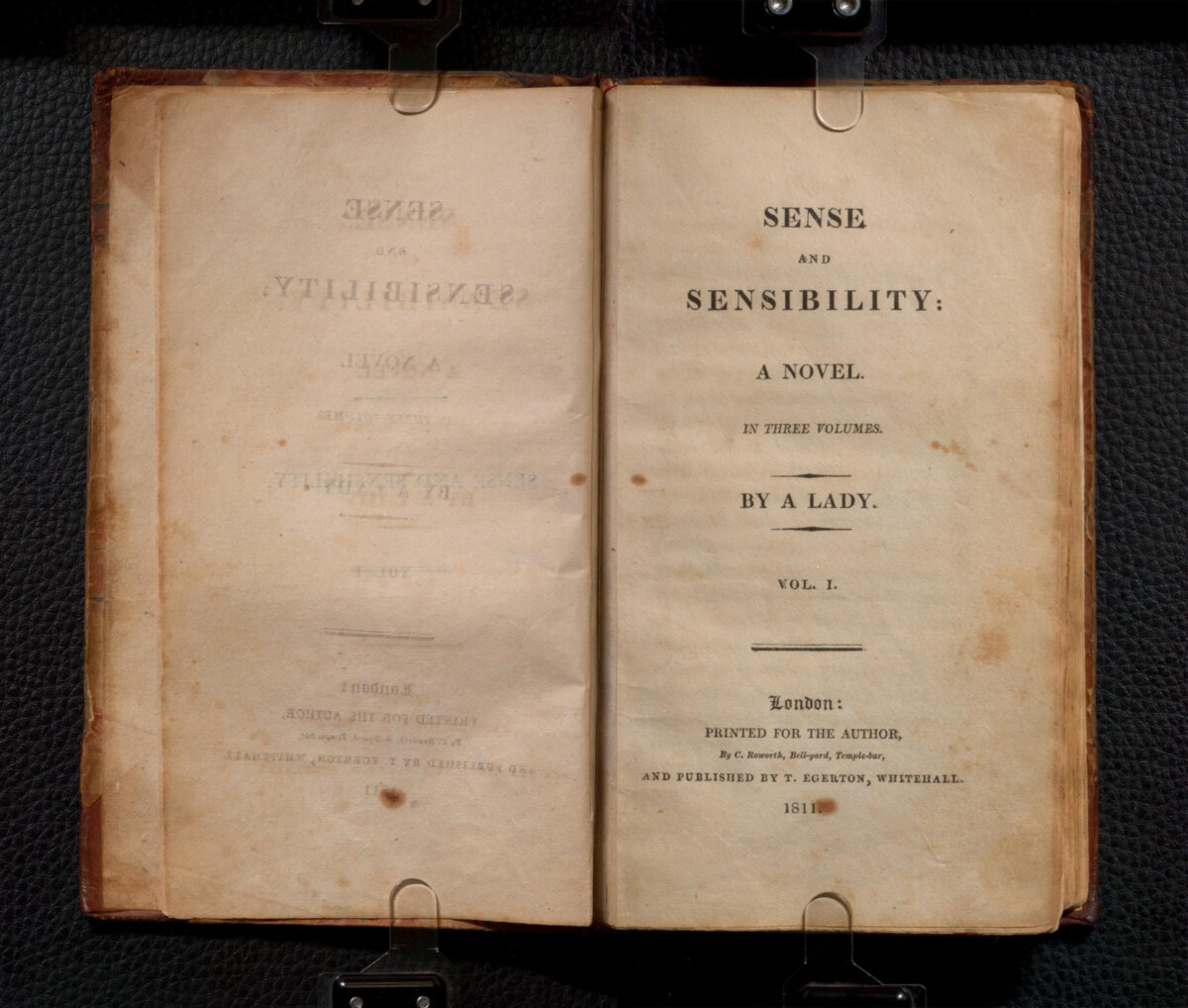
When Jane Austen’s “Sense and Sensibility” appeared in October 1811, it arrived at the very start of the Regency, just months after George, Prince of Wales, was sworn in as Prince Regent, the future George IV. The novel sold well enough to earn its anonymous author a modest profit, and its readers knew the world it described: a society in which a young woman’s prospects depended heavily on how she looked, what she wore, and how she was presented.
A new film adaptation, opened this October, returns audiences to that England of country houses, candlelit drawing rooms, and carefully dressed young women. What did it mean to be well presented in Austen’s England? The answer lay in portraits, clothing, and interiors.
Portraiture: The Art of Reputation
Portraits recorded family, money, and connection, whether displayed publicly or kept close as a private token. In “Sense and Sensibility,” Lucy Steele uses a miniature of Edward Ferrars to prove a secret engagement to Elinor Dashwood, urging her, “to prevent the possibility of mistake, be so good as to look at this face.” Here the portrait is less a work of art than a keepsake, one that stakes a claim on another person.
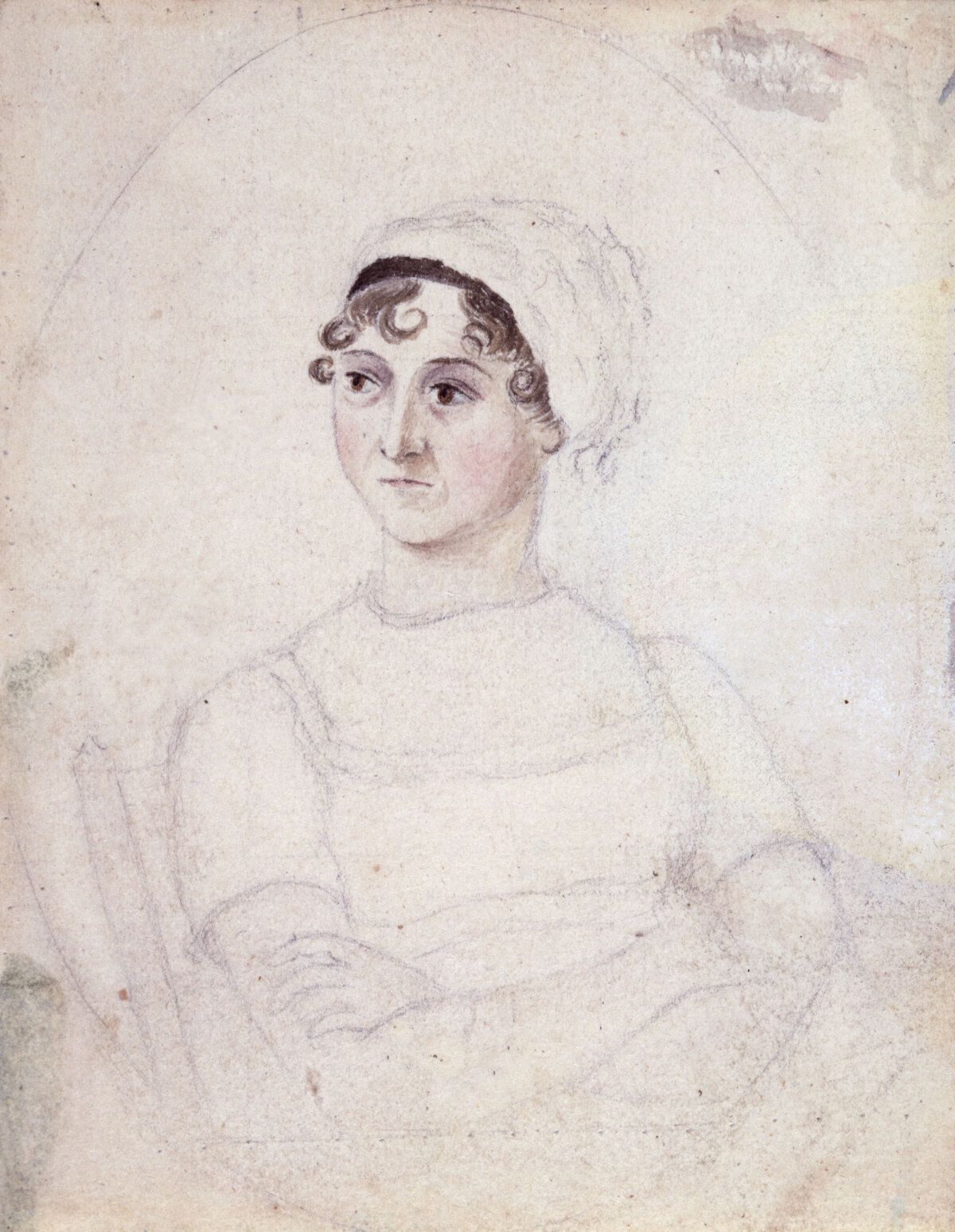
Austen’s own portrait is similarly small, about 4.5 by 3 inches. Her sister Cassandra drew it in pencil and watercolor, and it now hangs in the National Portrait Gallery in London. The gallery calls the unfinished sketch the only portrait known with certainty to show Austen’s face during her lifetime.
Few sitters used portraiture as deliberately as George, the Prince Regent. Sir Thomas Lawrence’s portrait of George IV of England shows him as he wished to be seen: magnificent, assured, and unmistakably royal. Regent from 1811 to 1820, he was a flamboyant patron of the arts, known for his extravagant lifestyle, lavish entertainments, and passion for architecture. He also admired Austen’s novels and is said to have kept a set in each of his residences.

Fashion: Elegance, Embellishment, and the Changing Silhouette
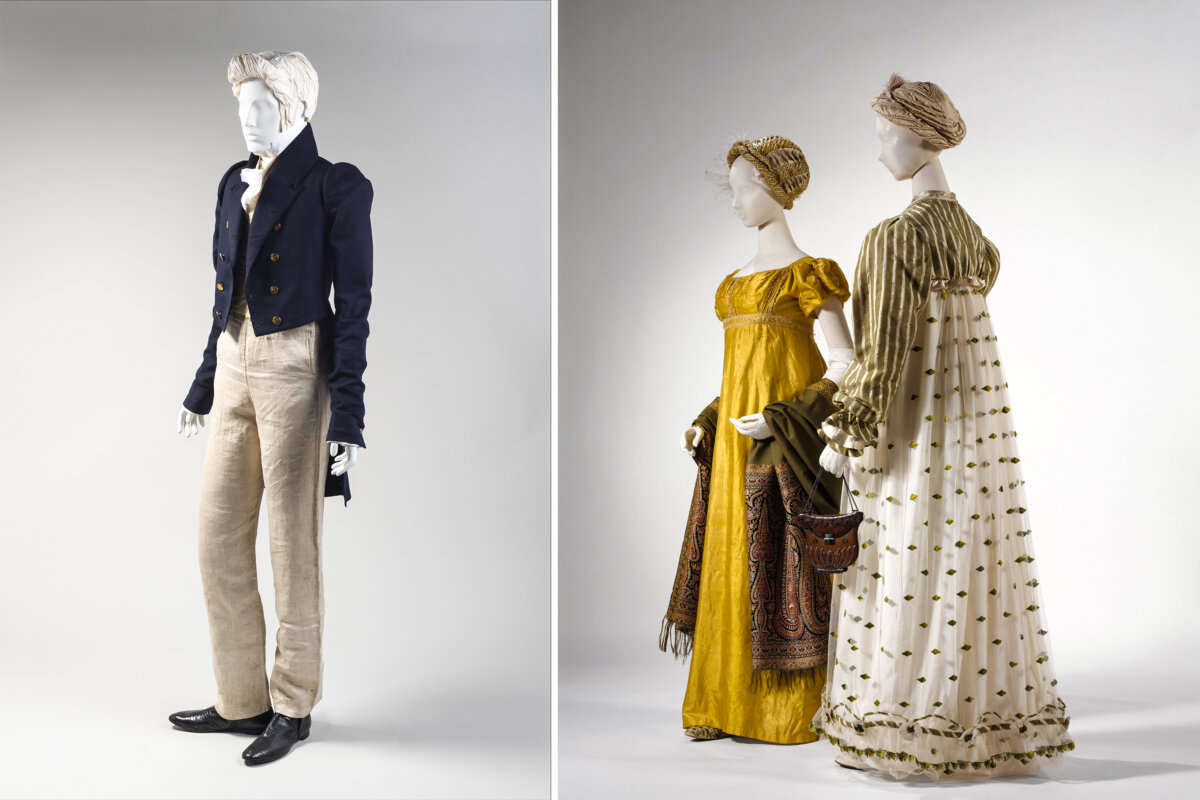
A portrait could only project taste and means if its sitter dressed the part. For a woman in 1811, clothing was a daily statement of both, and styles had changed dramatically within a generation. The heavily structured silhouettes of earlier decades had given way to the Empire line, with a high waist just beneath the bust and a narrow, flowing skirt inspired by ancient Greece and Rome. Gowns like these suited the social world of “Sense and Sensibility,” and women of the Dashwood sisters’ standing might have worn them to dinner parties, dances, and other gatherings.
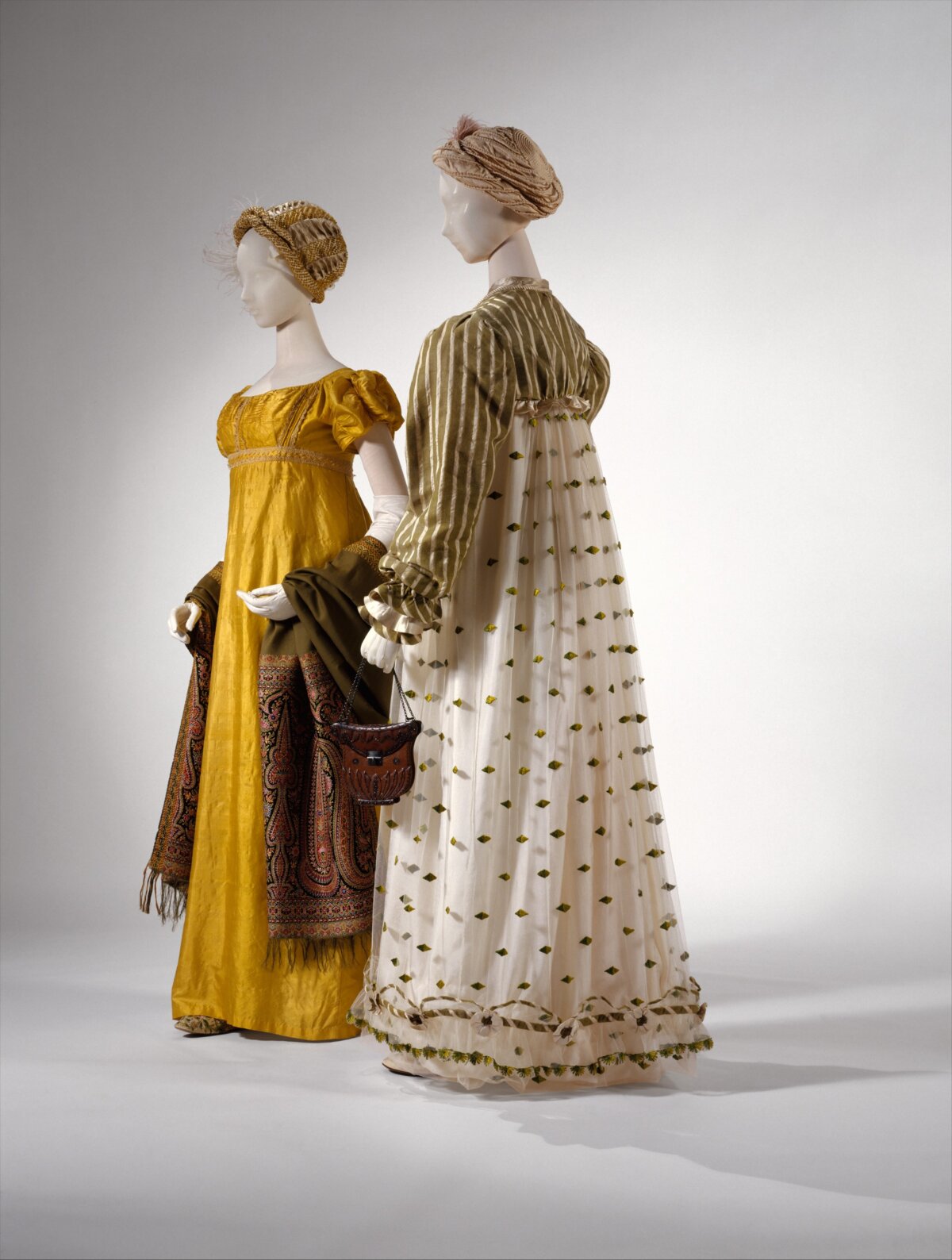
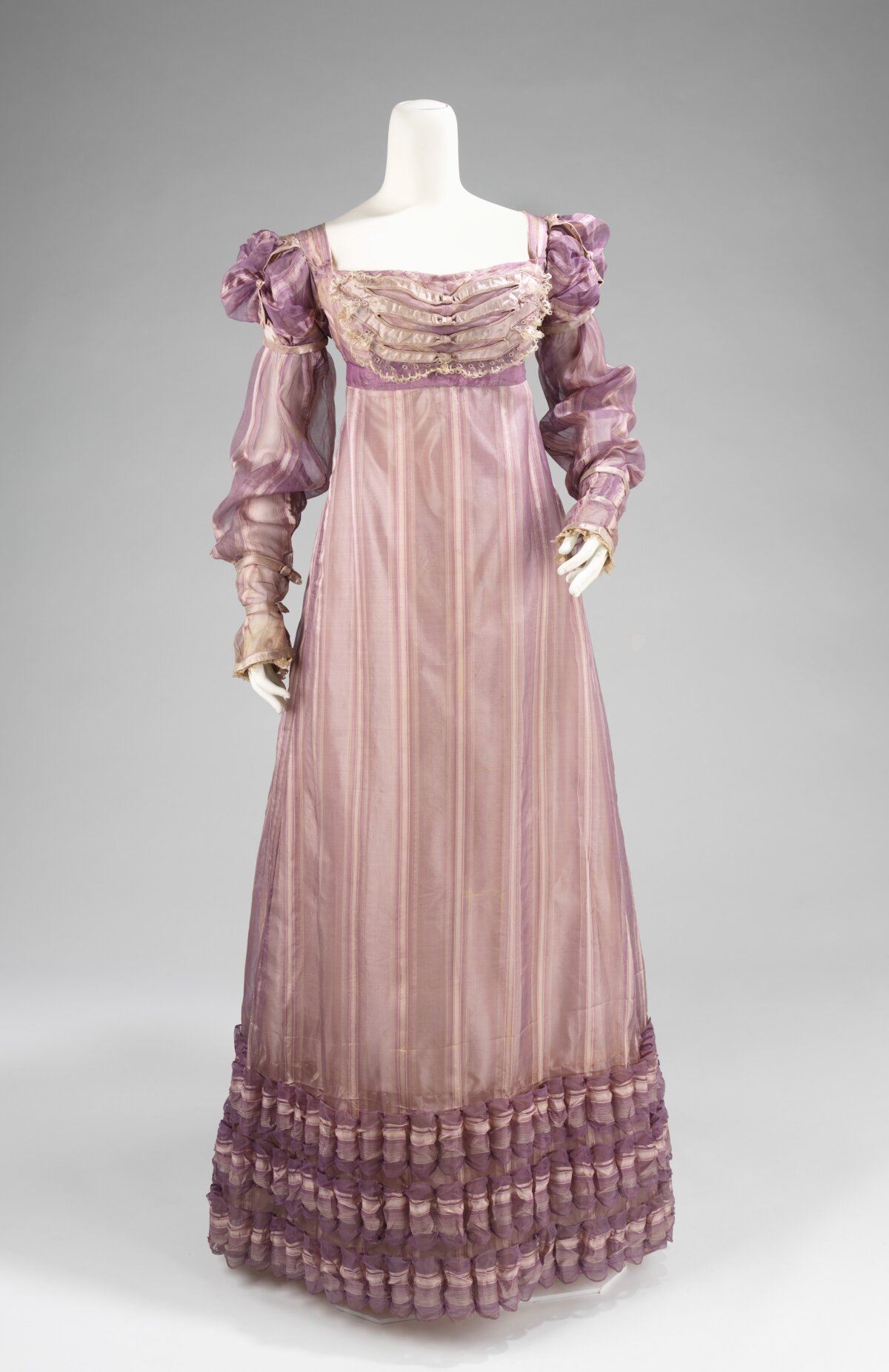
For grander occasions, such as balls, women donned gowns. Over the Regency era, these gowns grew heavier and more elaborate. An empire-waist silk ball gown from about 1820, held at The Metropolitan Museum of Art, illustrates this shift: Its puffed sleeves and its decorated hem, which added weight and structure to the skirt, are both hallmarks of the changing style.
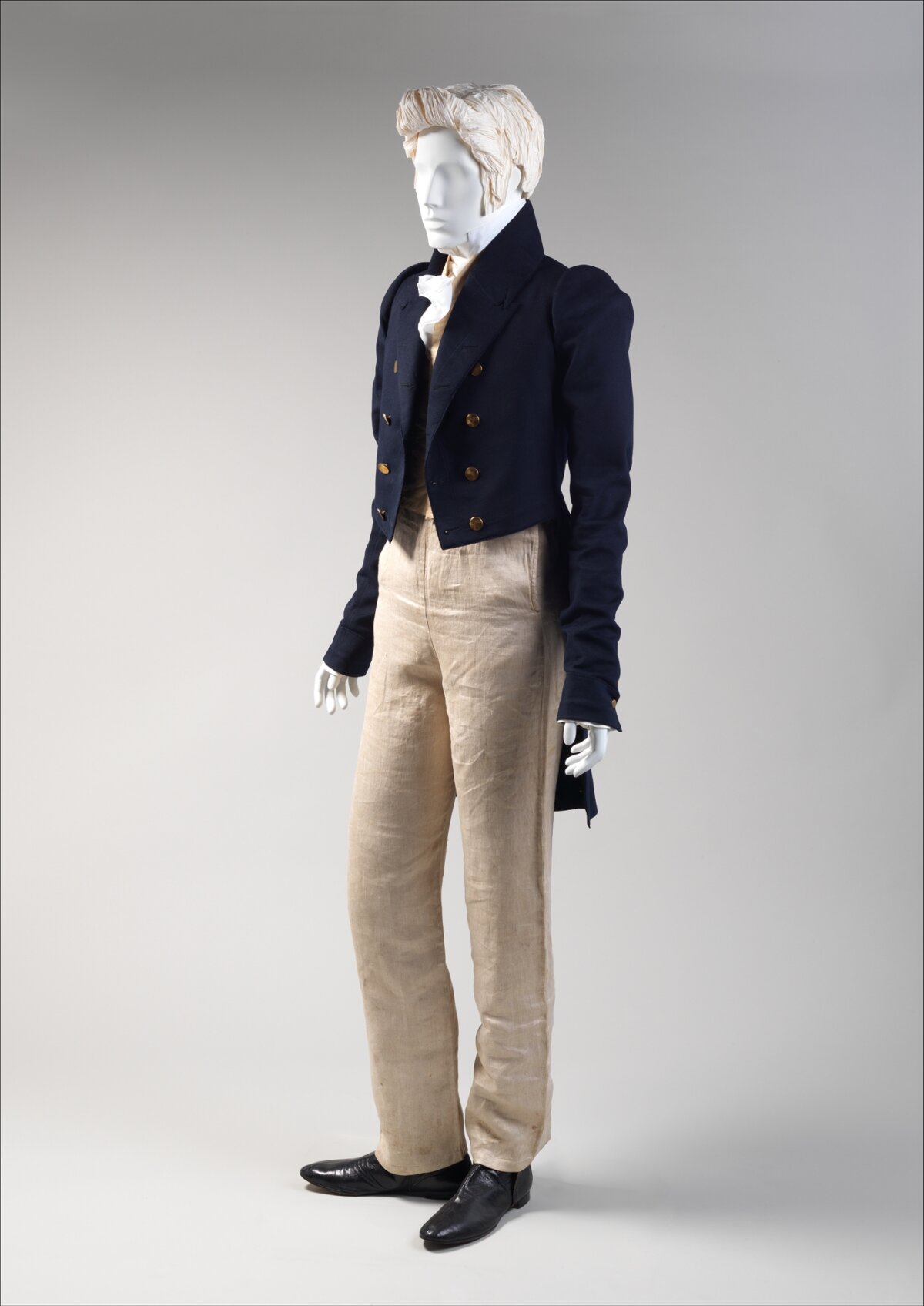
Men’s fashion followed a similar course. Around 1820, high-waisted trousers and fitted jackets that ended above the natural waist gave the male figure the same defined, elongated line seen in women’s dress. Where women’s gowns relied on trimming and fabric, men’s clothing conveyed taste and means through tailoring, with its narrow waist and lengthened proportions.
Interiors: Where Wealth and Taste Became Visible
Homes were where much of social life unfolded, and “Sense and Sensibility” is, above all, a story of home life: two sisters, their mother, and the houses they must leave, find, and make their own. The novel’s households were typical of the period, with country houses and townhouses hosting visits, music, and formal entertainment. Families used interior decoration to showcase their resources and interests. Marianne’s description of a sitting room at Allenham, in which she imagines how modern furnishings would transform it, captures this view: A home’s appeal depended on furnishings as well as architecture, and domestic refinement required money.
Money, or the lack of it, shaped the Dashwoods’ own surroundings. Rural cottages were often simple, with plastered walls, exposed timber beams, wooden or flagstone floors and practical furniture, though wealthier ones could be more elaborate. The larger the home, the grander the interior, and the grandest followed the fashion for neoclassicism, reviving forms and motifs from ancient Greece and Rome, with touches of Egyptian art, French design, and nature.
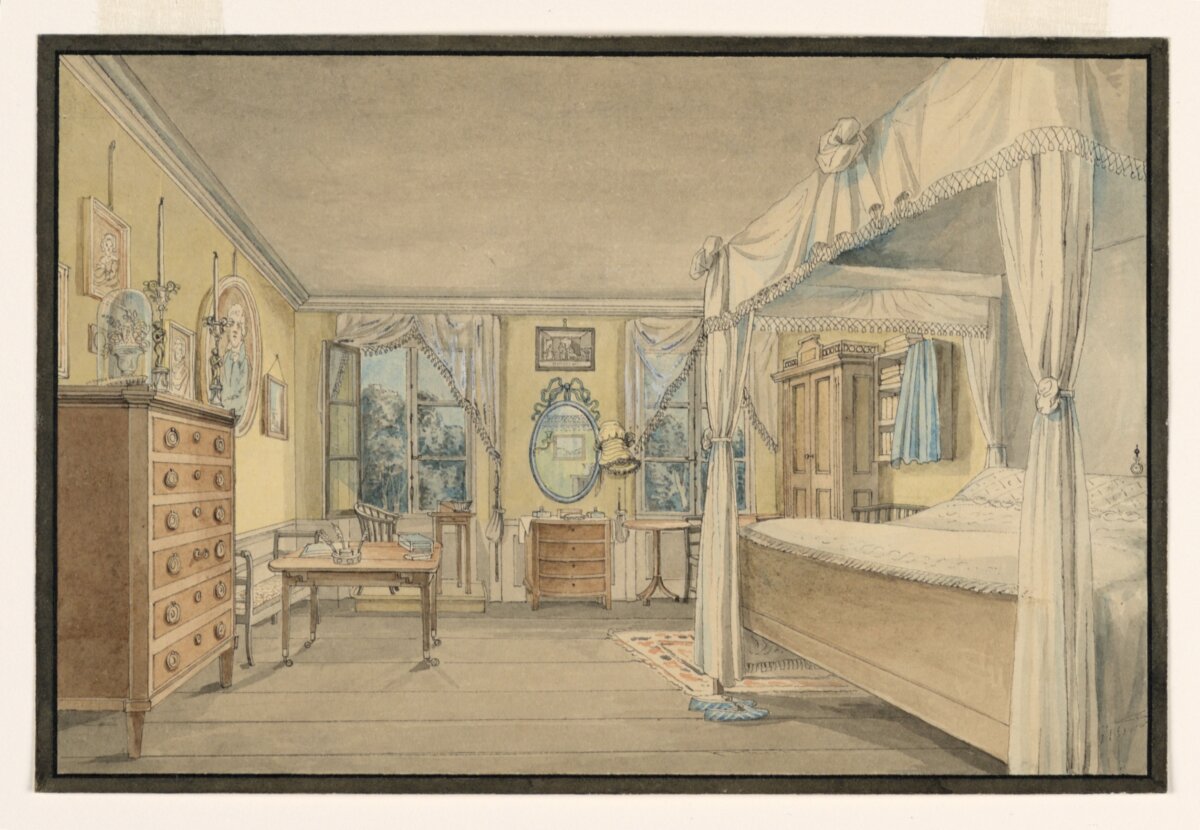
In English country houses, dark paneling gave way to lighter interiors. Striped and neoclassical wallpapers, large windows, skylights, and gilt mirrors brightened rooms furnished with movable tables, Grecian-style couches, and upholstered armchairs with brass accents. Grand estates added sweeping staircases, high ceilings, portraits, and Grand Tour-inspired furniture.
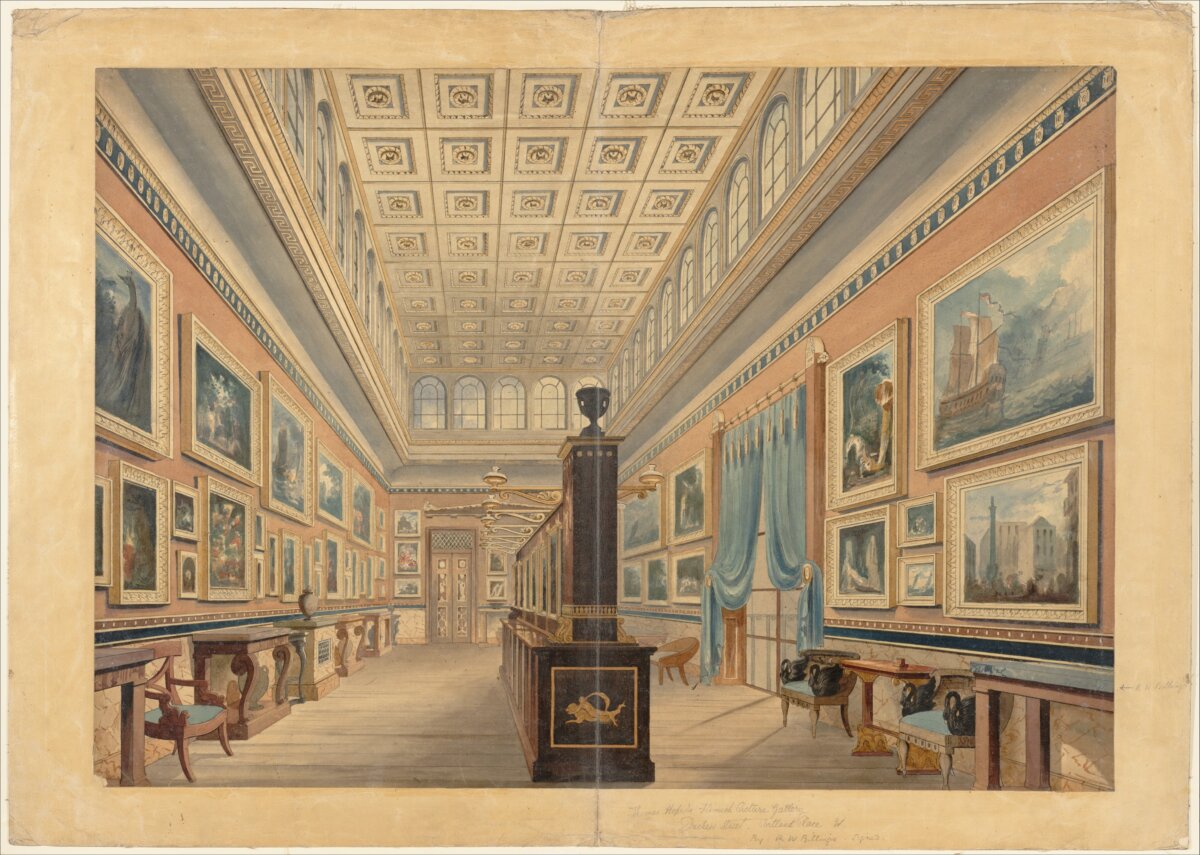
No one did more to popularize this look in England than Thomas Hope, a wealthy collector and designer born in Amsterdam, whose travels through Europe, Greece, Turkey, and Egypt shaped his interest in antiquities. After buying a house on Duchess Street in London in 1799, he turned it into a series of deliberately designed rooms inspired by the styles he had studied, and opened them to visitors including the Prince of Wales, artists, scholars, and designers. Through these visitors and his published designs, Hope’s tastes spread well beyond London.
The era’s style was undeniably lovely and elegant, yet appearances are like a gilded frame: handsome to look at, but telling us little about the sitter inside. Part of the timeless appeal of “Sense and Sensibility” is that Austen never treats the surface as a reliable guide to character. However charming the frame, the story invites readers to look past it, where true worth is revealed not by what people display but by how they act.
What arts and culture topics would you like us to cover? Please email ideas or feedback to features@epochtimes.nyc.