



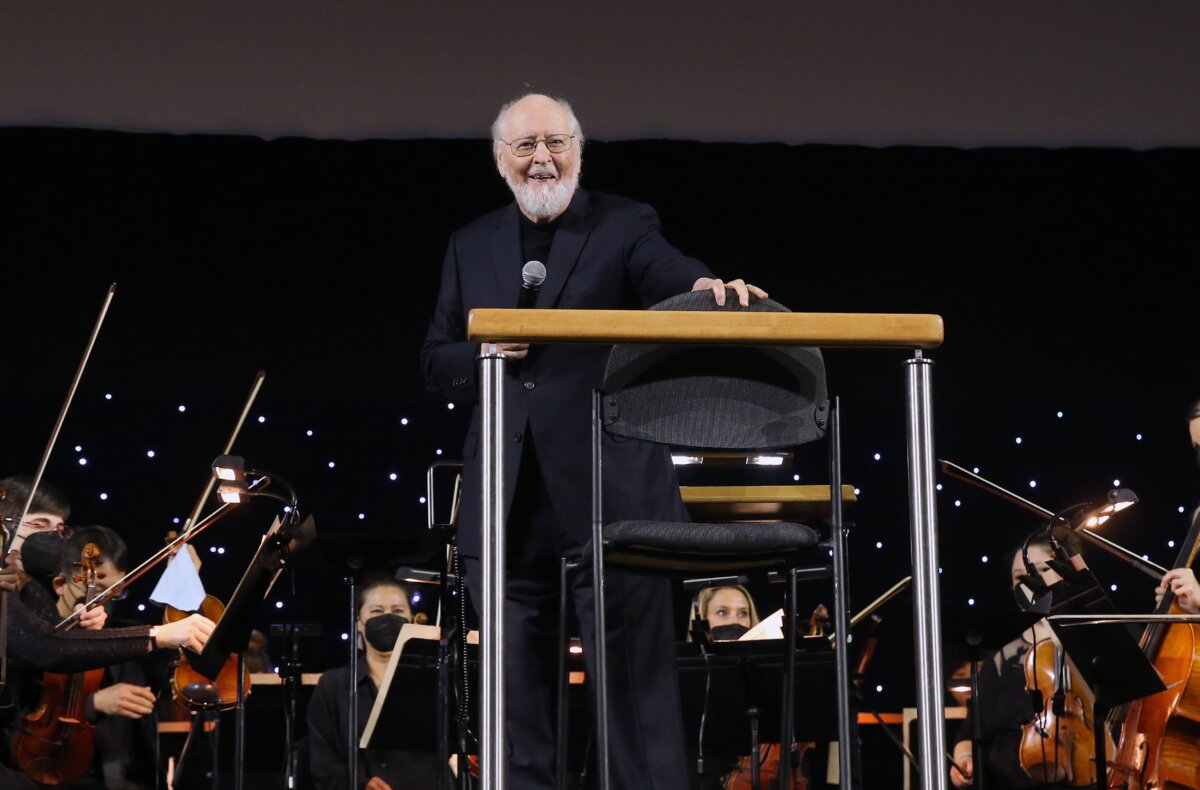
Composing is sometimes thought to be a young person’s game, requiring dynamic energy and endless commitment. Contributing to this perception is a long list of artists who died too young: Wolfgang Mozart, Franz Schubert, Henry Purcell, and George Gershwin being just a few. Because of the romance surrounding an untimely death and the loss of great works never to be written, these figures sometimes overshadow examples of the opposite tendency.
Some composers had a different destiny than these tragic cases. Here are five who continued to be productive into advanced old age.
Claudio Monteverdi
The Father of Opera, Claudio Monteverdi (1567–1643), was in his 70s when he wrote his last work, “The Coronation of Poppea.” It wasn’t as famous as “L’Orfeo,” his first work and the world’s first complete surviving opera. But in some ways, “Poppea” is greater, as the product of a mature mind at the pinnacle of its powers. “L’Orfeo” had emphasized splendor and elaborate staging to impress the nobles of Mantua. But at this point in Monteverdi’s career, as the music director of St. Mark’s Basilica in Venice, he was more interested in character and moral complexity.
“The Coronation of Poppea” isn’t about a myth but about history, taking as its subject the mistress of the Roman emperor Nero. If you know anything about Nero, you might assume this is a tragedy, since the real-life Nero murdered Poppea a few years after their marriage. The opera actually ends happily, however, with Poppea being crowned empress. Monteverdi defied the traditional dichotomy of tragedy versus comedy here. In this respect, “Poppea” is more akin to the historical dramas of William Shakespeare.
Monteverdi finished “Poppea” in 1642, when he was 75. He died soon after it was staged the following year. Although his lifespan is about average when compared to modern standards, 76 was a ripe old age in the 17th century.
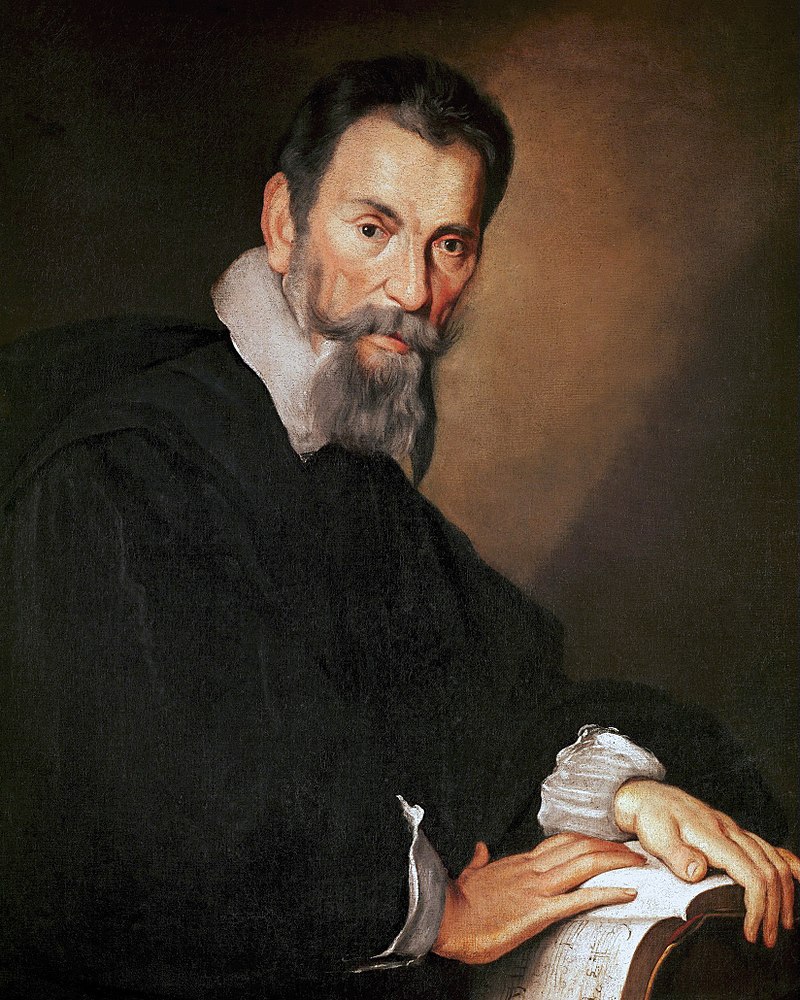 A portrait of Claudio Monteverdi, 1630, by Bernardo Strozzi. (Public Domain)
Giuseppe Verdi
Here we come to another Verdi (minus the “Monte”). Giuseppe Verdi (1813–1901) perfected the genre that Monteverdi pioneered, and like his predecessor, his greatest achievements came towards the end of his life.
His final two operas are among the finest in the genre. “Otello” (1887) and “Falstaff” (1893) are both adapted plays by Shakespeare. Verdi was nearly 80 when he wrote his last work. These two operas dispensed with a clear division between aria and recitative, presenting a continuous musical flow where these elements transition seamlessly into one another.
Unlike with Monteverdi, we know details about Verdi’s daily life. According to Mary Jane Phillips-Matz’s biography on Verdi, the Italian singer Annie Vivanti, who published her recollections on Verdi in 1892, described the aged Verdi as “a lean, restless man who walked back and forth in the grand salon of his apartment ‘with long strides,’ impatiently pushing back locks of his thick, grey hair that fell across his lined forehead.”
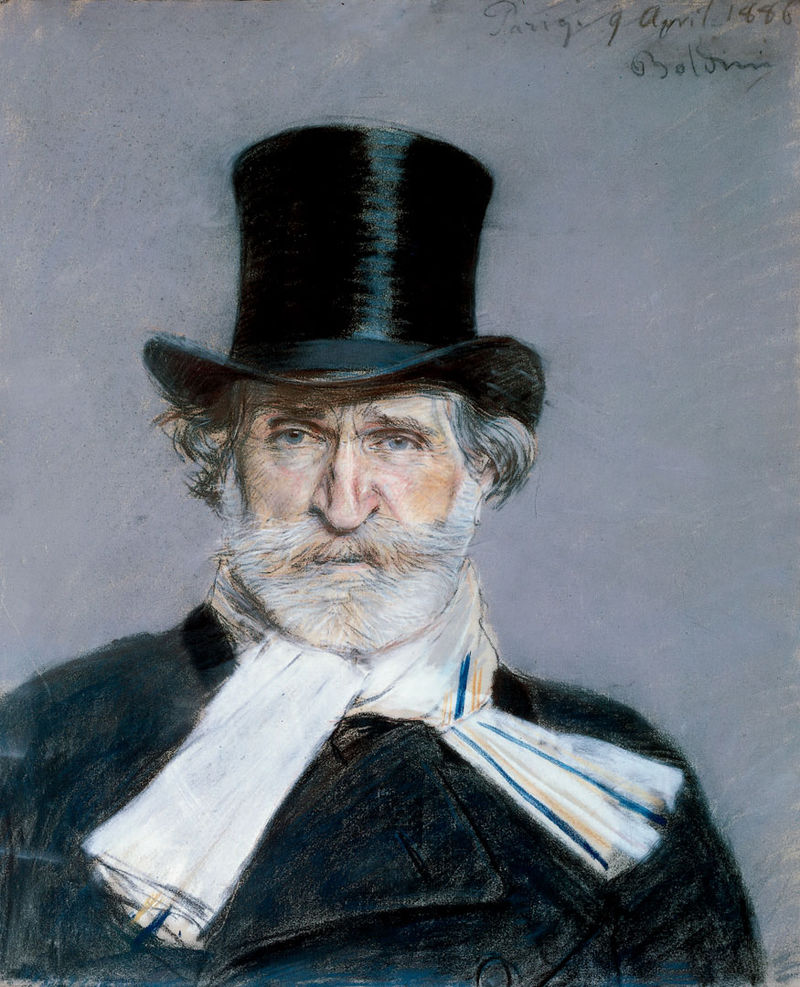 A portrait of Giuseppe Verdi, 1886, by Giovanni Boldini. (Public Domain)
Verdi told Vivanti that he was pleased that his famous opera melodies, composed earlier in his life, had become popular with the common people of Italy. He was composing Falstaff “only for his own pleasure,” and it would be his final opera.
Verdi lived for another seven years after Falstaff premiered, dying at age 87 after suffering a stroke in 1901.
Richard Strauss
In striking contrast to his contemporaries, Richard Strauss (1864–1949) continued to compose tonal music throughout his entire life—traditional music that establishes a specific key to provide a framework for melody and harmony. For decades after his death, this led him to become largely ignored by English-language scholars, who thought that legitimate classical music had to be dissonant, dispensing with a tonal center to accord with the disorienting developments of modernism.
Strauss’s music has always been popular, though—first with the opera-going public and then through inclusion in films such as Stanley Kubrick’s “2001: A Space Odyssey.”
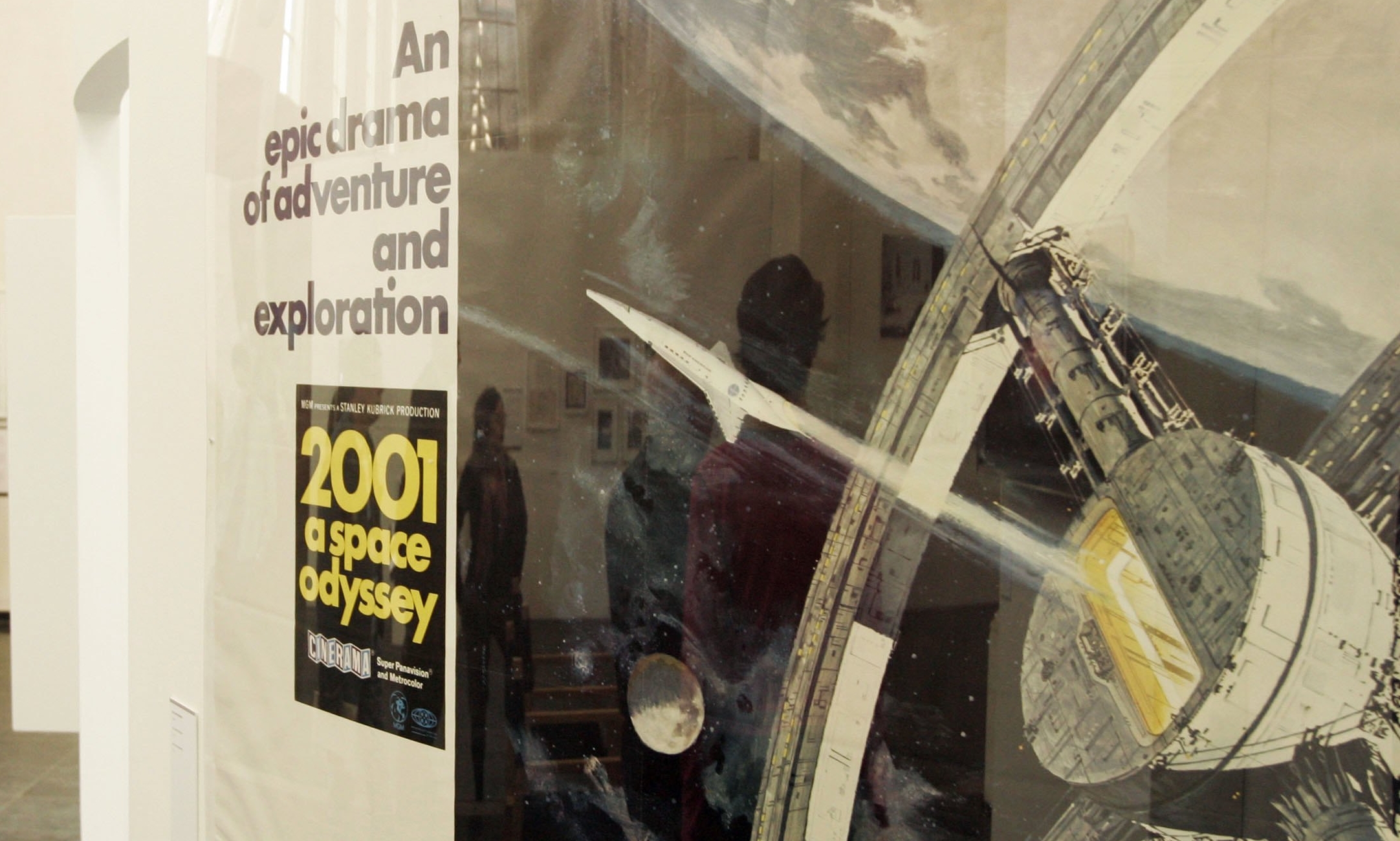 A poster from the movie “2001: A Space Odyssey” at an exhibition of items from the movies of director Stanley Kubrick in Ghent, Belgium, on Oct. 14, 2006. (Mark Renders/Getty Images)
After the opera houses Strauss was associated with had been destroyed during World War II, he fell into a period of depression. It was his son Franz who encouraged his father to write “lieder,” and in 1948, when Strauss was 84, he responded with four pieces. One of these, “Beim Schlafengehen (Upon Going to Sleep),” takes as its subject the desire for eternal rest. The opening lines for soprano read:
Now that day has made me tired,
Will my blissful yearning
Receive the starry night
In friendship like a tired child. (trans. David Paley)
Strauss’s final works express a tranquil, poignant acceptance of death through soaring melodies. He died the following year. Fittingly, the four were posthumously titled “Four Last Songs” by his publisher.
Jean Sibelius
On May 8, 1927, Jean Sibelius (1865–1957) wrote in his diary: “Abused, lonely, all my real friends dead. Just now my prestige … is non-existent. Impossible to work.”
The standard story of Sibelius is that, although he lived to the age of 91, he stopped composing in the last three decades of his life. This period is called the “Silence of Jarvenpaa,” named after the town in Finland where he was from.
But according to Sibelius’s biographer Andrew Barnett, this isn’t true.
“He produced less music than before, but certainly did not stop composing,” Barnett wrote.
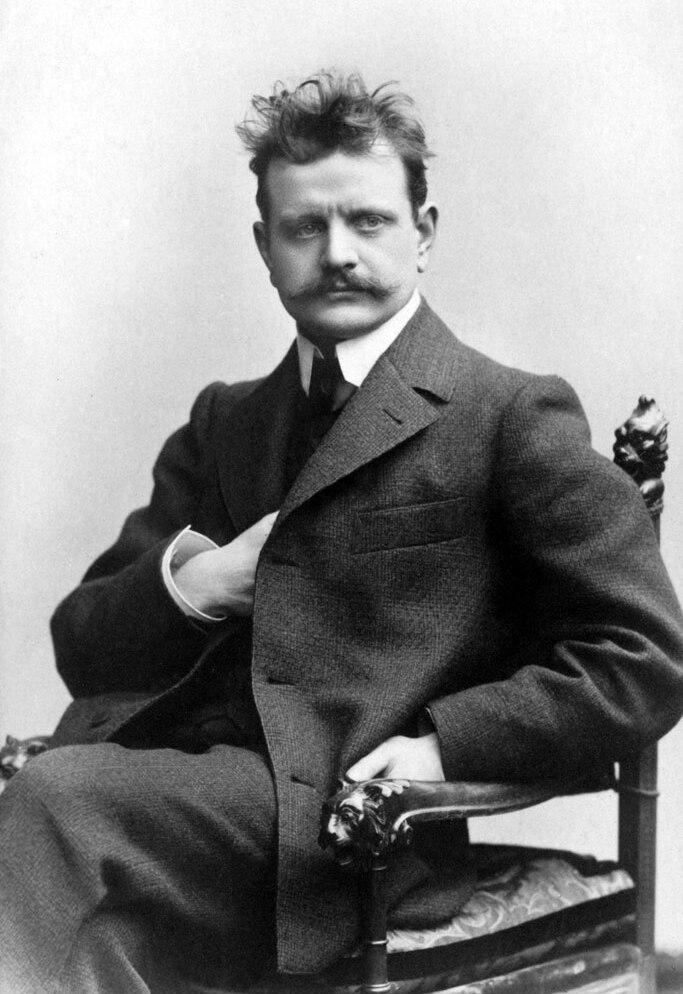 Jean Sibelius in 1890. (Public Domain)
Sibelius composed music for Masonic rituals, works for piano, and began work on an eighth symphony that he ended up burning. He also continued to arrange prior works for different instruments and to conduct.
In 1939, when Sibelius was 73, he conducted a broadcast recording of one of his most beautiful works, “Andante festivo,” which he had recently arranged for strings and percussion. Despite having the word “festive” in its title, the work is quite serene, majestic, and hymn-like.
Ralph Vaughan Williams
Unlike these other composers who wrote occasional works in their old age, Ralph Vaughan Williams (1872–1958) was prolific. A pioneer in reviving the English folk song tradition, Vaughan Williams was heavily influenced by Renaissance music from the Tudor period, giving his work a more lyrical quality than is often found in other composers of his time.
In 1957, when he was 85, Vaughan Williams revised a masque, a type of Renaissance-era courtly entertainment involving music and dance, that he had written a few decades previously. “The Bridal Day,” based on a poem written by Edmund Spenser to celebrate his marriage, was reworked into a cantata, “Epithalamion,” (meaning a poem celebrating a wedding). It was his last major choral work.
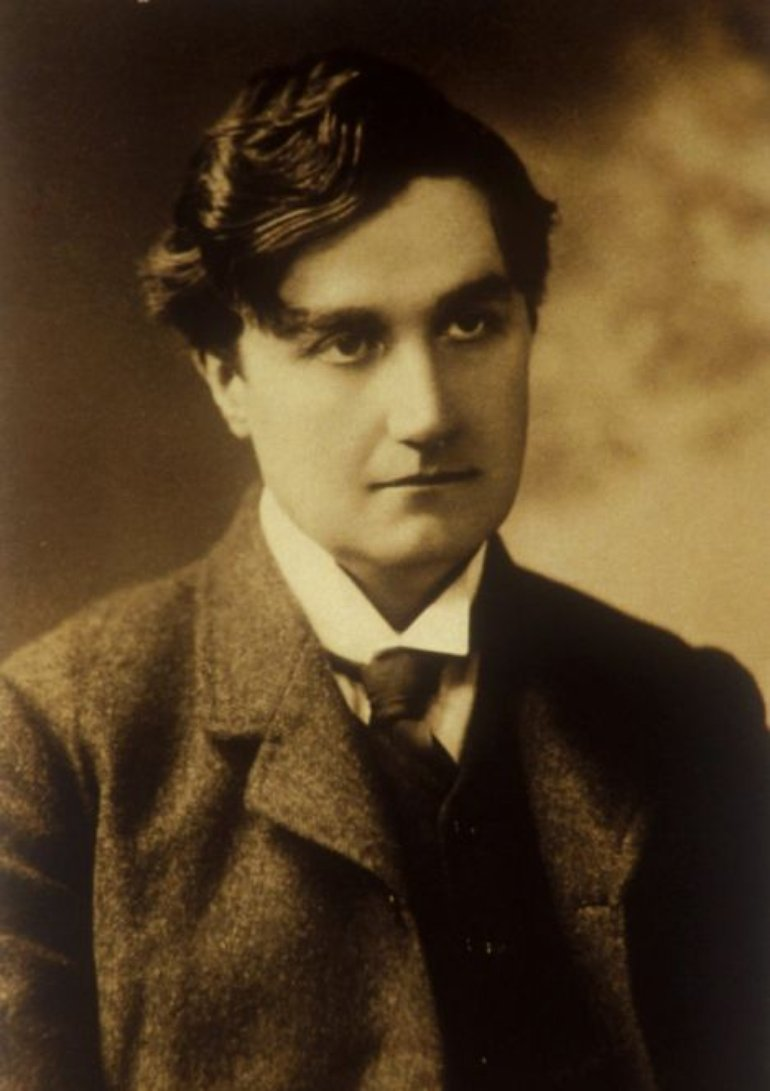 Ralph Vaughan Williams in 1900, when he was attending Cambridge University. (Public Domain)
The cantata’s fifth section, “Procession of the Bride,” features a wonderful melody sung by the women’s chorus. The eighth section, “The Lover’s Song,” opens with a viola solo, later joined by a baritone soloist and soaring soprano chorus that expands the melodic range (movements start at around 10:00 and 17:00, respectively).
Like Monteverdi and Strauss, Vaughan Williams also died the year after completing this last work.
For these composers at the end of their lives, death was not a diminuendo but a daring coda.
What arts and culture topics would you like us to cover? Please email ideas or feedback to features@epochtimes.nyc
