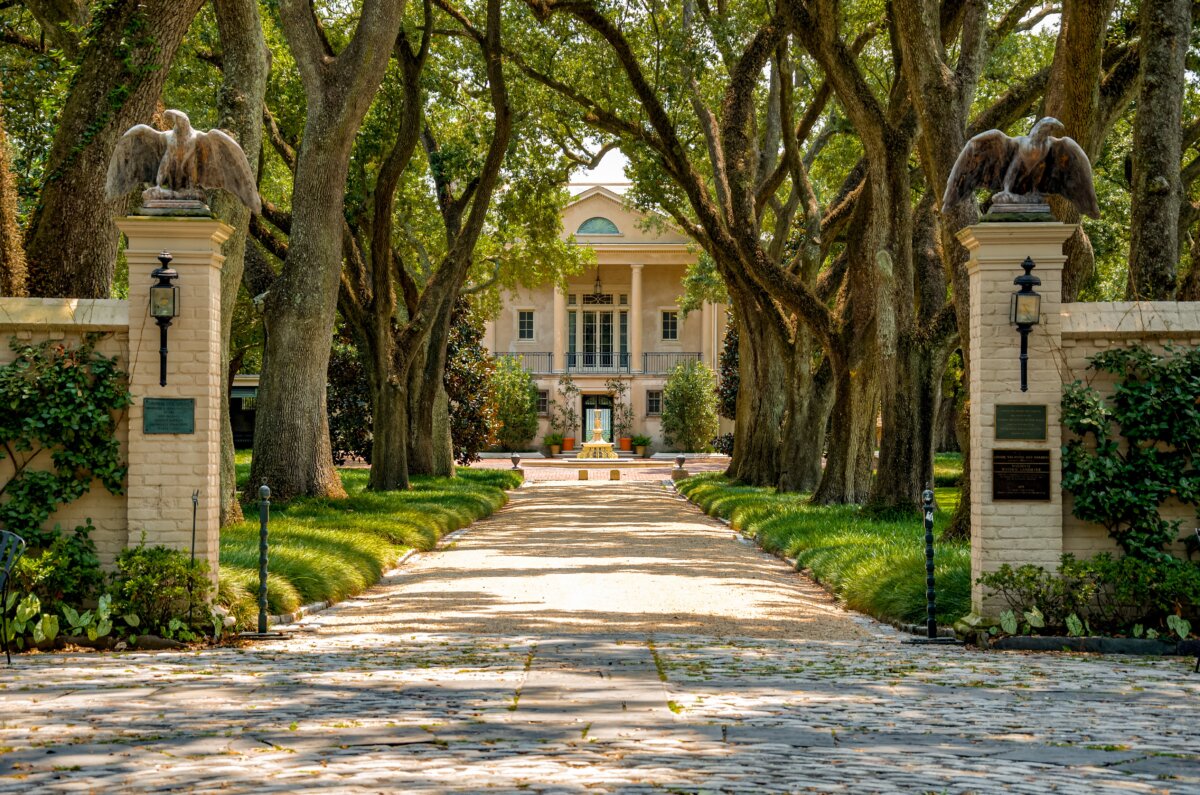
In 1921, Edith Rosenwald Stern, heiress to the Sears–Roebuck fortune, married Edgar Bloom Stern, a New Orleans cotton broker, and the couple settled in New Orleans. There, they purchased eight acres on the edge of the city that would become Longue Vue, named after the Hudson River tea house where they got engaged. By the summer of 1923, their first home was complete. But as the gardens matured, the Sterns began to envision something more ambitious. During their extended travels through Europe and North Africa in 1936 and 1937, they were struck by estates that seamlessly wove architecture into the surrounding landscape.
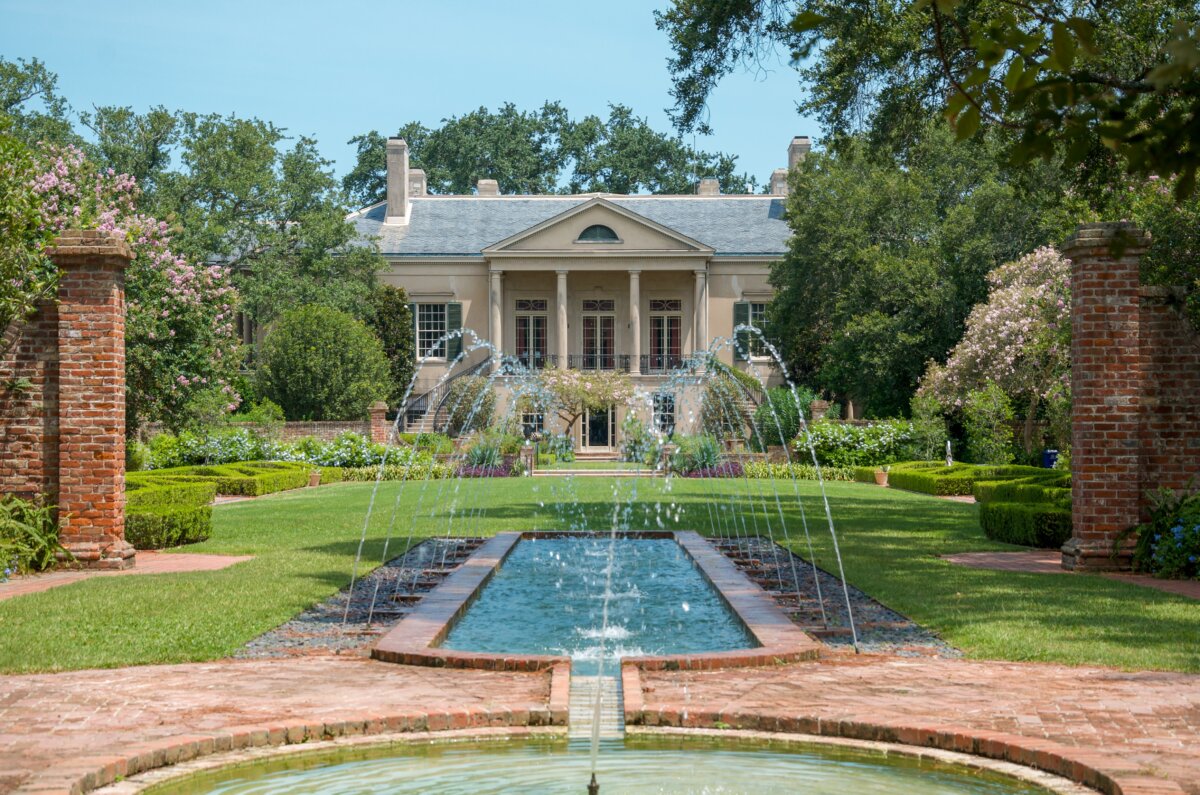
The Sterns enlisted architect Ellen Biddle Shipman to help create a home where the gardens would take center stage, an extension of the house itself rather than mere decoration around it. Shipman collaborated with architects William and Geoffrey Platt, sons of her mentor Charles A. Platt. Together, they drew on that shared artistic lineage and designed a Palladian-style home with Greek Revival influences, which was built primarily of concrete beneath a stucco facade. Constructed between 1939 and 1942, this second house is the estate that stands today.
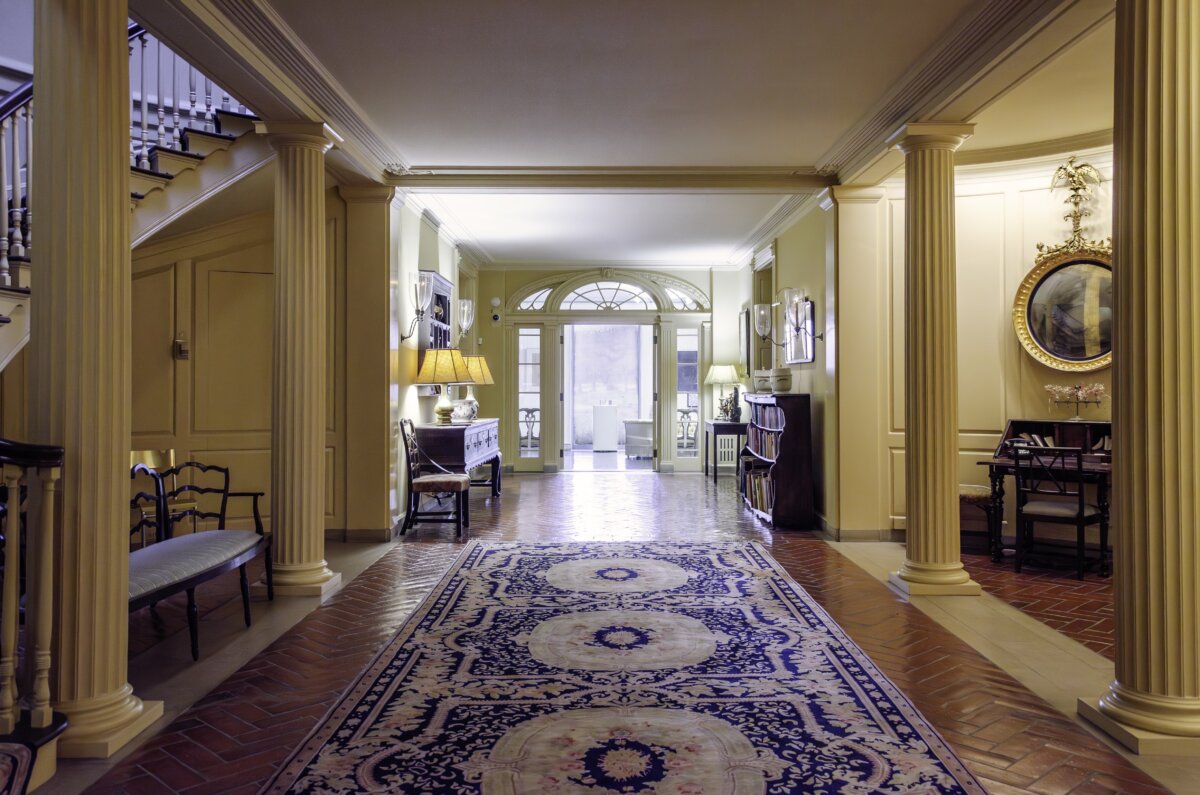
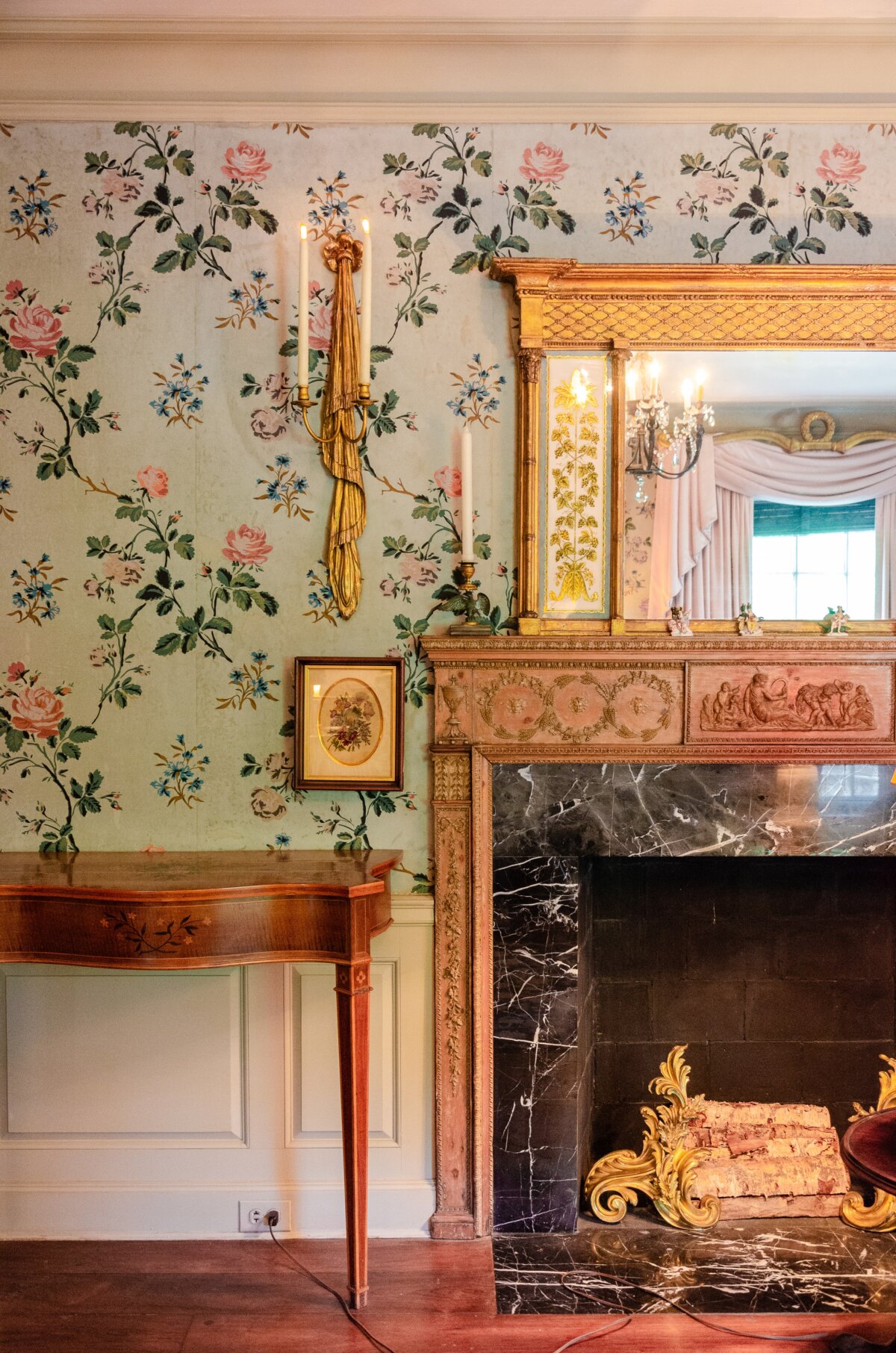
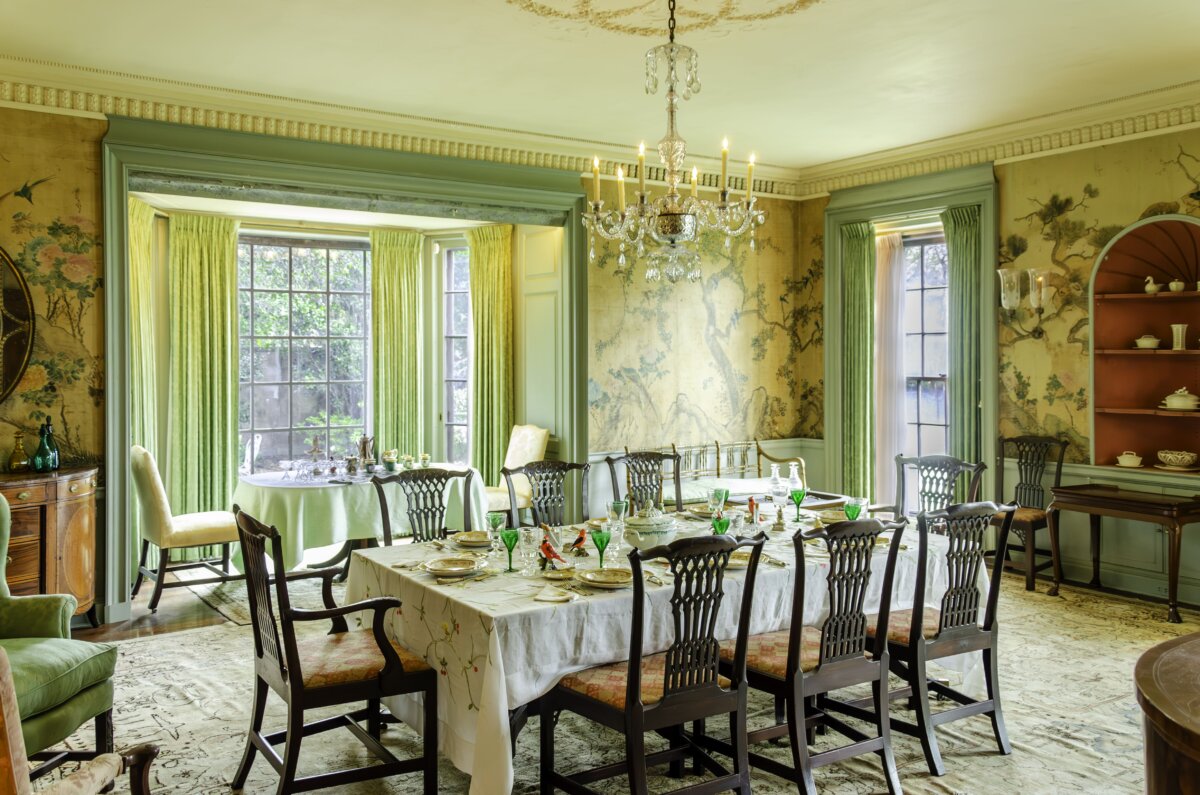
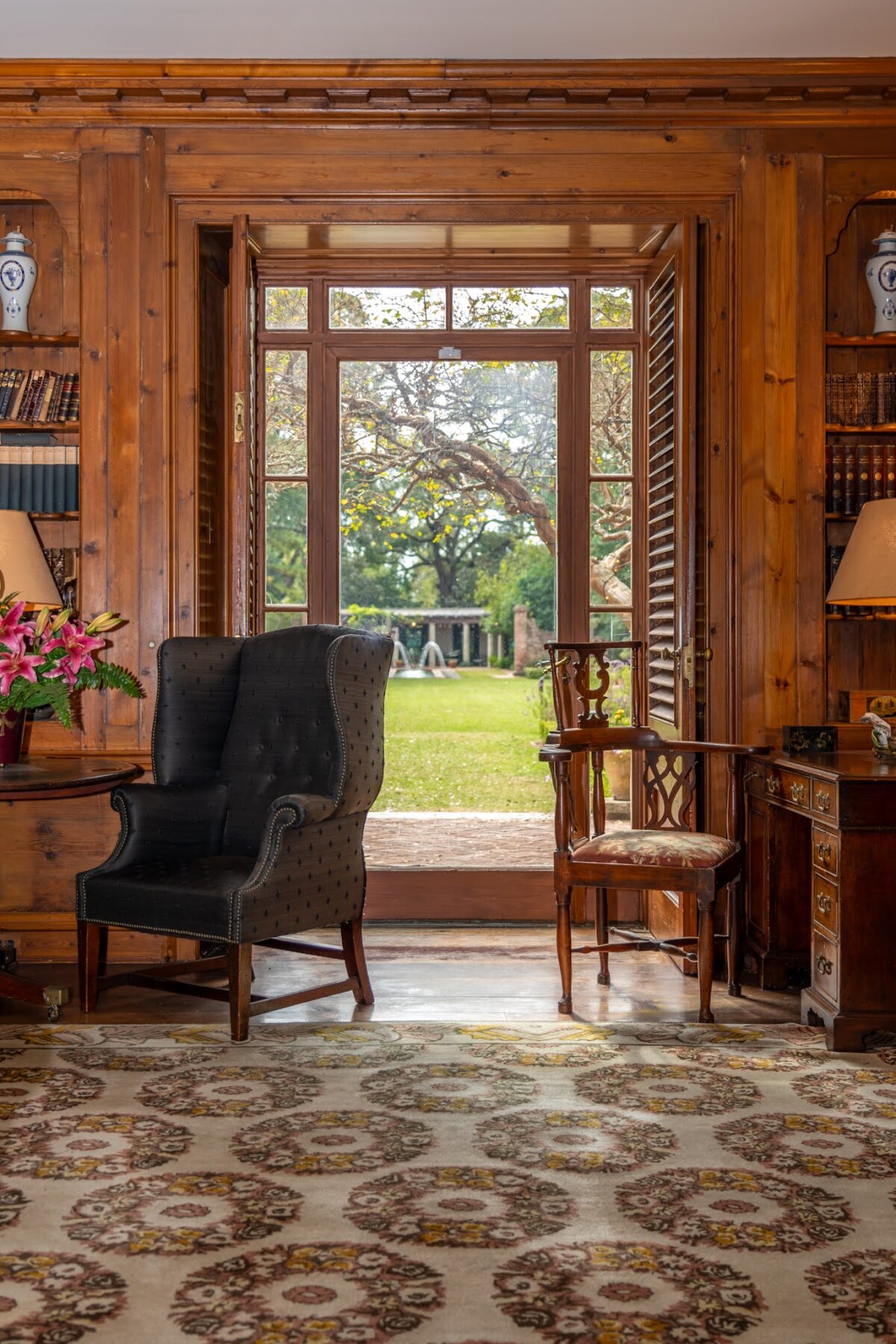
The mansion features 20 primary rooms across two main floors, plus a basement and a full attic, and is still furnished with many original pieces that speak to the family’s taste. Shipman also collaborated on the interiors, choosing the furnishings and finishes that rounded out the home’s design. The house was built to serve two purposes: a comfortable home for everyday life and a stage for elegant entertaining. The formal rooms, the drawing room, dining room, library, and main hall handled the entertaining, while family suites, the kitchen, and service areas kept the household running.
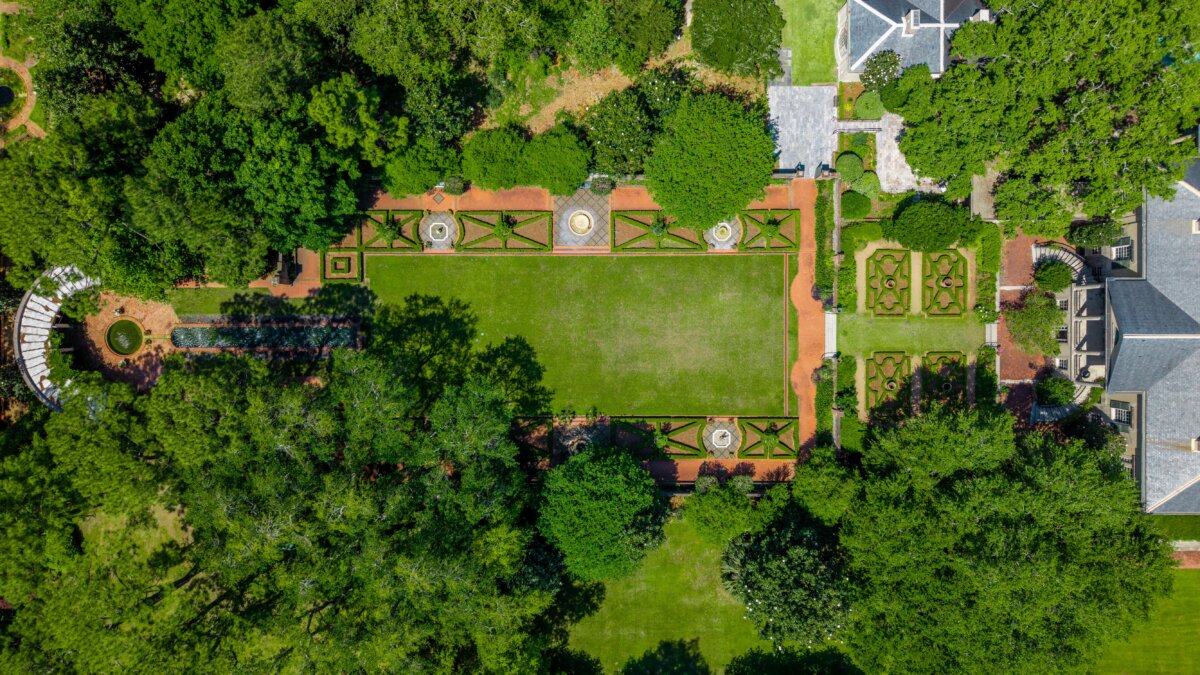
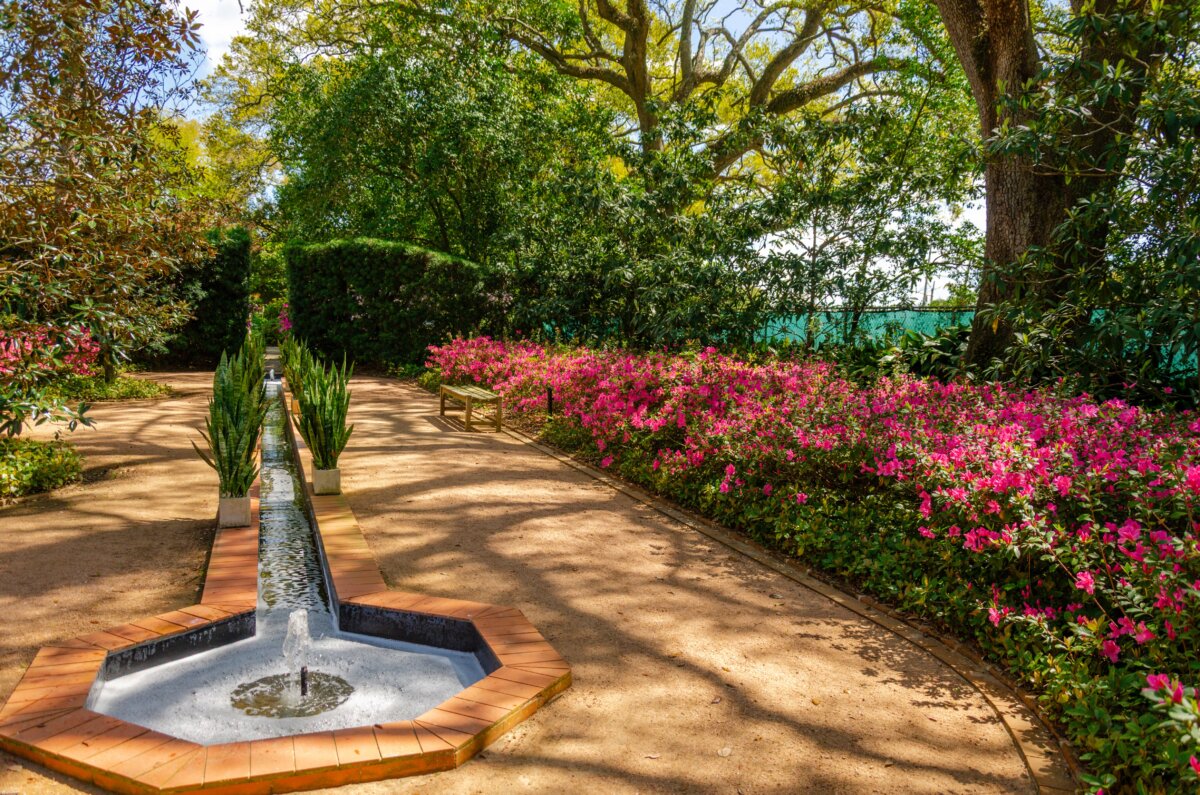
One of the home’s more striking features is the way that each of the four facades looks out onto a different garden, so the view changes entirely depending on which side of the house you’re standing on. Shipman believed that landscape design was a form of artistic composition, and at Longue Vue, that philosophy found its fullest expression across 15 distinct garden rooms.
Shipman had creative control over the grounds and, beginning in 1936, filled them with formal pathways, reflecting pools, and secluded garden rooms. The gardens burst with variety throughout the year, from palms, azaleas, and camellias to hydrangeas, roses, and crepe myrtles. Louisiana irises, tulips, daffodils, and chrysanthemums add seasonal color, while fig trees, cotton plants, and butterfly-friendly natives round out the plantings.
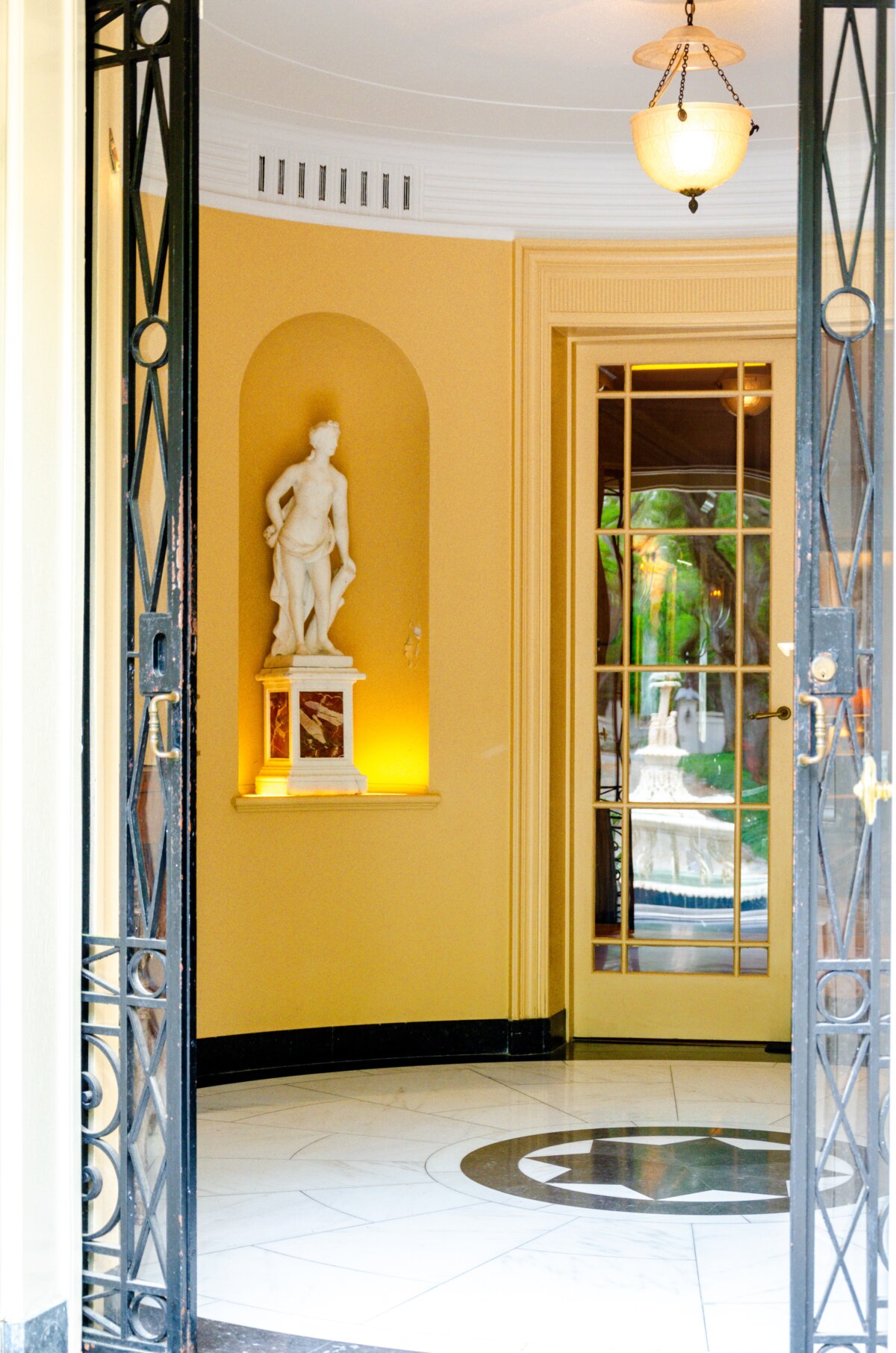
Edith Stern’s family saw wealth as a trust, something to be invested wisely for the good of others. In that spirit, she worked to turn Longue Vue into a museum and opened it to the public just a few months before she passed. Throughout the estate, visitors can see the high quality of the workmanship, a reflection of the Sterns’ belief in paying for quality artists and artisans.
Longue Vue earned a spot on the National Register of Historic Places in 1991 and became a National Historic Landmark in 2005. The estate has weathered real damage over the years, including from Hurricane Katrina, and has been carefully restored each time. It now stands as a testament to what philanthropy, artistic partnership, and careful preservation can accomplish together, a place that continues to teach visitors about American architecture, landscape design, and the cultural history of New Orleans.
What arts and culture topics would you like us to cover? Please email ideas or feedback to features@epochtimes.nyc.