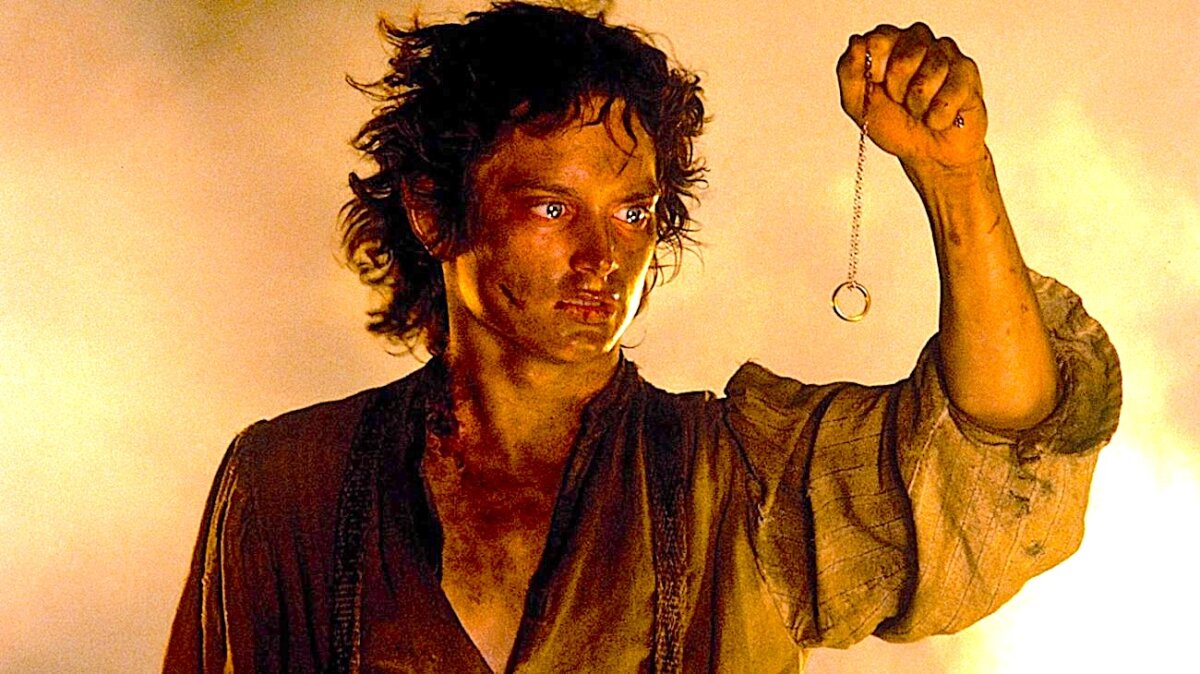
PG-13 | 2h, 58m | Fantasy, Action, Adventure | 2001
“The Lord of the Rings” (LOTR) trilogy is being re-released in theaters for two three-day runs this month, from the 16th to the 18th, and from the 23rd to the 25th.
Author J.R.R. Tolkien’s grand tale was first published in 1954, so most people are aware by now that Tolkien’s work “The Hobbit” is the prequel to the trilogy of “The Fellowship of the Ring,” “The Two Towers,” and “The Return of the King.”
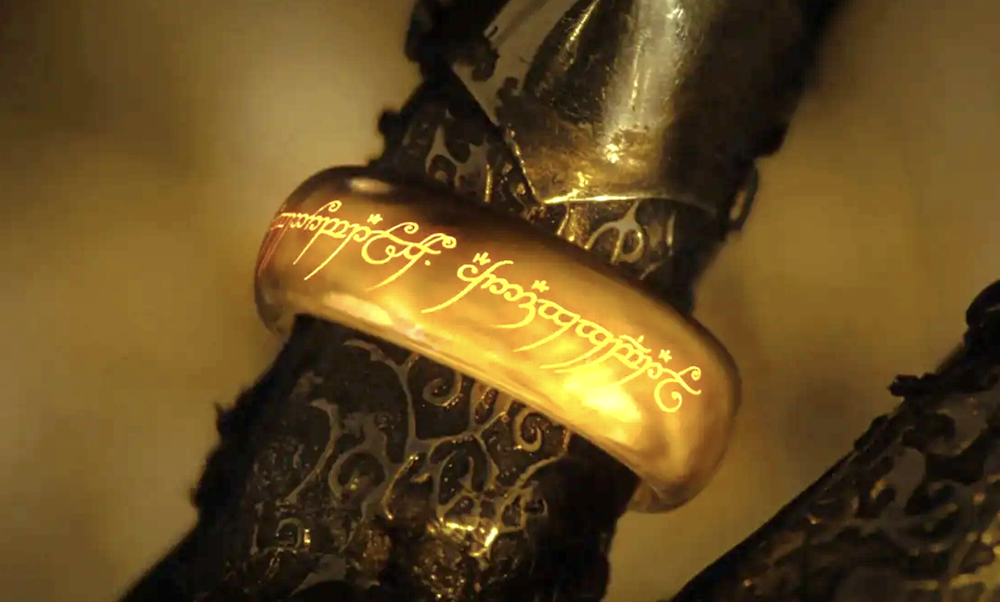
I’m not ashamed to admit I’ve read the series, including “The Hobbit,” 52 times. And watched the movie versions at least 25 times. “What the heck? What’re you, a LOTR-geek, Jackson?” I was, I was. And proud of it. I wasn’t nearly as bad as aviation mechanic Max Comer (@airplanefactswithmax), though. I recommend the hilarious LOTR rants he suddenly veers into while doing mechanical-explanation tour guides through the innards of various aircraft.
My best friend in grade school and I taught ourselves to read and write Tolkien’s dwarfish alphabet, and would pass notes back and forth in sixth grade utilizing this exceedingly rare form of encryption. At our 25th-year high school reunion, Dr. Peter Gordon recounted: “Over the years, I keep running into these people who brag that they’re Tolkien experts. And I think to myself, “You say you know Tolkien …. but can ya write the language??”
I didn’t realize it at age 6, of course, when my mom first read me “The Hobbit,” but this story is the second most-read Western tale of spiritual enlightenment after Homer’s “The Odyssey.” This is the hidden reason, the mystery behind why people keep returning to the well of elves, orcs, dwarves, hobbits, and black riders. It’s very, very deep. And prescient.
Prophetic
Consider Tolkien’s poetic description of the One Ring, the evil ring created by the Dark Lord Sauron. (For Harry Potter fans, Sauron’s One Ring is the original horcrux, containing part of his evil spirit):
One Ring to rule them all, One Ring to find them, One Ring to bring them all and in the darkness bind them.
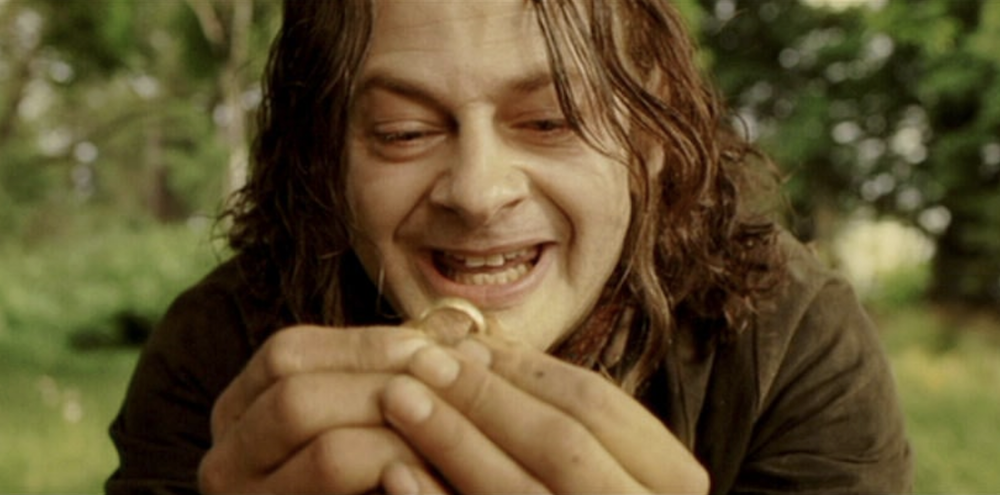
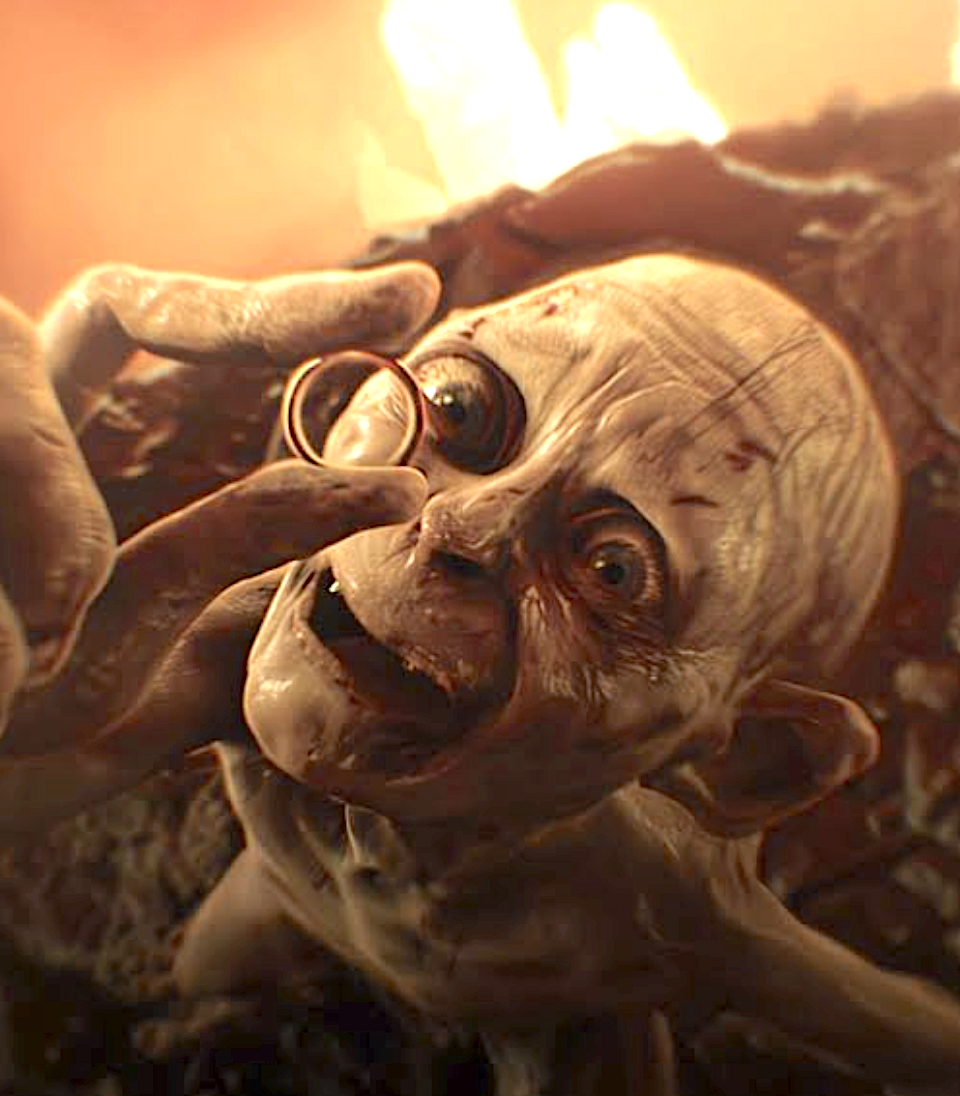
We all own—and are completely addicted to—the One Ring right now. And it’s binding us all in the darkness. When Peter Jackson flashes back to introduce Gollum (whom he conceived of as a ring-junkie) hunkering in his subterranean cave, Gollum is stroking the One Ring. But it looks exactly like doomscrolling a smartphone. Jackson was also prescient.
One ring to find them and bind them—look around a crowded train. Every person as far as the eye can see is found and bound—smartphones track, spy, and eavesdrop on us. No matter where we go, we’re being monitored.
Smartphones also addictively bind our minds to the deluge of internet AI lies, fake news, and the Hobbesian “fight of all against all” currently taking place in comment sections everywhere. We are being bound and shackled in darkness to hatred. Multiple spiritual communities say we’re currently living in the most auspicious time in the entire history of the cosmos—and yet here we sit in the dark, endlessly distracted.
‘The Fellowship of the Ring’
Peter Jackson really did the impossible: He faithfully (faithful in terms of the essence and message, not literal word-for-word content) brought to life a magical, thrilling, and compelling film version of the timeless cult fantasy epic. Of all the books I’ve read that have been made into movies, the LOTR trilogy is the only one that absolutely nailed all the imagery I’d gathered in my mind over the years.
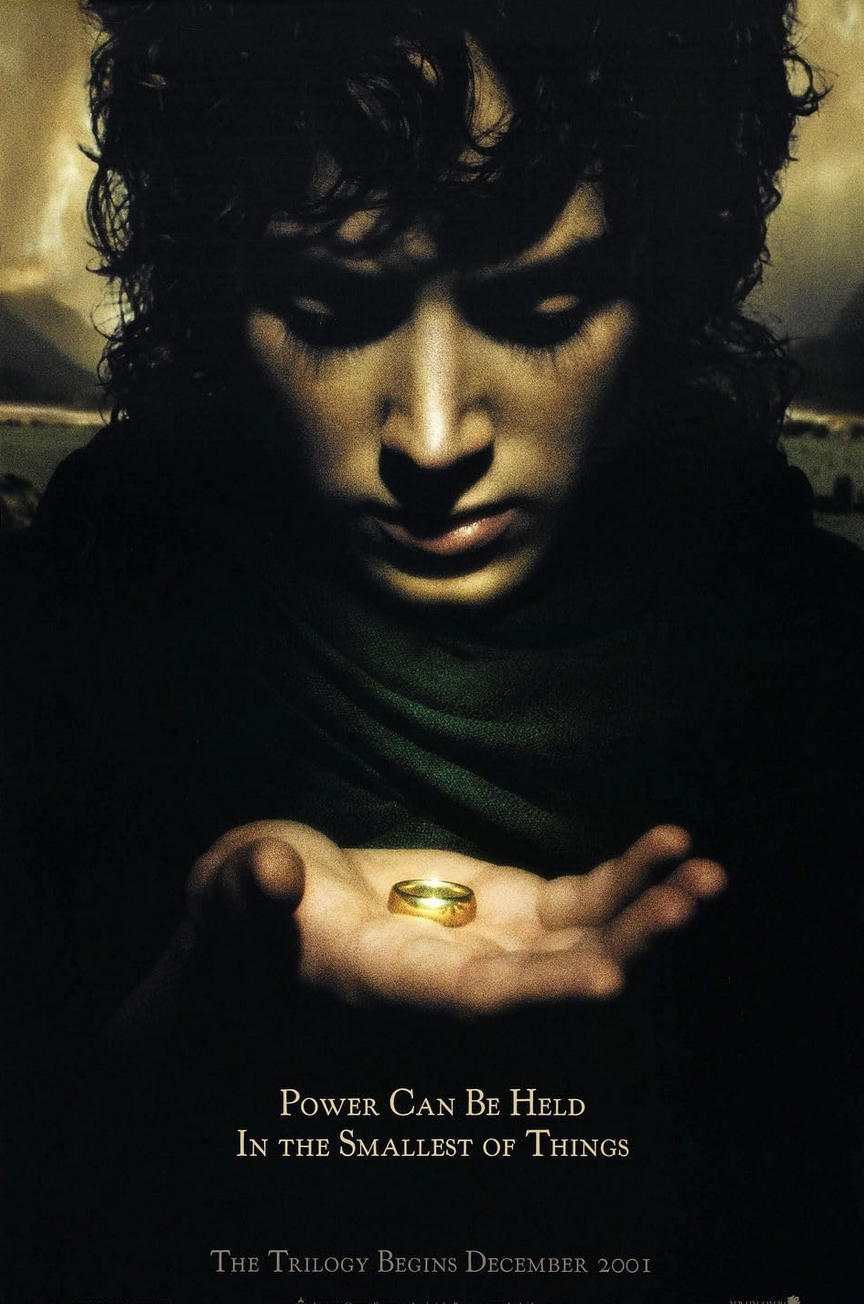
The crack writing team made up of Jackson, wife Fran Walsh, and Philippa Boyens streamlined the infinitely complex story and wealth of detail from the novels.
Jackson introduces the outlandish collection of races and species in the fantasy world of Middle Earth. He successfully spans, visually, a 1,000-year history. He gives us all Tolkien’s dozens of characters, crystal clear, and still manages to create a well-shaped, edge-of-your-seat, roughly three-hour adventure for each of the three films.
‘Fellowship’ Synopsis
“The Fellowship of the Ring” follows young Frodo Baggins (young by hobbit standards; he’s 50) as he inherits the One Ring from his uncle Bilbo (Ian Holm).
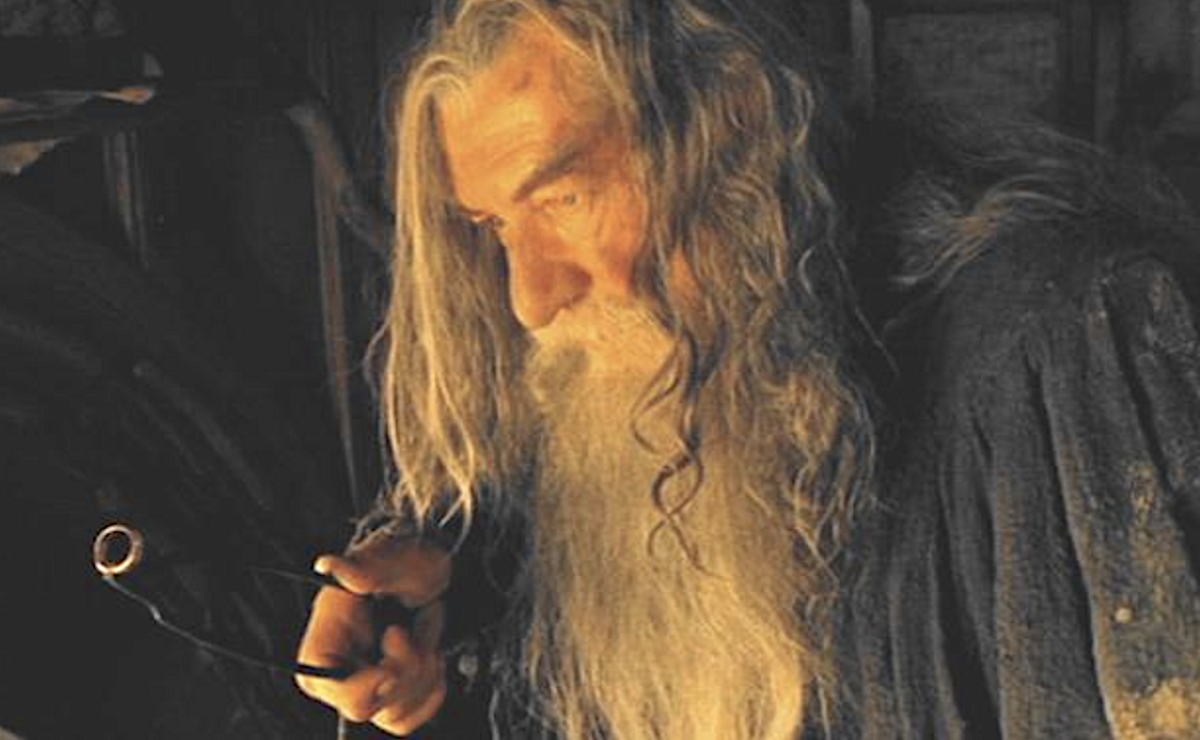
Frodo discovers via the wizard Gandalf (Ian McKellen), who’s been out doing research on it, that it’s a powerful artifact of the Dark Lord Sauron, who seeks to reclaim it to enslave Middle Earth.
Frodo embarks on a perilous quest to destroy the ring in the volcanic fires of Mount Doom, in the land of Mordor. He is accompanied by the diverse fellowship of the ring, nine in all, including neighboring hobbit Samwise Gamgee (Sean Astin), further hobbits Merry (Dominic Monaghan) and Pippen (Billy Boyd), woodland-elf warrior Legolas (Orlando Bloom), diminutive dwarf warrior Gimli (John Rhys-Davies, who also voices Treebeard, the tree shepherd), Boromir of Gondor (Sean Bean), the ranger Aragorn (Viggo Mortensen), and Gandalf.
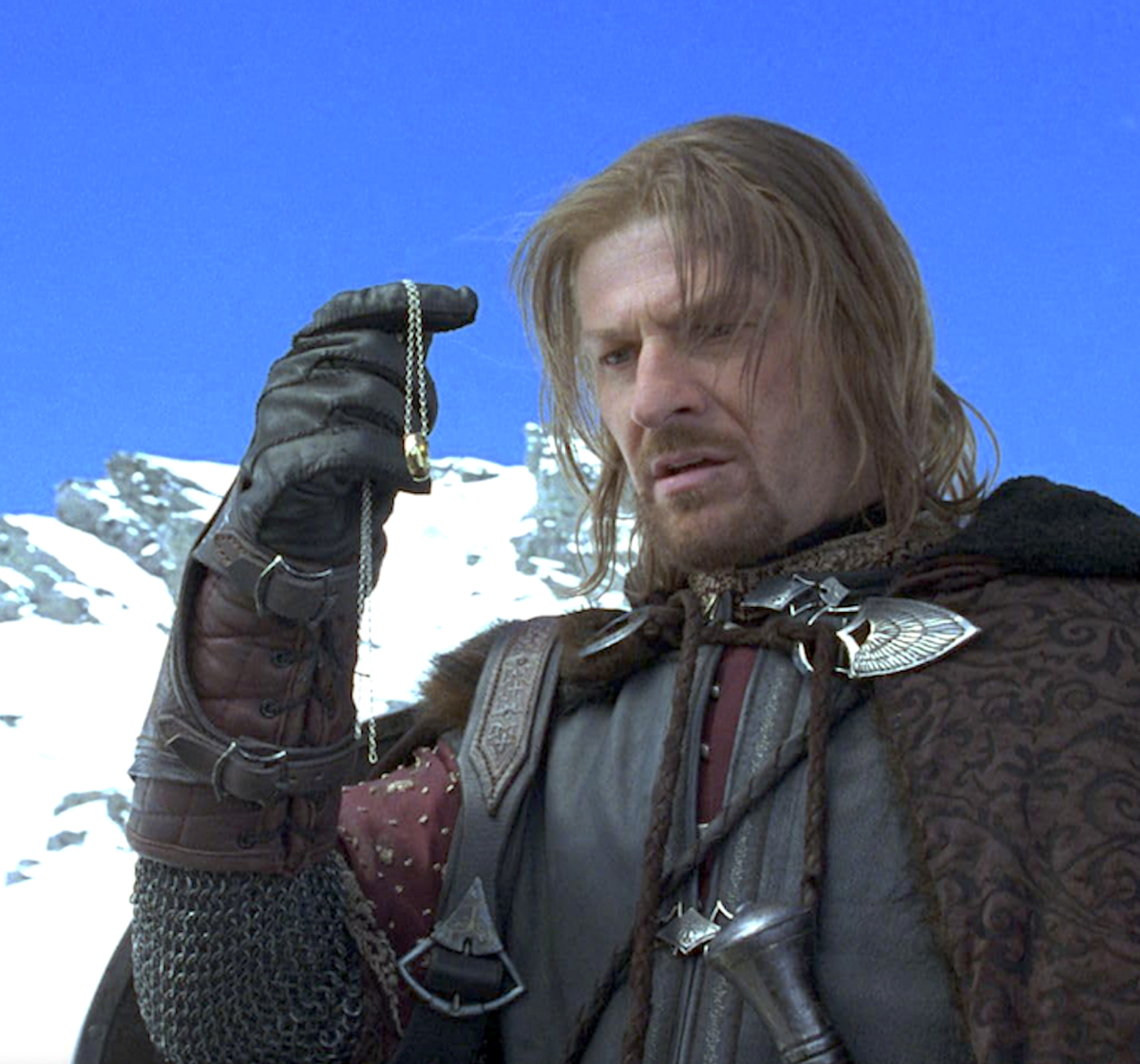
Their journey faces constant threats and overwhelming evil, including orcs, goblins, the giant octopus-like gatekeeper to the Mines of Moria, a giant fire demon, the Nazgûl, or Ringwraiths (formerly men, destroyed by the One Ring), and the corrupting power of the ring itself. It all leads to the fellowship’s tragic breakup by the book’s end, on the outskirts of Mordor, where the second book, “The Two Towers,” picks up the story.
Casting
I have only a couple of LOTR casting alternatives I would have enjoyed seeing. Make no mistake—Ian McKellen is perfect as the avuncular, mysterious, unpredictable, and slightly bad-tempered wizard, Gandalf the Grey. But I would like to have seen the other wizard-playing British elder, Richard Harris (Dumbledore in “Harry Potter”), have a go at Gandalf. Not like he played Dumbledore, but as the force-of-nature Bull McCabe from “The Field.” That would have been a heck of a Gandalf.
Viggo Mortensen, also perfect, brings a human vulnerability and torment to the novel’s Army Ranger-like hero Strider. But I would have also liked to have seen a “Last of the Mohicans”-era Daniel Day-Lewis as the ranger Aragorn, son of Arathorn, the last heir to the thrones of Gondor and Arnor, also known as Strider.
Former horror-movie and Dracula legend Christopher Lee is perfectly cast as the deceptive wizard Saruman the White. Cate Blanchett, Liv Tyler, and Hugo Weaving costar as elves of great importance.
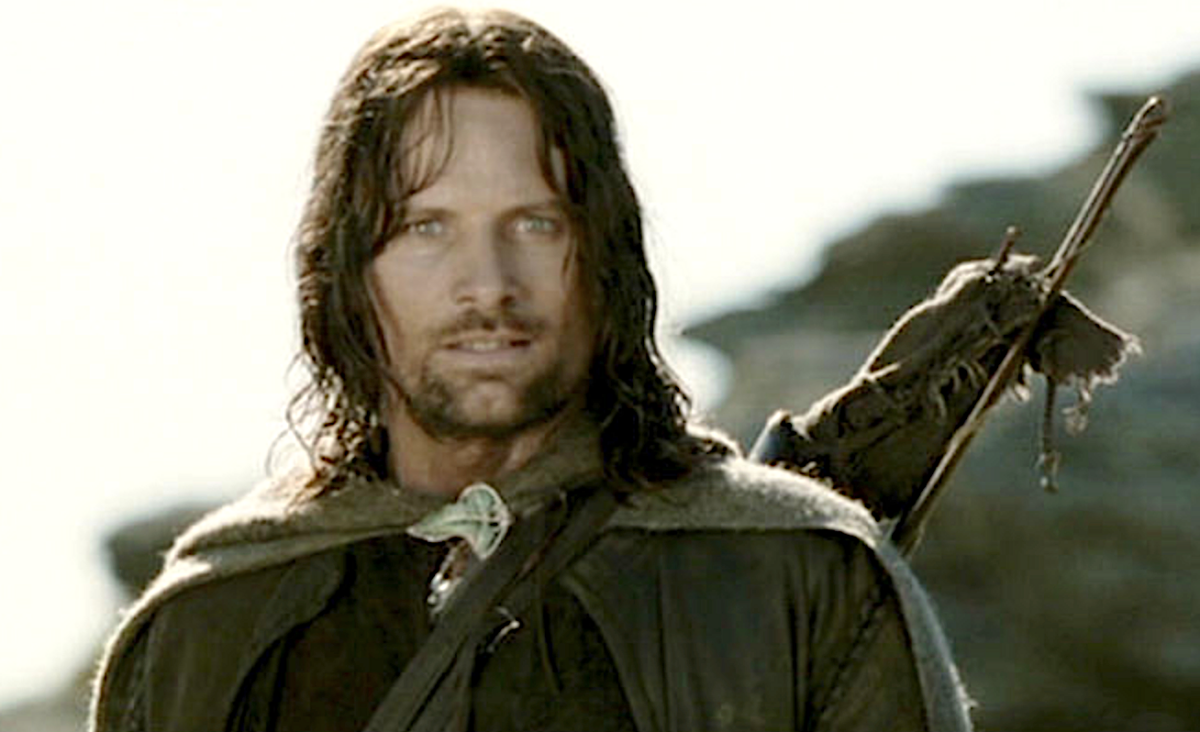
Hero’s Journey to the Academy Awards
Lead character and hero’s-journeying hobbit Frodo anchors “The Fellowship of the Ring” (and indeed, the entire trilogy) with haunted, wide-eyed innocence and a powerful conscience. Frodo journeys through thick and thin, running from the black-cloaked zombie horsemen—the Nazgûl (Nazi ghouls)—to Mordor (murder) from baby-killing Gollum the ring-junkie, and Shelob, the giant Sydney funnel-web spider that lives in a high Mordor mountain pass. Frodo’s is the penultimate example of the Hero’s Journey—facing one’s fears and getting rid of all one’s attachments and addictions to become truly free.
“The Lord of the Rings: The Fellowship of the Rings” won Oscars for cinematography, special visual effects, and makeup. It’s a mind-blowing epic on a mythic scale, but never once do the multitudes of imagery—the cave trolls, fiery Balrogs, bloodthirsty goblins and orcs, massive airborne lizards, or sublime elven tree houses—distract from the ring bearer’s spiritual odyssey.
“The Lord of the Rings” trilogy swept the Academy Awards in a valedictory win for the entire series, ultimately winning four Academy Awards and four BAFTAs (British Academy Film Awards) including for best picture. It was added to the National Film Registry in 2021. Peter Jackson also released expanded versions of each film for home video.
I’m still hoping that Jackson will go back in and add the missing pieces to “Fellowship,” like the spooky Old Forest, the eerie river Withywindle and Old Man Willow, the jolly but spiritually advanced Tom Bombadil, and the horrifying Barrow Wights. Ye fellow LOTR geeks know whereof I speak.
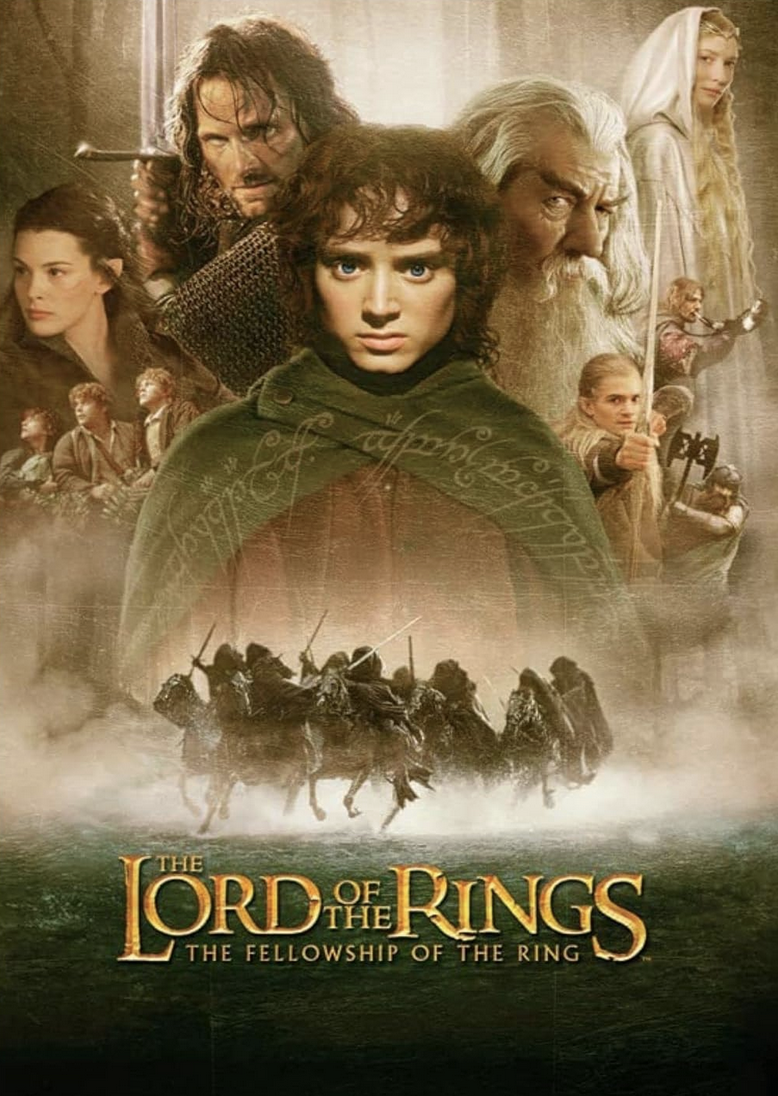
‘Lord of the Rings: The Fellowship of the Ring’
Director: Peter Jackson
Starring: Elijah Wood, Ian McKellen, Viggo Mortensen, Hugo Weaving, Cate Blanchett
MPAA Rating: PG-13
Running Time: 2 hours, 58 minutes
Release Date: Dec. 10, 2001; re-release: Jan. 16, 2026
Rating: 5 stars out of 5
Would you like to see other kinds of arts and culture articles? Please email us your story ideas or feedback at features@epochtimes.nyc