When Louis Dearborn LaMoore (1908–1988) was 15, a string of bank failures across the Upper Midwest sent him, his adopted brother John, and their parents on a seven-year odyssey around the Western United States in search of work and a new home. Traveling sometimes with his family, sometimes alone, LaMoore worked whatever jobs came to hand, among them cattle skinner, day laborer, prizefighter, mine assessor, and circus roustabout.
Later, when one of his older brothers could afford to offer the family a more grounded life on a farm near Choctaw, Oklahoma, LaMoore became serious about his dream of writing. He began as a poet—it was then that he changed LaMoore to its original French spelling, L’Amour—and when he realized there was little money in that craft, he turned to short stories. Although he wrote and mailed out story after story, it wasn’t until 1935 that he sold “Anything for a Pal” to a pulp magazine for less than $8. That small victory kept him writing, but the rejections kept coming in.
Until well after the Second World War, L’Amour had not struck gold with these stories and books. Yet by the time of his death, the books he’d kept writing had sold more than 200 million copies—that number today has jumped another 120 million—which raises a question: What qualities of character sustained L’Amour through all those lean years of two-fingered pecking on a typewriter?
 Louis L’Amour lived in a time where the typewriter reigned supreme. (Kjoonlee/CC BY 4.0)
Family Values
In “Education of a Wandering Man,” the autobiography he was editing on the day of his death from cancer, L’Amour wrote, “Ours was a family in which everybody was constantly reading, and where literature, politics, history, and the events of the prize ring were discussed at breakfast, lunch, and dinner.” In addition to his 10 years of school in Jamestown, North Dakota, L’Amour, the youngest of his siblings, received the great gift of a dining table education.
His father was a large animal veterinarian and local politician from whom L’Amour learned the value of hard work and “that a man could always find a way to solve a problem.” Trained as a schoolteacher, his mother supplemented his formal schooling with instruction of her own.
One sister, Edna, was for a time the librarian of the town’s Alfred Dickey Free Public Library, where L’Amour spent hours exploring the stacks and bringing home books. His twin sisters Clara and Clarice had died in infancy. His sister Emmy Lou, whom L’Amour adored and whose death in the 1918 influenza epidemic left him bereft, helped him learn to read. His three brothers, Parker, Yale, and John, were also readers and, just as importantly for his future, were boxers who taught him the basics needed for the ring.
These mentors bestowed gifts on L’Amour that would serve him well all his life, especially a love for books and reading.
Books Made the Man
Throughout those years of working odd jobs and for the rest of his life, L’Amour read. And read. And read.
“Education of a Wandering Man” is as much a story about books as it is about a man. There’s scarcely a page in this autobiographical look at education without mention of the stories, histories, works of philosophy and religion, and poems he was reading, whether working in utter isolation safeguarding another man’s mine, aboard a cargo ship, or riding in a boxcar.
History was his favorite topic, an enthusiasm dating back to childhood. While he read a wide variety of fiction in those early forays to the library, it was history that most strongly attracted him, a passion for the past that never waned. British author G.A. Henty’s tales of adventure, set against a historical background, were particular boyhood favorites. In “Education,” he wrote, “Historical novels are, without question, the best way of teaching history, for they offer the human stories behind the events and leave the reader with the desire to know more.”
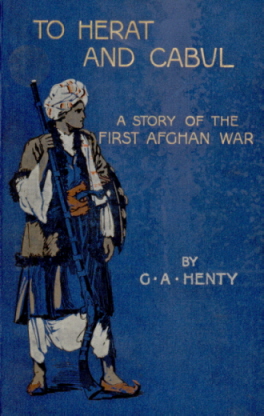 “To Herat and Cabul,” by G.A. Henty, 1902. (Public Domain)
Even when he was on the road and broke, L’Amour managed to borrow or buy books. A phenomenon that made these purchases possible for him and for many others was the popular Little Blue Book paperbacks. As he recounts in “Education,” he was riding a freight train out of El Paso when another hobo gave him one of these books, cheaply printed, bound by staples and a blue cover. Published by Emanuel Haldeman-Julius and his wife Marcet, these paperbacks were inexpensive—for years they cost only a nickel—and small enough for several to fit inside a coat pocket. They covered a wide range of topics, some of them radical for their day, but the heart of this series was the great literature of the past, the classics, with some of them truncated for reasons of space.
L’Amour fondly remembered these Blue Books, which featured writers like Rudyard Kipling, Henry James, and Jack London. “I carried ten or fifteen of them in my pockets, reading when I could,” he wrote in “Education,” adding, “In subsequent years I read several hundred of the Little Blue Books, including books by Tom Paine, Charles Darwin, and Thomas Huxley.”
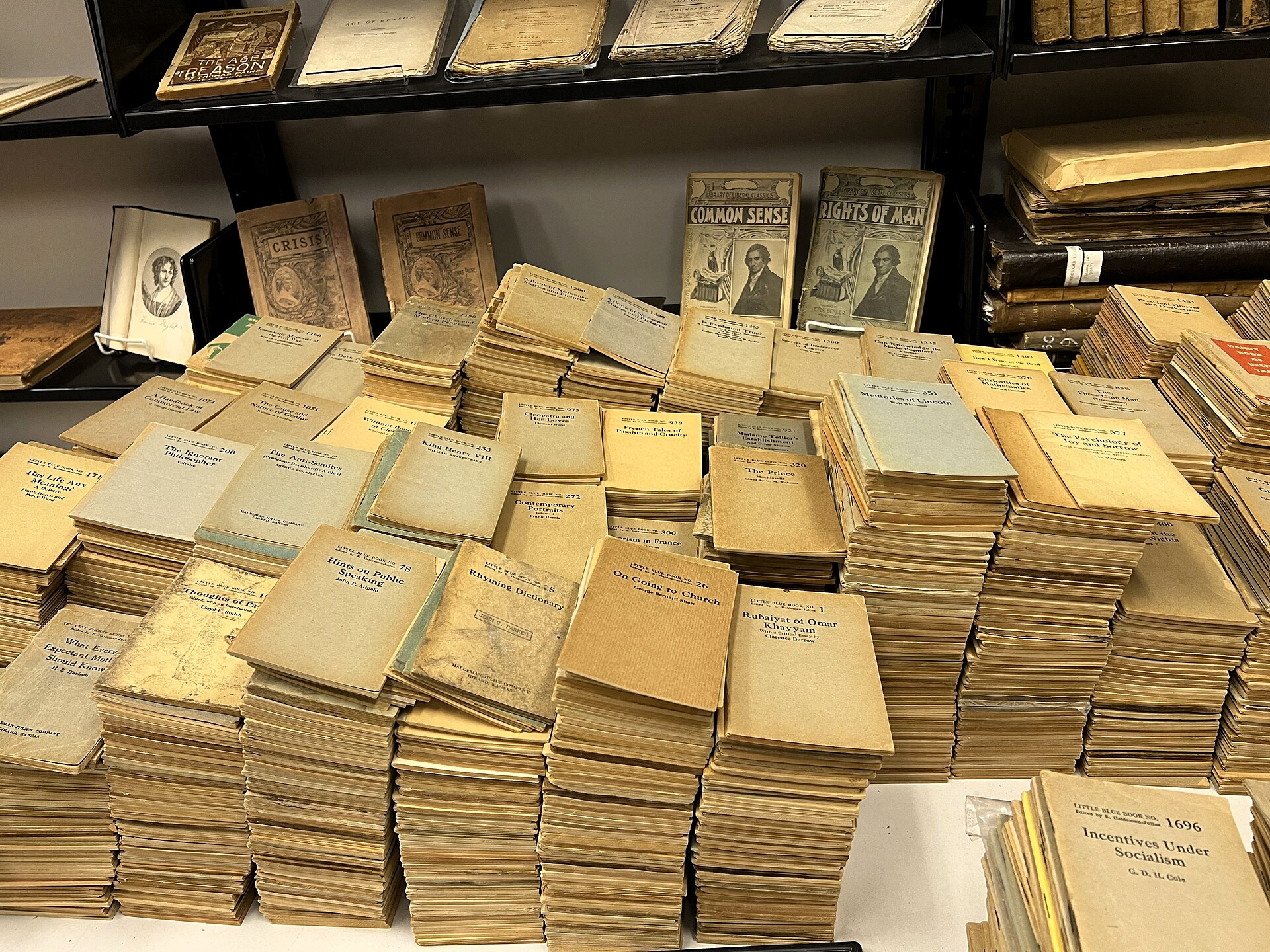 Though their covers have faded to a dull yellow, Little Blue Books’ relevance and role in the life of Louis L’Amour cannot be overstated. (Sgerbic/CC BY 4.0)
Much later in life, when he was a best-selling author of Westerns whose stories had also sold to the movies, L’Amour wrote that he was grateful that he could provide a good living for his family—in 1956, he had married Katherine, an aspiring actress some 26 years his junior, with whom he had two children—and that he had “the money to buy books and continue the education of the wandering man.” It was really all he wanted.
Romancing the World
“I am probably the last writer who will ever have known the people who lived the frontier life. In drifting about across the West, I have known five men and two women who knew Billy the Kid, two who rode in the Tonto Basin war in Arizona, and a variety of others who were outlaws, or frontier marshals like Jeff Milton, Bill Tilghman, and Chris Madse, or just pioneers.”
So wrote L’Amour in his autobiography. That same book is shot through with other places he visited and people he knew from childhood to his travels as a seaman aboard a freighter and an Army Transportation Corps officer in World War II. As with all his experiences, he brought the hardships he suffered during those early years of working odd jobs and hoboing to his work—“When in my stories I write of hunger, thirst, and cold, these things I have experienced.”
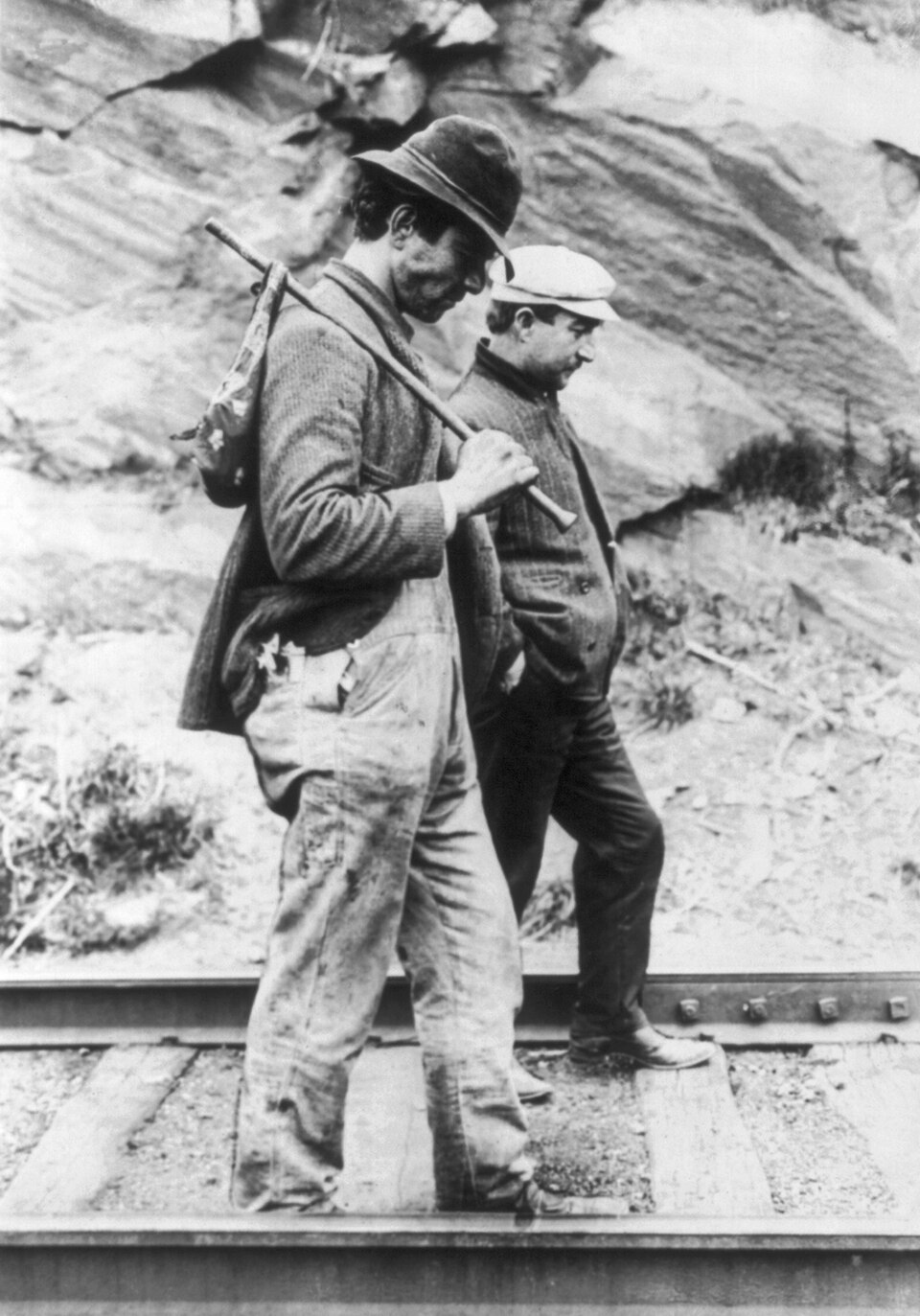 Hobos walk along train tracks after being removed from a train. (Public Domain)
Though infrequently mentioned, his descriptions implicitly convey to readers a soul able to discern the mystery and beauty of the world and being alive in it, a romanticism doubtless engendered in his early days of reading.
For him, life was above all an adventure, even his reading. At one point in “Education,” L’Amour shared this valuable reminder with others who wished to learn from books: “For those who have not been readers, my advice is to read what entertains you. Reading is fun. Reading is an adventure. It is not important what you read at first, only that you read.”
He also noted, “Somewhere along the line I had fallen in love with learning, and it became a lifelong romance. Early on I discovered it was fun to follow along the byways of history to find those treasures that await any searcher.”
In nearly all his books, we find a man who walked along the beaten paths of the past, whether literally or by means of print and paper. And L’Amour shared these hikes with his readers. His Western “Hondo”; “The Walking Drum,” his novel of the 12th century and a journey through Europe to Constantinople; “Last of the Breed,” the tale of Joe Mack, an American Indian pilot shot down over the Soviet Union who makes a daring escape; and many more, L’Amour’s stories feel real because of the details he’d personally witnessed or studied in books. These he’d then set into the story as neatly as a jeweler. That careful work, along with his understanding of what it means to be human and the romance he found in living, explains the popularity of his writing.
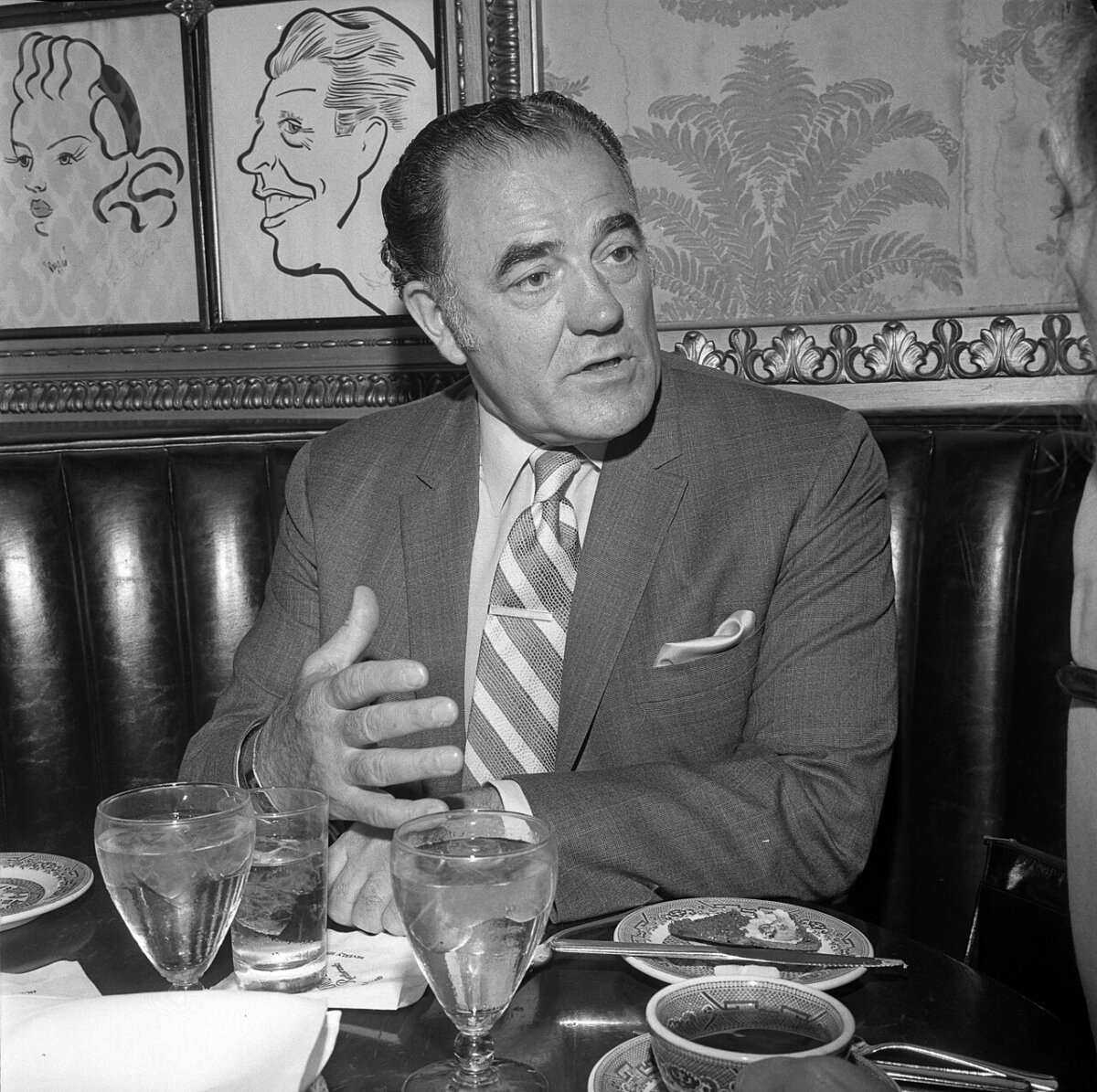
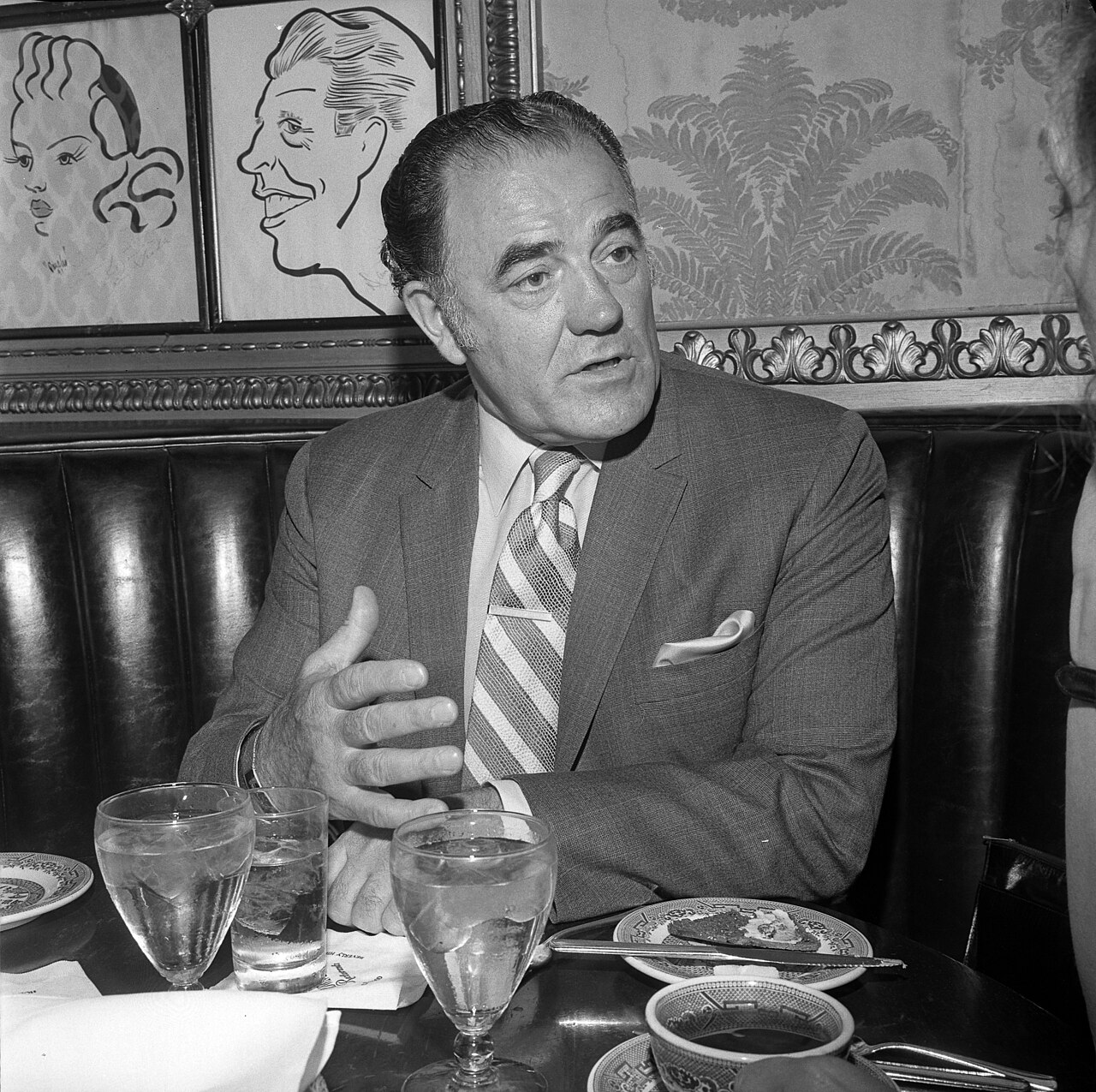 Louis L’Amour in a 1970 interview. (Thomas J. Kravitz/CC BY 4.0)
For Louis L’Amour, the qualities of character embedded in him in his childhood, his love for learning and books, and his dreams combined to make living an adventure and carried him through to his ultimate success.
What arts and culture topics would you like us to cover? Please email ideas or feedback to features@epochtimes.nyc.